• Link to X
  • Link to Instagram
  • Link to Youtube
  • Link to Facebook
  • Link to WhatsApp
CALL: (503)526-3887 or EMAIL: info@raindropnw.com
RAINDROP ROOFING NW | PORTLAND, OR
  • Home
  • About Us
    • About Raindrop Roofing NW
    • Our Team
    • Areas We Serve
    • Who We Support
    • Our Commitment to a Greener Future
    • Careers
    • Blog
  • Residential Roofing
    • Services
      • New / Replacement Roofs
      • Repairs and Maintenance
      • Remodels and Additions
      • Balconies, Patios, and Flat Decks
      • Roof Inspections and Certifications
    • Financing
    • Roof Gallery
    • Roof Types and Products
    • Manufacturer-Certified Roofing Contractor
    • Owner Resources
  • Commercial Roofing
    • Services
      • New and Replacement Roofs
      • Estimates and Inspections
      • Warranties
      • Real Estate Partnerships
      • Roof Certifications
    • Commercial Gallery
    • Roof Types and Products
    • Featured Project
  • Reviews
  • Contact Us
  • Menu Menu
You are here: Home1 / Roofing

From Local Experts to Lasting Roofs: Choosing the Best Remodelers in Portland

Roofing

Your Guide to a Successful Portland Roof Remodel

Roof remodels contractors in portland, or are essential partners when your home’s protective shell needs serious attention. Whether you’re dealing with decades of Pacific Northwest rain, persistent leaks, or want to boost your home’s value, finding the right contractor makes all the difference.

Quick Answer: How to Find Quality Roof Remodel Contractors in Portland

  1. Verify Oregon CCB licensing – All contractors must be licensed and bonded.
  2. Check for manufacturer certifications – Look for credentials like GAF Master Elite.
  3. Confirm insurance coverage – Require proof of liability and worker’s compensation.
  4. Read local reviews – Focus on Google, HomeAdvisor, and BBB ratings.
  5. Ask about warranties – Quality contractors offer workmanship warranties plus manufacturer coverage.
  6. Prioritize local businesses – Local companies demonstrate stability and accountability.

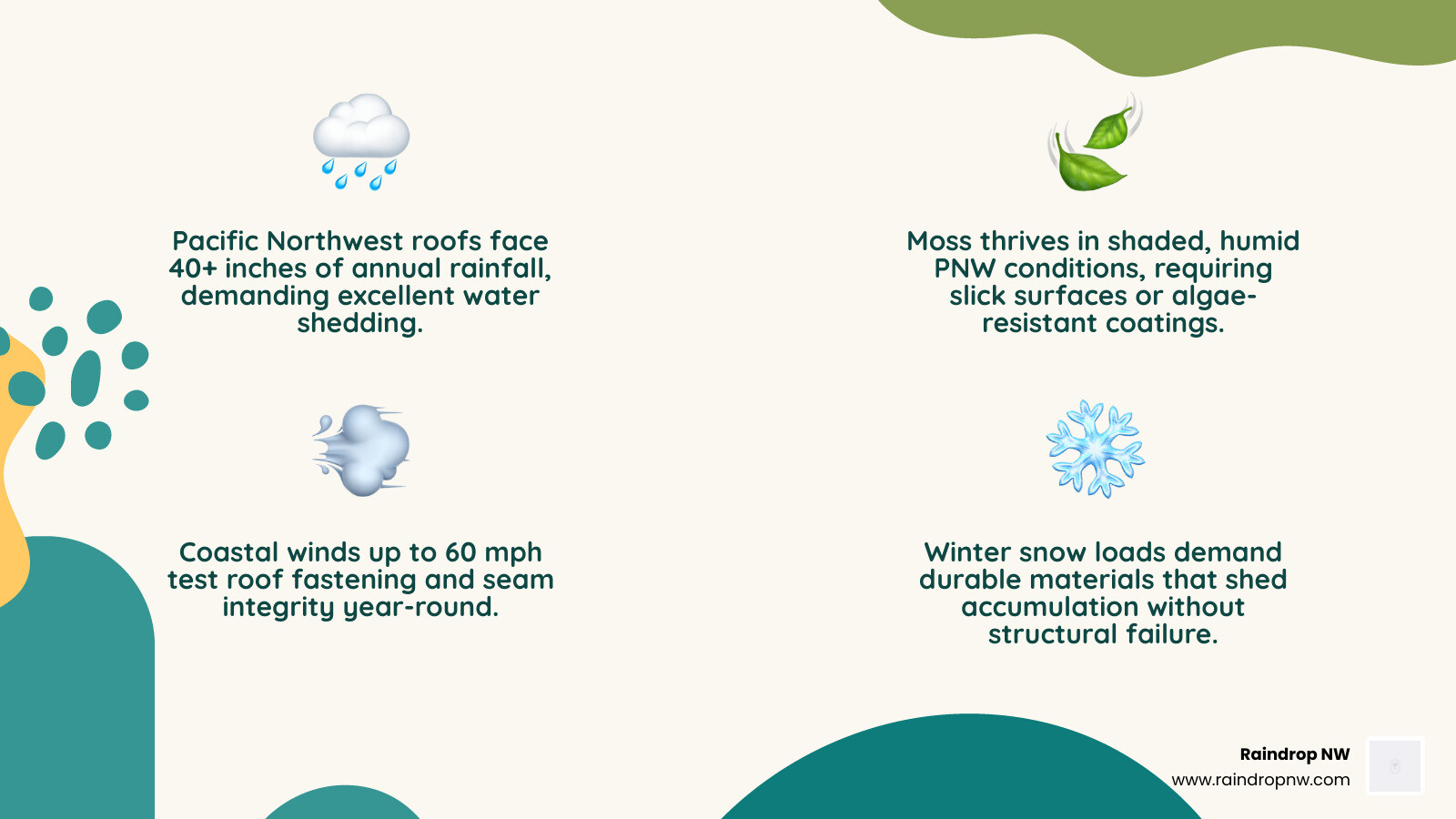
Portland’s unique climate demands more than just new shingles. Between our wet winters, moss growth, and occasional ice storms, your roof system needs proper ventilation, quality underlayment, and materials built for moisture resistance. Many homeowners find that what seemed like a simple repair actually requires a complete system overhaul, especially if the roof is approaching 20 years old or showing widespread granule loss.

Finding a truly local, accountable partner is more important than ever. You need a contractor who will be around to honor warranties and stand behind their work for years to come.

I’m Torrey Yungeberg, owner of Raindrop Roofing NW. I’ve spent years helping Oregon homeowners steer roof remodels contractors in portland, or, from material selection to finding professionals who treat your home with care. My goal is to help you make informed decisions that protect your investment for decades.

Infographic showing the complete roofing system including shingles, underlayment, ice and water shield, proper ventilation, insulation, flashing, and gutter integration with notes on why each component matters for Portland's rainy climate - roof remodels contractors in portland, or infographic pillar-5-steps

Roof remodels contractors in portland, or vocab explained:

  • emergency roof remodels in portland, or
  • roof remodels in portland, or

Why Portland Homeowners Consider a Roof Remodel

The decision to remodel a roof in Portland is often driven by necessity and a desire for improvement, with our climate playing a significant role.

  • Age-Related Wear: Roofs have a limited lifespan. For common asphalt roofing, this is typically 15 to 25 years. Beyond this, materials break down, leaving homes vulnerable.
  • Storm Damage and Leaks: Heavy rains, strong winds, and ice can compromise a roof’s integrity. Even minor damage can lead to persistent leaks, which may cause structural issues, mold, and interior damage if not addressed.
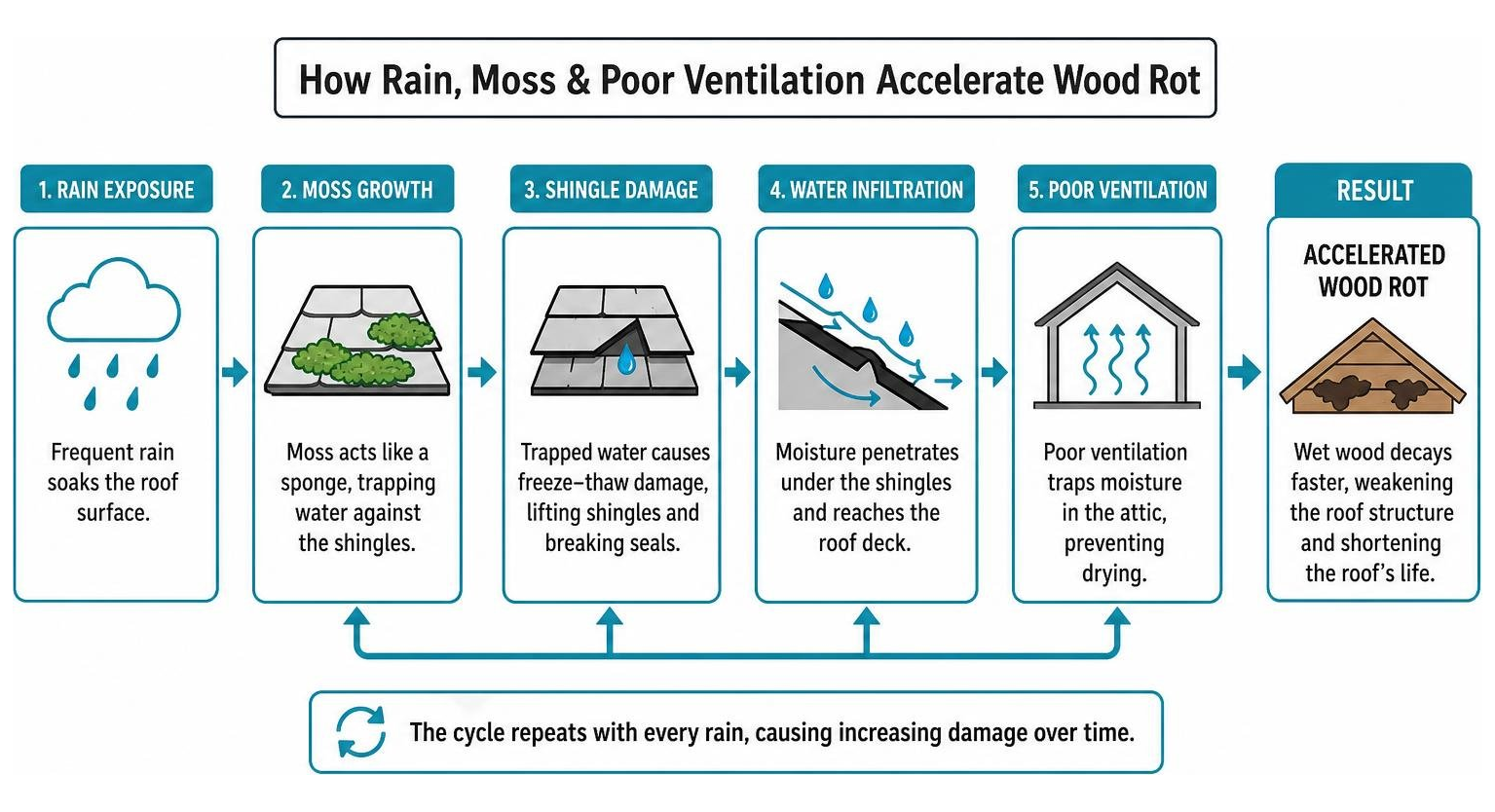
  • Moss and Algae Growth: The Pacific Northwest’s moist environment encourages moss and algae. While algae primarily affects curb appeal, moss can lift shingles and trap moisture, causing direct damage.
  • Energy Efficiency: An aging roof with poor insulation and ventilation can lead to heat loss in winter and heat gain in summer. Upgrading to modern materials and ensuring proper attic ventilation can improve home comfort and reduce energy consumption.
  • Preparing a Home for Sale: A new roof boosts curb appeal and addresses potential buyer concerns, making a home more attractive on the real estate market and signaling good maintenance.

For a deeper dive into the specifics of roof remodels custom for our region, you can explore our Roof Remodels Portland, OR Guide.

Repair vs. Replacement: Making the Right Call

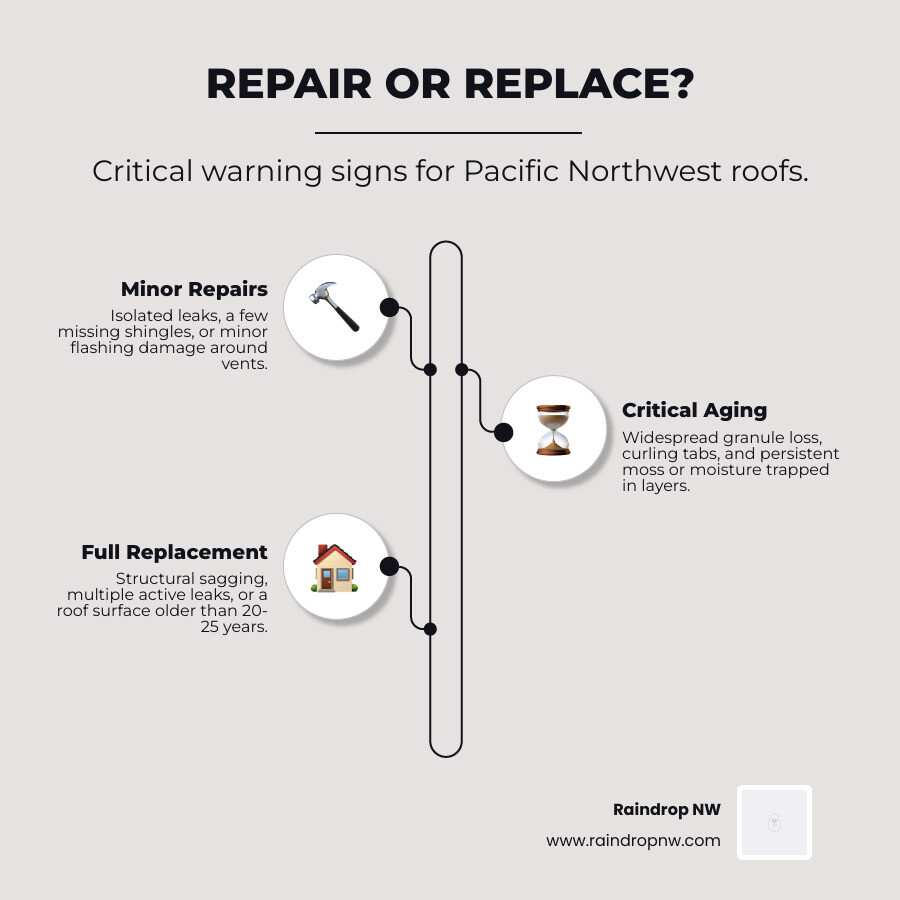
Deciding between a roof repair and a full replacement is a critical decision for any Portland homeowner. The choice depends on the roof’s overall condition, age, and the extent of the damage.

When to Consider a Repair: A repair may be sufficient for isolated issues on a relatively new roof.

  • Missing Shingles: If strong winds have removed a few shingles but the rest of the roof is sound, a simple replacement can solve the problem.
  • Minor Leaks: A single, small leak can often be traced to loose flashing or a damaged shingle and repaired without extensive work.
  • Localized Damage: Damage from a fallen branch or other incident that affects only a small area can typically be repaired.

When to Consider a Replacement: A full replacement is often the best long-term solution when signs of widespread failure appear.

  • Advanced Age (20+ years): Most asphalt roofs last 15-25 years. If your roof is in or beyond this age range, it’s likely nearing the end of its life.
  • Widespread Granule Loss: Finding significant amounts of shingle granules in your gutters indicates that the shingles are losing their protective layer and deteriorating.
  • Sagging Roof Deck: A visible dip in the roofline or a sagging ceiling points to structural issues that require a full replacement to ensure your home’s safety.
  • Curled or Decaying Shingles: If shingles across the roof are curling, cracking, or showing signs of decay, the material has lost its integrity.
  • Multiple Leaks: Leaks in several different areas suggest systemic failure, making a replacement the most effective solution.

To help you visualize the distinction, here’s a quick comparison:

Sign of Roof Problem Indication for Repair Indication for Full Roof Replacement
Missing Shingles Isolated, due to wind or impact. Widespread, indicating shingle brittleness or age.
Leaks Single, localized leak near a penetration or specific damage. Multiple leaks in various areas, suggesting general failure.
Granule Loss Minimal, from one or two damaged shingles. Significant amounts in gutters, bare spots on many shingles.
Shingle Condition Minor cracks or curling on a few shingles. Widespread cracking, curling, or decaying across the roof.
Roof Age Roof is relatively young (under 15 years). Roof is 20+ years old and showing signs of wear.
Roof Deck/Structure No visible sagging or structural compromise. Visible sagging of the roofline or ceiling.
Moss/Algae Growth Manageable, surface-level growth. Deeply embedded, causing shingle lifting or deterioration.

A professional inspection by experienced roof remodels contractors in portland, or is the best way to determine the most appropriate course of action for your home.

Finding and Vetting Premier Roof Remodels Contractors in Portland, OR

Choosing the right roof remodels contractors in portland, or is paramount to the success and longevity of your project. In a city like Portland, you need a partner who understands the unique challenges of our climate and delivers quality. The benefits of choosing a local expert include a deep understanding of local building codes, experience with the Pacific Northwest climate, and a commitment to community accountability.

Our vetting process is designed to ensure you’re working with a contractor who is not only skilled but also reliable and trustworthy. This involves checking credentials, scrutinizing reviews, and understanding the warranties they offer.

Must-Have Credentials for Portland Contractors

When you’re entrusting your home’s protection to a contractor, their credentials speak volumes about their professionalism. Here’s what we recommend looking for:

  • Oregon Construction Contractors Board (CCB) license: This is non-negotiable. Any legitimate contractor operating in Oregon must be licensed with the CCB. This license ensures they meet state-mandated requirements. Always verify their license number.
  • Proof of insurance: A reputable contractor should carry both liability insurance and worker’s compensation insurance. Liability insurance protects your property from accidental damage, while worker’s compensation covers their employees if an injury occurs.
  • Manufacturer certifications (e.g., GAF Master Elite): These certifications are a strong indicator of a contractor’s expertise. For instance, the GAF Master Elite® certification is awarded to less than 2% of North American contractors, signifying a commitment to the highest standards in sales, service, and installation. Certified contractors can also offer improved manufacturer warranties.

For more insights into selecting the right professionals for your project, you can refer to our Best Roof Remodels in Portland, OR guide.

The Value of a Truly Local Portland Roofing Expert

As a local, independently owned roofing company, we are deeply committed to long-term service and accountability. This local connection offers distinct advantages for homeowners:

  • Knowledge of local building codes: Our team is familiar with the specific building codes and permitting requirements throughout the Portland Metro Area, including Portland, Tigard, Hillsboro, and Vancouver, ensuring your project is compliant.
  • Experience with PNW climate: We have years of hands-on experience with Portland’s weather—persistent rain, freeze-thaw cycles, and moss growth. We understand which materials and installation techniques perform best in our environment.
  • Familiarity with regional material suppliers: Local contractors often have established relationships with regional suppliers, ensuring access to high-quality materials and efficient project timelines.
  • Community accountability: As a local business, our reputation is built within the community we serve. We rely on referrals from our neighbors in Portland, Gresham, Beaverton, and surrounding areas, which fosters a strong commitment to customer satisfaction.

Choosing a local expert means choosing a partner who understands your home’s needs. You can learn more about our local commitment and services in Portland, OR.

The Anatomy of a High-Quality Roof Remodel Project

A high-quality roof remodel is more than just new shingles. It’s a carefully executed project involving material selection, a precise installation process, and thorough cleanup and inspection. We approach every project understanding that the roof is a complex system where each component is vital.

Best Roofing Materials for Portland’s Climate

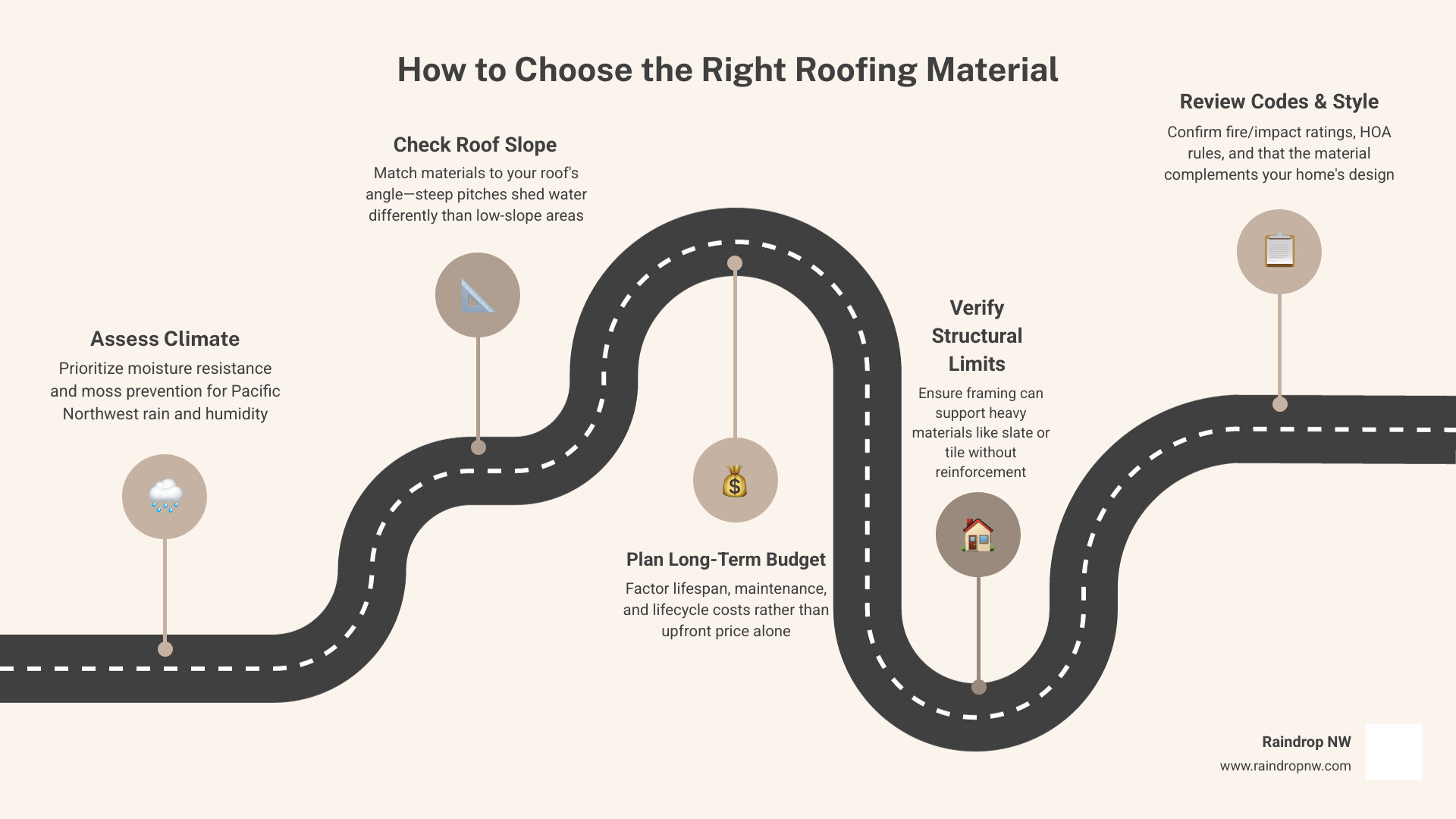
Selecting the right material is crucial for longevity in Portland’s climate. We guide homeowners through options, considering durability, moss resistance, and aesthetics.

  • Architectural Asphalt Shingles: A popular choice in Portland, these are more durable and aesthetically pleasing than traditional shingles, often mimicking wood or slate.
    • Pros: Available in a wide range of styles and colors, good impact resistance, and some shades can reflect sunlight to improve energy efficiency. Many quality brands like GAF, CertainTeed, and Pabco are available. They are generally easier to install and repair.
    • Cons: Lifespan of 15 to 25 years (though high-end options last longer), can be susceptible to moss and algae growth (though many now come with algae-resistant granules), and are less durable than metal or tile.
  • Standing Seam Metal Roofing: This option is gaining popularity for its modern look and exceptional durability.
    • Pros: Extremely long lifespan (often 40-70 years), excellent resistance to rain, wind, and fire, naturally sheds snow and ice, requires little maintenance, and is highly energy-efficient.
    • Cons: Can be noisy during heavy rain or hail, and color fading can occur over many decades.
  • Cedar Shake Roofing: For a classic, natural look, cedar shakes are a beautiful option for many Pacific Northwest homes.
    • Pros: Natural aesthetic appeal, made from a renewable resource, offers good insulation, and can resist strong winds.
    • Cons: Requires more maintenance (regular cleaning and sealing), is susceptible to moss and rot if not properly maintained, has a higher fire risk (though some are treated), and has a lifespan of around 25 years.

We always recommend materials and systems designed for our wet winters and moss-prone environment.

The Typical Process with a professional roof remodels contractors in portland, or

With experienced roof remodels contractors in portland, or, the process is streamlined and transparent. Here’s what you can expect:

  1. Initial Consultation and Inspection: We start with a comprehensive assessment of your current roof’s condition, discussing your needs and aesthetic preferences. We provide a detailed summary of the work required.
  2. Design-Build Approach: For complex projects, our design team can work with you to create precise, build-ready plans, including 3D renderings and material selection sheets, before construction begins. This ensures all details are planned, from shingle color to ventilation, and can integrate elements like Balconies in Portland, OR or Flat Decks in Portland, OR.
  3. Material Selection: We guide you in choosing the best roofing materials for your home and our climate.
  4. Permit Acquisition: We manage all required permits with local authorities in Portland and surrounding areas.
  5. Tear-Off and Installation: Our crews carefully remove old roofing materials, keeping the job site clean. The new roof is then installed with precision, focusing on underlayment, flashing, and proper attic ventilation.
  6. Site Cleanup: Upon completion, our team performs a thorough cleanup, removing all debris.
  7. Final Inspection: We conduct a final inspection to ensure the project meets our highest standards and your satisfaction.

Beyond Shingles: The Importance of a Complete System

A high-quality roof is a complete system of interconnected components.

  • Attic Ventilation: Proper ventilation regulates temperature and moisture, preventing ice dams in winter and releasing trapped heat in summer. It also reduces moisture buildup, preventing mold and rot.
  • Proper Insulation: Working with ventilation, adequate attic insulation is key to energy efficiency. It acts as a barrier, preventing heat transfer. Upgrading your insulation’s ‘R’ value can drastically improve comfort and reduce energy consumption. We often recommend considering blown-in insulation during a roof remodel for maximum benefit.
  • Ice and Water Shield: This self-adhering membrane is installed in vulnerable areas like eaves and valleys, providing an extra layer of waterproofing against ice dams and wind-driven rain.
  • Underlayment: Applied to the roof sheathing, underlayment provides a secondary barrier against moisture. Since the roof sheathing (decking) is the foundation of the roofing system, compromised sheathing can lead to moisture collection and sagging ceilings, so a sound underlayment is vital.
  • Flashing: Metal pieces installed at junctures like chimneys and vents direct water away from vulnerable areas, preventing leaks.
  • Gutters: A functioning gutter system is essential for managing rainwater runoff, directing water away from your home’s foundation to prevent erosion and leaks.

Considering all these components ensures your new roof is a robust, long-lasting system. For more comprehensive guides on exterior systems, you might find our Flat Decks Service Portland, OR Guide useful.

Frequently Asked Questions About Portland Roof Remodels

We understand that a roof remodel is a significant decision. Here, we address some of the most common questions from Portland homeowners.

What kind of warranties should I expect from roof remodels contractors in portland, or?

Reputable roof remodels contractors in portland, or typically offer two main types of warranties:

  • Workmanship Warranty: This covers the quality of the installation itself, guaranteeing the work is free from defects. We, for example, offer a 10-year workmanship warranty on re-roof projects.
  • Manufacturer Material Warranty: This covers the roofing materials against manufacturing defects. The duration varies by product. For instance, GAF offers up to a 50-year warranty on their Lifetime Shingles. Many top manufacturers like GAF, CertainTeed, and Owens Corning offer excellent material warranties.
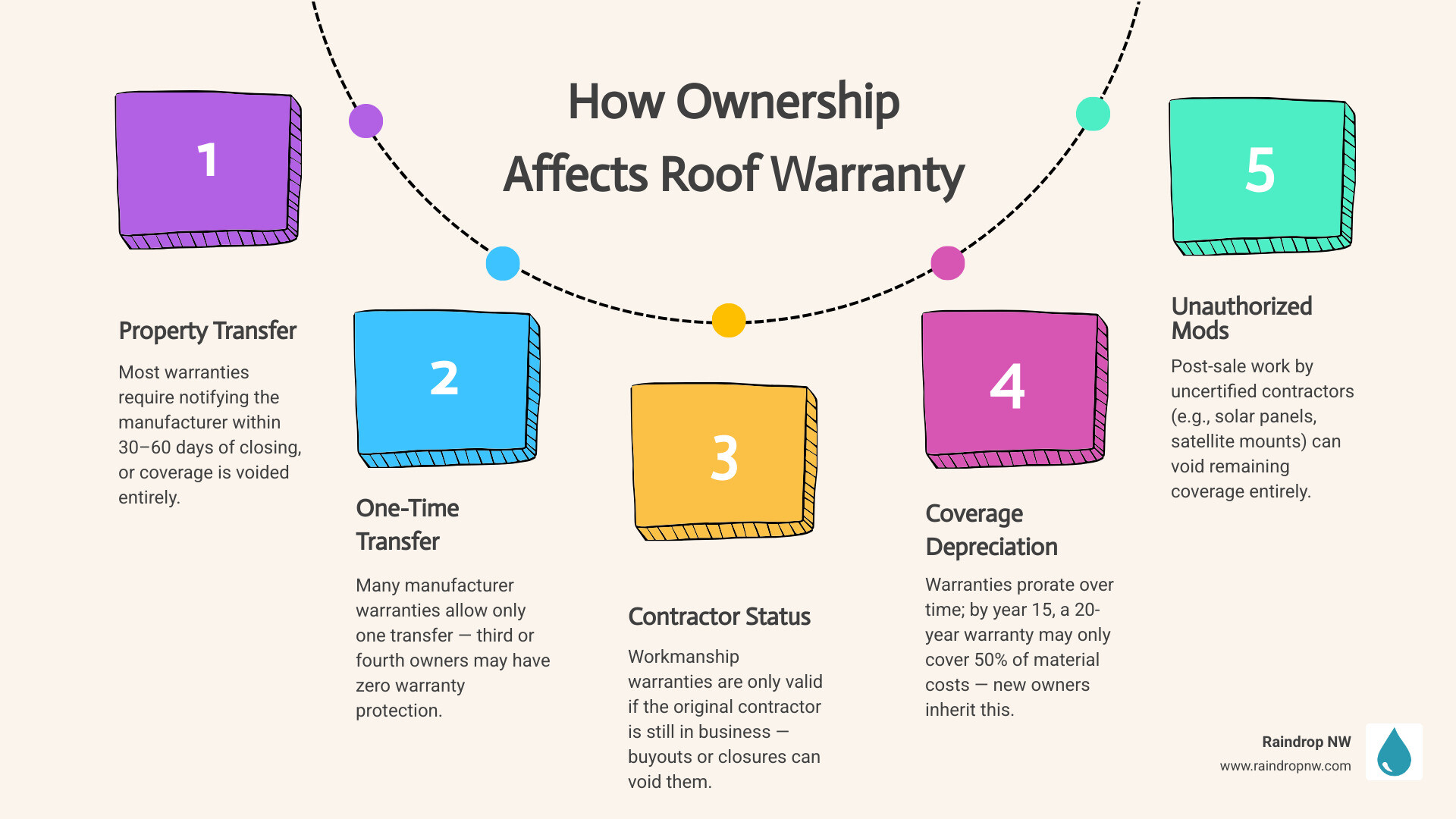
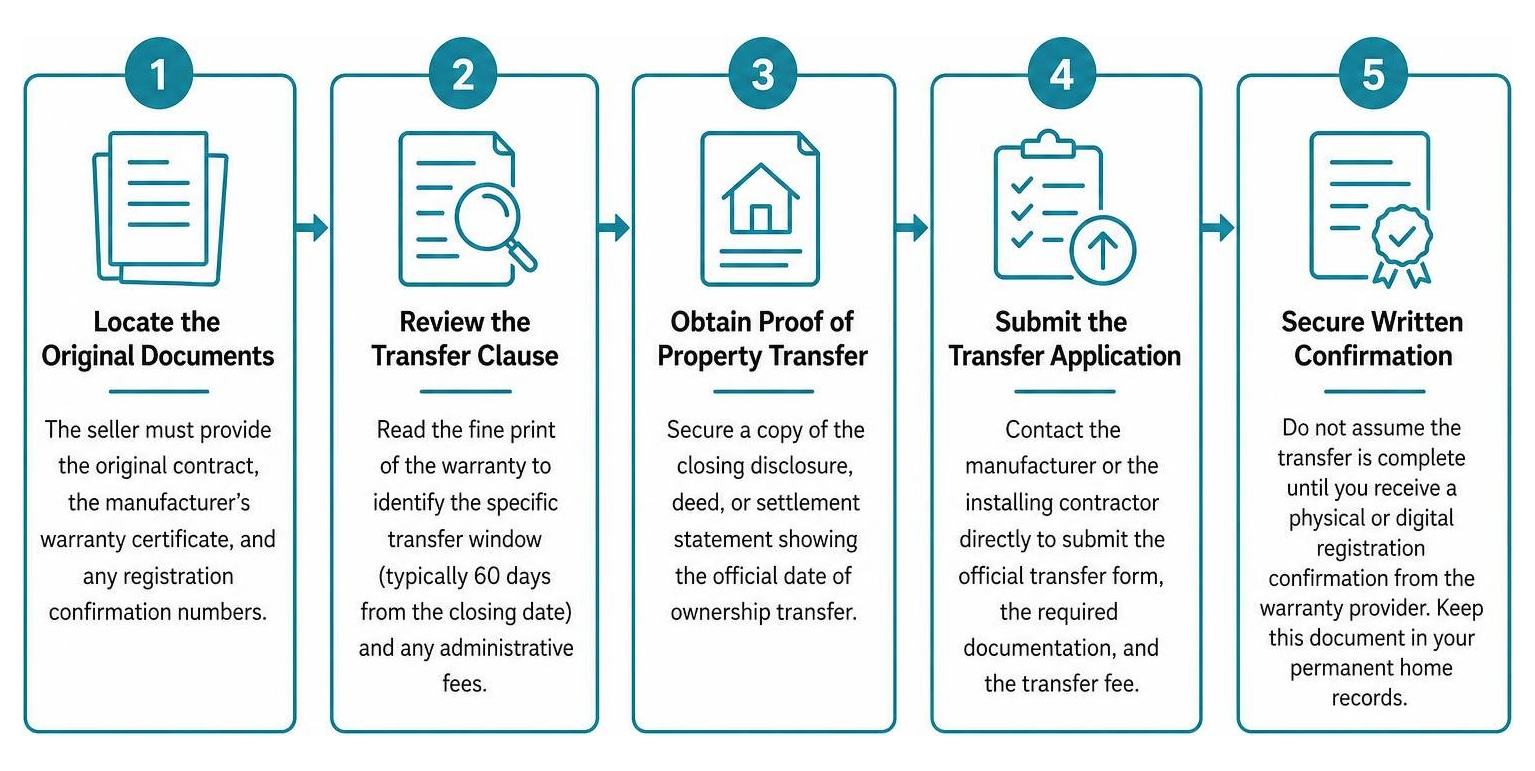
  • Warranty Transferability: It’s also wise to inquire if warranties are transferable to a new homeowner, as this can be a significant selling point.

Always read the warranty details to understand what is covered, for how long, and what might void it. For urgent roof concerns, our Emergency Roof Remodels Portland, OR Guide can provide immediate insights.

How long does a new roof typically last in the Pacific Northwest?

The lifespan of a new roof in the Pacific Northwest depends on the material, installation quality, and maintenance.

  • Asphalt Shingles: Standard shingles typically last 15 to 25 years. High-end architectural shingles can last 30 to 50 years.
  • Wood Roofs (Cedar Shake): With proper maintenance, cedar shake roofs generally last around 25 years.
  • Composite Roofs: These durable options can have a lifespan of 30 years or more.
  • Flat Roofs: These typically last around 10 to 20 years, depending on the material.
  • Metal Roofs: Standing seam metal roofs are renowned for their longevity, often lasting 40 to 70 years.

Regular inspections, gutter cleaning, and prompt repairs can significantly extend the life of any roof in our climate.

How do proper attic insulation and ventilation affect my new roof?

Attic insulation and ventilation are crucial for your home’s comfort, energy efficiency, and your roof’s longevity.

  • Prevents Ice Dams: In winter, proper insulation and ventilation keep the roof deck cold, preventing snow from melting and refreezing at the eaves, which forms destructive ice dams.
  • Reduces Moisture Buildup: Ventilation flushes warm, moist air from the attic, preventing condensation that can lead to mold, mildew, and wood rot.
  • Improves Energy Efficiency: Effective insulation prevents heat transfer, keeping your home more comfortable year-round. This reduces the workload on your HVAC system and can lead to significant energy savings.
  • Extends Roof Lifespan: By preventing ice dams and moisture damage, proper insulation and ventilation protect roofing materials from premature deterioration, helping your new roof reach its maximum expected lifespan.

For comprehensive assessments of your home’s exterior and interior systems, our Best Commercial Estimates and Inspections Company in Portland, OR also offers residential insights.

Secure Your Home with a Trusted Local Partner

A roof remodel is a significant investment in your home’s future, and choosing the right roof remodels contractors in portland, or is the most crucial step. We’ve explored why remodels are needed, how to choose between repair and replacement, and the importance of vetting a local expert. We’ve also dived into the best materials for our climate and the process for a high-quality roof.

A successful remodel is about a complete system—including insulation, ventilation, and gutters—installed with precision.

Our key takeaway is this: vetting is vital. Look for contractors with proper Oregon CCB licensing, comprehensive insurance, and manufacturer certifications like GAF Master Elite. Prioritize local businesses that understand Portland’s climate and building codes. These partners offer community accountability and stand behind their work.

By choosing quality materials and trusted local professionals, you’re not just getting a new roof; you’re securing your home’s long-term value, comfort, and safety. We are committed to helping you make informed decisions.

If you’re considering a roof remodel or other exterior improvements, including services like From Dream to Deck: Finding Professional Balcony Services in Portland, we invite you to reach out. Contact us for your Portland roofing needs today and let us help you build a lasting, beautiful roof for your home.

https://www.raindropnw.com/wp-content/uploads/2026/04/71239db25ad2ad41fe9e0b3c5c077756682424ca.jpg 1024 1536 SEO Stats https://www.raindropnw.com/wp-content/uploads/2024/05/logo-raindrop-space-300x92.png SEO Stats2026-04-15 01:32:582026-04-15 01:32:58From Local Experts to Lasting Roofs: Choosing the Best Remodelers in Portland

Portland Roof Additions: What You Need to Know Before You Build

Roofing

Understanding Roof Additions in Portland

Roof additions in portland, or offer homeowners a strategic way to expand their living space without building out. Whether you’re considering a dormer, second-story addition, or rooftop living space, understanding your options and Portland’s unique building requirements is essential before breaking ground.

What You Need to Know About Roof Additions:

  • Types of additions – Dormers, second stories, attic conversions, and rooftop decks or ecoroofs
  • Permit requirements – Building permits are mandatory; projects over 500 sq ft may trigger Portland’s Major Residential Alteration and Addition (MRAA) ordinance
  • MRAA delays – A 35-day notification period is required for qualifying projects
  • Key considerations – Structural integrity, Portland’s climate (40″ average rainfall), energy efficiency, and zoning compliance
  • Professional help – Licensed contractors familiar with Portland codes and MRAA requirements are critical

Portland’s building regulations are specific and detailed, particularly when it comes to major alterations and additions. The city’s MRAA ordinance requires advance notification to neighbors and recognized organizations for projects that add more than 500 square feet of new interior space while expanding the structure’s footprint or envelope. Structural changes like removing more than 50% of exterior walls also fall under these rules. Beyond permitting, you’ll need to consider Portland’s rainy climate, seismic requirements, stormwater management, and energy efficiency standards that apply to additions over 225 square feet.

Working with a local contractor who understands these requirements can save you months of delays and significant mistakes. If you’re planning major work on your home, check out our complete guide to residential roofing services, or explore our specialized remodels and additions services to see how we can help.

I’m Torrey Yungeberg, owner of Raindrop NW in Boring, Oregon, and I’ve spent years helping local homeowners steer complex projects like roof additions in portland, or while honoring the family roofing tradition I grew up in. My team and I work closely with clients to ensure every detail—from planning and permitting to final inspection—is handled with care, transparency, and a deep commitment to our community.

Infographic showing the basic steps of a roof addition project in Portland: Step 1 - Plan and Design (1-3 months, consult with architect and contractor), Step 2 - Obtain Permits (2-4 months, submit plans to City of Portland, MRAA notification if applicable), Step 3 - Construction (3-6+ months, structural work, weatherproofing, inspections), Step 4 - Final Inspection and Approval (City of Portland sign-off) - roof additions in portland, or

Exploring Your Options: Types of Roof Additions

When considering roof additions in portland, or, homeowners have a variety of options, each offering unique benefits and design possibilities. The primary benefits of adding a roof addition include increasing living space, improving aesthetics, and potentially enhancing energy efficiency. We can help you explore which type best suits your home and needs.

Dormer Additions

Dormers are structural additions that project vertically from the slope of a pitched roof, creating additional usable space and often introducing natural light and ventilation to the floor below. They are an excellent way to expand an attic into a habitable room.

  • Shed Dormers: These have a single-pitched roof that slopes in the same direction as the main roof but at a shallower angle. They typically provide the most interior space and can offer contemporary aesthetics.
  • Gable Dormers: Featuring a small gable roof, these are common and often blend seamlessly with traditional home styles. They add character and light but usually offer less interior space than shed dormers. Converting an attic into a living space, often facilitated by dormer additions, requires careful planning. We need to ensure the existing attic floor and supporting structures are adequate for new live loads and that new spaces meet building codes for ceiling height, egress, and insulation. The City of Portland provides detailed guidelines for Converting Attics, Basements and Garages to Living Space.

Attic Conversions

Beyond just adding dormers, a full attic conversion transforms previously unused space directly under your roof into functional living areas. This can include bedrooms, home offices, or playrooms. This type of addition can significantly increase your home’s square footage without expanding its footprint. Key considerations include structural reinforcement, insulation, and ensuring adequate head height and egress pathways.

Second-Story Additions

For homes that need a significant increase in space, a second-story addition involves building an entirely new level on top of the existing structure. This is a major undertaking that requires extensive structural assessment to ensure the foundation can support the added weight. It offers the most dramatic increase in living space and allows for entirely new floor plans and room configurations.

Rooftop Living Spaces

Changing your roof into an outdoor living area is a growing trend, especially in urban environments like Portland.

  • Decks: A rooftop deck can provide valuable outdoor entertaining space with unique views. This requires significant structural reinforcement, proper waterproofing, and adherence to railing height and safety codes.
  • Patios: Similar to decks, rooftop patios can be designed as extensions of indoor living, offering a serene escape.
  • Ecoroofs: Also known as green roofs, ecoroofs replace conventional roofing with a living, vegetated system. They are not only aesthetically pleasing but also offer significant environmental benefits. Ecoroofs can extend the garden to the roof, insulate the building, cool the air, capture rainwater, and reduce stormwater runoff. They can even create habitat for native species. While conventional roofs typically last about 20 years, a green roof can last 40 years or more. These can be integrated into rooftop decks or stand alone.

Bump-Outs

While not strictly a “roof addition” in the sense of adding an entire new level, bump-outs are smaller additions that extend from the side of a house, often with a dedicated roof structure, to expand a single room. They can provide extra square footage, often adding bay windows, seating nooks, or expanding a kitchen or bathroom.

Each of these options presents unique opportunities and challenges. Our team can help you assess the feasibility of each type of addition for your specific home and property.

Navigating Portland’s Permitting and Regulations for Roof Additions

Undertaking roof additions in portland, or means navigating a specific and detailed permitting landscape. The City of Portland has regulations designed to ensure safety, maintain neighborhood character, and address environmental concerns.

A building permit is always required for an addition to one or two-family dwelling units, especially if you’re making structural changes like adding a dormer, a second floor, or expanding the footprint. Depending on your project, you may also need electrical, mechanical, or plumbing permits. You can start the application process online with DevHub, the city’s permitting portal: Apply for a permit now on DevHub. For a comprehensive overview of what’s required, review the city’s Residential Additions in Portland: Permits and Application Requirements.

One of the most critical regulations to understand is the Major Residential Alteration and Addition (MRAA) Ordinance. This ordinance applies to residential structures with a residential Comprehensive Map Designation. If your project falls under MRAA, it triggers additional requirements, including a mandatory 35-day delay period before a permit can be issued. During this time, neighbors and recognized organizations are notified. You can find more details on these specific requirements at Major Residential Alteration and Addition Permit Requirements. To identify properties that need notification, such as those next to or across the street from your site, you can use www.PortlandMaps.com.

Understanding MRAA Thresholds for roof additions in portland, or

The MRAA ordinance defines specific thresholds that determine if your roof addition project is considered “major.” Understanding these definitions is crucial for planning your project and avoiding unexpected delays.

  • Major Addition Definition: A major addition is defined as adding more than 500 square feet of new interior space and expanding the structure’s footprint or envelope. This means if you’re adding a second story or a large dormer that pushes out the roofline, and it creates over 500 square feet of new interior space, your project will be subject to MRAA rules. The MRAA Brochure provides further clarification.
  • Major Alteration Definition: Even if you’re not expanding your footprint, a project can be deemed a major alteration if it involves removing more than 50% of the exterior walls above the foundation. This applies to linear feet calculations per story.
  • Exemptions: Not all additions fall under MRAA. For example, detached Accessory Dwelling Units (ADUs) are generally exempt. Also, converting existing unfinished basements or attics to living space without altering exterior walls or the structure’s footprint/envelope is not considered a major alteration or addition, even if it adds more than 500 square feet of interior space. This is because the exterior envelope remains unchanged.

The 35-day delay period before a permit can be issued for MRAA projects is a critical factor in your project timeline. During this period, plans can be reviewed, but no work can begin. This notification process ensures transparency and allows neighbors and community organizations to be informed.

Key Code Requirements for Your Project

Beyond MRAA, several other code requirements will impact your roof additions in portland, or project:

  • Energy Efficiency: Portland is committed to energy conservation. For additions that increase the floor area of the house, new windows or doors must meet current code requirements for energy conservation. Specifically, if your addition adds 225 square feet or more of new, heated space, your plans must specify at least one “Additional Measure” energy upgrade. You can visit the Oregon Residential Energy Code for tables on Additional Measures to understand these requirements.
  • Stormwater Management: Portland’s climate means we pay close attention to water runoff. Projects involving additions that add more than 500 square feet of impervious area (like a new roof over an expanded footprint or a large rooftop deck) require specific stormwater management plans. This could involve rain gardens, permeable paving, or other solutions to manage runoff on-site.
  • Zoning and Site-Specific Rules: Your property’s zoning and specific site characteristics will influence what you can build. This includes height restrictions, setbacks from property lines, and impervious surface limits. If your site is in a Flood Hazard Area, additional submittal requirements will apply. You can check flood plain information on the PortlandMaps Flood Hazard gallery and contact Site Development for details. All projects must adhere to the Oregon Residential Specialty Code (ORSC) and Portland City Code Title 33 Zoning Code.
  • Structural Code: The ORSC also dictates structural requirements, including lateral load analysis to ensure your addition can withstand wind and seismic forces, which is particularly important in our region.

Key Considerations for Successful Roof Additions in Portland, OR

A successful roof addition project in Portland requires careful consideration of structural integrity, our unique climate, design aesthetics, energy performance, and project timelines.

Structural Integrity and Portland’s Climate

Any roof additions in portland, or will significantly impact your home’s structural integrity.

  • Structural Load Path: We must ensure the added weight of the new structure is safely transferred through walls and beams down to the foundation. This requires a thorough assessment of your existing foundation and framing. For attic conversions, for example, engineering calculations are crucial to ensure continuity of the load path to the foundation, as beams might be overstressed. Seismic reinforcement, like bolting your house to its foundation, is also recommended, especially when finishing basements. For prescriptive methods of lateral bracing, tools like the APA Wall Bracing Calculator can be used.
  • Weatherproofing: Portland receives an average of 40 inches of rainfall each year, making superior weatherproofing paramount. This includes meticulous flashing around all penetrations and transitions, high-quality underlayments, and robust waterproofing membranes to prevent moisture intrusion. Our expertise in local weather patterns ensures your addition is built to last against the elements.
  • Material Selection: Choosing the right materials is critical for durability, aesthetics, and performance in our climate. Here’s a comparison of common roofing materials for additions:
Material Durability (Lifespan) Maintenance Suitability for Portland
Asphalt Shingles 20-30 years Moderate (regular cleaning, moss control) Good. Most common residential choice. Must be rated for wind and algae resistance. Susceptible to moss growth in damp conditions, which needs to be managed.
Metal Roofing 40-70+ years Low (periodic cleaning) Excellent. Highly durable against rain, wind, and moss. Offers superior longevity and energy efficiency (especially cool metal roofs). Available in various styles to match aesthetics.
Green Roofs 40+ years Moderate (plant care, drainage checks) Excellent for environmental benefits. Captures rainwater, insulates, reduces urban heat island effect. Requires specialized structural support, waterproofing, and plant selection suitable for our climate. Offers unique aesthetic and ecological value, especially for rooftop living spaces.

Other materials like cedar shakes, tile, or TPO/EPDM membranes (often seen on low-slope commercial roofs but applicable to some residential designs) are also options, each with their own benefits and considerations.

Design, Energy Efficiency, and Project Timeline

Thoughtful design and energy performance are integral to any successful roof addition.

  • Architectural Integration: A well-designed addition should seamlessly integrate with your existing home’s architectural style. Whether matching historical details or creating a striking modern contrast, the goal is to improve your home’s overall aesthetics. Incorporating natural light through strategically placed windows and skylights can transform the new space, making it feel open and inviting.
  • Improving Energy Performance: Roof additions offer an opportunity to significantly improve your home’s energy efficiency. This includes ensuring proper insulation R-values in walls, ceilings, and floors (e.g., R-15 for new exposed framing). Adequate ventilation is crucial, especially when adding insulation to roofs, to prevent moisture buildup and maintain indoor air quality. Incorporating cool roof technologies, which reflect more sunlight, can help lower indoor temperatures and improve comfort, even in Portland’s milder summers. New windows and doors in the addition must meet current energy conservation codes.
  • Typical Project Timeline: The timeline for roof additions in portland, or can vary significantly based on complexity, city review times, and contractor availability. Here’s a general breakdown:
    • Design & Engineering: 1-3 months (working with architects and structural engineers)
    • Permitting: 2-4 months (this can be longer if MRAA is triggered, requiring the 35-day notification period)
    • Construction: 3-6+ months (depending on the size and complexity of the addition)
    • Final Inspections: 1-2 weeks (city inspections at various stages and final sign-off)

We strive to keep our clients informed at every stage, providing realistic timelines and transparent communication.

Finding the Right Professional for Your Project

Choosing a qualified and experienced contractor is perhaps the most critical step for a successful roof addition. Our team is dedicated to providing top-notch service and expertise for your project.

What to Look for in a Portland Contractor

  • Licensing and Insurance: Always verify that your contractor is properly licensed and insured. In Oregon, this means checking with the Oregon Construction Contractors Board (CCB). You can visit the CCB website to verify their credentials and ensure they are in good standing. This protects you from liability and ensures quality workmanship.
  • Local Experience: A contractor familiar with Portland’s specific building codes, zoning regulations, and the MRAA ordinance is invaluable. Our team has extensive experience navigating these local requirements, ensuring your project complies with all city and state guidelines. We understand the nuances of MRAA projects and the notification process.
  • Reputation and Reviews: Look for contractors with a strong local reputation. Check online testimonials, review their portfolio of past projects, and ask for references. Our commitment to quality and customer satisfaction is reflected in our long history of serving homeowners in Portland and surrounding areas.

Important Safety and Environmental Considerations for roof additions in portland, or

Safety and environmental compliance are paramount, especially for projects involving older homes.

  • Asbestos and Lead Paint: If your home was built before 1978, there’s a possibility of encountering lead-based paint. If built earlier, or if certain materials were used, asbestos could also be present. Disturbing these materials requires specialized handling and disposal. The Oregon Department of Environmental Quality (DEQ) handles asbestos requirements, and you can call them at 503-229-5982 or email deqnwrasbestos@deq.state.or.us. For lead-based paint, if a contractor is doing the work, they must follow rules set by the Oregon Construction Contractors Board (CCB) (call 503-934-2229 or visit the CCB website). If you, as a homeowner, are doing your own work, the Oregon Health Authority (OHA) provides guidance (call 971-673-0440 or visit the OHA website for lead paint info).
  • Worker Safety: Any construction project involves risks. Ensure your contractor adheres to all worker safety regulations set by the Oregon Occupational Safety & Health (OSHA). You can call them at 503-229-5910 or visit the OR OSHA website for more information. A reputable contractor will prioritize safety for their crew and your property.

Conclusion: Building Up in the Rose City

Roof additions in portland, or are a fantastic way to improve your home, providing much-needed space, improving aesthetics, and potentially boosting energy efficiency. Whether it’s a cozy dormer, a spacious second story, or a vibrant rooftop living area, the benefits can be transformative.

However, as we’ve explored, these projects require meticulous planning, a deep understanding of Portland’s unique regulatory environment—especially the MRAA ordinance—and a commitment to quality craftsmanship. Navigating permits, ensuring structural integrity in our seismic zone, managing stormwater, and adhering to energy codes are all part of the journey.

At Raindrop NW, we believe in building more than just additions; we build lasting relationships and homes that stand the test of time. Our local expertise and unwavering commitment to quality make us the ideal partner for your next roof additions in portland, or project. We’re here to guide you through every step, ensuring a smooth, compliant, and satisfying experience from concept to completion.

Ready to explore your roof addition options? Learn more about our remodeling and addition services.

https://www.raindropnw.com/wp-content/uploads/2026/04/c81ca2cc6b6e42022a071400ab02b2a608013212.jpg 1024 1536 SEO Stats https://www.raindropnw.com/wp-content/uploads/2024/05/logo-raindrop-space-300x92.png SEO Stats2026-04-14 14:32:262026-04-14 14:32:26Portland Roof Additions: What You Need to Know Before You Build

The Importance of Regular Inspections for Low-Slope Roofs

Low Slope Roofing, Roof Inspections, Roofing

Low-slope roofs, often referred to as flat roofs, are defined as having a pitch below 2:12. In other words, for every 12 inches of horizontal distance, the roof rises 2 inches vertically. While this design is most common in commercial buildings, it is also used in some residential construction. Because homeowners are less familiar with low-slope roofing, they may not realize the unique care these systems require. Regular inspections are one of the best ways to preserve performance, extend lifespan, and prevent costly damage.

Understanding Low-Slope Roofing Systems

Low-slope roofs differ significantly from steep-slope residential roofs. They cannot rely on gravity alone to shed water, which makes drainage systems, materials, and installation quality especially critical. Common materials used in low-slope roofing include:

  • Single-ply membranes like TPO, PVC, and EPDM

  • Modified bitumen roofing systems

  • Built-up roofing (BUR) made of layered asphalt and fabric

  • Coatings designed to protect and extend the roof’s life

Each of these systems has its own strengths, but all require ongoing care to perform well in the long run.

Why Low-Slope Roofs Need Extra Attention

Because low-slope roofs are nearly flat, they are vulnerable to standing water, leaks, and debris buildup. Even small punctures or clogged drains can quickly turn into larger issues if ignored. A building owner or homeowner might not see these problems from the ground, which is why professional inspections are essential.

The Role of Regular Inspections

Professional inspections for low-slope roofs should include:

  • Checking the membrane for punctures, cracks, or blisters

  • Inspecting flashings and seams for proper sealing

  • Clearing drains and scuppers to prevent water buildup

  • Looking for signs of ponding water or structural sagging

Catching these issues early helps prevent interior water damage and extends the life of the roof.

Maintenance Practices That Matter

Ongoing maintenance is just as important as inspections. Effective care includes:

  1. Removing debris like leaves, sticks, or trash that can block drainage.

  2. Resealing or repairing seams, joints, and penetrations as needed.

  3. Addressing ponding water promptly to prevent leaks or structural issues.

  4. Considering roof coatings to improve weather resistance and energy efficiency.

Benefits of Professional Low-Slope Roof Care

Consistent inspections and maintenance provide several advantages:

  • Extended roof lifespan by addressing issues before they spread

  • Reduced repair costs compared to emergency fixes after leaks occur

  • Improved property value by keeping the roof in top condition

  • Peace of mind knowing your roof is performing properly year-round

Partner with Low-Slope Roofing Experts

At Raindrop Roofing NW, we specialize in low-slope roofing inspections, maintenance, and repair in Beaverton, OR. Whether your roof is TPO, PVC, EPDM, or another system, our experienced team can help identify issues, provide tailored maintenance, and protect your property for the long term.

Contact Raindrop Roofing NW today at 503-526-3887 or fill out our online form to schedule your low-slope roof inspection. Let our experts ensure your roof remains watertight, durable, and dependable. We offer 3 year maintenance programs, as well as one-time services.

https://www.raindropnw.com/wp-content/uploads/2024/05/logo-raindrop-space-300x92.png 0 0 Torrey Yungeberg https://www.raindropnw.com/wp-content/uploads/2024/05/logo-raindrop-space-300x92.png Torrey Yungeberg2025-10-10 00:17:462025-10-10 00:18:22The Importance of Regular Inspections for Low-Slope Roofs

What Happens to Seeds and Debris Left in Your Gutters? Why Cleaning Gutters Is Important

Gutter Cleaning, Roof Maintenance, Roofing

As homeowners, we often think of gutters as just another part of the roofing system, occasionally remembering to check if they’re clear. Yet gutters play a critical role in protecting our homes from water damage. When seeds and debris accumulate in your gutters and aren’t promptly removed, they can create a host of problems, some of which may compromise the structural integrity of your home. Understanding what happens to seeds and debris left in your gutters, and why cleaning them is crucial can save you significant time, money, and stress in the long run.

The Consequence of Neglected Gutters

When gutters are neglected, debris such as leaves, twigs, and seeds builds up over time. This accumulation can form blockages, causing water to overflow. The overflowing water doesn’t simply disappear; it can seep through your roof, siding, and foundation, resulting in potential damage to each area. Additionally, the added weight of waterlogged debris can cause gutters to pull away from your home, leading to further damage and costly repairs.

Seeds Lead to Unwanted Growth

Seeds that land in gutters can germinate, resulting in plant growth within the gutter system itself. While this might seem harmless at first, plants can root deeply, dislodge gutter segments, and retain additional moisture. This increased moisture not only heightens the risk of water damage but can also accelerate wear and tear on your gutters, shortening their lifespan and necessitating earlier replacement.

Attracting Unwanted Pests

Debris-filled gutters can become a breeding ground for pests. Mosquitoes thrive in stagnant water, while rodents and birds may be drawn to gutters for shelter or nesting materials. These pests can pose health risks and may eventually find their way into your home, creating additional problems for homeowners.

The Importance of Regular Gutter Cleaning

Cleaning your gutters regularly at least twice a year, typically in late spring and early fall can prevent these issues. Regular maintenance ensures that water flows freely away from your home, protecting your roof, walls, foundation, and landscape from potential water damage. Clean gutters are also less likely to attract pests and will not support unwanted plant growth. This simple maintenance task plays a significant role in extending the lifespan of your gutters and safeguarding your home’s structural integrity.

Protect Your Home with Raindrop Roofing NW

Ensuring your gutters are free from seeds and debris is essential for the health of your home. At Raindrop Roofing NW, we understand the unique challenges faced by Beaverton, OR homeowners. Our professional gutter cleaning and maintenance services are designed to protect your home from the rainy Pacific Northwest weather, ensuring water flows efficiently away from your property without causing damage.

Schedule Your Gutter Cleaning Today

Don’t let neglected gutters put your home at risk. Contact Raindrop Roofing NW for expert gutter cleaning and maintenance. Our team is ready to ensure your gutters are in top condition, protecting your home year-round. Call us at 503-526-3887 or fill out our online form to schedule your service today.

https://www.raindropnw.com/wp-content/uploads/2025/10/gallery_raindrop-1-2_2_1757698839.jpg 342 512 Torrey Yungeberg https://www.raindropnw.com/wp-content/uploads/2024/05/logo-raindrop-space-300x92.png Torrey Yungeberg2025-10-03 13:00:012025-10-04 13:01:45What Happens to Seeds and Debris Left in Your Gutters? Why Cleaning Gutters Is Important

Why Metal Roofs Are Often Ideal for New Homes and Replacing Roofs on Older Homes

Residential Roofing, Roof Replacement, Roofing

When considering the best roofing options for either new construction or renovations on older homes, the benefits of metal roofing stand out for several compelling reasons. With exceptional durability, energy efficiency, and design versatility, metal roofs are a smart investment for homeowners looking to protect and enhance their property for the long term.

The Durability and Longevity of Metal Roofs

One of the most notable advantages of metal roofs is their incredible durability. Unlike traditional asphalt shingles, which typically require replacement every 20 years, metal roofs can last 50 years or more with minimal upkeep. They are engineered to endure extreme weather conditions, including strong winds, heavy rain, and hail. This level of resilience makes them particularly well-suited for areas prone to frequent storms. Additionally, metal roofs are both fire-resistant and pest-resistant, providing an added layer of protection for your home.

Energy Efficiency and Environmental Sustainability

Metal roofs contribute not just to durability but also to energy efficiency. Their reflective surfaces help reduce heat absorption during the summer months, keeping interior temperatures cooler and decreasing reliance on air conditioning. This results in noticeable energy savings over time. From an environmental standpoint, metal roofing is a sustainable option. Most metal roofing materials contain a significant amount of recycled content and are fully recyclable at the end of their lifespan, reducing landfill waste and supporting eco-conscious construction.

The Aesthetic Appeal of Metal Roofs

Modern metal roofing is far from industrial or utilitarian. Homeowners can now choose from a wide range of colors, finishes, and profiles that complement virtually any architectural style—from sleek contemporary homes to rustic farmhouses. Whether you’re constructing a new home or updating an older property, metal roofing offers design flexibility that enhances curb appeal.

Maintenance and Care for Metal Roofs

Despite their strength, metal roofs do require some maintenance to maximize their lifespan. Regular inspections can help identify any minor issues before they become larger problems. Occasional cleaning to remove leaves and debris, along with gutter maintenance, ensures water flows properly away from the roof. With just a little ongoing care, your metal roof will continue to perform and look great for decades.

Cost Considerations

While metal roofing often involves a higher upfront cost compared to traditional shingles, it pays off over time. The long life span, reduced maintenance, and energy efficiency of metal roofs can lead to significant long-term savings. For many homeowners, the investment is well worth it when considering the reduced need for roof repairs and replacements.

Ready to Explore Metal Roofing Options for Your Home?

Raindrop Roofing NW in Beaverton, OR is here to help. Our team of experts will guide you through the process of selecting and installing the ideal metal roof for your home. We understand the unique challenges of roofing in the Pacific Northwest and are committed to providing high-quality service and craftsmanship. Call us today at (503) 526-3887 or complete our online form to request an estimate. Let us help you protect and beautify your home with a durable, energy-efficient metal roof.

https://www.raindropnw.com/wp-content/uploads/2025/09/gallery_metal_1754428998-scaled.jpeg 1920 2560 Ryan Bowen https://www.raindropnw.com/wp-content/uploads/2024/05/logo-raindrop-space-300x92.png Ryan Bowen2025-09-26 15:19:532025-09-29 15:22:37Why Metal Roofs Are Often Ideal for New Homes and Replacing Roofs on Older Homes

Moss Can Harm the Shingles on a Roof

Roof Maintenance, Roofing, Roofing Services

Moss is more than just an aesthetic concern for homeowners. It poses a serious threat to the health and longevity of a roof. In areas where damp, shaded conditions are common, moss can easily take hold, especially on roofing surfaces that don’t receive much sunlight. Understanding how moss impacts your roof is key to preventing long-term damage and costly repairs.

The Detrimental Effects of Moss on Roofing

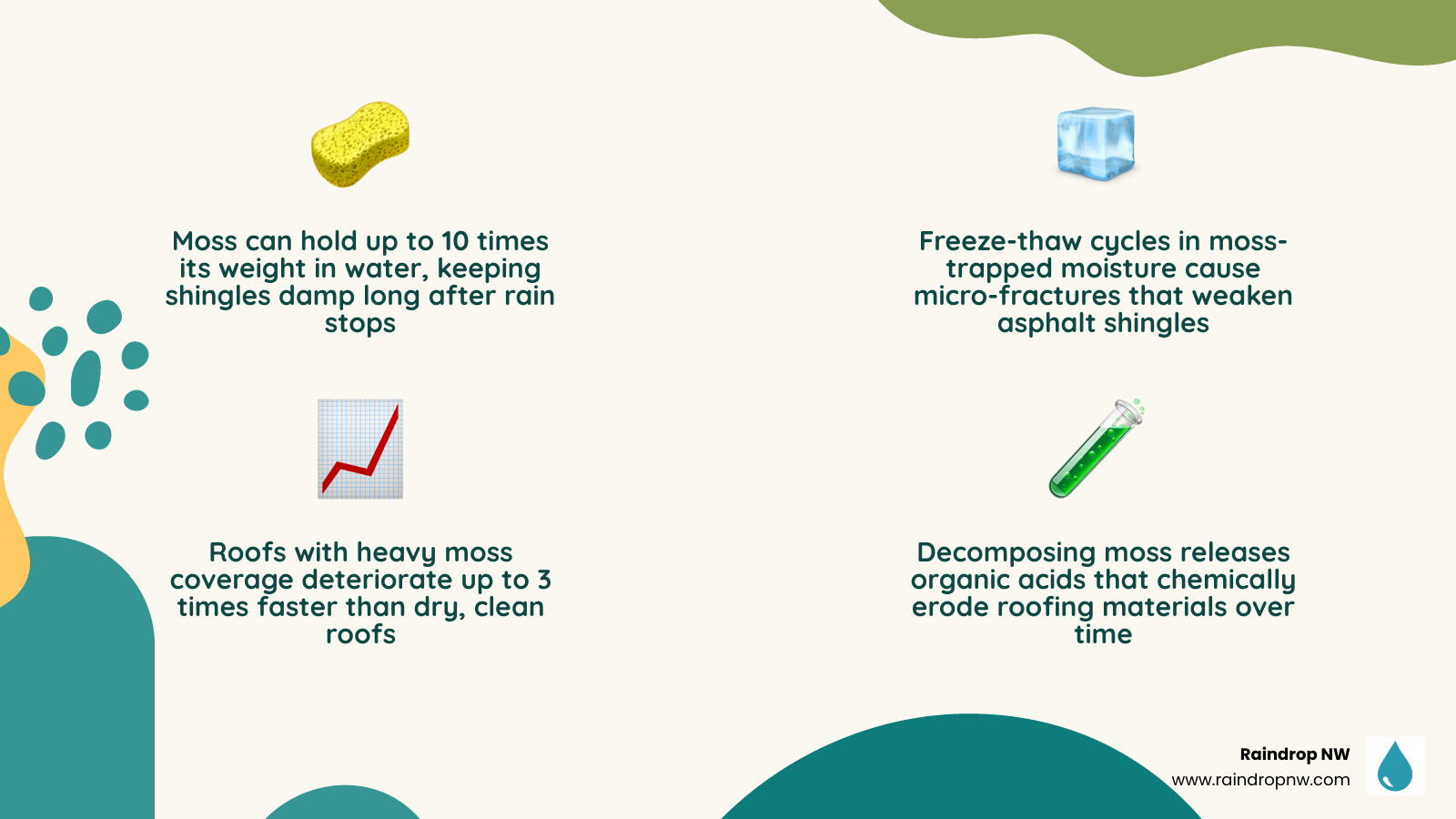
Moss can significantly shorten the lifespan of your roof. It thrives in moist environments and gradually forms a thick mat that traps moisture against the surface of your shingles or tiles. This prolonged exposure to moisture can:

  1. Rot wooden materials – including shingles and underlayment.

  2. Corrode metal roofing, weakening its protective layers.

  3. Dislodge tiles or shingles by undermining the adhesive or fasteners, making the roof more vulnerable to wind and rain.

Moisture Damage and Rot

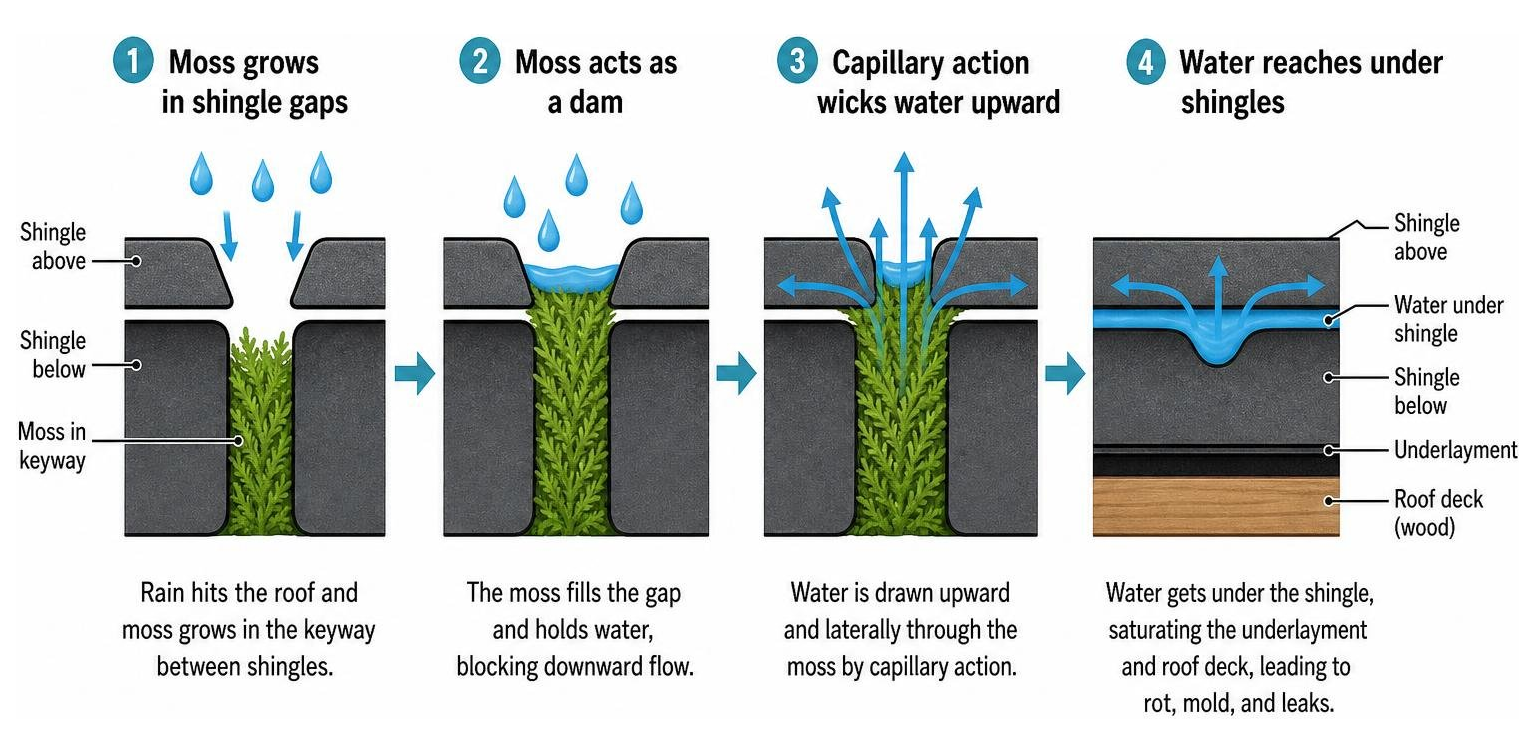
The sponge-like texture of moss allows it to retain a large amount of water. Over time, this trapped moisture can seep into wood-based roofing components and cause them to rot. As the structure weakens, the roof may sag or become unstable, requiring extensive repairs or a complete replacement.

Uplift and Physical Damage

Moss spreads by anchoring itself into small gaps between shingles or tiles with root-like structures called rhizoids. As it grows, these rhizoids can lift the roofing material, creating entry points for water and increasing the risk of leaks. The weight of wet moss also adds stress to the roof, particularly in older or already compromised structures.

How Moss Finds Its Way Onto Your Roof

Moss spores are carried by wind, rain, or animals. Once they land on your roof, they only need three conditions to grow: shade, moisture, and a nutrient-rich surface. Roofs that face north or are shaded by nearby trees are especially vulnerable. Once established, moss can spread quickly if not addressed.

Preventative Measures to Take

Prevention is the best defense against moss-related roof damage. Consider the following steps:

  1. Trim overhanging tree branches to increase sunlight exposure and reduce moisture retention.

  2. Clean gutters regularly to ensure proper drainage and prevent water from pooling on your roof.

  3. Keep the roof clear of debris, such as leaves and twigs, that can retain moisture and foster moss growth.

Regular Maintenance and Cleaning

Routine roof inspections and cleaning are essential, even for roofs made of metal or tile. These materials are not immune to moss. Look for early signs of growth and address them immediately. A professional roof cleaning can remove moss without damaging the shingles or tiles, ensuring your roof stays strong and functional for years to come.

When to Seek Professional Help

If moss is already present, it’s important to act quickly. DIY removal can sometimes cause more harm than good, especially if abrasive tools or harsh chemicals are used. A qualified roofing contractor can safely remove moss using approved methods that preserve your roof’s integrity.

Protect Your Roof Against Moss with Raindrop Roofing NW

Don’t let moss take a toll on your roof. Based in Beaverton, OR, Raindrop Roofing NW offers expert roofing services designed to eliminate moss and prevent future growth. Whether you need a professional cleaning, preventative treatment, or a full roof inspection, our skilled team is here to help.

Call Raindrop Roofing NW today at (503) 526-3887 or fill out our online form to schedule your roof inspection. Let us help you protect your home and extend the life of your roof with reliable, professional care.

https://www.raindropnw.com/wp-content/uploads/2025/09/gallery_moss-on-roof_3_1754429001-scaled.jpg 1673 2560 Ryan Bowen https://www.raindropnw.com/wp-content/uploads/2024/05/logo-raindrop-space-300x92.png Ryan Bowen2025-09-23 08:45:232025-09-29 15:22:24Moss Can Harm the Shingles on a Roof

How We Locate Roofing Leaks

Low Slope Roofing, Roof Leak Repair, Roofing

When you discover a leak in your roof, it’s not just a small inconvenience, it’s a sign that your home’s first line of defense is compromised. At Raindrop Roofing NW, our approach to detecting and repairing leaks is both thorough and precise, rooted in years of experience and a deep understanding of roofing systems, especially low slope roofs that are less common in residential areas.

Understanding the Complexity of Roof Leaks

A discolored patch on your ceiling is often the first visible sign of a leak. However, finding the source is rarely as simple as checking the area directly above the stain. Water can travel along rafters, insulation, or other structural components before it shows up inside, making professional leak detection essential.

The Significance of Low Slope Roofing

Low slope roofing, defined as having a pitch of less than 2:12, poses unique challenges. Because these roofs shed water more slowly than steeper ones, they are more prone to ponding and leaks if not properly built and maintained. Materials like modified bitumen, single-ply membranes, and specialized coatings are commonly used to provide durability and waterproofing for these systems.

At Raindrop Roofing NW, we are highly skilled in diagnosing and repairing leaks on low slope roofs, ensuring that homeowners receive effective and long-lasting solutions.

Techniques We Employ to Identify Leaks

In-Depth Visual Inspections
We start with detailed visual inspections both inside the attic and on the roof. This helps us identify common problem areas such as compromised flashing, clogged gutters, or punctures in roofing membranes. On low slope roofs, this step is critical since water runoff is slower, and even small vulnerabilities can lead to leaks.

Application of Controlled Water Tests
When leaks are hard to trace, we conduct controlled water tests. By carefully simulating rainfall on targeted areas, we can determine the exact location of water entry. This safe, systematic approach is far more effective than guesswork.

Emphasizing Preventative Care

The best way to combat roof leaks is through proactive maintenance. Routine inspections and timely repairs after storms or as your roof ages can prevent small problems from becoming costly water damage. Our team emphasizes prevention as much as repair, helping extend the life of your roofing system.

Ready to Protect Your Home?

If you suspect a leak or want to safeguard your home with preventative roof care, trust the experts at Raindrop Roofing NW. We proudly serve Beaverton, OR, and nearby communities with reliable solutions for both traditional and low slope roofing. Call us today at 503-526-3887 or fill out our online form to schedule a consultation. Let’s secure your roof and protect your home.

https://www.raindropnw.com/wp-content/uploads/2025/09/gallery_0faf762e-804a-4667-a07c-815e1d31e31e-2_1754058848-scaled.jpg 1441 2560 Ryan Bowen https://www.raindropnw.com/wp-content/uploads/2024/05/logo-raindrop-space-300x92.png Ryan Bowen2025-09-16 01:39:372025-09-16 01:40:52How We Locate Roofing Leaks

Why Annual Roof Maintenance Is Very Cost-Effective

Residential Roofing, Roof Maintenance, Roofing

Maintaining a roof may seem like a chore that can be delayed amidst the many responsibilities homeowners face. However, the importance of routine roof maintenance far outweighs the minor inconvenience it may pose. From protecting the structural integrity of your home to ensuring long-term savings, the benefits of conducting annual roof checks are substantial. Below are five reasons why maintaining your roof annually is a strategic, cost-effective decision for homeowners.

1. Reduce the Risk of Costly Repairs

One of the most compelling reasons to invest in annual roof maintenance is the significant cost savings it offers by helping prevent extensive and expensive repairs. Small issues such as minor leaks or cracked shingles can escalate into major problems if left unaddressed. Early detection and timely repairs help you avoid the high costs associated with structural damage or full roof replacements.

2. Extend the Lifespan of Your Roof

Regular maintenance is key to maximizing your roof’s lifespan. While most roofing systems are designed to last several decades, their longevity depends heavily on consistent care. Annual inspections and minor repairs help manage normal wear and tear, delaying the need for a costly roof replacement.

3. Prevent Water Damage and Health Hazards

Water damage is a common consequence of roofing issues and can threaten both the structure of your home and your family’s health. Annual roof maintenance includes leak detection and repair, which helps prevent water intrusion. This proactive approach reduces the risk of mold and mildew, both of which can lead to respiratory problems and costly remediation.

4. Keep Your Warranty in Good Standing

Many roofing warranties require routine maintenance as a condition for validity. Skipping annual inspections could void your coverage, leaving you unprotected if an issue arises. Keeping up with yearly maintenance ensures your warranty remains in force, giving you peace of mind and financial protection.

5. Boost Curb Appeal and Home Value

A clean, intact roof greatly enhances your home’s overall appearance and market value. Potential buyers often view a well-maintained roof as a sign that the home has been properly cared for. This can lead to quicker sales and better offers should you decide to put your home on the market.

Schedule Your Roof Maintenance Today

When it comes to protecting your investment, prevention is always better than cure. Delaying roof maintenance can lead to costly, avoidable problems. At Raindrop Roofing NW, we provide professional, affordable roof maintenance services tailored to meet the needs of homeowners in Beaverton, OR. Contact us today at (503) 526-3887 or fill out our online form to schedule your annual roof inspection and maintenance.

https://www.raindropnw.com/wp-content/uploads/2025/09/gallery_certainteed-presidential-shake-ar-autumn-blend-2_1757012563-1.jpg 1534 2048 Ryan Bowen https://www.raindropnw.com/wp-content/uploads/2024/05/logo-raindrop-space-300x92.png Ryan Bowen2025-09-12 02:17:402025-09-13 02:21:39Why Annual Roof Maintenance Is Very Cost-Effective

A Comprehensive Guide to Roof Shingle Installation

Roof Replacement, Roofing, Shingle Roofing

Roof shingles play a crucial role in protecting homes from the elements, enhancing curb appeal, and improving energy efficiency. Whether you’re tackling a DIY project or hiring professionals, understanding the shingle roof installation process is essential. This guide outlines the key steps and considerations for a successful roofing project.

Essential Steps for Shingle Roof Installation

1. Prepping for Shingle Installation

Proper preparation sets the stage for a smooth installation. Gather the necessary tools and materials, including a hammer or nail gun, utility knife, broom, chalk line, safety gear (harness and non-slip shoes), and shingles. Before installing anything, inspect the roof deck thoroughly. Replace any damaged or rotting wood, and ensure the surface is clean and dry to provide a stable foundation.

2. Installing the Roof Deck Protection Layer

A water-resistant underlayment, such as roofing felt, is the next critical step. This layer provides secondary protection against moisture infiltration. Begin at the bottom edge of the roof and roll the underlayment horizontally, overlapping each row by at least 4 inches. This creates a watertight seal that enhances your roof’s durability.

3. Proper Shingle Installation

Start by applying starter strips at the eaves to create an effective water-shedding edge. Then, lay the first row of shingles directly above the starter strip, working your way upward. Follow the manufacturer’s recommendations for nailing patterns to ensure each shingle is securely attached. Accurate alignment and nail placement are essential to maximize wind resistance and overall longevity.

4. Addressing Roof Penetrations and Valleys

Pay extra attention to vulnerable areas like chimneys, vents, and valleys. These are common points for leaks. Install metal flashing around these penetrations before laying shingles in those areas. Use roofing cement to seal the flashing and create a watertight barrier.

5. Applying Finishing Touches

Complete the installation by installing hip and ridge shingles at the roof’s peak. These should overlap properly to ensure effective water drainage. Once the shingles are in place, conduct a final inspection and remove any debris from the worksite. Make sure all materials are securely fastened and flashing is intact.

Cost Considerations

The overall cost of shingle roof installation varies based on the materials chosen, labor rates, and the complexity and size of the roof. Asphalt shingles are a popular and cost-effective choice due to their balance of durability, aesthetic appeal, and affordability. For the most accurate estimate, consult with a roofing contractor who can assess your specific situation.

FAQs on Shingle Installation

Homeowners often ask:

  • How long does installation take?
    Project duration depends on roof size, weather, and crew experience.

  • What are the different types of shingles?
    Options include asphalt, wood, metal, and composite, each with its own advantages.

  • How can I extend my roof’s lifespan?
    Regular maintenance, prompt repairs, and proper ventilation all contribute to longevity.

  • What should I budget for a new roof?
    Costs vary, but getting quotes from local professionals ensures you plan accurately.

Get Started with Professional Assistance

At Raindrop Roofing NW, we specialize in high-quality shingle roof installations designed to meet your unique needs. If you’re considering a new shingle roof in Beaverton, OR, give us a call at (503) 526-3887 or fill out our online form. Our experienced team is ready to guide you through every step, ensuring a durable and attractive roofing solution that lasts.

https://www.raindropnw.com/wp-content/uploads/2025/09/gallery_raindrop-2_1753978621-scaled.jpeg 2560 1836 Ryan Bowen https://www.raindropnw.com/wp-content/uploads/2024/05/logo-raindrop-space-300x92.png Ryan Bowen2025-09-10 13:08:152025-09-13 02:21:09A Comprehensive Guide to Roof Shingle Installation

Animals That Like to Build Nests in Gutters

Gutter Maintenance, Roofing, Roofing Services

Gutters are a vital component of any home, channeling rainwater away from the structure and helping prevent water damage. However, these practical systems can unintentionally become prime nesting spots for animals looking for shelter. In areas like Beaverton, OR, where local wildlife is abundant, it’s not uncommon to find animals settling in your gutters. Knowing which creatures are likely to take up residence, and how to deter them, can save you from costly damage and health hazards.

Squirrels: The Agile Climbers

Squirrels are nimble and curious, often taking advantage of the seclusion gutters offer. These elevated spaces provide an ideal nesting environment. Unfortunately, squirrel nests can block water flow, leading to overflow and structural damage. Additionally, squirrels may become aggressive when disturbed and can carry diseases like rabies. It’s important to remove any squirrel nests promptly and safely.

Mice and Other Rodents: The Unseen Invaders

Rodents such as mice thrive in gutters filled with leaves, twigs, and other debris. Their presence poses serious health concerns, including the spread of disease. They also chew through various materials, including electrical wiring, which increases the risk of fires. Keeping gutters clean and free of debris is a key deterrent against these small but dangerous invaders.

Birds: The High Nesters

Birds are naturally drawn to high, sheltered areas for nesting. Gutters often provide the protection they seek, especially during spring and summer. While they may appear harmless, bird nests can clog gutters and cause rainwater to overflow, potentially damaging fascia boards, siding, or even your home’s foundation. Installing gutter guards is a simple and effective way to prevent birds from nesting.

Stinging Insects: The Hazardous Hive Builders

Wasps, bees, and hornets are attracted to moisture and quiet, undisturbed areas like clogged gutters. In addition to posing a danger through stings, their nests can restrict water flow. To avoid infestations, perform regular gutter inspections, and if you discover a hive, contact a professional for safe removal.

Chipmunks: Small Guests with Big Effects

Though small and often overlooked, chipmunks can cause big problems. Like squirrels, they may build nests in gutters, contributing to blockages and water damage. Chipmunks are also known to dig around foundations, which can lead to further structural issues. Consistent gutter maintenance is crucial for deterring these guests.

Prevention and Maintenance: Your Best Strategy

The most effective way to keep animals out of your gutters is through routine maintenance. Remove leaves and debris regularly, especially during fall and early spring. Installing gutter guards adds an extra layer of protection, minimizing the chances of wildlife intrusion while ensuring proper water flow.

Ready to Protect Your Gutters in Beaverton, OR?

At Raindrop Roofing NW, we understand the unique challenges posed by local wildlife in Beaverton, OR. Our team offers professional gutter cleaning, maintenance, and gutter guard installation to keep your home protected. Call us today at (503) 526-3887 or fill out our online form to schedule your service. Let’s keep your gutters clean, clear, and critter-free.

https://www.raindropnw.com/wp-content/uploads/2025/09/gallery_raindrop-1-2_1753978619.jpg 483 724 Ryan Bowen https://www.raindropnw.com/wp-content/uploads/2024/05/logo-raindrop-space-300x92.png Ryan Bowen2025-09-05 13:02:002025-09-08 13:04:53Animals That Like to Build Nests in Gutters
Page 2 of 6‹1234›»
Search Search
  • Modern Single EntryJuly 15, 2015 - 3:48 pm
  • Classic Single EntryJuly 15, 2015 - 3:48 pm
  • Classic Single Entry #2July 15, 2015 - 3:46 pm
  • MacBook PRO & SSDJuly 15, 2015 - 3:41 pm

Categories

  • Chimneys
  • Gutter Cleaning
  • Gutter Maintenance
  • Gutters
  • Low Slope Roofing
  • News
  • Personal
  • Residential Roofing
  • Roof Inspections
  • Roof Leak Repair
  • Roof Maintenance
  • Roof Replacement
  • Roofing
  • Roofing Services
  • Shingle Roofing

CLICK FOR A FREE ESTIMATE

CLICK NOW

Phone: (503)526-3887
Email:
info@raindropnw.com

Mon–Fri: 9:00am – 5:00pm
8305 SW Cirrus Dr.
Beaverton, OR 97008

Raindrop Roofing NW LLC BBB Business Review

 
Previous Previous Previous Next Next Next

©2026 Copyright - RAINDROP ROOFING NW | PORTLAND, OR
  • Link to X
  • Link to Instagram
  • Link to Youtube
  • Link to Facebook
  • Link to WhatsApp
Scroll to top Scroll to top Scroll to top