• Link to X
  • Link to Instagram
  • Link to Youtube
  • Link to Facebook
  • Link to WhatsApp
CALL: (503)526-3887 or EMAIL: info@raindropnw.com
RAINDROP ROOFING NW | PORTLAND, OR
  • Home
  • About Us
    • About Raindrop Roofing NW
    • Our Team
    • Areas We Serve
    • Who We Support
    • Our Commitment to a Greener Future
    • Careers
    • Blog
  • Residential Roofing
    • Services
      • New / Replacement Roofs
      • Repairs and Maintenance
      • Remodels and Additions
      • Balconies, Patios, and Flat Decks
      • Roof Inspections and Certifications
    • Financing
    • Roof Gallery
    • Roof Types and Products
    • Manufacturer-Certified Roofing Contractor
    • Owner Resources
  • Commercial Roofing
    • Services
      • New and Replacement Roofs
      • Estimates and Inspections
      • Warranties
      • Real Estate Partnerships
      • Roof Certifications
    • Commercial Gallery
    • Roof Types and Products
    • Featured Project
  • Reviews
  • Contact Us
  • Menu Menu
You are here: Home1 / News

How Independent Ownership Protects Your Warranty

News

What “How Independent Ownership Protects Your Warranty” Really Means for Oregon Homeowners

Understanding how independent ownership protects your warranty could save you thousands of dollars — and a lot of frustration. Here’s the short answer:

Independent ownership protects your warranty by:

  • Keeping accountability local, so there’s a real person — not a corporate call center — responsible for honoring your coverage
  • Ensuring work is done by someone with a long-term stake in their community reputation
  • Complying with federal consumer protection law (the Magnuson-Moss Warranty Act), which prevents manufacturers from forcing you to use specific service providers just to keep your warranty valid
  • Providing clear documentation of work performed, parts used, and services completed — exactly what you need if a warranty claim is ever questioned
  • Giving you a contractor who will still be around years from now, not one absorbed into a private equity portfolio

For Oregon homeowners especially, this matters. When a large investment firm buys out a local contractor, warranty obligations can shift, accountability can disappear, and the person who sold you the job may no longer work there. An independent, locally owned business puts a name and a face behind every promise.

I’m Torrey Yungeberg, owner of Raindrop Roofing NW — a family-owned business rooted in the Portland metro area — and I’ve seen how how independent ownership protects your warranty plays out in the real world of home improvement and roofing. In the sections below, I’ll walk you through the legal framework, practical documentation steps, and red flags to watch for so you can protect your investment with confidence.

Infographic showing how independent ownership protects your warranty through accountability, documentation, legal rights

Understanding the Magnuson-Moss Warranty Act and Consumer Rights

To truly understand how consumer rights are protected when working with independent businesses, we have to look at the legal foundation established over fifty years ago. Passed by Congress in 1975, the Magnuson-Moss Warranty Act (MMWA) is a landmark federal consumer protection law enforced by the Federal Trade Commission (FTC). Its primary purpose is to prevent manufacturers from using warranty disclaimers in an unfair, deceptive, or misleading manner.

Before this law took effect, manufacturers held all the cards. They could write warranties in dense, incomprehensible legal jargon and slip in clauses that forced consumers to return exclusively to franchised dealers for every minor service. The MMWA completely changed the landscape by establishing clear rules of play:

  1. Warranty Clarity: Warranties must be written in clear, simple, and easy-to-understand language. They must explicitly state who is covered, what parts or components are included, the exact duration of the coverage, and the step-by-step process for resolving disputes.
  2. The Right to Choose: The law makes it illegal for a manufacturer to void your warranty simply because you chose an independent service provider or used high-quality aftermarket (non-OEM) parts.

Under the Act, both the warrantor (the manufacturer or dealer) and the consumer have distinct responsibilities:

  • The Warrantor’s Responsibilities: The manufacturer must honor the written warranty terms. If a defect in materials or workmanship occurs during the warranty period, they must repair it within a reasonable timeframe. Crucially, if they want to deny a claim based on independent service or aftermarket parts, the burden of proof rests entirely on them. They must prove that the independent work or the specific part directly caused the failure.
  • The Consumer’s Responsibilities: As the owner, you must follow the routine maintenance schedule outlined in your owner’s manual. You do not have to perform this maintenance at the dealership, but you must ensure it gets done and keep records to prove it.

A major feature of the Act is its strict prohibition of “tie-in sales” provisions. A tie-in sale occurs when a manufacturer conditions its warranty coverage on the consumer buying a specific brand-name product or service. For example, a manufacturer cannot state, “This warranty is only valid if you use Genuine Brand-X Engine Oil.” Unless the manufacturer provides that Brand-X oil to you completely free of charge, such a restriction is illegal under federal law.

These protections apply beautifully to home services too. When you choose a local, family-owned business, you gain a partner committed to preserving these rights. You can read more about these community advantages in our guide on the Benefits of Choosing a Truly Local Independent Roofer.

How Independent Ownership Protects Your Warranty Under Federal Law

Many consumers still believe the persistent myth that taking a warranted product to an independent repair shop or contractor will automatically void their manufacturer’s warranty. This misconception is often quietly encouraged by large corporate networks and dealerships looking to protect their high-margin service departments.

The law is incredibly clear: using an independent garage, contractor, or aftermarket parts does not void your warranty.

Over the years, the FTC has actively enforced these protections. A famous example occurred in 2015 when the FTC took formal action against BMW/MINI. The manufacturer had been telling MINI owners that their warranties would be voided if they had routine oil changes performed at independent shops rather than authorized dealers. The FTC stepped in, confirming that manufacturers cannot require dealer-only service for warranty validity. More recently, in July 2024, the FTC sent warning letters to eight major companies across various industries, reinforcing that “warranty void if removed” stickers and dealer-only service mandates violate federal law.

When you work with an independent owner, you are working with an advocate who understands these rights. Unlike corporate-owned entities that may pressure you into proprietary systems to keep a warranty intact, independent shops rely on open, honest service. They use parts and materials that meet or exceed original equipment manufacturer (OEM) specifications, ensuring your warranty remains fully protected under federal law.

To understand why keeping your service local prevents corporate policy shifts from undermining your coverage, explore our article on Choosing a Roofing Company That Won’t Sell Out.

Warranty Protections Across Different Industries and Vehicle Types

While the Magnuson-Moss Warranty Act is most frequently discussed in the automotive world, its core principles protect consumers across multiple industries. Whether you are dealing with a new vehicle, a used vehicle, home appliances, or residential roofing, the underlying legal rights remain remarkably similar.

For new vehicles, the factory warranty covers defects in materials or workmanship for a set period or mileage. As long as routine maintenance (such as oil changes, tire rotations, and brake pad replacements) is completed according to the manufacturer’s schedule, you can use any certified independent mechanic without risking your coverage.

For used vehicles, the rules depend on the type of warranty:

  • Implied Warranties: Under state laws, most used products are sold with an “implied warranty of merchantability.” This is an unwritten promise that the product is fit for its ordinary purpose (e.g., a car will run, a roof will shed water). Under the MMWA, if a seller offers a written warranty, they are legally prohibited from disclaiming or eliminating these implied warranties.
  • Approved Used & Extended Warranties: Many dealerships offer “Approved Used” or third-party extended warranties. These agreements must comply with the same consumer protection guidelines. The warrantor cannot deny a claim because you used an independent shop unless they can prove the independent work caused the defect.

A Global Perspective: UK and EU Protections

It is worth noting that these protections are not unique to the United States. In the United Kingdom and the European Union, the Motor Vehicle Block Exemption Regulation (MVBER) serves a very similar purpose. Introduced in 2003 and retained in the UK post-Brexit, Block Exemption laws explicitly state that car owners are free to use any qualified independent garage for servicing without voiding their manufacturer’s warranty. Just like in the US, the independent garage must follow the manufacturer’s service schedule and use parts of matching quality. This global alignment demonstrates a widespread legal consensus: consumers should always have the right to choose independent service.

Closer to home, these same principles apply to protecting your property. In the Portland metro area, securing your home’s long-term protection is simple when you understand local guarantees. To see how local certifications provide real security, read about Portland Roof Certifications: A 5-Year Guarantee for Your Peace of Mind.

How Independent Ownership Protects Your Warranty for Home Improvements

In the home improvement and roofing industries, the relationship between independent ownership and warranty protection is incredibly direct. When you purchase a new roof, you are typically dealing with two distinct warranties:

  1. The Manufacturer’s Material Warranty: This covers defects in the shingles or roofing components themselves.
  2. The Contractor’s Workmanship Warranty: This covers the actual labor and installation quality.

Here is where independent, local ownership becomes your greatest shield. In recent years, out-of-state private equity firms have been buying up local roofing companies across Oregon. When these corporate buyouts occur, they are often structured as asset purchases. In an asset purchase, the buying corporation acquires the company’s name, trucks, and physical assets, but they often legally exclude the prior company’s liabilities — including your workmanship warranty. If your roof develops a leak a few years after a corporate buyout, you may find that the new corporate entity has zero legal obligation to honor your original labor warranty.

An independent, family-owned roofing contractor operates under a completely different model. Because we live and work in the same communities we serve — from Beaverton and Hillsboro to Lake Oswego and Oregon City — our personal and professional reputations are tied directly to our business name. We don’t hide behind corporate restructuring or out-of-state legal shields.

Furthermore, independent roofers are highly incentivized to install materials exactly to manufacturer specifications. If a local roofer cuts corners, the manufacturer will deny any future material claims, leaving the local contractor directly on the hook with an angry neighbor. By choosing an independent local roofer, you ensure that the team who installed your roof is the same team that will stand by it ten, fifteen, or twenty years down the road.

For a deeper dive into how warranties, certifications, and local contractors interact in our region, take a look at The Ultimate Beaverton Roof Certification Handbook: Companies, Contractors and Warranties.

How to Maintain Your Warranty with Proper Documentation

While the law heavily favors your right to choose independent contractors, you must do your part to keep your coverage secure. If you ever need to file a warranty claim, the manufacturer has the right to ask for proof that the product was properly maintained according to their guidelines.

The key to protecting yourself is meticulous record-keeping. To make this simple, here is a breakdown of what you should keep on file when choosing independent service versus what corporate networks or dealerships typically demand:

Dealer / Corporate Claims Independent Service Best Practices Why It Matters for Your Warranty
Dealer Database Entry Detailed, Dated Invoices Proves the work was performed on time and at the correct intervals.
Proprietary Part Numbers Parts List with Specifications Demonstrates that the parts used meet or exceed OEM specifications.
In-House Service Records Clear Work Descriptions Proves that the specific maintenance required by the manufacturer was completed.
High-Markup Package Deals Itemized Receipts & Fluid Specs Shows that the exact grades, materials, and fluids specified in your manual were utilized.

To support these rights, the FTC enforces the Pre-Sale Availability Rule. This rule requires retailers and warrantors to make the written terms of a warranty available to you before you make a purchase. Whether you are buying an appliance, a vehicle, or a new roof, you have the legal right to read the entire warranty document upfront. Additionally, FTC rules on warranty advertising prevent companies from using deceptive terms like “lifetime warranty” unless they clearly disclose any limitations or conditions attached to that promise.

When you work with a licensed, independent local contractor, they will provide clear, itemized paperwork that serves as an ironclad paper trail. This documentation is your shield against any manufacturer attempting to deny a claim. For more information on how choosing a properly licensed and documented contractor protects your home, read our guide on How Consistent Licensing Protects Past and Future Customers.

What to Do If Your Warranty Claim Is Unfairly Denied

If a manufacturer or dealer attempts to deny a warranty claim because you used an independent service provider or aftermarket parts, do not panic. You have strong legal protections on your side, and the burden of proof is on them.

Here is a step-by-step action plan to challenge an unfair denial:

1. Identify the Red Flags

Watch out for common “red flags” that indicate a dealer or representative is misleading you about your warranty rights:

  • They verbally tell you that your warranty is void because you went elsewhere, but refuse to put it in writing.
  • They claim that “only factory-trained technicians” are legally allowed to perform basic maintenance.
  • They point to a generic clause in their contract that contradicts the Magnuson-Moss Warranty Act.

2. Demand Written Proof

Ask the service representative or manufacturer to provide a written statement detailing exactly why the claim is being denied. Under federal law, they must prove that the independent service or aftermarket part directly caused the failure. For example, if your car’s power window motor fails, they cannot deny the claim because you had your oil changed at an independent shop.

3. Present Your Documentation

Show them your organized folder of dated, itemized invoices and receipts. This proves that you followed the manufacturer’s recommended maintenance schedule using appropriate parts and materials.

4. Escalate the Issue

If the local representative refuses to back down, escalate the issue to the service manager, the dealership owner, or directly to the manufacturer’s regional corporate office. Cite your rights under the Magnuson-Moss Warranty Act.

5. File an FTC Complaint

If the manufacturer still refuses to honor their legal obligations, you can file a formal complaint with the Federal Trade Commission (FTC) at reportfraud.ftc.gov. The FTC actively monitors these complaints and takes enforcement action against companies that restrict consumer choice.

Frequently Asked Questions About How Independent Ownership Protects Your Warranty

Does using an independent contractor or aftermarket parts void my manufacturer warranty?

No. Under the Magnuson-Moss Warranty Act, using an independent contractor, independent mechanic, or quality aftermarket parts does not void your manufacturer’s warranty. The manufacturer can only deny a specific claim if they can prove that the independent work or the aftermarket part directly caused the defect.

What documentation do I need to keep to protect my warranty?

You should keep a organized folder containing:

  • Detailed, dated receipts and invoices for all services.
  • A clear list of parts, materials, or fluids used, showing they meet OEM specifications.
  • The exact mileage or date when the service was performed.
  • Any digital service records or inspection reports provided by your contractor.

How does the Magnuson-Moss Warranty Act apply to home services like roofing?

While the MMWA was originally designed for consumer products, its core principles protect home improvement purchases. Manufacturers of roofing materials cannot void their product warranties simply because you chose a certified independent local roofer instead of a corporate-affiliated national chain. Working with a truly local, independent business ensures that you have direct access to the team responsible for both the materials and the labor.

Conclusion

At the end of the day, how independent ownership protects your warranty comes down to real, local accountability. When you choose a family-owned business like Raindrop Roofing NW, you aren’t just getting expert craftsmanship; you are getting a team of local professionals who live in your neighborhood, understand Oregon’s unique climate, and stand firmly behind their work.

From our home base in Beaverton, we proudly serve homeowners and businesses across the entire Portland metro area — including Hillsboro, Tigard, Lake Oswego, Oregon City, and Vancouver, WA. We don’t answer to out-of-state investment firms or faceless corporate boards. We answer directly to you.

If you want to ensure your home’s roof is protected by certified craftsmanship, clear documentation, and a family-owned team that will be here for decades to come, we are ready to help.

Schedule a professional roof inspection with Raindrop NW today, and experience the peace of mind that only true independent ownership can provide.

https://www.raindropnw.com/wp-content/uploads/2026/06/pexels-photo-7641834.jpeg 627 940 SEO Stats https://www.raindropnw.com/wp-content/uploads/2024/05/logo-raindrop-space-300x92.png SEO Stats2026-06-03 14:42:382026-06-03 14:42:38How Independent Ownership Protects Your Warranty

A Comprehensive Guide to How Consistent Licensing Protects Customers

News

The Strategic Value of How Consistent Licensing Protects Past and Future Customers

When we talk about licensing, we aren’t just talking about a permit to do business. In intellectual property and professional services, licensing is a strategic tool that integrates “complementary factors of production.” In plain English, that means it brings together the right tools, the right training, and the right legal permissions to create a better result for you.

When a company maintains consistent licensing, they are essentially pooling resources to reduce costs and introduce better products to the market. For a homeowner in Beaverton or Portland, this translates to more efficient service and access to the latest roofing technologies. If you are currently looking for a partner for your home, understanding how to choose the right roofing contractor involves looking past the sales pitch and into the stability of their professional standing.

How consistent licensing protects past and future customers through innovation

Innovation doesn’t happen in a vacuum. It requires incentives. According to the DOJ and FTC Antitrust Guidelines for the Licensing of Intellectual Property, licensing arrangements actually promote innovation by allowing firms to combine their strengths. When a contractor or a manufacturer has a “procompetitive” licensing structure, they are incentivized to invest in Research and Development (R&D).

How consistent licensing protects past and future customers is evident in how technology is disseminated. For example, if a roofing manufacturer develops a new, highly durable shingle, they license that technology to certified installers. Past customers benefit because the company remains stable enough to honor old warranties, while future customers benefit from the “new product introduction” made possible by these professional arrangements. This cycle ensures that the industry doesn’t stagnate and that you always have access to the best protection for your home.

Integrating complementary factors for consumer benefit

Licensing allows different entities to work together without breaking antitrust laws. By using “cross-licensing” or “grantback” arrangements, companies can share improvements in technology. In our industry, this means that the best practices for waterproofing a deck or installing a complex low-slope roof are shared among licensed professionals who have the training to execute them.

This integration is a win-win for consumer welfare. It leads to cost reductions because companies don’t have to “reinvent the wheel” for every project. Instead, they use licensed, proven methods that have been vetted by state boards and industry leaders. This efficiency is what allows a local company to provide high-end results while staying competitive in the local market.

Why Local Accountability Matters for Long-Term Service

One of the biggest risks in the modern business landscape is “naked licensing.” This happens when a brand allows others to use its name or license without maintaining strict quality control. In the roofing world, we see this when large, out-of-state investment firms buy up local companies. They keep the old name, but the “territorial limitations” and “field-of-use” restrictions that once ensured quality are often thrown out the window.

Staying with a company that values local accountability is essential. We believe in choosing a roofing company that won’t sell out because when a firm is sold, the “consistent licensing” that protected you can become fragmented. A local, independent owner is personally responsible for the license held with the Oregon Construction Contractors Board (CCB), creating a direct line of accountability between the owner and the customer.

Protecting past customers with warranty and service continuity

If you had a roof installed five years ago, your “protection” is only as good as the company’s current standing. How consistent licensing protects past and future customers is most visible during a warranty claim. If a company lets its license lapse or changes its corporate structure to avoid “legacy support,” the past customer is the one who suffers.

Consistent licensing ensures “contract stability.” It means the entity that signed your contract still exists and is still authorized by the state to perform repairs. This is why we emphasize things like Portland roof certifications: a 5-year guarantee for your peace of mind. These certifications are backed by our ongoing commitment to the community and our active, consistent licensing status.

How consistent licensing protects past and future customers from market volatility

Market volatility can cause companies to cut corners or fold entirely. However, antitrust principles like the “rule of reason” and “safety zones” are designed to protect licensing arrangements that are clearly procompetitive. For you, this means that a well-structured, licensed business is more likely to provide “operational continuity.”

Feature Local Independent Licensing Investment-Owned Licensing
Accountability Direct to local owner Diluted across shareholders
Warranty Stability High (tied to local reputation) Variable (subject to corporate restructuring)
Safety Zone Often fits within state “safety zones” Can face antitrust or “naked licensing” risks
Quality Control Hands-on by license holder Managed via remote KPIs

By maintaining a consistent presence in the Portland metro area, we avoid the “disappearing digital media” effect—where you think you’ve bought something permanent (like a 30-year warranty), but the service disappears because the “licensor” changed their terms or went out of business.

How to Verify Licensing for Your Next Home Project

Homeowner checking a contractor's CCB license on a laptop in a kitchen

Knowing that how consistent licensing protects past and future customers is important is the first step. The second step is actually doing the legwork to verify it. In Oregon, we are lucky to have a very transparent system through the Construction Contractors Board (CCB). Whether you are in Hillsboro, Tigard, or Vancouver, you should never take a contractor’s word for it.

For those looking for specific services, such as finding the best roof certification services in Hillsboro OR: a comprehensive guide, verification is the cornerstone of the process. A license that has been active for twenty years without interruption tells a story of stability and reliability that a “brand new” license cannot match.

Steps for homeowners in Beaverton and Portland

When you’re ready to start your project, follow these steps to ensure you’re hiring someone whose licensing will actually protect you:

  1. Check the CCB Number: Visit the Oregon Construction Contractors Board website and enter the contractor’s license number.
  2. Look for “Active” Status: Ensure there are no suspensions. A “suspended” license means the contractor has no bond or insurance in place to protect you.
  3. Verify the Principal Owners: Is the person listed as the owner the same person you are talking to? This is a key indicator of the benefits of choosing a truly local independent roofer.
  4. Check the History: Look for how long the license has been active. Consistent licensing over decades suggests the company has survived market downturns and honored past commitments.
  5. Confirm Insurance and Bonding: A license is only valid if the contractor maintains a surety bond and general liability insurance. This is your financial safety net if the work is done incorrectly.

Avoiding the risks of “naked” licensing

“Naked licensing” is a term often used in trademark law, but it applies to home services too. It happens when a company licenses its “brand” to sub-contractors without actually supervising the work. This leads to brand dilution and, more importantly, a shift in liability. If the person on your roof isn’t actually covered by the license of the company you hired, you are at risk.

Professional standards require that the license holder performs “quality audits.” At Raindrop Roofing NW, we maintain our standards by being on-site and ensuring that every project meets the criteria that our license—and our family name—stands for. We don’t just “rent out” our reputation to the lowest bidder.

Frequently Asked Questions about Licensing Protection

Does a license guarantee quality for past and future work?

While a license doesn’t “guarantee” perfection, it provides the framework for quality. It ensures the contractor has passed basic competency tests, carries insurance, and is subject to state regulations. How consistent licensing protects past and future customers is by providing a mechanism for dispute resolution through the CCB. If the work is poor, the state can compel the contractor to fix it or use their bond to pay for repairs.

What happens to my warranty if a company is bought out?

This is a major concern in the Portland area right now. When a company is bought by a large investment firm, the new owners should honor existing warranties, but the “service continuity” often breaks down. If the original license is retired and a new one is issued under a different corporate entity, it can become much harder for past customers to get help. This is why consistent, multi-generational ownership is so valuable.

How does consistent licensing affect future repairs?

If you need a repair ten years from now, you want the company that knows your roof to still be in business. Consistent licensing is a sign of financial health. It means the company has been paying its dues, maintaining its bonds, and following the law year after year. This “long-term loyalty” to the license ensures they will be there when you need a leak fixed in 2035.

Conclusion

At Raindrop Roofing NW, we’ve spent decades building a reputation for reliability in Beaverton and across the Portland metro area. We understand that how consistent licensing protects past and future customers isn’t just a legal theory—it’s the foundation of the trust our neighbors place in us. By remaining a truly local, independently owned company, we ensure that the person who stands behind our license today is the same person who will stand behind it if you have a question ten years from now.

Whether you need a simple gutter cleaning or a full roof replacement, we invite you to experience the difference that “accountability” makes. Our multi-generational team is here to provide the craftsmanship and clarity you deserve.

If you’re ready to protect your home with a team that values consistency as much as you do, contact us today for a free inspection and estimate. We look forward to serving you and keeping your home safe for many years to come.

https://www.raindropnw.com/wp-content/uploads/2026/05/pexels-photo-6338827.jpeg 627 940 SEO Stats https://www.raindropnw.com/wp-content/uploads/2024/05/logo-raindrop-space-300x92.png SEO Stats2026-05-29 09:49:412026-05-29 09:49:41A Comprehensive Guide to How Consistent Licensing Protects Customers

The Top Roof Inspection Benefits for Homeowners

News

Why Understanding How Inspections Prevent Costly Repairs Could Save Oregon Homeowners Thousands

How inspections prevent costly repairs comes down to one simple principle: catching small problems before they turn into expensive emergencies. Here’s a quick look at how that works in practice:

  • Early detection – A minor roof issue caught during an inspection costs a fraction of what it does after water damage has spread through your home
  • Avoiding emergency rates – Planned repairs cost significantly less than after-hours emergency calls
  • Protecting structure – Moisture caught early prevents mold, rot, and structural damage that can compound quickly
  • Maintaining property value – Documented, proactive maintenance protects and even grows your home’s value over time
  • Negotiation power – If you’re buying or selling, inspection records give you real leverage

The numbers back this up. According to industry data, 85% of homeowners faced unexpected repair costs in 2025, with nearly half spending more than $5,000. Yet a single professional roof inspection — the kind that catches a small leak before it becomes a flooded attic — can save you many times its cost. Research shows proactive inspections typically save property owners 3 to 5 times the inspection cost by preventing major repairs down the road. For Oregon homeowners dealing with heavy rainfall, wind, and seasonal moss growth, those savings are very real.

I’m Torrey Yungeberg, owner of Raindrop Roofing NW, and with decades of hands-on experience in the Oregon roofing industry, I’ve seen how inspections prevent costly repairs — and how skipping them turns small, fixable problems into major headaches. Let’s walk through exactly what you need to know to protect your home and your wallet.

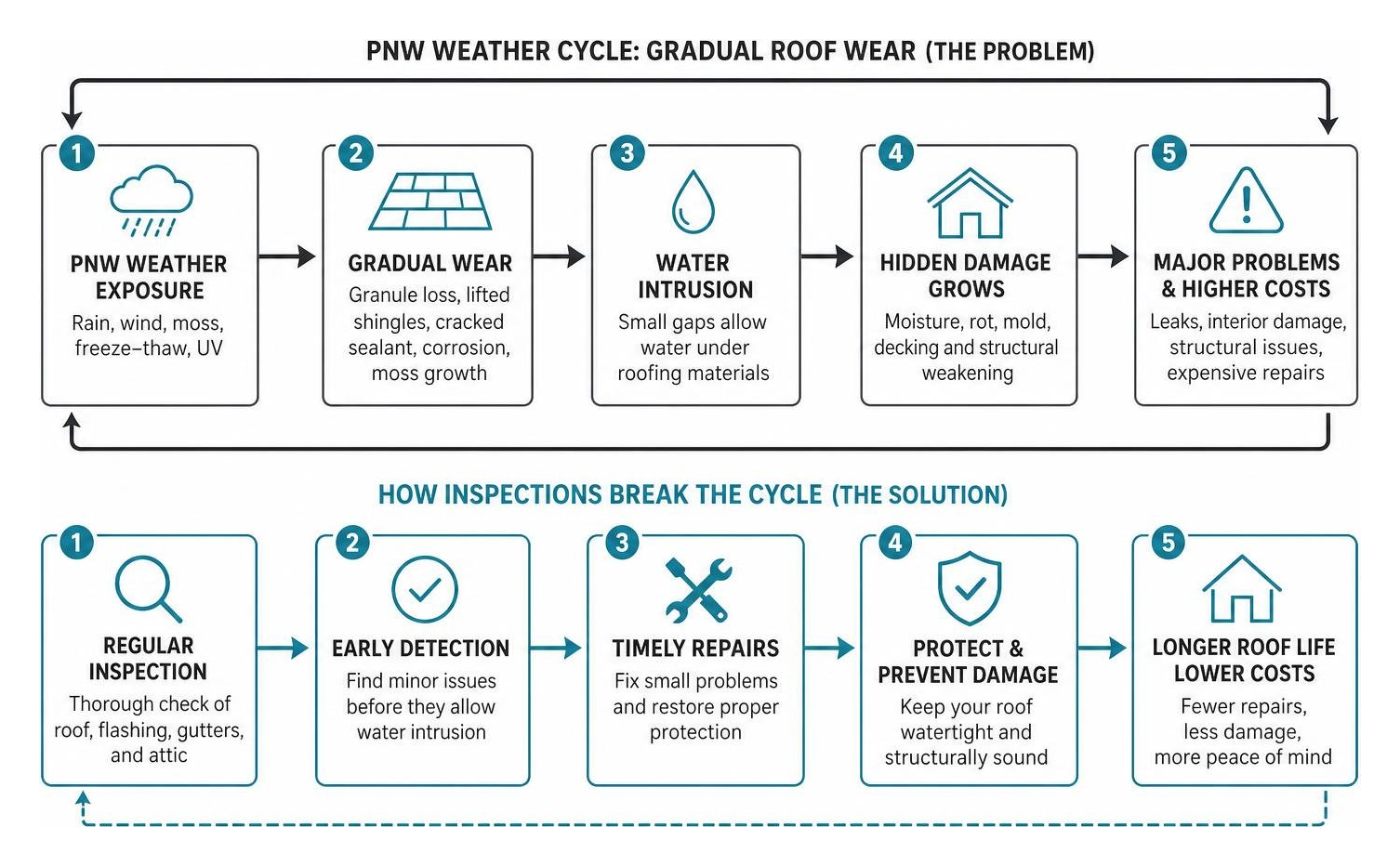
Infographic showing the proactive maintenance cycle: inspection, early detection, minor repair, cost savings, and property

How Inspections Prevent Costly Repairs and Structural Damage

A professional roof inspector identifying a minor leak on a shingle roof - how inspections prevent costly repairs

In the Pacific Northwest, water is our greatest friend and our roof’s worst enemy. When we talk about how inspections prevent costly repairs, we are really talking about moisture management. A roof leak doesn’t just stay on the roof; it travels. It follows the rafters, soaks into the insulation, and eventually finds its way into your drywall and flooring.

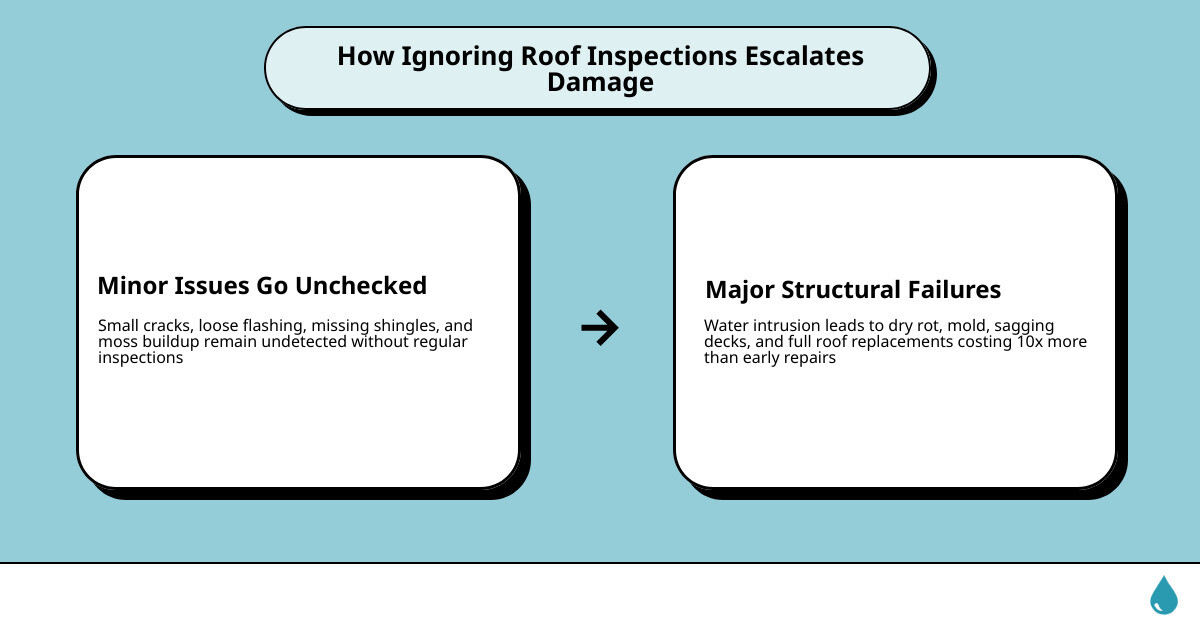
By the time you see a yellow stain on your ceiling, the damage has likely been happening for months. Professional residential roofing services are designed to find these “invisible” leaks. We look for compromised flashing around chimneys, cracked seals on vent pipes, and shingles that have lost their waterproof integrity.

Early detection is the difference between a simple sealant application and a full-scale mold remediation project. Mold can begin to grow within 24 to 48 hours of moisture exposure, and once it takes hold, the remediation costs can easily exceed $10,000. Furthermore, consistent moisture can weaken the very “bones” of your home—the wooden trusses and support beams—leading to structural instability that threatens your family’s safety.

The Financial Reality: Proactive vs. Reactive

To give you a clearer picture of the savings involved, look at the typical price gaps between catching a problem early and waiting for an emergency:

Common Roofing Issue Early Detection Fix Emergency Repair/Replacement Potential Savings
Foundation/Structural $300 – $800 $5,100 – $30,000+ Up to $29,200
Roof Leak/Shingles $600 – $1,200 $5,700 – $12,000+ Up to $10,800
Pest/Termite Damage $200 – $900 $3,000 – $37,500 Up to $36,300
HVAC Efficiency $100 – $450 $4,000 – $12,000 Up to $11,550

As the data shows, neglecting maintenance can lead to a 10% loss in property value, whereas proactive care can actually increase your home’s value by 1% annually.

Maximizing Property Value in the Portland-Metro Area

Whether you live in Beaverton, Lake Oswego, or Hillsboro, your home is likely your largest investment. Maintaining that investment requires more than just mowing the lawn; it requires a documented history of care.

When it comes time to sell, a roof inspections and certifications report is a powerful tool. In 2026, buyers are more cautious than ever. They want proof that the home they are buying won’t become a “money pit” the moment they move in. Statistics show that buyers who use inspection findings for negotiation save an average of $14,000 on their purchase price. If you are the seller and you can provide a clean bill of health for your roof, you eliminate that negotiation leverage, helping you keep more of your equity.

Beyond resale value, regular residential roofing maintenance can actually lower your monthly overhead. Many insurance providers in Oregon offer premium reductions for homeowners who can document a proactive maintenance program. Why? Because insurance companies know that a well-maintained roof is less likely to result in a massive “total loss” claim after a winter storm.

Proactive Maintenance Strategies for Oregon Homeowners

Why Regular Inspections Prevent Costly Repairs During Storm Season

Our local weather in the Portland-Metro area is unique. We don’t just get rain; we get heavy “pineapple express” systems, wind gusts that can hit 50+ mph, and occasionally heavy snow that puts immense weight on roof decks.

If you have new replacement roofs, you might think you’re safe for a decade. However, even new roofs can suffer from wind-blown debris or gutter clogs. When gutters fail, water backs up under the eaves, causing rot in the fascia boards. This is why repairs and maintenance are seasonal essentials. A quick inspection after a major windstorm can identify shingles that have been “lifted”—meaning the seal is broken even if the shingle didn’t fly off. If not pressed back down or replaced, the next rain will go straight into your plywood.

How Inspections Prevent Costly Repairs to Your Roof

Technology has changed the way we look at your home. We no longer rely solely on a ladder and a flashlight. Today, we use tools like thermal imaging cameras to “see” temperature differences in your roof. If there is a damp patch of insulation under your shingles, it will hold heat differently than dry insulation. This allows us to pinpoint the exact location of a hidden leak before it ever drips onto your ceiling.

Whether you have traditional roof types and products like asphalt shingles or more durable options like metal roofing, the inspection process remains critical. For our commercial roofing clients, these inspections are even more vital. Large flat roofs can collect “ponding” water. If a drain is clogged by a few stray leaves, thousands of pounds of water can sit on your structure, leading to a catastrophic collapse. Regular checks ensure that drainage systems are clear and that membrane seams remain watertight.

Warning Signs to Monitor Between Professional Visits

While we recommend a professional set of eyes at least once or twice a year, you are the first line of defense for your home. Between visits, keep an eye out for these red flags:

  • Curled or Buckled Shingles: This is a sign that the shingles are reaching the end of their life or that your attic is not properly ventilated.
  • Moss and Algae: In Oregon, moss is everywhere. But on a roof, it acts like a sponge, holding moisture against the shingles and eventually roots into the material.
  • Granules in the Gutters: If your gutters look like they are filled with coffee grounds, your shingles are losing their protective coating.
  • Interior Stains or Odors: A musty smell in the attic or yellowing corners on a ceiling are definitive signs of water intrusion.
  • Utility Bill Spikes: If your heating or cooling bills suddenly jump, it could be due to wet insulation or failing seals around roof access points.
  • Deck Issues: Don’t forget your outdoor living spaces. We also inspect waterproof deck surfaces to ensure that water is being diverted away from the home’s foundation.

If you notice any of these signs, it’s time to call in the experts for residential roofing services before the next big storm hits.

Frequently Asked Questions about Roof Inspections

How often should I schedule a professional roof inspection in Oregon?

For most homes in the Portland-Metro area, we recommend a “bi-annual” schedule—once in the spring and once in the fall. The spring inspection checks for damage caused by winter ice and wind, while the fall inspection ensures your roof and gutters are ready for the upcoming rainy season. If your home is surrounded by large trees, you may need more frequent gutter cleanings to prevent water backup.

What is the typical ROI of a proactive inspection program?

The Return on Investment (ROI) for a roof inspection is staggering. A typical professional inspection might cost a few hundred dollars, but it can prevent a $15,000 roof replacement or a $20,000 structural repair. Industry data suggests an ROI of 20x to 35x the cost of the inspection. In simpler terms, for every dollar you spend on inspections, you are potentially saving $5 in future repair costs.

Can a documented inspection help with my insurance claims?

Absolutely. If a major storm hits and you need to file a claim, having a record of a recent professional inspection proves that your roof was in good condition prior to the event. This makes it much harder for insurance companies to claim the damage was due to “pre-existing wear and tear” or neglect, which is a common reason for claim denials.

Conclusion

At Raindrop NW, we believe that being a homeowner shouldn’t feel like waiting for the next expensive disaster to happen. As a truly local, independently owned company based right here in Beaverton, we take a different approach than the big out-of-state firms. We aren’t just looking for a quick sale; we are looking to be your long-term partners in home maintenance.

Our multi-generational ownership means we’ve seen how Beaverton roofs age over decades, not just years. We understand how inspections prevent costly repairs because we’ve been the ones fixing the mistakes left behind by neglect. Whether you need a simple check-up, a complex repair, or a full replacement, our team is committed to transparency, accountability, and the highest level of craftsmanship.

Don’t wait for a leak to tell you there’s a problem. Protect your home, your family, and your finances by staying ahead of the weather. If you’re ready to see the benefits of proactive care, reach out to us for our residential roofing services and let’s make sure your roof is ready for whatever the Oregon sky throws at it.

https://www.raindropnw.com/wp-content/uploads/2026/05/pexels-photo-8293667.jpeg 627 940 SEO Stats https://www.raindropnw.com/wp-content/uploads/2024/05/logo-raindrop-space-300x92.png SEO Stats2026-05-19 10:26:212026-05-19 10:26:21The Top Roof Inspection Benefits for Homeowners

Moss-Proof and Magnificent: Top Premium Shingles for the PNW

News

The Best Premium Shingle Options for Pacific Northwest Homes

Premium shingle options for pacific northwest homes need to do a lot more than just look good. Between the relentless rainfall, humidity that never quite lets up, moss that seems to grow overnight, and wind gusts that can snap branches off a century-old fir — your roof is working hard every single day in this region.

Here are the top premium shingles that hold up best in PNW conditions:

  1. CertainTeed Landmark PRO – UL 2218 Class 3 impact resistance, StreakFighter algae protection, wind resistance up to 160 mph with upgrade
  2. CertainTeed Presidential Shake TL – Triple-layer construction, 405 lbs per square, ideal for coastal and high-wind areas
  3. CertainTeed Presidential Shake – Two-layer design, 355 lbs per square, strong balance of performance and efficiency
  4. CertainTeed Landmark ClimateFlex – Polymer-modified asphalt for enhanced hail resistance and cold-weather flexibility
  5. GAF Grand Sequoia – UL 2218 Class 4 impact rating, 25-year StainGuard Plus algae protection, WindProven warranty
  6. CertainTeed Landmark Premium – Triple-laminate construction, Max Def color technology, lifetime transferable warranty

All of the above offer lifetime limited transferable warranties and algae-resistance protection — two non-negotiables for PNW homeowners.

The good news? Premium shingles engineered for these exact conditions can last 25 to 35 years here with proper installation and maintenance — and their long-term cost of ownership often beats cheaper alternatives that need replacing sooner.

I’m Torrey Yungeberg, owner of Raindrop Roofing NW, and after years of installing and evaluating premium shingle options for pacific northwest homes across Oregon and Southwest Washington, I’ve seen which products hold up and which ones fail before their time. Let’s walk through what actually makes a shingle worth the investment in this climate.

Infographic showing top premium shingle options for Pacific Northwest homes with key performance features - premium shingle

Why Premium Shingles are Essential for the Pacific Northwest Climate

Heavy rain falling on a sturdy residential roof in Beaverton - premium shingle options for pacific northwest homes

In the Pacific Northwest, our roofs face a unique set of meteorological “bullies.” We aren’t just dealing with a little bit of rain; we are dealing with persistent, saturating moisture that can last for nine months of the year. This environment is the ultimate breeding ground for moss and algae, which don’t just look unsightly—they actually trap moisture against the shingle, accelerating rot and degradation.

When we talk about premium shingle options for pacific northwest homes, we are looking for materials that can withstand more than just a drizzle. High-wind gusts, particularly during our winter storms, can reach speeds that easily strip away standard 3-tab shingles. Furthermore, the heavy tree canopy that makes Oregon and Washington so beautiful also presents a risk: falling pinecones, heavy branches, and needles that collect in valleys.

A premium system isn’t just about the top layer; it’s about the entire residential roofing assembly designed to keep your attic dry and your structure sound despite the humidity. Without the enhanced tear strength and specialized coatings found in premium products, a roof in cities like Portland or Hillsboro can see its lifespan cut nearly in half.

Top-Rated Premium Shingle Options for Pacific Northwest Homes

When selecting the right material, homeowners often have to choose between the “all-arounder” and the “specialist.” In our region, architectural and designer shingles have become the gold standard. These aren’t your flat, thin shingles of the past. They are multi-layered, heavy-duty products that provide a three-dimensional look while offering superior protection.

Many of these roof types and products are designed to mimic the aesthetic of natural cedar shakes—a classic PNW look—without the high maintenance and fire risk associated with real wood.

Comparing Premium Shingle Options for Pacific Northwest Homes by Performance

Different homes have different needs. If you are on a wind-swept hill in Camas or Lake Oswego, weight and layer count matter. If you are in a heavily shaded area in West Linn, algae resistance is king.

Shingle Model Weight per Square Construction Key Tech
Landmark PRO ~250-270 lbs Dual-layer laminate Max Def Colors & StreakFighter
Presidential Shake 355 lbs Luxury dual-layer Sculpted tabs for wood-shake look
Presidential Shake TL 405 lbs Triple-layer laminate Industry’s heaviest and toughest
Landmark ClimateFlex ~250 lbs Polymer-modified Cold-weather pliability
Grand Sequoia ~350 lbs Artisan-crafted UL 2218 Class 4 Impact Rating

The “TL” in Presidential Shake TL stands for Triple Layer. This shingle is essentially the tank of the roofing world. At 405 pounds per square, it is incredibly difficult for wind to lift and provides a depth of shadow that is indistinguishable from real wood from the street. Meanwhile, products like ClimateFlex use rubberized polymers, allowing the shingle to “bounce back” from impacts and remain flexible even when temperatures drop during a January installation.

Warranty Coverage for Premium Shingle Options for Pacific Northwest Homes

A roof is only as good as the promise behind it. In 2026, the standard for premium shingles is a lifetime limited transferable warranty. However, for PNW homeowners, the “fine print” regarding algae and wind is what matters most.

Most premium options include a 25 to 30-year algae-resistance warranty. This is vital because it guarantees the shingles will stay free of those ugly black streaks caused by cyanobacteria. Additionally, many premium products come with a 15-year wind warranty that can be upgraded from 110 mph to 130 or even 160 mph when installed with specific starter and ridge shingles.

To truly unlock these protections, working with a manufacturer-certified roofing contractor is essential. Manufacturers like CertainTeed offer “SureStart” protection, which covers 100% of materials and labor for a set period if a defect is found—but often only if a credentialed pro did the work.

Engineering for Durability: Impact Ratings and Tear Strength

We often get asked, “Does impact resistance really matter if we don’t get much hail?” The answer in the PNW is a resounding yes. While we might not get Texas-sized hailstones every week, we do have “biological hail”—falling branches, heavy pinecones, and debris tossed by 60 mph wind gusts.

Premium shingles are tested under UL 2218 standards. A Class 4 rating (the highest) means the shingle can withstand a two-inch steel ball dropped from 20 feet without cracking. This toughness also translates to higher tear strength. Under ASTM D3462 testing, premium shingles prove they can resist the force required to rip them off the nails.

Features like CertainTeed’s NailTrak provide a wider nailing zone, ensuring that our installers hit the mark every time. This precision, combined with high-performance self-sealing strips, creates a “unified” roof that won’t peel back when the wind starts howling through the Columbia River Gorge.

Combating Moss and Algae in the PNW

Moss is the silent killer of PNW roofs. It acts like a sponge, holding water against the shingle and eventually lifting the edges, which leads to leaks. Premium shingles combat this using science—specifically, copper.

Brands like CertainTeed use StreakFighter technology, which involves copper-containing granules uniformly distributed across the shingle surface. When it rains, copper ions are released, creating an environment where algae and moss struggle to take root.

However, even the best premium shingle options for pacific northwest homes need a little help. We recommend:

  • Annual Inspections: Catching a small patch of moss before it spreads.
  • Gutter Cleaning: Preventing water from backing up under the eave shingles.
  • Tree Trimming: Keeping branches at least 10 feet away from the roof to reduce shade and debris.
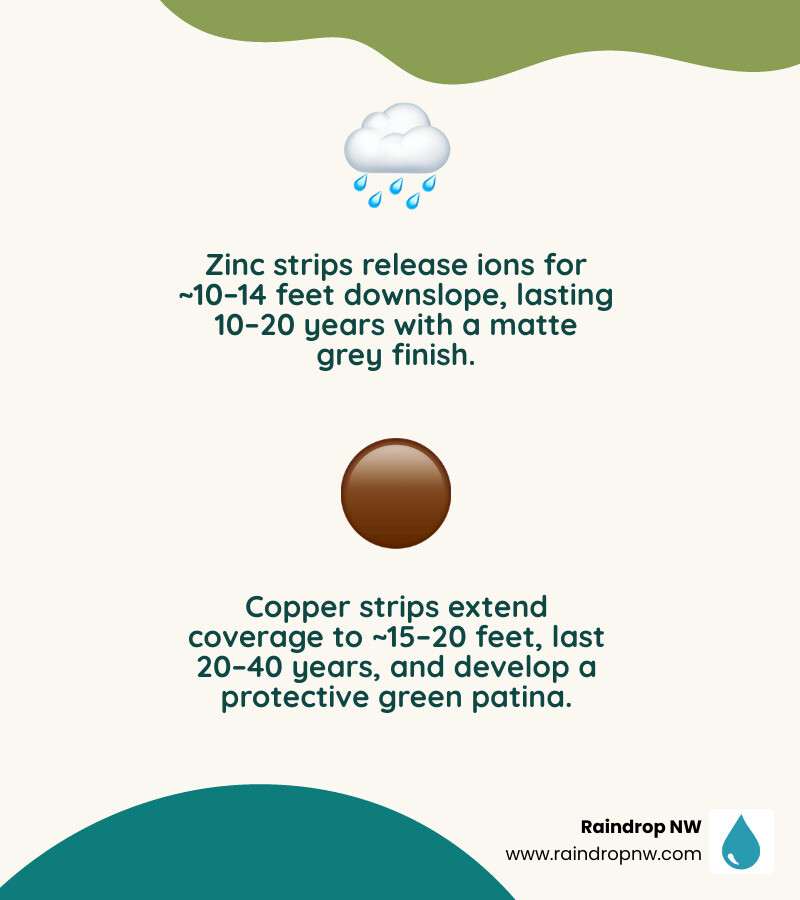
  • Zinc or Copper Strips: For homes in exceptionally damp, shaded areas, we can install these at the ridge for an extra boost of protection.

If you already have a roof that’s struggling, our team provides expert roof repairs and maintenance to extend the life of your investment.

Sustainable and Eco-Conscious Roofing Solutions

PNW homeowners are famously eco-conscious, and the roofing industry is finally catching up. In 2026, sustainability is a major factor in premium shingle design. Technologies like RenuCore allow manufacturers to reclaim shingle scrap and post-consumer waste, turning them into asphalt pellets for new roads and products.

By choosing a premium shingle with a longer lifespan (30+ years vs. 15 years for 3-tab), you are already making a sustainable choice by keeping old roofing materials out of our local landfills for twice as long. Some brands even incorporate recycled rubber from tires, which increases the shingle’s durability while repurposing waste. It’s a win-win for your home and the Oregon landscape we love.

Frequently Asked Questions about PNW Premium Shingles

How long do premium shingles last in the Pacific Northwest?

While a standard shingle might only give you 15 to 18 years in our damp climate, premium shingle options for pacific northwest homes typically last 25 to 35 years. The keys to reaching that 35-year mark are proper attic ventilation (to prevent heat and moisture buildup) and professional installation that follows the manufacturer’s exact specifications.

Are impact-resistant shingles necessary if it doesn’t hail often in the PNW?

Absolutely. Beyond the protection from falling tree debris we mentioned earlier, many insurance companies in Oregon and Washington offer discounts on your homeowners’ premium if you install a UL 2218 Class 4 rated roof. It’s a “safety first” investment that often pays for itself through those lower premiums and avoided repair costs after a big storm.

Can premium shingles be installed during the rainy season?

Yes, provided you have the right team. We use specialized synthetic underlayments that provide immediate waterproofing as soon as they are laid down. Premium shingles like Landmark ClimateFlex are actually easier to install in colder months because they remain pliable and don’t become brittle. Our professional installation techniques ensure that the self-sealing strips bond correctly, even when the sun isn’t out.

Conclusion

Choosing between the various premium shingle options for pacific northwest homes is a big decision, but you don’t have to make it alone. At Raindrop NW, we pride ourselves on being a truly local, Beaverton-based company. Unlike many roofing firms that have been bought out by out-of-state investment groups, we remain independently owned and deeply committed to our community.

We believe in long-term accountability. When we install a roof in Tigard, Gresham, or Vancouver, we know we’ll be seeing you at the grocery store or the local park. That’s why we only recommend products that we know can stand up to the “magnificent” (and often wet) weather of the Pacific Northwest.

Ready to protect your home with a roof that’s as durable as it is beautiful? Schedule your new replacement roof today and let our family take care of yours.

https://www.raindropnw.com/wp-content/uploads/2026/05/photo-1729796515115-354943ecd491.jpeg 720 1080 SEO Stats https://www.raindropnw.com/wp-content/uploads/2024/05/logo-raindrop-space-300x92.png SEO Stats2026-05-08 10:23:482026-05-08 10:23:48Moss-Proof and Magnificent: Top Premium Shingles for the PNW

How to Keep Your PNW Home Dry During the Rainy Season

News

Why Water Damage Is the Biggest Threat to Pacific Northwest Homes

Water damage prevention tips for pacific northwest homeowners are some of the most important home maintenance knowledge you can have — because in this region, the rain doesn’t let up. Seattle averages 152 rainy days per year, Western Washington gets 37 to 60 inches of rainfall annually, and cities like Beaverton regularly see more than 40 inches. That persistent moisture doesn’t just make for lush greenery. It creates real, ongoing pressure on your home’s roof, foundation, walls, and crawl space.

Here’s a quick overview of the most effective ways to protect your PNW home from water damage:

  • Maintain your roof — inspect twice yearly, remove moss, seal flashings, and replace damaged shingles promptly
  • Clean gutters and extend downspouts — at least twice a year (spring and fall), and direct water 5–10 feet from your foundation
  • Grade your yard properly — soil should slope 6 inches away from your foundation over a 10-foot span
  • Install a sump pump with battery backup — especially critical during power outages from windstorms
  • Add a vapor barrier or encapsulate your crawl space — to control moisture, prevent mold, and protect wood framing
  • Seal windows, doors, and foundation cracks — use caulk, weatherstripping, and hydraulic cement where needed
  • Monitor indoor humidity — keep levels between 30–50% using exhaust fans, dehumidifiers, or an HRV system
  • Inspect plumbing regularly — watch for musty smells, wall discoloration, sudden bill spikes, or low water pressure
  • Know where your main water shut-off valve is — especially if you own a vacation or second home
  • Document and prepare for emergencies — keep an emergency contact list and act within 24–48 hours to prevent mold

Water damage is the most common home insurance claim in Idaho, Washington, and Oregon, according to the National Association of Insurance Commissioners — and the average claim runs around $12,500. The good news? Most of it is preventable with consistent, seasonal maintenance.

I’m Torrey Yungeberg, owner of Raindrop Roofing NW, a family-owned business based in Boring, Oregon, and I’ve spent years helping homeowners across Oregon and Southwest Washington put practical water damage prevention tips for pacific northwest homeowners into action — starting from the roof down. In the sections below, I’ll walk you through exactly what to do, season by season, inside and out.

Infographic showing common water intrusion points in a Pacific Northwest home including roof, gutters, foundation, and crawl

Essential Exterior Water Damage Prevention Tips for Pacific Northwest Homeowners

Clean gutter system with downspout extensions directing water away from a PNW home - water damage prevention tips for

When it comes to the Pacific Northwest climate, your home’s “exterior envelope” is its primary defense. With annual precipitation in Western Washington and the Portland metro area often exceeding 40 to 60 inches, the sheer volume of water hitting your house is staggering. In Beaverton and Southwest Washington, we see weather patterns that can dump several inches of rain in a single weekend. If your exterior isn’t prepared, that water will find its way in.

Preventing intrusion starts with high-quality Residential Roofing Services. Because the PNW is a maritime climate, we don’t just deal with rain; we deal with high humidity and wind-driven moisture that can push water into the tiniest cracks. Regular seasonal maintenance is the only way to ensure your siding, windows, and roof remain a cohesive barrier against the elements.

Roof Maintenance and Moss Control for Water Damage Prevention Tips for Pacific Northwest Homeowners

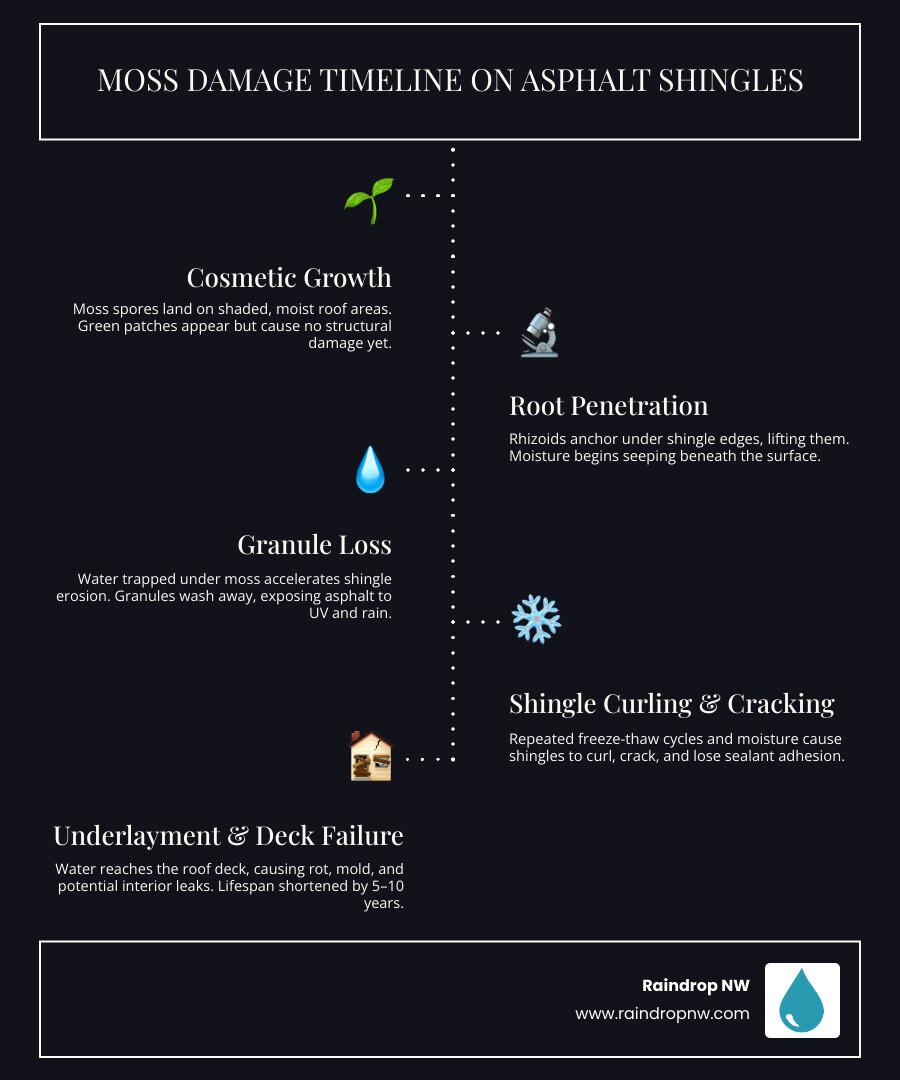
In our region, moss isn’t just a charming green aesthetic; it’s a roof killer. Moss acts like a sponge, holding moisture against your shingles and lifting their edges. This allows wind-driven rain to blow underneath, leading to rot in the roof deck. Experts suggest that heavy moss accumulation can shorten a roof’s lifespan by 3 to 5 years.

To combat this, we recommend:

  • Moss Removal and Prevention: Use zinc strips at the roof peaks to create a mild environment that inhibits moss growth. Never pressure wash your shingles, as this strips away the protective granules.
  • Checking Flashing and Seals: Most leaks don’t happen in the middle of a shingle; they happen at the “penetrations.” Check the flashing around chimneys, vents, and skylights.
  • Professional Oversight: Scheduling Roof Inspections and Certifications is the best way to catch small issues before they become $10,000 repairs.
  • Prompt Repairs: If you see missing shingles or sagging areas, seek Roof Repairs and Maintenance immediately. In April 2026, we are seeing more frequent “atmospheric river” events, making even a small leak a major liability.

Gutter Cleaning and Downspout Extensions

Our beautiful Douglas firs and Western red cedars are iconic, but they are the natural enemies of a functional gutter system. Pine needles and fir debris are small enough to bypass many basic gutter guards and create dense, waterproof “dams” in your downspouts.

We advise a strict twice-yearly cleaning schedule: once in late spring (after the trees drop their pollen and seeds) and once in late autumn (after the final leaf drop). If your gutters overflow, water pools at the foundation, which is the leading cause of basement flooding and crawl space moisture. Ensure you have splash blocks or, better yet, 5-to-10-foot downspout extensions to direct that water far away from your home’s footings.

Protecting Your Foundation and Crawl Space

The soil in the Pacific Northwest, particularly in the Tualatin River basin and parts of the Willamette Valley, can become incredibly saturated. This creates “hydrostatic pressure”—basically, the weight of the water in the soil pushes against your foundation walls. If there is a crack, the water will find it.

Beyond the foundation, protecting your exterior living spaces is just as vital. Using Waterproof Deck Surfaces can prevent water from seeping into the structural framing of your home where decks are attached.

Yard Grading and Sump Pump Maintenance

If you notice puddles forming near your house after a storm, your grading is likely the culprit. The gold standard for yard grading is a 6-inch drop over a 10-foot span. This ensures gravity does the work for you. If you have foundation cracks, they should be sealed immediately with hydraulic cement or epoxy injections.

For many homes in low-lying areas or locations with high water tables (like near Commonwealth Lake Park), a sump pump is a necessity. However, a sump pump is only as good as its power source. PNW windstorms frequently knock out power right when the rain is heaviest. A battery backup system is non-negotiable. Test your pump twice a year by pouring a bucket of water into the pit to ensure the float switch triggers correctly. If you’re planning upgrades, consider how Residential Roofing Remodels and Additions might impact your home’s overall drainage footprint.

Vapor Barriers and Crawl Space Encapsulation for Water Damage Prevention Tips for Pacific Northwest Homeowners

About 50% of the air you breathe on the first floor of your home comes from the crawl space. If that space is damp, you’re breathing mold spores. A high-quality 6-mil polyethylene vapor barrier is the minimum requirement to keep ground moisture from rising into your floor joists.

For chronic moisture issues, full crawl space encapsulation—sealing the vents and adding a dedicated dehumidifier—is the “gold standard.” This prevents the humid maritime air from condensing on your cool wooden beams. Professionals use moisture meters and thermal imaging to detect “hidden” moisture that might be trapped behind insulation, allowing for a proactive approach to wood rot prevention.

Indoor Strategies and Plumbing Safeguards

While we often focus on the rain outside, internal plumbing failures and high humidity cause a significant portion of water damage claims. In the damp PNW winters, indoor humidity can easily spike above 60%, leading to “slow-motion” water damage like rotting window sills and mold growth behind furniture.

We recommend keeping a hygrometer in your home to monitor levels. Your target should be 30–50%. Use bathroom exhaust fans for at least 20 minutes after every shower and ensure your kitchen hood vents to the outside. For more tips on maintaining your home’s integrity, check our Owner Resources.

Plumbing Inspections and Leak Detection for Water Damage Prevention Tips for Pacific Northwest Homeowners

If your home was built between the 1950s and 1980s, you might still have galvanized steel pipes. These are notorious for rusting from the inside out, leading to pinhole leaks that can go undetected for months.

Essential plumbing checks include:

  • Supply Lines: Replace old rubber washing machine and toilet hoses with stainless steel braided lines. These are much less likely to burst.
  • Water Heater: Most tanks last 10–12 years. If yours is older, check the bottom for rust or dampness.
  • Smart Technology: Install smart leak sensors near high-risk appliances. These can alert your phone the second moisture is detected. Some systems even include an automatic shut-off valve.
  • The Main Valve: Every person in your household should know exactly where the main water shut-off valve is located. If a pipe bursts, fumbling for the valve for ten minutes can mean the difference between a small mop-up and a total floor replacement. This is especially critical for vacation homes that may sit empty during a “silver thaw” or freeze event.

Emergency Preparedness and Insurance Considerations

According to the Insurance Information Institute, water damage accounts for more than a quarter of all homeowners insurance claims nationwide. In the Pacific Northwest, it is consistently the #1 claim. With the average cost sitting at $12,500, being prepared isn’t just about safety—it’s about financial protection.

If water does intrude, you have a 24-to-48-hour window to get things dry before mold begins to colonize.

  1. Stop the source: Shut off the water or tarp the roof.
  2. Document everything: Take clear photos and videos of the damage before you start cleaning. This is vital for insurance adjusters.
  3. Call professionals: Use high-grade dehumidifiers and air movers.
  4. Check your policy: Most standard policies do not cover flood damage from rising groundwater; you may need a separate flood insurance policy.

If a major storm causes unexpected damage, we offer Residential Roofing Financing to help homeowners manage the costs of urgent repairs without delay.

Frequently Asked Questions about PNW Water Damage

How often should I clean my gutters in the Pacific Northwest?

You should clean your gutters at least twice per year. The first cleaning should happen in late spring to clear out “helicopter” seeds and blossoms. The second must happen in late autumn after the leaves have fallen. If you live in a heavily wooded area with Douglas firs or pines, you may need a third cleaning in mid-winter to remove needle buildup.

What are the signs of a hidden plumbing leak?

The most common signs are a sudden, unexplained spike in your water bill, musty odors in specific rooms, or warped baseboards. You might also notice “hot spots” on the floor (indicating a hot water line leak) or a slight drop in water pressure. If you suspect a leak, turn off all water and check your water meter; if the dial is still moving, you have a leak.

Why is a battery backup essential for my sump pump?

In the Pacific Northwest, heavy rain is often accompanied by high winds that knock out power lines. Without a battery backup, your sump pump will stop working exactly when the groundwater is rising the fastest. A backup ensures your basement stays dry even during a multi-day power outage.

Conclusion

Preventing water damage in the Pacific Northwest is a year-round commitment, but it doesn’t have to be overwhelming. By following these water damage prevention tips for pacific northwest homeowners, you can protect your investment and ensure your home remains a dry, healthy sanctuary.

At Raindrop NW, we understand the specific challenges of our local climate because we live here too. Whether you are in Beaverton, Portland, or Vancouver, our team is committed to providing the long-term accountability that only a truly local, independently owned company can offer. We don’t answer to out-of-state investment firms; we answer to you.

If your roof has seen better days or you want to get ahead of the next rainy season, we are here to help with New Replacement Roofs and expert maintenance. Stay dry out there!

https://www.raindropnw.com/wp-content/uploads/2026/05/photo-1768333220836-26309aacd3db.jpeg 720 1080 SEO Stats https://www.raindropnw.com/wp-content/uploads/2024/05/logo-raindrop-space-300x92.png SEO Stats2026-05-05 06:11:372026-05-05 06:12:25How to Keep Your PNW Home Dry During the Rainy Season

Your Guide to Finding Professional Patio Services in Beaverton

News

Why Professional Patio Services Matter for Your Beaverton Home

Finding a patios contractor in Beaverton, OR who will be around for the long haul is essential when you’re investing in your outdoor living space. Your patio should improve your home’s value and provide years of enjoyment, but that only happens when it’s built right the first time by a contractor who stands behind their work.

Quick Guide to Finding Professional Patio Services in Beaverton:

  1. Verify licensing and insurance – Protect your property and investment
  2. Review local portfolios – Look for experience with Pacific Northwest weather
  3. Check client testimonials – Seek feedback from Beaverton homeowners
  4. Get detailed written bids – Ensure scope, materials, and timeline are clear
  5. Ask about warranties – Understand what’s covered and for how long
  6. Confirm local ownership – Choose contractors committed to your community

Many Beaverton homeowners are finding that outdoor patios extend their living space and create perfect spots for family gatherings, quiet mornings with coffee, or summer barbecues. Whether you’re considering interlocking pavers, stamped concrete, or natural stone, the right contractor will guide you through material choices that work with our wet winters and help your patio last for decades. Professional installation ensures proper drainage, stable foundations, and craftsmanship that withstands freeze-thaw cycles common in the Pacific Northwest.

The challenge is finding a contractor who’s truly local and accountable. With investment firms buying up home service companies across Oregon, it’s harder to know who will still be around to honor warranties or address concerns years down the road. A locally-owned patios contractor in Beaverton, OR has their reputation on the line in the community they serve, which means they’re invested in doing the job right.

I’m Torrey Yungeberg, owner of Raindrop Roofing NW, and while roofing is our specialty, I understand the importance of working with local contractors who prioritize quality craftsmanship and long-term accountability—principles that apply whether you’re looking for a patios contractor in Beaverton, OR or any home improvement professional. Through my work with the Associated Roofing Contractors of Oregon and Southwest Washington, I’ve seen how choosing the right contractor protects your investment and ensures lasting results.

infographic showing benefits of professional patio installation including increased home value, extended living space, proper drainage, weather-resistant materials, expert craftsmanship, and long-term warranty protection - patios contractor in beaverton, or

What to Expect from Professional Patio Services

When you decide to improve your Beaverton home with a new patio, you’re not just getting a slab of concrete; you’re investing in an extension of your living space. A professional patios contractor in Beaverton, OR offers a comprehensive suite of services designed to transform your outdoor area into a functional and beautiful oasis.

Here’s what you can expect from experienced patio professionals:

  • Custom Patio Design: The journey begins with a vision. Skilled contractors work with you to understand your lifestyle, aesthetic preferences, and budget. They help translate your ideas into a practical design that complements your home’s architecture and the natural landscape. This often involves detailed consultations and 3D renderings to ensure the final product is exactly what you envisioned.
  • Paver Installation: Pavers are a popular choice for their versatility and durability. Contractors specialize in installing various types of pavers, from interlocking concrete pavers to natural stone, ensuring a stable and aesthetically pleasing surface. Proper base preparation and meticulous laying are crucial for longevity and preventing issues like settling or cracking.
  • Concrete Work: Beyond pavers, many contractors offer expertly poured concrete patios, which can be stamped, stained, or textured to achieve a variety of looks, from modern sleekness to rustic charm.
  • Hardscaping Features: A patio is often just one element of a larger outdoor living space. Contractors excel at integrating various hardscaping features that lift the functionality and beauty of your patio. These can include:
    • Outdoor Kitchens: Imagine cooking and entertaining al fresco with custom-built grills, countertops, and storage.
    • Fire Pits: A cozy fire pit can extend your patio’s usability into cooler evenings, creating a perfect gathering spot.
    • Retaining Walls: Essential for managing sloped yards, retaining walls also add aesthetic appeal and define different outdoor zones.
    • Pergolas & Patio Covers: These structures provide shade, protection from the elements, and an architectural focal point. Some advanced patio covers can even block a significant amount of heat while still allowing natural light, making your outdoor space comfortable year-round.
    • Walkways and Pathways: Seamlessly connecting your patio to other areas of your yard, such as a garden or a separate seating area.

The benefits of hiring a professional patios contractor in Beaverton, OR extend beyond just getting the job done. You gain access to their expertise in material selection, design optimization, and construction techniques that ensure your patio is built to last. Many contractors in the Beaverton area boast decades of experience, with some having over 25 or even 30 years in the industry. This level of experience often translates to over 500 projects completed in a single year, reflecting their efficiency and reliability.

Furthermore, a professionally installed patio significantly increases your property value and improves your home’s curb appeal. Just as we ensure proper waterproofing for deck surfaces to protect your home’s integrity, a well-constructed patio manages water effectively, preventing issues like erosion or water pooling near your foundation. This attention to detail is a hallmark of quality craftsmanship.

We believe that a patio should be more than just a surface; it should be a true extension of your home, designed for relaxation, entertainment, and making lasting memories.

Popular Patio Materials and Styles for the Beaverton Climate

Choosing the right material for your patio is a critical decision, especially in Beaverton, where our climate demands durability and resilience. The ideal material will not only look great but also withstand our wet winters and variable temperatures. A skilled patios contractor in Beaverton, OR will guide you through the options, considering both aesthetics and long-term performance.

Here are some of the most popular patio materials and styles in Beaverton:

1. Interlocking Pavers

Pavers are a standout choice for Beaverton homeowners, offering a fantastic blend of durability, aesthetic flexibility, and ease of maintenance. These pre-formed concrete tiles can simulate cobblestone, brick, or chiseled stone, and they come in a vast array of colors, shapes, and patterns.

  • Durability: Unlike solid concrete, pavers don’t crack easily. If an individual paver is damaged or if settling occurs (due to improper base work, which a good contractor will prevent), it can be replaced without disturbing the entire patio. They are designed to withstand freeze-thaw cycles without cracking or fading, making them excellent for our climate.
  • Aesthetics: Pavers offer unparalleled design versatility. You can create intricate patterns, borders, and even distinct “rooms” within your patio using different paver styles and colors.
  • Maintenance: Generally low maintenance. Regular sweeping and occasional power washing are usually sufficient. For long-term protection, some contractors offer specialized services like joint sanding, power washing, and sealing to protect your investment.

2. Poured Concrete

Concrete patios offer a sleek, modern look or can be customized to mimic other materials.

  • Durability: While strong, traditional concrete can be susceptible to cracking, especially with our region’s freeze-thaw cycles. However, advancements in concrete mixtures and proper installation techniques can mitigate this.
  • Aesthetics: Highly customizable with stamping, staining, and coloring options. This allows for unique designs, from wood-grain textures to natural stone appearances.
  • Maintenance: Relatively low maintenance, requiring occasional cleaning. Sealing is recommended to protect against stains and weather.

3. Natural Stone

For a truly organic and luxurious feel, natural stone such as flagstone, slate, or bluestone is an excellent option.

  • Durability: Natural stone is incredibly durable and can last for decades, often developing a beautiful patina over time. It handles weather well but can be more susceptible to moss growth in damp conditions if not properly maintained.
  • Aesthetics: Each piece of natural stone is unique, providing an neat and rustic charm. It blends seamlessly with natural landscapes.
  • Maintenance: Requires regular cleaning. Sealing can help protect against stains and reduce water absorption.

4. Brick

Traditional brick patios offer a classic, timeless appeal.

  • Durability: Brick is very durable and long-lasting. Like pavers, individual bricks can be replaced if damaged.
  • Aesthetics: Creates a warm, inviting atmosphere, often associated with traditional or cottage-style homes.
  • Maintenance: Similar to pavers, requiring regular cleaning. Moss can be an issue in shaded, damp areas.

Here’s a quick comparison of these popular materials:

Material Durability Style Versatility Typical Upkeep
Interlocking Pavers Excellent; resists cracking, handles freeze-thaw High; vast colors, shapes, patterns, textures Low; sweeping, occasional power washing, sealing
Poured Concrete Good; prone to cracking if not properly installed High; stamping, staining, coloring Low; cleaning, periodic sealing
Natural Stone Excellent; long-lasting, unique appearance Medium; organic, rustic, neat Medium; cleaning, occasional sealing, moss removal
Brick Good; durable, individual pieces replaceable Medium; classic, traditional Low; sweeping, occasional cleaning, moss removal

When considering materials, think about not only the initial cost but also the long-term enjoyment and maintenance. Just as we evaluate different roofing materials for their performance and aesthetic appeal in our climate, a good patios contractor in Beaverton, OR will help you choose materials for your patio that offer the best return on investment and enjoyment for your home. We understand that selecting the right products, whether for a roof or an outdoor living space, is key to lasting satisfaction.

How to Choose the Right Patios Contractor in Beaverton, OR

Choosing a patios contractor in Beaverton, OR can feel like a significant decision, much like selecting a trusted financial advisor for a major investment. Your patio is an investment in your home and lifestyle, and the quality of its construction will determine its longevity and your satisfaction. We’ve seen how crucial it is to vet contractors thoroughly, and the same principles apply whether you’re hiring for roofing or a patio project.

Here’s how to ensure you pick the right professional for your patio project:

  • Vetting Contractors: Start by researching local companies. Look for contractors with a strong presence and positive reputation in the Beaverton community. Many experienced contractors have been serving clients in Beaverton for decades, some with over 30 years of experience, indicating a deep understanding of local needs and regulations.
  • Checking Licenses and Insurance: This is non-negotiable. Ensure the contractor is fully licensed with the State of Oregon (you can verify their CCB#) and carries comprehensive insurance, including liability, auto, and workers’ compensation. This protects you from potential liabilities if an accident occurs on your property. If a worker is injured on the job site, you want to be certain the company has documented coverage for their employees.
  • Reviewing Portfolios: Ask to see examples of their previous work. A strong portfolio, especially with projects in the Beaverton area, demonstrates their skill and experience with local climate considerations. Look for projects that align with your desired style and materials.
  • Reading Client Testimonials and Reviews: Unedited reviews on platforms like Google, the Better Business Bureau, or other professional directories are invaluable. Look for consistent praise regarding professionalism, communication, quality of work, and adherence to timelines and budgets. A contractor with numerous positive reviews indicates a commitment to customer satisfaction. We’ve learned that the more reviews, the better, as it indicates the company is a going concern.
  • Local Experience: A contractor familiar with Beaverton’s specific building codes and permit requirements can streamline your project. They’ll also have a better understanding of materials best suited for our local climate.
  • Communication: Pay attention to how responsive and communicative a contractor is from your first interaction. If they are difficult to reach or unclear during the bidding process, it’s a red flag for potential issues down the line. We believe clear communication is key to a smooth project.

For more insights into what makes a good contractor, we invite you to read our guide on 3 Things You Need to Know About Finding the Right Roofing Contractor. While it focuses on roofing, the principles of due diligence are universally applicable.

Key Questions for a Potential Patios Contractor in Beaverton, OR

Asking the right questions upfront can save you headaches and ensure a successful project. Here are some critical questions to pose to any potential patios contractor in Beaverton, OR:

  1. “What is your experience with patio projects in Beaverton specifically?” Look for their familiarity with our local climate, soil conditions, and any specific city regulations.
  2. “What materials do you recommend for my patio, considering Beaverton’s weather, and why?” They should be able to explain the pros and cons of different options like pavers, concrete, or natural stone in our environment.
  3. “What is the typical timeline for a patio installation of this scope?” A good contractor will provide a realistic project timeline, accounting for design, material acquisition, and construction phases.
  4. “Do you use your own employees for the installation work, or do you rely on subcontractors?” Companies that use their own trained employees often offer more accountability and consistent quality. If subcontractors are used, ensure they are also fully insured.
  5. “What kind of warranty do you offer on your workmanship and the materials?” Understand what’s covered, for how long, and the process for making a claim.
  6. “How will you protect my property (landscaping, existing structures, etc.) during the construction process?” They should have a plan for minimizing disruption and protecting your yard.

The Importance of a Detailed Written Agreement

Once you’ve chosen your patios contractor in Beaverton, OR, a comprehensive written agreement is paramount. This document serves as a blueprint for the entire project and protects both parties. It should clearly outline:

  • Scope of Work: Every detail of the project, from demolition (if any) to the final touches.
  • Materials List: Specific types, brands, colors, and quantities of all materials to be used.
  • Project Schedule: Start and end dates, key milestones, and procedures for delays.
  • Payment Schedule: Clear breakdown of costs, deposit requirements, and payment due dates.
  • Final Approval Process: What constitutes project completion and how final payment is authorized.
  • Warranty Information: All details of the warranty on materials and labor.

If it’s not written down, it’s not part of the contract. A thorough contract ensures transparency and prevents misunderstandings, giving you peace of mind throughout your patio project.

The Patio Installation Process and Local Considerations

Starting on a patio installation project is an exciting endeavor that transforms your outdoor living. While every patios contractor in Beaverton, OR might have slight variations in their approach, the general process for a successful patio installation typically follows these key steps:

  1. Initial Consultation & Design Finalization: This is where your vision truly takes shape. The contractor will meet with you to discuss your needs, preferences, and budget. They’ll assess your property, considering factors like sun exposure, drainage, and existing landscape features. Based on this, a detailed design plan will be created, often with 3D renderings, and finalized with your approval.
  2. Site Preparation and Grading: Before any materials are laid, the site needs meticulous preparation. This involves marking out the patio area, removing existing vegetation, and excavating the ground to the proper depth. Crucially, the area will be graded to ensure proper water runoff, moving away from your home’s foundation.
  3. Base Installation: A stable foundation is the secret to a long-lasting patio. This step involves laying down a compacted layer of gravel, followed by a layer of sand. Each layer is carefully leveled and compacted to create a solid, even base that will prevent settling and shifting over time. This step is especially vital in our region, where soil conditions can vary.
  4. Laying Materials: This is where your patio truly begins to materialize. Whether it’s interlocking pavers, natural stone, or concrete, the chosen material is carefully laid according to the design plan. For pavers, this involves precise placement and cutting to fit the desired pattern. For concrete, it involves pouring, leveling, and finishing.
  5. Jointing and Sealing: Once the main surface is laid, the joints between pavers or stones are filled with sand (often polymeric sand, which hardens when wet) to lock them in place and inhibit weed growth. For concrete patios, expansion joints are created. Finally, many patios are sealed to protect against stains, improve color, and improve durability against the elements.
  6. Final Walkthrough & Cleanup: Upon completion, your contractor will conduct a final walkthrough with you to ensure every aspect of the project meets your expectations and the agreed-upon design. The site will be thoroughly cleaned, leaving you to enjoy your beautiful new outdoor space.

Building for Beaverton’s Weather: A Patios Contractor in Beaverton, OR Perspective

Beaverton’s unique Pacific Northwest climate presents specific challenges and considerations for patio construction. Our wet winters and occasional freezing temperatures mean that a successful patio isn’t just about aesthetics; it’s about engineering for endurance.

  • Proper Drainage Solutions: This is paramount. Our abundant rainfall necessitates carefully planned grading and, in some cases, integrated drainage systems to prevent water pooling on the patio or, worse, running towards your home’s foundation. A good patios contractor in Beaverton, OR will be an expert in Waterproofing Systems for outdoor spaces, ensuring your patio helps manage water effectively.
  • Freeze-Thaw Cycle Resilience: As temperatures fluctuate, water absorbed into materials can freeze and expand, causing cracking and shifting. High-quality materials like specific types of pavers are designed to withstand these freeze-thaw cycles without damage.
  • Moisture-Resistant Materials: Choosing materials that resist water absorption is key. While many materials can be sealed, some, like certain composite decking or specific paver types, inherently handle moisture better, reducing the risk of deterioration over time.
  • Preventing Moss and Algae: The damp environment in Beaverton makes patios susceptible to moss and algae growth, which can make surfaces slippery and unsightly. Contractors will advise on materials, design elements (like sun exposure), and maintenance strategies to minimize these issues.

An experienced local contractor will not only understand these challenges but will have proven solutions to ensure your patio remains beautiful and functional for many years, regardless of what our Oregon weather throws at it.

Frequently Asked Questions About Patio Projects

As you consider adding a patio to your Beaverton home, you likely have many questions. Here, we address some of the most common inquiries to help you feel more confident about your project.

How long does a typical patio installation take?

The duration of a patio installation project can vary significantly based on several factors, including the size and complexity of the design, the chosen materials, and site conditions. For a standard-sized patio, you might expect the installation to take anywhere from one to two weeks from start to finish. However, more intricate designs that incorporate additional features like built-in fire pits, retaining walls, or multi-level structures could extend the timeline. Your patios contractor in Beaverton, OR should provide a clear and detailed project timeline during your consultation, outlining each phase and estimated duration. This transparency helps manage expectations and ensures a smoother process.

What kind of maintenance does a new patio require?

Patio maintenance depends heavily on the materials chosen and the specific features installed. Generally, all patios benefit from regular cleaning to keep them looking their best and to prevent the buildup of dirt, moss, and algae, which are common in Beaverton’s damp climate.

  • Paver Patios: These typically require sweeping to remove debris and occasional power washing. For long-term care, some contractors offer specialized services like joint sanding (to replenish polymeric sand) and sealing, which helps protect against stains and weather elements.
  • Concrete Patios: Regular sweeping and hosing down are usually sufficient. Depending on the finish, periodic resealing may be recommended to maintain its appearance and protect against moisture.
  • Natural Stone Patios: These may require more frequent cleaning to prevent moss growth and occasional sealing to protect against staining and water absorption.

The level of upkeep also depends on your personal preference. Some homeowners enjoy the natural aging process, while others prefer a pristine look. Your patios contractor in Beaverton, OR can provide specific care instructions for your chosen materials and may even offer maintenance services to help protect your investment and keep your patio beautiful for years to come.

Do I need a permit to build a patio in Beaverton?

Yes, it is highly likely that you will need a permit to build a patio in Beaverton, especially if the patio involves significant excavation, structural elements (like retaining walls or covers), or if it impacts drainage. The City of Beaverton has specific building codes and permitting processes that must be followed to ensure safety and compliance.

An experienced patios contractor in Beaverton, OR will be very familiar with these requirements. They should be able to advise you on whether your specific project requires a permit and, in many cases, can manage the entire permitting process on your behalf. This includes preparing the necessary documentation, submitting plans to the city, and ensuring all work adheres to local codes and passes required inspections. Attempting to build a patio without the necessary permits can lead to fines, project delays, or even the requirement to remove the structure, so always ensure this critical step is addressed by your chosen contractor.

Transform Your Outdoor Space with Confidence

Investing in a new patio is one of the single best investments you can make for your Beaverton home, offering both long-term value and immediate enjoyment. It’s about creating a personal sanctuary, a place where memories are made, and where the comforts of your home seamlessly extend into the beauty of the outdoors.

Choosing a local patios contractor in Beaverton, OR who prioritizes quality craftsmanship and stands behind their work is paramount to the success and longevity of your outdoor living space. We understand the unique demands of the Pacific Northwest climate and the importance of working with professionals who are deeply committed to their community. Just as we are dedicated to providing durable and reliable roofing solutions for our Beaverton neighbors, we encourage you to seek out patio contractors who share these same values.

With the right team, your new patio will provide year-round enjoyment, enhancing your lifestyle and becoming a cherished part of your home for decades to come.

To learn more about our commitment to quality and service in the Beaverton area, please visit our location page: Learn more about our services in Beaverton, OR

https://www.raindropnw.com/wp-content/uploads/2026/01/patios-contractor-beaverton-or-tips-image.jpg 848 1264 Torrey Yungeberg https://www.raindropnw.com/wp-content/uploads/2024/05/logo-raindrop-space-300x92.png Torrey Yungeberg2026-01-16 01:53:382026-01-16 01:53:52Your Guide to Finding Professional Patio Services in Beaverton

Soak Up the Sun: Top Outdoor Seating Spots in Beaverton

News

Why Outdoor Dining Makes Beaverton Summers Better

Patios in Beaverton, OR offer some of the best outdoor dining experiences in the Portland metro area. Whether you’re looking for a dog-friendly beer garden, a lakeside view with live music, or a cozy spot with fire pits, Beaverton’s restaurant patios deliver fresh air, community atmosphere, and Pacific Northwest charm.

Top Patios in Beaverton at a Glance:

  • Breakside Brewery – 200-person beer garden with covered, heated patio and fire pits
  • The Growlerie – Lakeside scenery with 42 taps and dog-friendly seating
  • McMenamins Cedar Hills Pub – Outdoor fireplaces and pet-friendly patio areas
  • MiNGO West – Upscale Italian dining with an ideal summertime patio
  • Thirsty Lion – Washington Square location with sun-soaked outdoor seating

Oregon summers don’t last long, so when the sun comes out, locals know to grab a table outside. Beaverton’s patios range from casual taphouses with food trucks to upscale Italian spots with thoughtful wine lists. Many feature all-weather amenities like covered areas and heaters, making outdoor dining possible even when the weather turns.

I’m Torrey Yungeberg, owner of Raindrop Roofing NW, and while I spend most of my time protecting roofs across Oregon, I’ve enjoyed plenty of meals on patios in Beaverton, OR with my family—and I appreciate well-built outdoor spaces that hold up to our unpredictable weather. Whether you’re exploring local restaurants or thinking about your own backyard, quality outdoor construction makes all the difference.

Infographic showing benefits of outdoor dining: increased vitamin D exposure, improved mood and mental health, enhanced social connection, fresh air circulation, and extended usable space for restaurants and homes in Beaverton OR - patios in beaverton, or infographic pillar-5-steps

The Best Patios in Beaverton, OR for Every Occasion

Beaverton is brimming with fantastic outdoor dining options, each offering its own unique flavor and ambiance. From expansive beer gardens perfect for a lively gathering to serene lakeside spots, we’ve explored some of the most popular patios in Beaverton, OR to help you find your next favorite al fresco experience. Let’s dive into what makes each of these spots shine.

Breakside Brewery: The Ultimate Beer Garden Experience

If you’re looking for a vibrant, spacious, and amenity-rich outdoor dining experience, Breakside Brewery’s Beaverton location is a must-visit. Having opened its doors in July 2023, this spot quickly became a local favorite, boasting a massive 200-person outdoor space. That’s right, 200 people! It’s not just big; it’s thoughtfully designed for comfort in the Pacific Northwest, featuring a covered and heated patio area alongside inviting fire pits. This means you can enjoy the fresh air and lively atmosphere even when the evening chill sets in or a classic Oregon drizzle makes an appearance.

Breakside Beaverton is a true hub for food and drink enthusiasts. While they offer 14 of their handcrafted beers on tap, as well as cider, wine, and cocktails inside, the outdoor space is uniquely complemented by a rotating selection of five amazing food trucks. This ingenious setup means you can savor diverse cuisines from Proof Pizza, Farmer and the Beast (think smashburgers and seasonal salads), Let’s Roll PDX (sushi burritos and poke bowls), Kudos Gyros, and Marvelous Subs & Sandwiches. It’s a culinary adventure right at your fingertips!

This location is incredibly family-friendly, welcoming all ages to enjoy the beer garden vibes. Plus, for those of us with four-legged family members, it’s dog-friendly, too. So, bring the whole crew, furry friends included, for an unforgettable outdoor meal. The indoor taproom also offers a cozy lounge area with a fireplace, and for special events, there’s a private rentable space that can accommodate up to 50 people, complete with its own fireplace, TV, and audio system.

Breakside Beaverton is open every day from 11 AM to 9 PM, making it a perfect spot for lunch, dinner, or just an afternoon pint. You can find this gem at 12675 SW 1st Street Beaverton OR 97005. For directions, check out their Directions to Breakside, and explore their extensive offerings on the Breakside Beaverton Menu.

The Growlerie: Beer with a Lakeside View

Imagine sipping a refreshing brew while gazing out at a tranquil lake – that’s the everyday reality at The Growlerie in Progress Ridge. This Beaverton taphouse prides itself on offering “beer with a view,” and it certainly delivers. With beautiful lakeside scenery and ample open-air seating, it’s an idyllic spot to unwind.

The Growlerie boasts an impressive selection of 42 taps, featuring a wide array of beers, wines, ciders, and even kombucha. Their food menu complements the drinks perfectly, with options ranging from snacks and Pinsa Flatbread Pizzas to hummus, nachos, and even kids’ plates and desserts. It’s truly a place where everyone can find something to enjoy.

Adding to its charm, The Growlerie is incredibly dog-friendly on its patio, so your canine companions are welcome to join you for an outing. For families, children are welcome until 7:00 PM, making it a great early evening destination. Beyond the food and drinks, The Growlerie is a hub for community events. They host Corn Hole leagues on Mondays, Bingo on the 2nd Wednesday of every month, live music on the 2nd and 4th Tuesdays, Sip and Paint events on the 3rd Tuesday, and Trivia every Thursday. There’s always something happening!

The Growlerie is located at 15151 SW Barrows Rd, Beaverton, OR 97007, with hours from 3 PM to 10 PM Monday-Thursday, 12 PM to 11 PM Friday-Saturday, and 12 PM to 10 PM on Sundays. Given its popularity, especially on event nights or sunny weekends, reservations are recommended. You can find more details about their lively schedule at The Growlerie Events.

McMenamins Cedar Hills Pub: Cozy Fireplaces & Local History

The McMenamins Cedar Hills Pub offers a distinctively charming outdoor dining experience, steeped in local history. Known for its quirky decor and inviting atmosphere, this pub features both indoor and outdoor fireplaces, making it a perfectly cozy spot to “linger” even when there’s a chill in the air. We always appreciate a good fire pit or fireplace for extending outdoor enjoyment!

This McMenamins location is proudly pet-friendly, welcoming leashed dogs in its sidewalk and outdoor patio areas (with responsible owners cleaning up, of course!). You can enjoy their classic Northwest-style pub fare, which includes everything from pizzas and sliders to salads and tots, all incorporating fresh, seasonal ingredients. They even offer a special Pub Party Menu for groups and locally made gluten-free buns. With 40 taps featuring handcrafted beers and ciders, plus a selection of spirits and their unique 32 oz. Crowler® cans for take-home enjoyment, the drink options are plentiful.

The pub’s location, on the site of the former Bernard airport, gives it a fascinating backstory reflected in the aeronautic accoutrements throughout the establishment. It’s a fun conversation starter while you enjoy your meal! For larger gatherings, McMenamins Cedar Hills Pub takes reservations for groups seven days a week; just call (503) 641-0151 for details. They also offer online ordering for pickup and delivery via Uber Eats and DoorDash.

To explore their menu and plan your visit, check out the Cedar Hills Menu.

MiNGO West: An Ideal Summertime Italian Patio

When the sun is shining and you’re craving sophisticated Italian cuisine, MiNGO West is a standout among patios in Beaverton, OR. Praised for its “ideal summertime patio” and an “exceptional” 4.8-star rating on OpenTable, MiNGO West offers a refined outdoor dining experience that transports you straight to Italy.

While the research doesn’t dig into specific patio features like fire pits or views, the consistent mention of its “ideal summertime” quality suggests a comfortable and inviting atmosphere perfect for enjoying the warmer months. You can expect a thoughtful wine list and creative cocktails to accompany their exquisite Italian dishes, making for a truly delightful meal.

MiNGO West is a popular choice, with OpenTable indicating it’s frequently booked. This popularity speaks volumes about its quality and appeal, especially for those seeking a more upscale outdoor dining experience. Given its high demand, we definitely recommend making a reservation, particularly if you’re planning to dine during peak hours or on weekends. You can secure your spot for a memorable Italian meal on their patio through Book at MiNGO West.

What to Expect from Patios in Beaverton, OR

Beyond our top picks, it’s helpful to know what general amenities and considerations come with enjoying patios in Beaverton, OR. Whether you’re planning a family outing, a get-together with friends, or just a quiet meal with your furry companion, Beaverton’s outdoor dining scene has something for everyone.

Finding Dog-Friendly Patios in Beaverton, OR

We know that for many, a meal out isn’t complete without our beloved canine companions. Thankfully, Beaverton has acceptd our furry friends, offering several dog-friendly patios where pups are welcome. As we’ve seen, Breakside Brewery, The Growlerie, and McMenamins Cedar Hills Pub all explicitly state their dog-friendly policies for their outdoor seating areas.

Generally, when visiting a dog-friendly patio, you can expect a few common courtesies and rules. Dogs are almost always required to be on a leash, and owners are expected to clean up after them. Many establishments will even provide water bowls upon request, ensuring your pet stays hydrated while you enjoy your meal. It’s a wonderful way to include your dog in your outdoor adventures, but always a good idea to check a venue’s specific policy beforehand, especially if your dog is particularly large or has specific needs.

Just like our homes need robust structures to protect us from the elements, a well-maintained patio ensures a safe and enjoyable space for everyone, including pets. If you’re a homeowner looking to improve your own outdoor living space, perhaps even with a dog-friendly area, consider looking into professional services. For insights on maintaining your outdoor structures, our team at Raindrop NW can offer guidance on everything from Balconies Contractor in Beaverton OR to general patio upkeep.

Options for Families and Large Groups

Beaverton’s patios are incredibly accommodating for families and large groups, ensuring everyone can enjoy a meal together in the fresh air. Breakside Brewery, with its massive 200-person outdoor space, is a prime example of a venue designed to handle large crowds, making it perfect for family reunions or birthday celebrations. Their private event space for up to 50 people offers an even more exclusive option for bigger gatherings.

McMenamins Cedar Hills Pub also caters to groups with its Pub Party Menu, featuring shareable items like pizzas and sliders, and they readily take group reservations. The Growlerie, while allowing children until 7 PM, also offers private party inquiries, making it adaptable for various family-friendly events.

Another excellent option for larger gatherings is the Murrayhill Taphouse. While not explicitly detailed in our research for its patio size, its website highlights extensive private party booking options, covering everything from office functions and family reunions to bridal showers and anniversaries. They emphasize being a “casual and family friendly” spot, with a focus on hosting your next event so you can “worry about your guests and we will take care of the rest!” Their offerings include a great draft beer selection, awesome cocktails, and dishes for the whole family, with options for gluten-free, vegan, and vegetarian diets. You can explore their event booking options and learn more at Book your party at Murrayhill Taphouse.

Ensuring these spaces are safe and well-maintained is crucial. Just as we ensure your roof is sound, the foundations of outdoor structures like patios and decks need attention too. For homeowners, understanding proper maintenance is key to enjoying your own outdoor spaces for years to come. For example, our Orenco Patio Deck Repair Guide offers valuable tips on keeping your residential decks and patios in top condition for all your gatherings.

All-Weather Features: Covered Areas and Fire Pits

One of the brilliant aspects of many patios in Beaverton, OR is their adaptability to the Pacific Northwest’s often unpredictable weather. Local establishments understand that we want to enjoy outdoor dining year-round, not just during those fleeting summer heatwaves. This is where all-weather features like covered areas, heated patios, and fire pits come into play.

Breakside Beaverton is a shining example, offering a covered and heated patio in addition to fire pits. This design allows guests to comfortably enjoy the outdoor ambiance regardless of a sudden rain shower or a cool evening breeze. Similarly, McMenamins Cedar Hills Pub boasts outdoor fireplaces that encourage lingering, creating a warm and inviting atmosphere.

These features are game-changers for outdoor dining. Covered areas provide shelter from both rain and harsh sun, while heaters and fire pits extend the usability of patios well into the cooler months. We’ve seen how these thoughtful additions make outdoor spaces far more enjoyable and functional. For homeowners contemplating similar improvements to their own outdoor living areas, our expertise extends to ensuring the structural integrity of these additions. We offer professional services for various exterior structures, and you can learn more about our commitment to quality at Professional Balconies in Beaverton OR, which covers more than just balconies but also the broader professional care of outdoor structures.

Frequently Asked Questions About Beaverton’s Outdoor Dining

We know you might have a few more questions as you plan your outdoor dining adventures in Beaverton. Here are some common inquiries we often hear:

Which Beaverton patios offer the best views?

While Beaverton isn’t known for sweeping mountain vistas, some of its patios offer delightful local scenery. The undisputed champion for views among our list is The Growlerie, which provides beautiful lakeside scenery with its open-air seating. Imagine enjoying your favorite brew or a flatbread pizza while overlooking the serene waters – it’s quite a treat! Other patios, while not offering expansive natural landscapes, create their own pleasant ambiance through thoughtful design, landscaping, and the lively bustle of their surroundings.

Do Beaverton patios have live music or entertainment?

Absolutely! If you’re looking for a side of entertainment with your meal or drinks, several patios in Beaverton, OR deliver. The Growlerie is a hotspot for activities, regularly hosting live music on the 2nd and 4th Tuesdays of the month, along with popular Trivia nights every Thursday, Sip and Paint events on the 3rd Tuesday, and even Corn Hole leagues on Mondays and Bingo on the 2nd Wednesday. It’s a full calendar of fun!

Additionally, while our research didn’t specify regular live music on Breakside’s patio, Murrayhill Taphouse’s promotional material mentions “Your favorite local spot for live music!” and invites guests to view upcoming events. So, if live tunes are what you seek, these are excellent places to start your search.

Are reservations recommended for patio seating in Beaverton?

Yes, we generally recommend making reservations for patio seating, especially during peak hours, on weekends, or if you’re dining with a large group. Outdoor seating, particularly on popular patios, can fill up quickly, especially when the weather is nice.

For instance, MiNGO West, with its “ideal summertime patio” and exceptional OpenTable rating, is frequently booked, making a reservation a wise choice. McMenamins Cedar Hills Pub explicitly takes reservations for groups seven days a week. The Growlerie also recommends calling ahead for reservations, particularly for popular event nights. Murrayhill Taphouse strongly suggests making a reservation “ahead of time” if you want a table during peak dinner hours, noting it’s “well worth planning ahead.” Taking a few moments to book ensures you won’t be disappointed and can fully enjoy your outdoor dining experience without a wait.

Conclusion: Make the Most of Beaverton’s Outdoor Spaces

From the expansive, food-truck-filled beer garden at Breakside Brewery to the serene lakeside views and lively events at The Growlerie, and the cozy, history-rich ambiance of McMenamins Cedar Hills Pub, patios in Beaverton, OR offer an incredible variety of outdoor dining experiences. We’ve seen how these spots cater to diverse preferences, whether you’re bringing your dog, gathering with a large family, or seeking a comfortable space with all-weather features like fire pits and covered seating.

Beaverton truly understands the joy of al fresco dining, especially during our beautiful Pacific Northwest summers. These patios provide not just a meal, but an opportunity to connect with community, enjoy fresh air, and make lasting memories.

Just as these businesses invest in creating inviting and durable outdoor spaces for their patrons, we at Raindrop NW believe in the value of well-constructed and maintained exterior structures for your home. We’re dedicated to helping homeowners in Beaverton and the surrounding areas protect and improve their properties. Whether it’s ensuring your roof is ready for any weather or providing expert advice on the durability of your outdoor living areas, we’re here to help.

If you’re inspired by Beaverton’s fantastic patios and are considering enhancing your own backyard oasis, we invite you to learn more about our commitment to quality and long-term service. For professional insights and services related to your home’s exterior, including patios and other outdoor structures in our community, reach out to us today. We’re your local, independently owned experts, committed to serving our neighbors for the long haul.

Learn about professional patio services in Beaverton

https://www.raindropnw.com/wp-content/uploads/2026/01/patios-beaverton-or-guide-2026-image.jpg 627 940 Torrey Yungeberg https://www.raindropnw.com/wp-content/uploads/2024/05/logo-raindrop-space-300x92.png Torrey Yungeberg2026-01-15 01:52:522026-01-15 01:53:03Soak Up the Sun: Top Outdoor Seating Spots in Beaverton

The 10 Best Balcony & Patio Companies in Vancouver, WA Compared

News

Finding the Right Builder for Your Outdoor Living Space

What’s the best company for balconies, patios, and flat decks in Vancouver, WA? The best fit for your home will be a team that combines extensive local experience with proven expertise in Pacific Northwest climate-resistant construction, using high-quality materials designed to withstand heavy rains and fluctuating temperatures. For a truly reliable result, you want a company that offers a comprehensive design process including 3D renderings, maintains a strong portfolio of past projects, provides clear warranties, and is locally owned for long-term accountability.

When you’re ready to add a deck, patio, or balcony to your Vancouver home, you face a significant decision. These outdoor structures represent a major investment in your property, and the Pacific Northwest climate demands materials and craftsmanship that can handle months of rain, high humidity, and temperature swings. You need a builder who understands local conditions, uses quality materials, and will stand behind their work for years to come.

If you’re exploring outdoor living projects in Vancouver, WA, start by understanding what quality looks like. Then when you’re ready to discuss your specific project, contact our team for expert guidance.

I’m Torrey Yungeberg, owner of Raindrop Roofing NW, and while we specialize in roofing, I understand what homeowners need to know when evaluating what’s the best company for balconies, patios, and flat decks in Vancouver, WA—proper weatherproofing, local accountability, and long-term warranties matter just as much for outdoor structures as they do for roofs. My goal is to help you ask the right questions and choose a builder who will be there for the life of your project.

Infographic showing key benefits of outdoor structures: expanded living space for entertaining and relaxation, increased home value with ROI of 50-80%, year-round usability with proper covers and design, protection from Pacific Northwest rain and sun, custom designs that complement home architecture, and improved quality of life with direct nature access - What's the best company for balconies, patios, and flat decks in Vancouver, WA?

Key Services Offered by Top Deck and Patio Builders

When searching for the ideal company for your outdoor living project, understand the breadth of services they offer. The top companies in Vancouver, WA, typically provide a comprehensive suite of options to transform your outdoor space.

Here’s a breakdown of common services:

  • Custom Decks: This is often the core offering. Builders design and construct decks custom to your home’s architecture and your lifestyle needs. Whether you envision a multi-level deck, a simple ground-level platform, or a second-story extension, custom deck builders can bring your vision to life. They consider factors like layout, traffic flow, and integration with existing landscaping. Experienced builders can offer repairs, replacements, and remodels for existing structures.
  • Balconies: While similar to decks, balconies often have unique structural requirements, as they are typically cantilevered or otherwise structurally integrated into the house, rather than solely supported by external beams. This distinction can significantly impact the complexity and cost of the project. A true balcony adds a private, liftd outdoor space directly accessible from an upper floor.
  • Patios: Patios are typically ground-level outdoor spaces, often paved or made of concrete, stone, or pavers. While some companies focus on decks, others specialize in designing and installing patios that seamlessly extend your indoor living to the outdoors.
  • Flat Decks: These can refer to low-profile decks close to the ground or, in some contexts, a flat roof deck. When considering a flat deck, especially on a roof, waterproofing and structural integrity are paramount. Companies with roofing expertise may offer deck design and construction that uses advanced waterproof systems for durability and longevity.
  • Patio Covers: Given Vancouver’s climate, a patio cover is often a game-changer, allowing year-round enjoyment of your outdoor space. Quality builders provide options like classic wood-framed covers or modern systems that provide protection from both rain and sun.
  • Pergolas: These open structures add architectural interest and provide partial shade. They can define an outdoor living area without fully enclosing it, creating an neat transition between open sky and covered space.
  • Sunrooms: For those who want to truly bring the outdoors in, a sunroom offers a protected, climate-controlled space with abundant natural light, designed for year-round enjoyment.
  • Fences: Many outdoor living companies also provide fencing solutions for privacy, security, and aesthetic appeal, using materials like cedar wood or composite.
  • Railings: Essential for safety on liftd decks and balconies, railings also contribute significantly to the aesthetic. Options range from traditional wood to modern metal or cable designs, which can be both secure and stylish.

The best companies aim to be a one-stop shop for all your outdoor living needs, ensuring a cohesive design and construction process. For more information on finding the right fit for your project, visit our guide on best balconies, patios, and flat decks company in vancouver, wa.

Essential Materials for Outdoor Structures in the Pacific Northwest

Building outdoor structures in the Pacific Northwest requires a thoughtful approach to material selection. Our region’s unique climate, characterized by heavy rains, fluctuating temperatures, and high humidity, demands materials that are not only aesthetically pleasing but also exceptionally durable and weather-resistant.

Here’s a look at commonly used materials and their considerations for the PNW:

  • PNW Climate and Weather Resistance: Every material choice must consider the relentless moisture. Reputable builders specifically design and build custom outdoor structures to withstand the Pacific Northwest’s unique climate. This means selecting materials that resist rot, mold, mildew, and insect infestation.
  • Composite Decking: This material is a popular choice for its low maintenance and excellent weather resistance. Made from a blend of wood fibers and recycled plastics, composite decking resists fading, staining, scratching, and mold. It doesn’t require staining or sealing, making it a hassle-free option for homeowners. Many builders specialize in long-lasting, low-maintenance composite decks.
  • Wood Decking: For a classic, natural aesthetic, wood remains a favorite. Cedar, in particular, is a good choice for the PNW due to its natural resistance to moisture and pests. However, wood decking requires consistent cleaning and periodic sealing or staining to maintain its appearance and prevent rot, especially in our damp climate.
  • PVC Decking: Similar to composite, PVC decking is a fully synthetic material offering superior moisture resistance and very low maintenance. It’s an excellent option for areas exposed to constant moisture, providing longevity and durability.
  • Waterproof Membranes: For flat decks, especially those over living spaces, and for certain patio applications, specialized waterproof membranes are crucial. Experienced contractors use high-quality PVC membranes designed to withstand foot traffic and come with extensive waterproof guarantees. This ensures the space below remains dry and usable, highlighting why proper waterproofing is as critical for decks as it is for licensed commercial new and replacement roofs contractor in vancouver, wa.
  • Patio Cover Materials: For patio covers, materials like aluminum-framed polycarbonate or weatherable acrylic polymers are excellent choices. These advanced polymers can block UV rays while allowing natural light, often outperforming other covering products like fiberglass. These materials provide protection without sacrificing natural light.
  • Material Durability: Regardless of the specific choice, the emphasis in Vancouver, WA, should always be on long-lasting performance. High-quality materials, properly installed, are an investment that pays off in reduced maintenance and extended lifespan, allowing you to enjoy your outdoor space for many years.

What’s the Best Company for Balconies, Patios, and Flat Decks in Vancouver, WA? 10 Factors for Your Comparison

Choosing the right company for your outdoor project is a significant decision. To help you evaluate potential builders and ensure you select the best fit for your home, we’ve outlined ten key factors for comparison. These criteria will guide you in vetting contractors and making an informed choice.

1. Extensive Local Experience

A company’s longevity and experience in the Vancouver, WA, market are invaluable. Builders who have been around for decades have a deep understanding of local building codes, soil conditions, and architectural styles prevalent in the area.

  • Years in Business: Look for builders with decades of experience. A long history in the community, such as being family-owned and operated for 20 or 30 years, speaks volumes about their reliability and knowledge.
  • Vancouver WA Market: Companies with a long local history have cultivated strong relationships with local suppliers and inspectors, which can streamline your project.
  • Established Reputation: A long-standing company often has a solid reputation built on years of successful projects and satisfied customers.

2. Expertise in PNW Climate-Resistant Construction

This is perhaps the most critical factor when considering what’s the best company for balconies, patios, and flat decks in Vancouver, WA. Our Pacific Northwest climate is unique and demands specialized construction knowledge.

  • Heavy Rains, High Humidity, Temperature Fluctuations: The chosen builder must understand how to combat these elements and specialize in designing structures to withstand the Pacific Northwest’s unique climate.
  • Moisture Protection: This includes proper drainage, flashing, and the use of materials that won’t rot, warp, or encourage mold growth. Companies utilizing advanced waterproof membranes or weatherable polymers demonstrate a commitment to long-term moisture protection.

3. High-Quality, Durable Materials

The longevity and performance of your outdoor structure depend heavily on the materials used.

  • Material Sourcing: Inquire about where they source their materials and if they use trusted brands.
  • Composite vs Wood: Understand the pros and cons of each in the PNW. Composite and PVC decking offer excellent durability and low maintenance, making them ideal for our wet climate. Wood, while beautiful, requires more maintenance but can also withstand the elements when properly treated and maintained.
  • Waterproofing Systems: For flat decks or areas requiring superior water management, ask about specialized waterproofing systems that come with strong manufacturer warranties.
  • Long-lasting Performance: The best companies prioritize materials that offer both beauty and enduring performance.

4. A Comprehensive Design Process

A well-designed outdoor space improves your home’s aesthetics and functionality.

  • Custom Design: Ensure the company offers a truly custom design process that considers your specific needs, desires, and the unique characteristics of your property, creating a space designed for the way you live.
  • 3D Renderings: Some forward-thinking companies offer 3D renderings, allowing you to visualize your new deck or patio before construction even begins. This helps ensure the final product matches your expectations and integrates seamlessly with your home’s architecture.
  • Homeowner Collaboration: A good design process involves extensive collaboration with you, the homeowner, ensuring your vision is central to the project.

5. A Wide Range of Services

A company that offers a broad spectrum of services can simplify your project and ensure consistency across all elements.

  • One-Stop Shop: Look for builders who can handle everything from custom decks and patios to covers, pergolas, sunrooms, fences, and railings. This ensures a cohesive design and construction process, as opposed to coordinating multiple contractors.

6. Verifiable Customer Reviews and Testimonials

Customer feedback provides invaluable insight into a company’s reliability, craftsmanship, and customer service.

  • Online Reviews: Check platforms like Houzz, Google, and others for consistent positive feedback.
  • Customer Satisfaction: Look for common themes in reviews, such as professionalism, timely completion, quality of work, and effective communication. Positive testimonials often praise “Outstanding Work” and “Timely and Professional” service.
  • Testimonial Authenticity: Be wary of companies with only a few, overly generic reviews.

7. A Strong Portfolio of Past Projects

A picture is worth a thousand words, especially when it comes to construction.

  • Project Examples: Reviewing a company’s portfolio allows you to assess their design versatility and the quality of their craftsmanship.
  • Photo Galleries: Look for examples of projects similar to what you envision for your home.
  • Craftsmanship Quality: Pay attention to details in their finished work—how materials are joined, the precision of cuts, and the overall aesthetic appeal.

8. Clear Warranty and Service Guarantees

A reputable company stands behind its work.

  • Workmanship Warranty: Inquire about the warranty on their labor and installation. A strong workmanship warranty of five years or more is a good sign.
  • Material Guarantees: Ensure they use materials that come with manufacturer warranties.
  • Long-Term Support: A strong warranty provides peace of mind, knowing that the company will address any issues that may arise post-completion.

9. Proper Licensing and Insurance

This is non-negotiable for any construction project.

  • Contractor Licensing: Verify that the company holds all necessary state and local licenses to operate in Vancouver, WA.
  • Liability Insurance: This protects you from financial responsibility in case of property damage during the project.
  • Worker’s Compensation: This ensures that if a worker is injured on your property, their medical expenses are covered, protecting you from potential lawsuits. Always ask for proof of current insurance and licensing.

10. Local Ownership and Accountability

Choosing a locally owned and operated company offers distinct advantages.

  • What’s the best company for balconies, patios, and flat decks in Vancouver, WA? Often, it’s a company deeply rooted in the community. Look for long-standing local businesses that have a stake in their reputation.
  • Community Commitment: Local businesses are often more invested in maintaining a positive reputation within the community and are more accessible for follow-up questions or future projects.
  • Long-Term Service: Unlike larger corporations or those bought out by out-of-state investment firms, truly local companies are committed to long-term service and accountability, just as we are at Raindrop NW. They are your neighbors, and their success is tied to your satisfaction.

Frequently Asked Questions about Outdoor Structures in Vancouver, WA

What are the main benefits of adding a deck or patio cover to my home?

Adding a deck or patio cover to your home in Vancouver, WA, offers a multitude of benefits, enhancing both your lifestyle and your property’s value.

  • Increased Living Space: A deck or patio effectively extends your usable living area, providing extra room for relaxation, dining, and entertaining, especially important in a home where indoor space might be limited.
  • Improved Home Value: Outdoor living spaces are highly sought after by homebuyers. A well-designed and constructed deck or patio can significantly boost your home’s market value and curb appeal, often providing a good return on investment.
  • Year-Round Usability: With the addition of a patio cover, your outdoor space becomes usable even during Vancouver’s rainy months, allowing you to enjoy the fresh air and scenery regardless of the weather.
  • Outdoor Entertaining: Patios and decks provide the perfect setting for social gatherings, barbecues, and family time, fostering a connection with the outdoors.
  • Protection from Elements: Patio covers offer crucial protection from both rain and harsh sun, safeguarding your outdoor furniture and extending its lifespan. A quality cover allows for year-round use by protecting you from the elements.

How do the best local builders address the specific climate challenges of the Pacific Northwest?

The best deck and patio builders in Vancouver, WA, are acutely aware of the Pacific Northwest’s climate challenges and implement specific strategies to ensure the longevity and durability of your outdoor structures.

  • Material Selection: They prioritize materials that are naturally resistant to moisture, rot, and insects, or those engineered for superior weather performance. This includes pressure-treated wood, composite decking, PVC decking, and specialized waterproof membranes. The best builders emphasize using the right materials to withstand the local climate.
  • Proper Sealing and Waterproofing Techniques: Beyond material choice, expert builders employ meticulous sealing techniques and advanced waterproofing systems, especially for flat decks or any structure that protects an underlying area. This provides a robust waterproof barrier.
  • Drainage Solutions: Effective water management is crucial. This involves designing structures with proper slopes and drainage systems to prevent water from pooling and causing damage.
  • Mold and Rot Prevention: By combining appropriate materials, ventilation, and construction methods, builders actively mitigate the risks of mold and rot, which are common issues in damp environments. Some also offer cleaning and repair services to address these ongoing challenges.

What is the difference between a true balcony and a second-story deck?

While both offer liftd outdoor space, there’s a significant structural and cost difference between a “true” balcony and a second-story deck. Understanding this distinction is key to planning your project.

  • Structural Support:
    • A true balcony is typically integrated into the house’s main structure. It often uses a cantilevered design, meaning it extends outward from the building without external supports reaching the ground. The floor joists of the balcony are essentially extensions of the home’s interior floor joists, requiring careful joist integration and structural reinforcement within the existing house framing. This makes them architecturally integral to the building.
    • A second-story deck, on the other hand, is generally supported by external support beams or posts that extend from the ground up to the deck frame. While it’s attached to the house, its primary support comes from these external structures, making it less dependent on the internal framing of the home for its main support.
  • Construction Complexity: Due to the need for integrated structural support and reinforcement within the house’s existing framework, a true balcony involves more complex engineering and construction. It often requires opening up the home’s exterior walls and carefully tying the balcony’s structure into the house’s foundation and framing.
  • Cost Implications: The increased complexity of a true balcony typically leads to a higher cost compared to a second-story deck of similar size. The labor involved in modifying the home’s structure and ensuring proper load-bearing capacity is substantial. Factors like the use of external beams, project size, labor costs, materials, balustrade design, and the type of access (e.g., sliding door vs. French doors) all influence the final investment.

Conclusion

Deciding what’s the best company for balconies, patios, and flat decks in Vancouver, WA, is a pivotal step in enhancing your home’s outdoor living experience. As we’ve explored, the ideal builder combines extensive local experience, specialized expertise in PNW climate-resistant construction, and a commitment to high-quality materials and craftsmanship.

Key Takeaways

To ensure your investment brings lasting enjoyment and value, remember these key factors:

  • Experience Matters: Choose companies with a proven track record and deep roots in the Vancouver, WA, community.
  • Climate-Specific Solutions: Prioritize builders who understand and actively address the Pacific Northwest’s unique weather challenges by using appropriate materials and construction techniques.
  • Quality Materials: Insist on durable, weather-resistant materials that will withstand heavy rains and humidity, minimizing future maintenance.
  • Comprehensive Design: Look for a company that offers a thoughtful design process, potentially including 3D renderings, to ensure your vision is realized.
  • Range of Services: A single contractor capable of handling decks, patios, covers, railings, and more can ensure project cohesion.
  • Reputation and Warranty: Verify customer reviews, inspect portfolios, and confirm clear warranties for both materials and workmanship.
  • Proper Credentials: Always ensure your chosen builder is fully licensed and insured for your protection.
  • Local Accountability: Opt for locally owned businesses that are invested in the community and committed to long-term service.

Your outdoor living space is an investment in your home and your quality of life. By carefully considering these factors, you can confidently select a company that will deliver an outdoor structure designed for beauty, durability, and years of enjoyment in your Vancouver, WA, home.

When you’re ready to start your outdoor project or have questions about ensuring your home is protected from the elements, we at Raindrop NW are here to help. Our commitment to local, independent service and accountability extends to guiding homeowners in making the best decisions for their property.

Contact us for your outdoor project in Oregon City.

https://www.raindropnw.com/wp-content/uploads/2026/01/the-10-best-balcony-patio-companies-in-vancouver-wa-compared-image.jpg 1024 1536 developer https://www.raindropnw.com/wp-content/uploads/2024/05/logo-raindrop-space-300x92.png developer2026-01-14 01:55:592026-01-14 01:56:11The 10 Best Balcony & Patio Companies in Vancouver, WA Compared

Balcony Bliss in the Rose City: Your Guide to Portland Hotels

News

Why Portland Hotel Balconies Transform Your Stay

Balconies in Portland, OR offer hotel guests a unique way to experience the Rose City’s fresh air, stunning views, and natural beauty. Whether you’re watching a vibrant sunrise over Mount Hood, taking in downtown city lights, or simply enjoying your morning coffee outdoors, a private balcony adds valuable square footage and atmosphere to your stay.

Quick Guide to Portland Hotel Balconies:

  • Common Types: Private walk-out balconies, Juliet balconies with French doors, and wrap-around terraces
  • Best Neighborhoods: Downtown Portland, Pearl District, South Waterfront, and Northwest Portland
  • Top Views: Willamette River, Mount Hood, and downtown skyline
  • How to Find Them: Use “balcony” filters on booking sites, read room descriptions carefully, and call hotels directly to confirm
  • Typical Restrictions: No grills, limited storage, check weight limits for furniture

While hotels highlight their balcony amenities, the structural quality of these outdoor spaces matters just as much as the view. I’m Torrey Yungeberg, owner of Raindrop Roofing NW, and I’ve spent years working on balconies in Portland, OR, ensuring they’re properly waterproofed and built to last through our rainy Pacific Northwest climate. This guide will help you find the perfect balcony room and understand what makes these spaces both enjoyable and safe.

infographic showing four benefits of hotel balconies: More Space with icon of expanded room, Fresh Air with icon of open window, Great Views with icon of city skyline, and Photo Opportunities with icon of camera - balconies in portland, or

Why a Balcony Improves Your Portland Stay

Imagine waking up in the heart of the Rose City, stepping out onto your private oasis, and taking a deep breath of fresh, clean coastal air. This isn’t just a dream; it’s the daily reality for guests who choose rooms with balconies in Portland, OR. The benefits of having this extra outdoor space extend far beyond just a pretty view; they genuinely improve your entire travel experience.

For starters, a balcony provides an ideal vantage point for vibrant sunrises, painting the Portland skyline and, on clear days, even Mount Hood in breathtaking hues. It’s a tranquil spot to enjoy your morning coffee or an evening nightcap, offering a unique perspective of the city’s busy streets, serene river, or lush green spaces. As we’ve seen, many apartments with balconies in Portland, OR are advertised with the promise of “fresh air, city skylines, and open views,” and hotels deliver on this promise too.

Beyond the aesthetics, a balcony adds valuable square footage to your room, acting as an extension of your living space. This outdoor area can be a quiet retreat for reading, a perfect spot for people-watching, or simply a place to stretch out and relax without feeling confined. It’s a chance to truly savor your Portland experience, allowing you to immerse yourself in the city’s atmosphere from the comfort and privacy of your accommodation. We often find that balconies become cherished spots for guests to capture memorable photos, creating lasting memories of their trip. The impact on your overall living experience is significant, changing a standard hotel stay into something more personal and memorable.

While balconies often come with the freedom to enjoy outdoor seating, plants, and patio furniture, it’s worth noting that some hotels might have restrictions on things like bike storage or hanging items. Always check with your specific hotel regarding their policies. For those interested in the structural aspects of these outdoor spaces, our team at Raindrop NW has extensive experience with Best Balconies, Patios, Decks Dunthorpe Guide, ensuring they’re not only beautiful but also built to last.

Exploring Different Styles of Hotel Balconies in Portland, OR

When searching for balconies in Portland, OR, you’ll find that not all balconies are created equal. Just like apartments, hotels offer a variety of styles, each with its own charm and functionality. Understanding these differences can help you pick the perfect spot for your stay.

One common type is the private walk-out balcony. These are the full-sized, accessible outdoor spaces you typically envision, complete with enough room for chairs, a small table, and perhaps even some potted plants. They provide genuine extra living space and the opportunity for true outdoor relaxation. Many “King Balcony Rooms” or suites will feature these, offering ample room to enjoy the vibrant sunrises or coastal air.

Then there are Juliet balconies, often characterized by French doors that open inward, revealing a railing with just enough space to stand at the opening, but not typically enough for seating. While they don’t offer expansive outdoor living, they provide excellent ventilation, natural light, and a sense of openness. They’re perfect for enjoying the fresh air and views without needing a full outdoor space. Our research indicates that some hotel rooms, like a “King Balcony Room,” might specifically mention a Juliet balcony, highlighting its role in enhancing the room’s ambiance.

Larger, more luxurious accommodations might boast wrap-around terraces. These expansive balconies often span multiple sides of a room or suite, offering panoramic views and generous space for entertaining or lounging. They are less common but provide the ultimate outdoor experience.

Here’s a quick comparison of some common balcony types:

Feature Juliet Balcony Full Balcony Wrap-Around Terrace
Size Minimal, just enough to stand Varies, usually enough for seating Expansive, often covers multiple sides of a room
Access French doors, no true outdoor floor space Walk-out access, usable outdoor floor space Walk-out access, very large outdoor floor space
Primary Benefit Fresh air, natural light, sense of openness Outdoor living, seating, views, relaxation Panoramic views, entertaining, luxurious outdoor space
Typical Rooms Smaller rooms, some standard rooms Standard rooms, larger rooms, some suites Luxury suites, penthouses
Usage Enjoy views, get fresh air Dining, lounging, reading, enjoying the atmosphere Hosting, extensive lounging, multiple viewpoints

Regardless of the type, a balcony transforms a simple hotel room into a more engaging and memorable experience.

Prime Portland Neighborhoods for Balcony Views

Portland’s diverse landscape and urban planning mean that certain neighborhoods truly shine when it comes to hotel balconies in Portland, OR, especially for those seeking captivating views. As locals, we appreciate how different areas offer distinct perspectives of our beautiful city.

One of the most sought-after areas for stunning vistas is Downtown Portland. Here, hotels often rise above the street level, providing impressive cityscape views, particularly at night when the city lights twinkle. You might catch glimpses of historic architecture, busy streets, and the distant West Hills.

Adjacent to Downtown, the Pearl District is another prime location. Known for its converted warehouses, art galleries, and upscale boutiques, hotels here often feature balconies that overlook vibrant urban scenes, rooftop gardens, and sometimes even the Willamette River. It’s a blend of industrial chic and modern luxury.

For truly expansive views of the Willamette River and Mount Hood, the South Waterfront neighborhood is unparalleled. This modern, rapidly developing area boasts high-rises with many rooms designed to maximize the breathtaking scenery. Imagine watching boats glide down the river with the majestic Mount Hood standing guard in the background – it’s an iconic Portland experience.

Finally, Northwest Portland, particularly areas bordering the Willamette River, can offer charming views of the river, bridges, and the city’s unique blend of residential and commercial spaces. Some hotels here might provide a more intimate, tree-lined view, while others showcase the urban landscape.

When you’re looking for that perfect balcony view, we recommend prioritizing these top three:

  1. Willamette River: The lifeblood of our city, offering dynamic scenes of boats, bridges, and reflections.
  2. Mount Hood: On clear days, this majestic peak provides an incredible backdrop to the city, especially at sunrise or sunset.
  3. Downtown Skyline: The vibrant lights and architectural diversity of our urban core are a sight to behold, day or night.

These neighborhoods not only offer great views but are also rich in character, placing you right in the middle of Portland’s unique culture.

Finding Your Room and Understanding Balcony Use

Finding the perfect hotel room with balconies in Portland, OR is easier than you might think, especially with the right approach. Many online travel agencies and hotel websites now offer advanced search filters that can quickly narrow down your options.

When searching online, look for a “balcony” or “patio” amenity filter. This is usually the quickest way to see available rooms. However, we always recommend going a step further: read the room descriptions carefully. As we’ve discussed, not all balconies are the same. A description might specify a “Juliet balcony” versus a “private balcony,” giving you a clearer picture of what to expect.

Another excellent strategy is to book directly through the hotel’s official website. These sites often have more detailed room descriptions, floor plans, and sometimes even photos specific to the balcony views. If you’re still unsure, or if a particular view is crucial to your stay (like a river-facing balcony), don’t hesitate to call the front desk directly. A quick conversation with hotel staff can clarify room types, balcony sizes, and even potential restrictions.

Speaking of restrictions, it’s important to be aware that hotel policies often govern balcony use. While they are a wonderful amenity, hotels need to ensure guest safety and comfort. Common considerations include:

  • Weight limits: For safety, balconies have structural weight limits, so avoid overcrowding or placing excessively heavy items.
  • Grilling rules: For fire safety, grilling or using open flames on hotel balconies is almost universally prohibited.
  • Hanging items: Hotels often restrict hanging clothes, towels, or flags from balconies to maintain aesthetics and avoid potential hazards.
  • Noise: While you’re enjoying your private outdoor space, remember to be considerate of other guests.

Understanding these considerations helps ensure a pleasant experience for everyone. For homeowners in the area, maintaining their own outdoor structures is key. Our team provides Professional Balconies in Beaverton OR services, ensuring these spaces are safe and enjoyable year-round.

Ensuring Safety and Quality Construction

The structural integrity and safety of balconies in Portland, OR are paramount, whether they’re on a hotel or a private residence. As experts in exterior structures, we at Raindrop NW understand the importance of adhering to strict building codes and regulations.

In Portland, any residential deck or balcony that is more than 30 inches above the ground requires a building permit. This is a critical step that ensures the structure meets safety standards. These permits are reviewed under the Oregon Residential Specialty Code (ORSC) and Portland City Code Title 33 Zoning Code. These codes dictate everything from the type of materials used to the design of guardrails. For instance, guardrails on decks over 30 inches high must be at least 36 inches tall, with openings small enough to prevent a 4-inch sphere from passing through, and strong enough to withstand a 200-pound horizontal load. These regulations are designed to protect everyone using the balcony. You can find more detailed information on these requirements through the City of Portland’s resources on Residential Decks.

Beyond initial construction, ongoing maintenance is crucial, especially in Portland’s wet climate. Proper waterproofing is essential to prevent water damage, rot, and structural issues over time. This is where our expertise truly shines. We often work on projects that involve complex flashing and waterproofing, ensuring that water is properly diverted and the structure remains sound. For example, our Balconies Decks Flashing Repair Tigard Guide outlines the intricate details involved in protecting these outdoor spaces. Hotels typically have regular inspection and maintenance schedules to ensure their balconies remain safe and well-maintained for guests.

Tips for finding hotels with balconies in Portland, OR

To streamline your search for hotels with balconies in Portland, OR, we’ve compiled some practical tips:

  1. Use Online Travel Agencies (OTAs): Websites like Expedia, Booking.com, or Hotels.com usually have “balcony” or “patio” as a filter option under amenities. This is a great starting point to see a wide range of choices.
  2. Check Hotel’s Official Websites: Once you have a few options from OTAs, visit the hotel’s direct website. They often provide more detailed room descriptions, specific photos of different balcony types, and sometimes even virtual tours. This is where you can differentiate between a Juliet balcony and a full walk-out.
  3. Call the Hotel Directly: For specific requests, such as a room with a particular view (e.g., river view, Mount Hood view) or to confirm the size and usability of the balcony, a direct call to the hotel’s front desk is invaluable. They can offer insights not always available online.
  4. Read Recent Reviews: Guest reviews on various platforms can offer real-world insights into the quality and usability of hotel balconies, including any unique features or limitations.
  5. Confirm the View: If the view is a priority, explicitly confirm it when booking. Sometimes, a “balcony room” might overlook an interior courtyard rather than the cityscape or river.

By following these steps, you’ll significantly increase your chances of securing that perfect hotel room with a balcony, ready to improve your Portland adventure.

Frequently Asked Questions about Hotel Balconies

Here are some common questions we encounter about balconies in Portland, OR, particularly in a hotel context:

Are hotel balconies in Portland, OR common?

Yes, balconies in Portland, OR are quite common, especially in newer hotel constructions and luxury accommodations. While older buildings might have fewer, many modern hotels incorporate balconies to capitalize on Portland’s scenic views. Our research shows that there are over 5,000 apartments for rent in Portland with a balcony, which suggests a general trend towards incorporating outdoor spaces in residential and commercial buildings alike. This high availability in residential properties often translates to hotels, particularly those aiming for a premium guest experience. Boutique hotels and those located in scenic areas like the South Waterfront or overlooking the Willamette River are particularly likely to offer balcony rooms.

What can I typically put on a hotel balcony?

Generally, hotel balconies are furnished with outdoor seating, such as chairs and a small table, for guests to enjoy. You might bring a book, a coffee, or a glass of wine out to relax. Some guests might place a small, potted plant if the hotel allows, but usually, hotels prefer to maintain the aesthetic and provide their own decor. However, it’s crucial to remember that hotels often have specific rules. Prohibited items almost always include grills or any cooking equipment due to fire hazards. Large storage items, excessive decorations, or anything that could fall or be easily blown away are also typically not allowed. Always check the hotel’s specific guest policies or ask at the front desk to avoid any misunderstandings.

Are balconies safe at Portland hotels?

Absolutely. The safety of balconies in Portland, OR is taken very seriously by hotels and local authorities. All balconies, whether part of a hotel or a residential building, must adhere to stringent building codes and regulations set by the City of Portland and the State of Oregon. Key among these is the Oregon Residential Specialty Code (ORSC), which outlines requirements for structural integrity, railing heights, and load capacities.

Hotels typically conduct regular inspections and maintenance to ensure their balconies remain safe for guests. Railings, for instance, must meet specific height and strength requirements to prevent falls. As roofing and exterior structure specialists, we understand the importance of these standards. While hotels ensure the structural safety, guest responsibility also plays a role. Always use balconies as intended, avoid climbing on railings, and adhere to any posted safety guidelines.

Conclusion: Enjoy Your Liftd Portland Experience

Choosing a hotel room with a balcony in Portland is more than just selecting an amenity; it’s opting for an liftd experience. From the fresh air and vibrant sunrises to the unique perspectives of the city skyline and the majestic Mount Hood, balconies in Portland, OR transform a simple stay into a memorable adventure. They offer that coveted extra space, a connection to the outdoors, and countless opportunities for relaxation and stunning photo ops.

We’ve explored the different styles, from intimate Juliet balconies to expansive wrap-around terraces, and identified prime neighborhoods like Downtown, the Pearl District, and the South Waterfront where these views come alive. We’ve also highlighted the importance of knowing how to search effectively and understanding typical hotel policies regarding balcony use.

Crucially, the safety and quality of these outdoor structures are paramount. We at Raindrop NW are deeply committed to ensuring that exterior structures, like balconies, are not only beautiful but also built and maintained to the highest standards, adhering to all local codes and regulations. This dedication to structural integrity, waterproofing, and durability ensures that you can enjoy your outdoor space with complete peace of mind.

So, as you plan your next visit to the Rose City, consider the added charm and comfort a balcony can bring. It’s a small detail that makes a big difference, promising a truly unique and liftd Portland experience. Ready to ensure your own outdoor spaces are as safe and beautiful as those you admire? Learn more about our Expert services in Portland, OR.

https://www.raindropnw.com/wp-content/uploads/2026/01/balconies-in-portland-or-image.jpg 627 940 Torrey Yungeberg https://www.raindropnw.com/wp-content/uploads/2024/05/logo-raindrop-space-300x92.png Torrey Yungeberg2026-01-09 02:09:072026-01-09 02:09:22Balcony Bliss in the Rose City: Your Guide to Portland Hotels

Deck Rescue: Expert Repair Services for Orenco Station Homes

News

Why Your Orenco Station Outdoor Living Spaces Deserve Expert Care

Balconies, patios, and flat decks repair in Orenco Station OR is essential for maintaining the safety and value of your home’s outdoor spaces. Pacific Northwest weather—constant rain, temperature swings, and humidity—can quickly turn a beautiful deck or patio into a structural liability if damage goes unaddressed.

Quick Answer: When to Get Professional Repair

  • Soft spots or spongy boards – indicates rot or water damage underneath
  • Wobbly railings or loose posts – immediate safety hazard requiring structural repair
  • Pooling water or drainage issues – leads to accelerated deterioration and leaks
  • Visible cracks in concrete or splintering wood – signs of material breakdown
  • Rusted hardware or corroded fasteners – compromises structural connections
  • Fading, peeling, or flaking surfaces – protective coatings have failed

Your deck, balcony, or patio is more than just an outdoor feature—it’s where you grill with family, enjoy morning coffee, and create memories. But Orenco Station’s climate is tough on exterior structures. Moisture intrusion, material degradation, and structural wear are common issues that homeowners face, especially when maintenance falls behind or waterproofing systems fail.

I’m Torrey Yungeberg, owner of Raindrop Roofing NW, and while roofing is our specialty, I understand how critical proper waterproofing and structural integrity are for all exterior surfaces, including balconies, patios, and flat decks repair in Orenco Station OR. Over the years, I’ve seen how addressing these issues early protects homes and prevents significant emergency repairs down the road.

Infographic showing top 5 warning signs of deck damage including soft spots indicating rot, loose or wobbly railings as safety hazards, visible surface cracks in boards or concrete, pooling water showing drainage failure, and rusted fasteners compromising structural integrity - balconies, patios, and flat decks repair in orenco station or infographic infographic-line-5-steps-colors

When to Call a Pro: Recognizing Damage on Your Orenco Station Balcony or Deck

When it comes to balconies, patios, and flat decks repair in Orenco Station OR, early detection is our best friend. Ignoring minor issues can quickly escalate into major structural problems, turning your cherished outdoor space into a safety hazard. We understand that life gets busy, but a quick visual inspection can save you significant headaches down the line.

Signs of Wood and Composite Deck Damage

For wooden and composite decks, the signs of distress are often quite visible. We look for:

  • Soft spots or spongy boards: This is a red flag. If you step on a board and it feels soft or gives way, it’s likely suffering from rot or significant water damage beneath the surface. This compromises the structural integrity of your deck.
  • Splintering boards: Not only an aesthetic issue, splintering wood can be a painful hazard for bare feet. It also indicates that the wood’s protective finish has failed, leaving it vulnerable to moisture.
  • Warped decking: Boards that are twisted, cupped, or bowed suggest excessive moisture absorption and drying cycles, common in our damp climate. Warping can lead to uneven surfaces and create trip hazards.
  • Loose fasteners or exposed nails: Nails popping out or screws that no longer hold boards tightly indicate movement, wear, or improper installation. This can make your deck unstable.
  • Wobbly posts or railings: This is a critical safety concern. If your railings or support posts shake or feel unstable, the structural connections are failing. This needs immediate attention to prevent falls.
  • Dry rot: Often appearing as discolored, cracked, or crumbling wood, dry rot is a fungal decay that can severely weaken timber. It can spread quickly if not addressed.
  • Pest damage: Holes, tunnels, or sawdust can signal unwelcome guests like termites or carpenter ants, which can cause extensive damage to wooden structures.

If you observe any of these issues on your wood or composite deck, especially if they are widespread, it’s time to consider professional deck and balcony repair services in Orenco Station, OR. Small fixes like replacing a few boards can be DIY, but major structural issues and wood rot are best left to professionals due to safety implications.

Signs of Concrete Patio and Flat Deck Damage

Concrete patios and flat decks, while seemingly robust, are not immune to the elements, especially with the constant moisture we experience in Orenco Station. Here’s what we watch out for:

  • Surface cracks: While hairline cracks can be normal, larger, spreading, or deep cracks can indicate underlying structural movement, freeze-thaw damage, or improper sub-base preparation.
  • Spalling or flaking: This occurs when moisture penetrates the concrete, freezes, and causes the surface to flake off. It can also be a sign of poor quality concrete or exposure to de-icing salts.
  • Uneven surfaces: Patios or flat decks that are sinking, tilting, or have noticeable dips suggest issues with the sub-base, drainage, or even foundation problems. This can create tripping hazards and lead to pooling water.
  • Pooling water: Any area where water consistently collects after rain indicates poor drainage or an uneven surface. This prolonged moisture exposure accelerates deterioration and can lead to leaks into structures below, a critical concern for flat decks.
  • Stains from moisture: Persistent dark or green stains, especially near walls or edges, can signal ongoing moisture intrusion, mold, or mildew growth, which can degrade the concrete over time.
  • Crumbling edges: If the edges of your concrete patio or flat deck are breaking off or crumbling, it points to material weakness, impact damage, or freeze-thaw cycles.

These signs, particularly for flat decks, can indicate compromised waterproofing and potential leaks into underlying living spaces, similar to commercial roofing issues we tackle. Addressing these issues for your balconies, patios, and flat decks repair in Orenco Station OR is crucial for maintaining both safety and the value of your property. For significant concrete issues, specialized expertise in concrete restoration and waterproofing is often required.

Understanding Common Repair Needs for Balconies, Patios, and Flat Decks in Orenco Station, OR

Living in Orenco Station means we get to enjoy the best of the Pacific Northwest—vibrant community spaces, walkable neighborhoods, and beautiful green surroundings. But let’s be honest: our weather can be tough on outdoor structures. Understanding how our local climate affects your deck, balcony, or patio is essential for keeping these spaces safe and enjoyable.

Contractor inspecting damaged balcony railing - balconies, patios, and flat decks repair in orenco station or

How Local Climate Affects Different Materials

Our Pacific Northwest climate is a double-edged sword. The rain keeps everything lush and green, but it also creates the perfect conditions for outdoor structures to deteriorate. The combination of moisture intrusion, temperature swings, and high humidity means that every material used in your outdoor living space faces unique challenges.

Wood rot is perhaps the most common issue we see with traditional wooden decks and balconies in Orenco Station. When wood stays damp for extended periods—which happens frequently here—it becomes vulnerable to decay. Even naturally rot-resistant woods like cedar need proper sealing and maintenance to stand up to our wet climate. Once rot takes hold, it spreads quickly and compromises the structural integrity of your entire deck.

Composite decking was designed to resist many of wood’s problems, but it’s not invincible. While the material itself won’t rot, it can still absorb moisture if the protective cap layer gets scratched or damaged. This leads to composite swelling, warping, or delamination. Poor drainage that leaves water sitting on composite surfaces accelerates these issues.

Concrete patios and flat decks face their own battles. Even our relatively mild freeze-thaw cycles can wreak havoc on concrete. Water seeps into tiny cracks, freezes, expands, and then thaws—gradually widening those cracks into serious structural issues. When you add drainage problems that cause water to pool on the surface, you’re looking at accelerated deterioration and potential spalling.

Metal corrosion affects all the hidden heroes of your outdoor structure—the fasteners, connectors, railings, and support brackets. Our constant moisture causes rust that weakens these critical connections. A rusted bolt or corroded bracket might look like a small problem, but it can compromise the safety of your entire balcony or deck.

Then there’s sealant failure. The caulk and sealants around flashing, joints, and edges are your first line of defense against water intrusion. But UV exposure and our temperature fluctuations cause these materials to crack, shrink, and eventually fail. Once that happens, water finds its way into places it shouldn’t be, leading to rot, leaks, and material degradation.

Understanding these climate-specific challenges is crucial for effective balconies, patios, and flat decks repair in Orenco Station OR. The same principles we apply to keeping roofs watertight apply to protecting your outdoor living spaces from our weather.

Common Decking Materials and Their Repair Needs

Different materials require different approaches to maintenance and repair. Here’s what you need to know about the most common options in Orenco Station:

Material Type Common Issues Typical Lifespan (with maintenance) Maintenance Level
Wood (Cedar) Rot, splinters, warping, fading, loose fasteners, pest damage 15-20 years High
Composite Scratches, fading, staining, occasional swelling/delamination if cap fails, loose fasteners 25-30 years Moderate
Concrete Cracks, spalling, unevenness, pooling water, crumbling edges, stains 30-50+ years Low-Moderate

Wood decking, particularly cedar, offers natural beauty and traditional appeal. However, it demands attention. Regular cleaning, annual sealing, and prompt replacement of damaged boards are essential. The high maintenance level is worth it for many homeowners who love the aesthetic, but it’s important to stay on top of care to prevent extensive rot.

Composite materials promised a lower-maintenance alternative, and they’ve largely delivered. You won’t need to seal them annually, and they resist rot and insect damage. However, they’re not maintenance-free. Scratches can compromise the protective cap, and some composite products are more susceptible to fading than others. When repairs are needed, matching colors can be tricky since older composite materials may have weathered differently than new replacement pieces.

Concrete is the marathon runner of outdoor surfaces—built for the long haul with proper installation. Its low-to-moderate maintenance needs make it attractive for busy homeowners. However, when concrete does develop problems, repairs can be more complex. Proper waterproofing and ensuring positive drainage from the start are critical for longevity.

For flat decks specifically, waterproofing failure is the most serious concern. These structures often sit above living spaces, so water intrusion doesn’t just damage the deck—it can leak into rooms below, causing extensive damage. Properly installed waterproof deck surfaces with quality membranes and flashing are essential.

At Raindrop NW, we bring our expertise in managing water intrusion to every outdoor structure we work on. Our patio and deck repair expertise for Orenco Station homes is grounded in understanding how materials perform in our unique climate. We know that protecting your outdoor living spaces requires the same attention to detail and commitment to quality that we bring to every roofing project.

The Expert Repair and Restoration Process

When it comes to balconies, patios, and flat decks repair in Orenco Station OR, we believe in a careful, step-by-step approach. It’s more than just fixing what’s broken; it’s about figuring out why it broke in the first place. Our goal is to provide lasting solutions that bring your outdoor space back to its best, ensuring it’s safe, durable, and up to code. This way, you can enjoy it for many years to come.

Professional applying waterproof membrane to a flat deck surface - balconies, patios, and flat decks repair in orenco station or

Step 1: Thorough Inspection and Damage Assessment

The first and most important step is a complete check-up of your outdoor structure. We dig deeper than just what you can see on the surface. Our team works to:

  • Identify the real reasons for damage: Is that rotten wood from a leaky gutter, poor drainage, or a flashing problem? Are concrete cracks due to the ground shifting or the weather? Knowing the root cause helps us fix it once and for all.
  • Check all structural connections: We carefully look at where your deck or balcony connects to your home, along with all the support posts, joists, and beams. Loose or rusted connections can make the whole structure unsafe.
  • Assess how water is handled: For flat decks and balconies, good drainage and waterproofing are super important. We look for standing water, check the condition of any waterproof layers, and inspect the flashing. Our experience with home roofing helps us spot small water issues that others might miss.
  • Evaluate railings and stairs: These parts are key for safety. We check for wobbling, loose pickets, secure posts, and any signs of wear that could lead to a fall. This includes making sure any necessary railing reinforcement is planned.

This detailed look helps us fully understand the problem. It allows us to create an accurate repair plan for a professional deck and balcony inspection in Orenco Station, OR, ensuring everything meets safety standards.

Step 2: Surface Preparation and Structural Fixes

Once we know what needs to be done, we get to work on the actual repairs. This stage often involves strengthening the structure and getting the surfaces ready for their new life.

  • Remove damaged materials: We carefully take out any rotten wood, badly cracked concrete, or weak sections. For big concrete areas, specialized methods can be used to remove just the bad parts while keeping the good.
  • Clean the surface: Before we put on new materials or coatings, the surface underneath has to be super clean, dry, and free of debris. This might mean power washing or grinding to make sure new layers stick well.
  • Replace rotten joists or posts: If the main wood parts holding up your deck or balcony are damaged, we replace them with new, treated lumber. This makes sure your outdoor space can safely hold weight again.
  • Repair concrete cracks: Depending on how big and deep they are, we fix cracks using special sealants, injections, or by filling them with concrete repair mixes. If the surface is uneven, we might use leveling compounds or replace parts of the concrete.
  • Secure loose components: All loose boards, railings, and fasteners are tightened or replaced. We use hardware that won’t rust easily, making sure everything is firmly in place.

This careful approach means the repairs aren’t just for looks; they make your structure strong and safe. Our team provides full handyman and general contractor services for decks and patios to handle these important fixes, always keeping code compliance in mind.

Step 3: Waterproofing and Finishing for Balconies, Patios, and Flat Decks in Orenco Station, OR

The last step is all about protecting your newly repaired structure from the weather and making it look fantastic. This is where our waterproofing know-how truly shines!

  • Apply waterproof membranes: For flat decks and balconies, a strong waterproof layer is often essential. These systems create a shield that stops water from getting into the structure below. This is much like the tough waterproofing we use in our roofing jobs, giving you maximum protection. You can learn more about waterproof deck surfaces here.
  • Install proper flashing: Flashing, usually made of metal or special membranes, guides water away from sensitive spots, especially where your deck or balcony meets your house. Correct flashing is key to stopping water from getting into your home’s walls.
  • Seal and stain wood: For wooden decks, applying a good quality stain and sealant protects against sun damage, water absorption, and mold. Plus, it makes your deck look great!
  • Apply protective concrete coatings: Concrete patios can really benefit from sealers or decorative coatings. These protect against stains, wear, and moisture, making them last longer and look better.
  • Ensure positive drainage: We always make sure the finished surface has a slight slope. This “positive drainage” directs water away from your structure, preventing puddles from forming. It’s a basic rule we follow for all our outdoor work, from roofs to decks.

This complete finishing process ensures your repaired outdoor space is not only beautiful but also tough enough to handle the Orenco Station weather. We offer expert deck and patio finishing and waterproofing services, providing peace of mind and even offer deck and balcony inspection and certification services for that final stamp of approval.

Ensuring Longevity: Maintenance and Replacement Decisions

After investing in quality balconies, patios, and flat decks repair in Orenco Station OR, you’ll want to protect that investment and enjoy your outdoor space for years to come. The good news? With some regular attention and smart decision-making, you can keep your deck, patio, or balcony in great shape while avoiding major surprises down the road.

Homeowner sweeping leaves off a clean, modern patio - balconies, patios, and flat decks repair in orenco station or

Essential Maintenance Best Practices

Think of maintenance as a conversation with your outdoor space—check in regularly, address small concerns before they become big problems, and your deck or patio will reward you with years of reliable service.

Regular cleaning is your first line of defense. A quick weekly sweep or leaf blowing keeps debris from accumulating. Once a year, give your deck or patio a deeper clean with a soft brush and soapy water, or use a gentle pressure-washing setting. This simple habit prevents organic matter from trapping moisture against the surface, which is exactly what rot and mildew love.

Annual inspections are like a yearly check-up. Set aside time each spring to walk your deck or patio carefully. Press on boards to check for soft spots. Wiggle railings to test their stability. Look for new cracks in concrete or signs of water pooling. Run your hand along wood surfaces to feel for splintering. These few minutes of attention can catch issues while they’re still small and manageable.

Between deck boards and around post bases, clearing debris ensures proper airflow and drainage. Those piles of pine needles and leaves might seem harmless, but they create damp pockets where decay can take hold. A few minutes with a putty knife or shop vacuum makes a real difference.

For wooden decks, re-sealing surfaces protects against our relentless Pacific Northwest moisture. Most weatherproof coatings and stains need reapplication at least once a year—check your product’s recommendations. Concrete patios benefit from fresh sealers every few years to guard against moisture penetration and staining.

Checking fasteners and railings should be part of your routine. Tighten any loose screws or nails you find, and make sure every railing component feels rock-solid. A wobbly railing isn’t just annoying—it’s a genuine safety risk.

Finally, managing nearby vegetation helps your outdoor structure breathe. Trim back overhanging branches and shrubs to increase sunlight and airflow, which helps surfaces dry faster after rain. For concrete patios, keeping roots at bay prevents heaving and cracking.

These practices form the foundation of effective repairs and maintenance for decks and patios in Orenco Station, OR. We’re always happy to help you develop a maintenance plan that fits your lifestyle and keeps your outdoor spaces in top condition.

When to Repair vs. When to Replace Your Structure

This is one of the toughest calls homeowners face, and we understand the dilemma. Sometimes, pouring more effort into repairs is like putting a bandage on a broken bone—it might hold for a bit, but it’s not addressing the real problem.

The extent of damage is your first consideration. If you’re looking at widespread rot affecting most of your deck’s structural support—the joists, beams, or ledger board—or if your concrete flat deck has developed extensive structural cracking throughout, replacement usually makes more sense than trying to patch everything together. Soft spots scattered across multiple areas, hollow-sounding boards, or concrete that’s crumbling in several places signal that the structure has reached the end of its useful life.

The age of your structure matters too. A cedar deck typically gives you about 15-20 good years. Composite decking stretches that to around 30 years, while well-maintained concrete can last 30-50 years or more. If your outdoor space is approaching or has passed these milestones and shows significant wear, replacement often delivers better long-term value than continuous repairs.

Outdated building codes sometimes force the decision. Orenco Station has specific development and design standards that your structure might predate. While routine maintenance and minor repairs typically don’t trigger code compliance issues, major structural work or reconstruction often means bringing everything up to current safety standards. Modern requirements cover everything from minimum balcony dimensions (at least 50 square feet with a depth of 5 feet) to proper setbacks (like the 3-foot requirement for first-story decks). If your old structure doesn’t meet these standards, replacement can be the cleanest path to full compliance.

The balance of repair versus replacement is another key factor. When the necessary repairs become so extensive that they approach a full-scale reconstruction, it may be more practical to consider a complete replacement. A new structure not only resolves all existing issues at once but can also enhance your home’s appeal and functionality for years to come.

Most importantly, future safety risks should never be compromised. If we can’t make your structure truly safe through repairs, replacement is the only responsible choice. Your family’s wellbeing isn’t negotiable.

We’ll walk through these factors with you honestly and help you make the decision that’s right for your home. Whether you need extensive repairs or a complete fresh start, we offer new and replacement deck and patio services backed by our commitment to quality and safety.

Conclusion

Your outdoor living spaces—your balcony, patio, or deck—are more than just extensions of your home. They’re where life happens. Where you sip morning coffee, host summer barbecues, and watch the sunset after a long day. Protecting these spaces means protecting those moments, and it starts with maintaining their structural integrity and safety.

By recognizing the early warning signs of damage and understanding the importance of professional repairs, you can continue to enjoy your Orenco Station outdoor spaces for many seasons to come. Whether it’s addressing soft spots before they become safety hazards, fixing drainage issues before they cause leaks, or simply maintaining the protective coatings that shield your deck from our Pacific Northwest weather, taking action early makes all the difference.

At Raindrop NW, we’re not just contractors—we’re your neighbors. As a truly local, independently owned company, we understand the specific challenges that Orenco Station’s climate presents because we live and work here too. We are invested in the long-term well-being of our community and your home, and we are committed to being here for you for the long haul. Our accountability and dedication are central to who we are.

We apply the same meticulous attention to detail and waterproofing expertise to your balconies, patios, and flat decks repair in Orenco Station OR as we do to our roofing services. Our experience with managing water intrusion, understanding material behavior in wet climates, and ensuring proper drainage translates directly to creating durable, safe outdoor spaces. Whether you need a thorough inspection, expert repairs, guidance on maintenance, or honest advice about when replacement makes more sense, we’re here to help.

Your family’s safety and your home’s value are too important to leave to chance. Let us help you keep your outdoor spaces in top condition so you can focus on what really matters—enjoying them.

For comprehensive residential services, including roofing and exterior solutions, explore our offerings:

  • Residential Roofing Services
  • New and Replacement Roofs
  • Roof Repairs and Maintenance
  • Remodels and Additions
  • Waterproof Deck Surfaces
  • Roof Inspections and Certifications
  • Financing Options
  • Roof Gallery
  • Roof Types and Products
  • Manufacturer Certified Roofing Contractor
  • Owner Resources
  • Home Page

https://www.raindropnw.com/wp-content/uploads/2025/11/orenco-patio-deck-repair-guide-image.jpg 810 1080 Torrey Yungeberg https://www.raindropnw.com/wp-content/uploads/2024/05/logo-raindrop-space-300x92.png Torrey Yungeberg2025-11-24 07:51:122025-11-24 07:51:22Deck Rescue: Expert Repair Services for Orenco Station Homes
Search Search
  • Modern Single EntryJuly 15, 2015 - 3:48 pm
  • Classic Single EntryJuly 15, 2015 - 3:48 pm
  • Classic Single Entry #2July 15, 2015 - 3:46 pm
  • MacBook PRO & SSDJuly 15, 2015 - 3:41 pm

Categories

  • Chimneys
  • Gutter Cleaning
  • Gutter Maintenance
  • Gutters
  • Low Slope Roofing
  • News
  • Personal
  • Residential Roofing
  • Roof Inspections
  • Roof Leak Repair
  • Roof Maintenance
  • Roof Replacement
  • Roofing
  • Roofing Services
  • Shingle Roofing
  • Uncategorized

CLICK FOR A FREE ESTIMATE

CLICK NOW

Phone: (503)526-3887
Email:
info@raindropnw.com

Mon–Fri: 9:00am – 5:00pm
8305 SW Cirrus Dr.
Beaverton, OR 97008

Raindrop Roofing NW LLC BBB Business Review

 
Previous Previous Previous Next Next Next

©2026 Copyright - RAINDROP ROOFING NW | PORTLAND, OR
  • Link to X
  • Link to Instagram
  • Link to Youtube
  • Link to Facebook
  • Link to WhatsApp
Scroll to top Scroll to top Scroll to top