
The Ultimate Guide to How Old Is Too Old for a Roof
How Old Is Too Old for a Roof? Here’s What Oregon Homeowners Need to Know
How old is too old for a roof depends mostly on what it’s made of — but as a general rule, most asphalt shingle roofs are considered past their prime somewhere between 20 and 25 years. Here’s a quick breakdown by material:
| Roofing Material | Typical Lifespan |
|---|---|
| 3-Tab Asphalt Shingles | 15–20 years |
| Architectural Shingles | 25–30 years |
| Metal Roofing | 40–70 years |
| Clay / Concrete Tile | 50–100 years |
| Slate | 100+ years |
That said, age alone doesn’t tell the whole story. A 15-year-old roof in rainy Beaverton that’s never been maintained can be in worse shape than a 22-year-old roof that’s been cared for consistently. Climate, installation quality, ventilation, and upkeep all play a real role in how long your roof actually lasts — not just the number on the calendar.
This matters more than most homeowners realize. Across the country, insurance companies are tightening their standards around roof age. Many providers switch from full replacement cost coverage to actual cash value — which pays you significantly less after a claim — once a roof hits 15 to 20 years old. In some cases, they won’t renew the policy at all. Here in the Pacific Northwest, where moss, moisture, and persistent rain accelerate wear, the stakes are even higher.
If you’re not sure how old your roof is, or you’re starting to notice some warning signs, you’re in the right place. This guide walks through everything you need to know — from reading the physical signs of an aging roof, to understanding what your insurer is looking at, to deciding whether repair or full replacement makes more sense for your situation.
I’m Torrey Yungeberg, owner of Raindrop Roofing NW, a family-owned company based in Beaverton that’s been protecting Oregon and Southwest Washington homes for decades — and knowing exactly how old is too old for a roof is one of the most common and important questions I help homeowners answer every week. Whether you’ve just moved into a home with an unknown roof history or you’re watching your shingles curl at the edges, I’ll give you straight answers here — no pressure, no sales tactics.

Understanding Lifespans: How Old Is Too Old for a Roof by Material?
When we talk about whether a roof has crossed the line into “too old,” the very first detail we look at is the material. Every roofing material has a different natural lifespan, and what is considered ancient for one is practically brand new for another.
Asphalt Shingles (3-Tab vs. Architectural)
Asphalt shingles are the most common roofing material throughout the Portland metro area, but they are not all created equal.
- 3-Tab Asphalt Shingles: These are the flat, single-layer shingles that were incredibly popular from the mid-20th century through the early 2000s. Under normal weather conditions, they have an average lifespan of 15 to 20 years. If your 3-tab shingle roof is approaching its 15th year in the damp Pacific Northwest climate, it is likely nearing the end of its reliable service life.
- Architectural (Dimensional) Shingles: These are thicker, multi-layered shingles designed to give a richer, textured look. Because of their heavier construction, architectural shingles last longer, with an average lifespan of 25 to 30 years. To understand how the physical weight and design of these products influence their performance, you can read more about How Shingle Grade Affects Lifespan and Appearance.
Metal Roofing
Metal roofing has surged in popularity across Oregon and Southwest Washington. Known for its exceptional durability, a professionally installed standing seam or metal panel roof boasts an average lifespan of 40 to 70 years. It is highly resistant to wind, rain, and moss growth, making it a “forever roof” for many homeowners.
Clay and Concrete Tile
Commonly seen on Mediterranean or Spanish-style homes, clay and concrete tiles are incredibly robust. They have an average lifespan of 50 to 100 years. However, while the tiles themselves can easily last a century, the underlying waterproof membrane (the underlayment) typically needs to be replaced every 20 to 30 years.
Natural Slate
Slate is the undisputed heavyweight champion of roofing longevity, lasting 100 to 200 years. If you own an older, historic home in neighborhoods like Eastmoreland or Westmoreland with a slate roof, its age might sound alarming on paper, but the structural stone itself could still have decades of life left.
When planning a roofing project, keeping these differences in mind is essential. For a deeper dive into how your choice of these materials plays into your overall project planning, explore How Material Choice Impacts Your Roof Cost.

How to Determine Your Roof’s Age and Recognize Warning Signs
If you bought your home recently, you might not know exactly when the roof was last replaced. Fortunately, you don’t have to guess. There are several reliable ways to track down this information:
- Search Building Permits and County Records: In most municipalities across Clackamas, Washington, and Multnomah counties, a full roof replacement requires a building permit. You can contact your local building department or search their online portal using your property address to find the exact date the permit was closed.
- Examine Warranty Documents and Home Records: Check your home purchase paperwork. Often, original transferrable warranties from the manufacturer or the previous owner’s contractor invoices are tucked away in folders.
- Contact the Previous Roofing Company: If you can find a brand name or a contractor sticker on the attic sheathing or in old paperwork, a quick phone call to that company can reveal the exact installation date.
- Use Historical Satellite Imagery: Platforms like Google Earth or Google Street View allow you to view historical images of your home. You can step back in time to see exactly which year the roof color or style changed.
- Inspect the Attic: Look at the underside of the roof deck. Sometimes, installers leave marks, or you might find leftover shingle bundles with manufacturing dates printed on the wrappers.
While finding the paper trail is ideal, the physical condition of the roof often tells the most honest story. If you are trying to figure out When Should You Replace Your Roof?, you should look out for these classic warning signs of an aging system:
- Curling or Buckling Shingles: As asphalt shingles age, the volatile oils within them dry out under the sun. This causes them to shrink, curl upward at the edges, or cup in the middle.
- Granule Loss in the Gutters: Shingle granules protect the underlying asphalt from destructive UV rays. If you notice piles of colored sand-like granules in your gutters or at the base of your downspouts, your shingles are losing their protective layer.
- A Sagging Roofline: This is a serious structural red flag. Sagging usually points to damaged decking, rotting rafters, or long-term water infiltration that has compromised the structural integrity of the roof.
- Damaged or Rusted Flashing: The metal flashing around chimneys, dormers, and valleys is your roof’s primary defense against leaks. If it is rusted, lifting, or sealed with cracking roof cement, water will find a way in.
- Active Leaks and Attic Water Stains: If you see dark water spots on your ceilings or notice damp insulation in your attic after a heavy rainstorm, your roof’s outer barrier has failed.
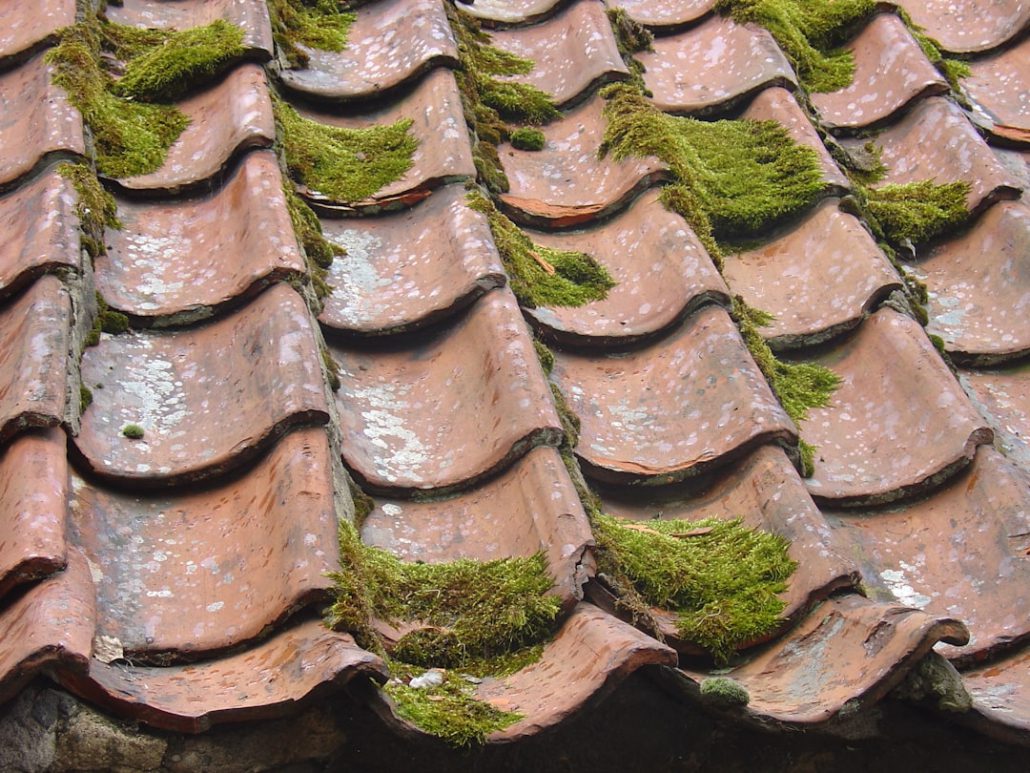
- Widespread Moss and Algae Growth: While moss is a common sight in Oregon, heavy growth can lift shingles, trap moisture against the roof deck, and accelerate wood rot.
Why Homeowners Ask: How Old Is Too Old for a Roof When Buying a Home?
When you are in the market for a new home in communities like Lake Oswego, West Linn, or Tigard, the age of the roof is one of the most critical factors in your negotiations. A roof that is approaching its 20th year can become a massive financial liability immediately after closing.
Buyers frequently ask how old is too old for a roof because an aging roof can prevent you from securing a mortgage or obtaining homeowners insurance. Many lenders will hesitate to approve a loan on a home with a roof near the end of its life unless a professional roof certification letter is provided.
A roof certification is a formal document issued by a licensed roofing contractor after a thorough inspection. It details the current condition of the roof and provides an official estimate of its remaining service life (typically certifying it for at least another 2 to 5 years). If you are preparing to buy or sell, understanding the frequency and depth of these evaluations is key. Check out our guide on How Often Should You Have Your Roof Inspected? to learn what to expect.
Recognizing the Red Flags: How Old Is Too Old for a Roof in Rainy Climates?
In the Pacific Northwest, our unique climate forces us to look at roof aging through a very different lens than contractors in dry, sunny regions. In places like Beaverton, Hillsboro, and Vancouver, WA, persistent moisture and overcast skies create the perfect breeding ground for moss, mold, and mildew.
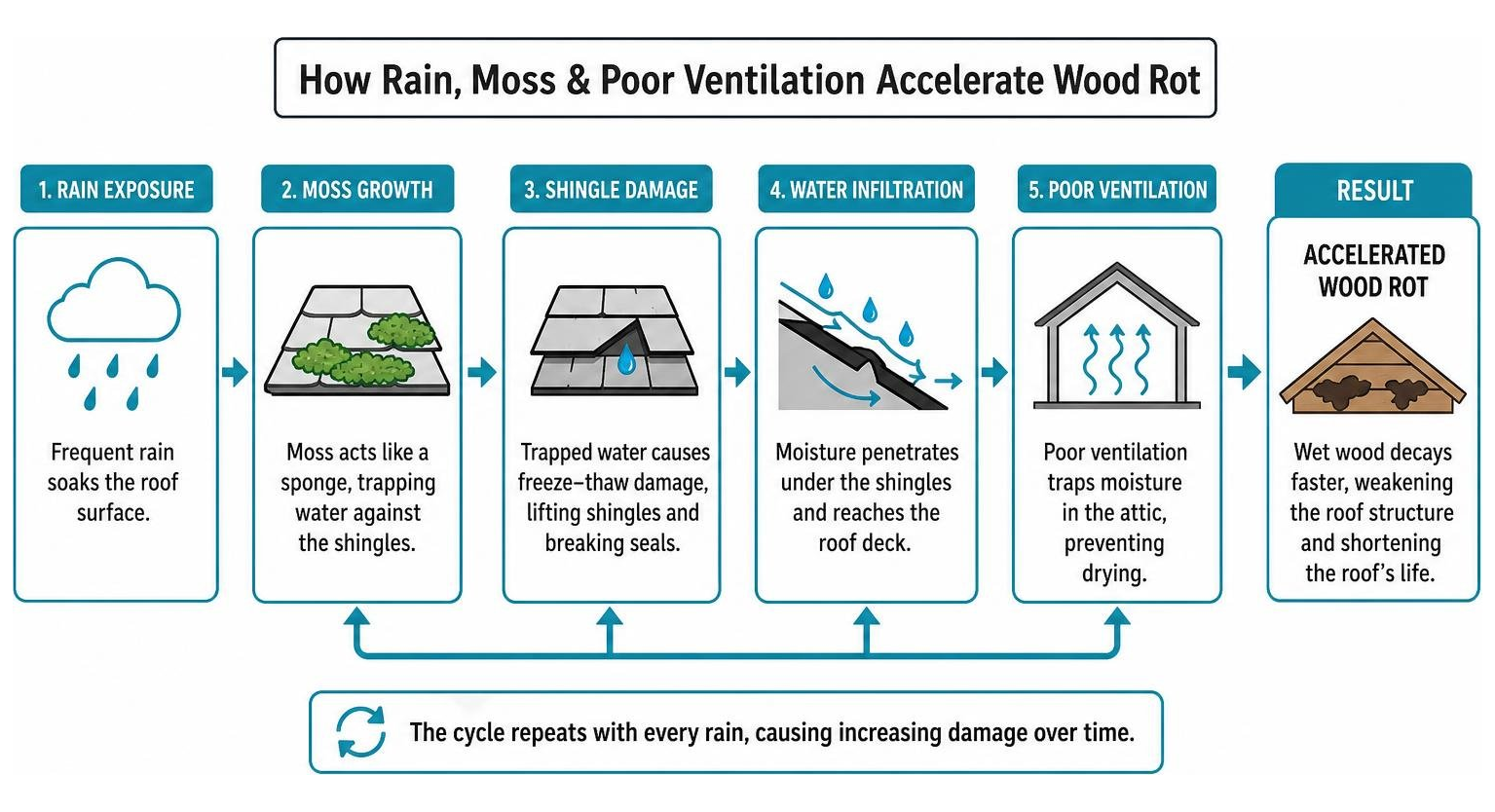
When moss takes root on an older asphalt shingle roof, it acts like a sponge, holding rainwater directly against the shingles. During our winter freeze-thaw cycles, this trapped water expands, lifting the shingles and breaking the adhesive seals. Once those seals are broken, wind-driven rain easily gets pushed underneath, leading to hidden deck rot and mold growth in your attic.
Because of this constant moisture pressure, a roof in our region often reaches its physical limit faster than the manufacturer’s theoretical lifespan indicates. To keep your home dry and safe, it is highly beneficial to learn How to Extend the Life of Your Roof in Rainy Climates. Additionally, you can read about how our local weather systems interact with different roofing materials by exploring How Portland Weather Affects Roof Lifespan.
The Insurance, Financial, and Safety Risks of an Aging Roof
Leaving an old, failing roof over your head is a gamble that carries heavy financial and safety risks. As we move through 2026, insurance companies are using increasingly advanced tools — including high-resolution satellite imagery and drone inspections — to evaluate properties.
If an insurer’s aerial scan detects curling shingles, heavy moss, or sagging sections on a roof that is over 15 years old, they may issue a notice of non-renewal. This leaves you with a tight window to replace the roof or face policy cancellation, which can force you into high-risk insurance markets with incredibly high premiums.
Furthermore, the type of coverage you have changes dramatically as your roof ages.
- Replacement Cost Value (RCV): This coverage pays to replace your damaged roof with a brand-new one of similar quality, minus your deductible.
- Actual Cash Value (ACV): Once a roof passes a specific age threshold (often 10 to 20 years depending on the material and insurer), many companies automatically switch your policy to ACV. Under ACV, the insurer depreciates the value of your roof based on its age. If a major storm damages a 19-year-old roof, the payout you receive will be significantly reduced, leaving you to cover the vast majority of the replacement out of pocket.
For a detailed look at how these insurance policies operate under real-world conditions, read our guide on How Roof Age Affects Your Insurance Claim.
Beyond the insurance headache, delaying a replacement exposes your home to severe structural risks. An aging roof is far more vulnerable to storm damage. In fact, research shows that roofs with less than 4 years of remaining life experience 50% more damage during severe weather events compared to roofs with 8 or more years of remaining life. When an old roof fails during a heavy storm, the resulting water infiltration can destroy attic insulation, ruin drywall, spark electrical hazards, and promote toxic black mold growth within days.
Repair vs. Replacement: Making the Right Decision
When your roof starts showing its age, you have to answer a fundamental question: Can I get away with a spot repair, or is it time for a full replacement? Making the wrong choice can lead to throwing good money after bad.
Generally, minor repairs make sense if the roof is relatively young (under 15 years old), the damage is isolated to a small area (such as a few shingles blown off during a windstorm), and the underlayment and decking are completely dry and intact.
However, if your roof is past the 20-year mark and is experiencing widespread issues, patching is merely a temporary band-aid. For example, if you have old, brittle shingles, attempting to nail down new ones can actually crack and damage the surrounding shingles, creating even more leak points.
To help weigh these options carefully, we recommend reading Should I Repair or Replace My Roof?. If you determine that your roof still has some good years left but needs professional attention to stay in top shape, you can learn practical tips in our guide on How to Extend the Life of Your Roof.
To help you make the right call, consider this quick decision checklist:
- Age of the Material: If your asphalt roof is over 20 years old, replacement is almost always the smarter long-term investment.
- Scope of the Damage: If more than 30% of the roof is showing signs of wear (curling, cracking, or missing shingles), a spot repair will not suffice.
- Active Leak History: If you have experienced recurring leaks in multiple different areas of your home, the entire system is failing.
- Decking Condition: Soft spots or sagging sections indicate that the wood underneath is rotting and must be replaced.
- Future Plans: If you plan on staying in your home for the long term, or if you are preparing to install solar panels, starting with a fresh, reliable roof is highly recommended.
Frequently Asked Questions About Roof Age
Navigating the rules around roof age, insurance underwriting guidelines, and contractor documentation can feel overwhelming. Here are direct answers to the questions we hear most often from local homeowners.
Can my insurance company cancel my policy solely because of roof age?
Yes. In most states, insurance companies have the legal right to non-renew your policy at the end of its term if they determine your roof is too old to safely protect the home. While some states have introduced consumer protection regulations to prevent arbitrary cancellations on roofs under 15 years old, insurers still maintain strict underwriting guidelines regarding visible wear, moss, and material deterioration.
How does roof age affect storm damage vulnerability?
As roofing materials age, they lose their physical flexibility and wind resistance. Asphalt shingles become brittle as their essential oils dry out, making them much easier for high winds to lift and tear away. This degradation is why roofs nearing the end of their lifespan experience 50% more damage during severe storms than newer, more resilient roofing systems.
What documentation proves my roof’s age to an insurer?
To prove the age of your roof to an insurance provider, you should gather and keep:
- The Original Contractor Invoice: A dated, detailed invoice from a licensed roofing company showing a completed replacement.
- Building Permits: A copy of the closed building permit from your city or county.
- A Roof Certification Letter: A formal assessment signed by a certified roofing inspector confirming the roof’s condition and estimated remaining life.
- Manufacturer Warranty Registration: Proof that your shingles or metal roofing materials were registered for warranty on a specific date.
Conclusion
Determining how old is too old for a roof isn’t just about counting the years since it was installed. It is about understanding how our rainy Pacific Northwest climate, your specific roofing material, and changing insurance standards all work together. Keeping a close eye on your roof’s condition and acting proactively can save you from costly water damage, structural repairs, and unexpected insurance cancellations.
At Raindrop Roofing NW, we do things differently. As a family-owned, truly local roofing company based in Beaverton, Oregon, we serve our neighbors throughout the Portland metro area with honest advice and certified craftsmanship. Unlike large, out-of-state corporate operations driven by sales quotas, our focus is on building long-term relationships and providing genuine accountability to our community.
If you are unsure about the true age or health of your roof, we are here to help you get clear, honest answers. Schedule a professional roof inspection with Raindrop NW today, and let our experienced team help you protect your home for the years ahead.




Leave a Reply
Want to join the discussion?Feel free to contribute!