• Link to X
  • Link to Instagram
  • Link to Youtube
  • Link to Facebook
  • Link to WhatsApp
CALL: (503)526-3887 or EMAIL: info@raindropnw.com
RAINDROP ROOFING NW | PORTLAND, OR
  • Home
  • About Us
    • About Raindrop Roofing NW
    • Our Team
    • Areas We Serve
    • Who We Support
    • Our Commitment to a Greener Future
    • Careers
    • Blog
  • Residential Roofing
    • Services
      • New / Replacement Roofs
      • Repairs and Maintenance
      • Remodels and Additions
      • Balconies, Patios, and Flat Decks
      • Roof Inspections and Certifications
    • Financing
    • Roof Gallery
    • Roof Types and Products
    • Manufacturer-Certified Roofing Contractor
    • Owner Resources
  • Commercial Roofing
    • Services
      • New and Replacement Roofs
      • Estimates and Inspections
      • Warranties
      • Real Estate Partnerships
      • Roof Certifications
    • Commercial Gallery
    • Roof Types and Products
    • Featured Project
  • Reviews
  • Contact Us
  • Menu Menu
You are here: Home1 / Roof Replacement

Storm Damage Repair vs Full Replacement: In Depth Guide

Roof Replacement

After a Storm Hits, Here’s How to Know If You Need a Repair or a Full Replacement

When it comes to storm damage repair vs full replacement, there is no single right answer for every roof — but there are clear signals that point you in the right direction. Here is a fast-reference breakdown before we go deeper:

Repair is likely the right choice when:

  • Damage is isolated to one small area or a single slope
  • Your roof is under 10 years old and otherwise in good condition
  • Matching shingles are still available from the manufacturer
  • There is no structural damage to the decking or rafters

Full replacement is likely the right choice when:

  • Damage covers multiple slopes or more than 25–30% of the roof surface
  • Your roof has reached 80% or more of its expected lifespan
  • Shingles are too brittle to repair without causing further damage
  • Your original shingle line has been discontinued
  • There is active water intrusion, sagging, or compromised decking

Most Oregon homeowners don’t think much about their roof until a windstorm tears through the Portland metro or a week of heavy rain reveals a leak they didn’t know was coming. After the storm passes, the question hits fast: is this something you patch, or is it time to start over?

The answer depends on more than just what you can see from the ground. Storm damage — whether from wind, impact, or persistent water intrusion — can hide beneath the surface in ways that a quick visual check will never catch. Shingles that look fine from the street may have broken seals, cracked underlayment, or granule loss that is quietly shortening the life of your roof with every rain that follows.

That is exactly why this decision deserves a clear, honest framework — not a sales pitch.

I’m Torrey Yungeberg, owner of Raindrop Roofing NW, and after years of inspecting storm-damaged roofs across Beaverton, Portland, and the surrounding communities, I’ve seen how often the storm damage repair vs full replacement decision gets made too quickly, without the right information. My goal here is to give you that information so you can make the call that actually protects your home long-term.
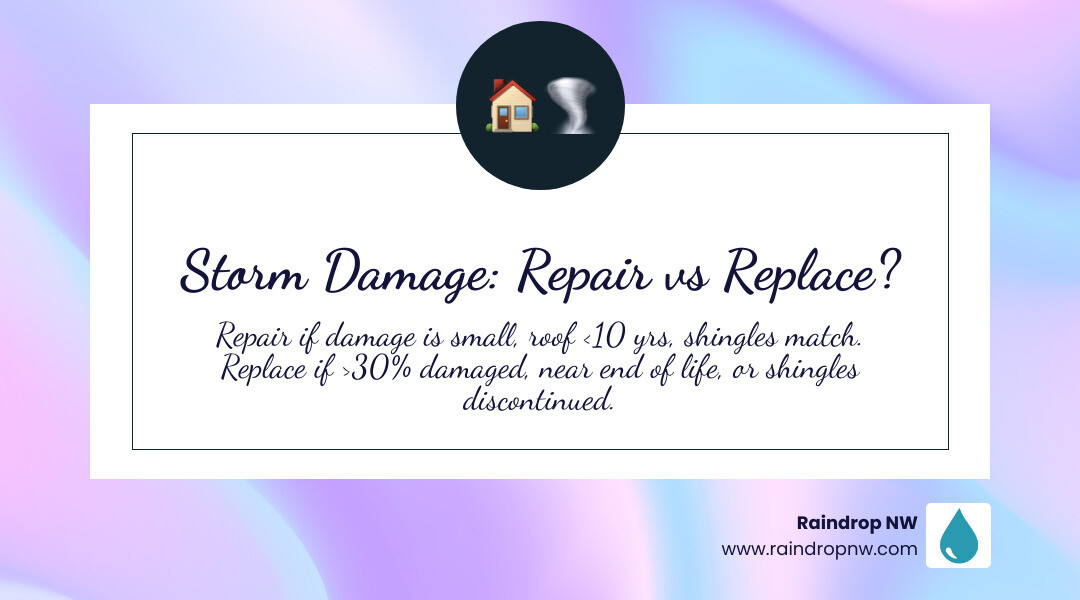
infographic showing post-storm roof decision process repair vs replacement key factors at a glance infographic

Key Factors in Storm Damage Repair vs Full Replacement
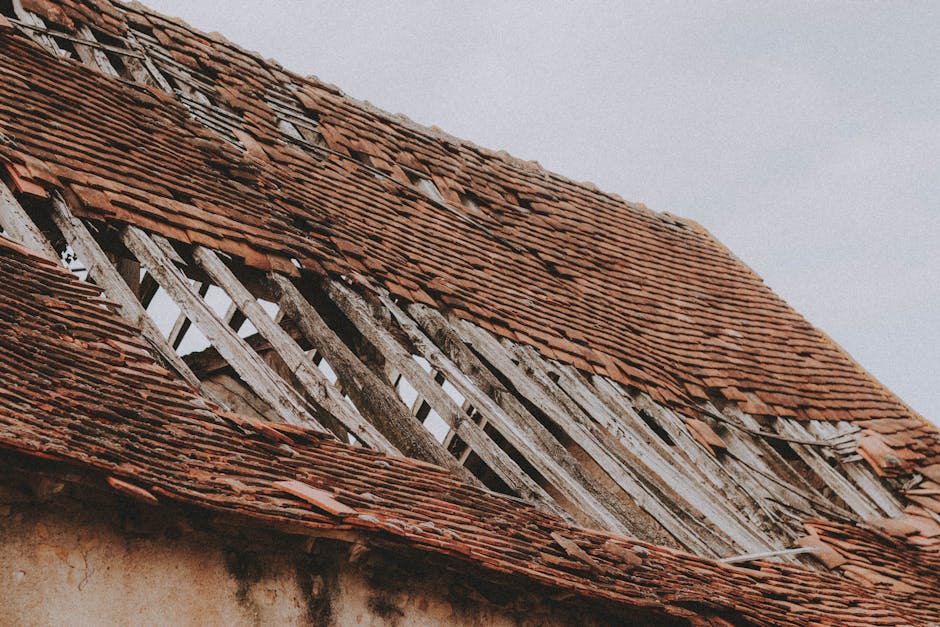
wind damaged shingles on a residential roof in the Pacific Northwest

When we step onto a roof in Beaverton or Portland after a major weather event, we don’t just look at the missing shingles. We look at the roof as a complete, interconnected system. Deciding whether to patch a few areas or replace the entire system requires looking at several intersecting variables.

To make an informed decision, we always weigh the following core factors:

  • The Extent of the Damage: Is the damage concentrated on a single slope, or has the storm impacted multiple sides of your home?
  • The Damage Pattern: Are we looking at a clean, localized impact (like a fallen tree branch in one spot) or widespread, systemic issues (like wind uplift across the entire roof)?
  • The Repair History: Has this roof been patched multiple times in the past? A roof that is already a patchwork of different repairs is structurally weaker and far more prone to future leaks.

Every roof has a tipping point where continuing to invest in localized fixes becomes a poor financial decision. If you want to dive deeper into how we weigh these initial factors, you can read our detailed guide on Should I Repair or Replace My Roof.

The 30% Rule and the 25% Building Code Threshold

In the roofing industry, we use two key thresholds to remove the guesswork from the storm damage repair vs full replacement equation. One is a financial rule of thumb; the other is a strict legal building code.

The 30% Rule is a simple financial calculation: if the cost to responsibly repair your storm damage exceeds 30% of the price of a full replacement, a new roof is mathematically the better investment. At that point, you are spending a significant portion of the cost of a new roof on a system that still carries its old age, old warranties, and existing wear.

The 25% Rule is a regulatory standard that often dictates the decision for us. According to the Oregon Structural Specialty Code and many insurance guidelines, if more than 25% of a roof area requires repair within a 12-month period, building codes and insurers often require a full replacement to current standards.

This code exists for your safety. When more than a quarter of your roof is compromised, the structural integrity of the entire system is weakened. Trying to patch that much area means disturbing too many surrounding shingles, which ultimately compromises the home’s weather barrier.

How Roof Age and Lifespan Dictate the Decision

Your roof’s age is often the ultimate deciding factor. An asphalt shingle roof in the Pacific Northwest typically has an expected service life of 20 to 30 years, depending on ventilation, maintenance, and exposure to our damp climate.

If your roof has reached 80% of its expected lifespan — which is roughly 16 to 20 years for a standard asphalt system — it should almost always be replaced following significant storm damage.

Why? It comes down to what we call the “brittle test.”

As shingles age, the sun’s UV rays and our seasonal temperature swings dry out the underlying asphalt, making them stiff and fragile. To repair a damaged shingle, a roofer must physically lift the shingles directly above it to access the nails. On an older roof, lifting those adjacent shingles will cause them to crack and crease, creating new damage in the process.

Before you spend money on a temporary patch, it is highly recommended to evaluate if those repairs will actually hold. You can learn more about this in our articles on Is It Worth Fixing an Old Roof and When Should You Replace Your Roof.

Evaluating Different Types of Storm Damage

Not all storms treat your roof the same way. A high-wind event in the Columbia River Gorge affects a roof completely differently than a heavy, wet snowstorm or a rare valley hailstorm. Understanding the specific type of damage your roof has sustained is the first step in choosing the right path forward.

To learn more about how our local weather patterns interact with your home, explore our guides on How Wind Storms and Ice Affect Your Roof as well as How Persistent Rain and Humidity Stress Your Roof.

Wind Damage: Lifted Shingles and Broken Seals

Wind damage is the most common storm issue we see in the Portland metro area. Many homeowners think wind damage only means shingles lying in the yard, but the most dangerous wind damage is actually invisible from the ground.

Standard asphalt shingles rely on a factory-applied adhesive strip to seal them to the shingle below. Wind speeds as low as 60 mph can compromise standard shingle seals. When high winds get under a shingle, they lift it up, breaking that adhesive bond.

Even if the shingle settles back down and looks perfectly flat from your driveway, the seal is gone. The next rainfall will push water straight under that unsealed shingle, exposing your underlayment and roof decking to rot. If more than 25% of your roof has lost its adhesive seal, a localized repair is no longer viable, and a full replacement is required.

If you are dealing with active leaks or missing shingles after a wind event, read our Emergency Roof Repair Beaverton OR Guide for immediate steps to protect your home.

Hail and Impact Damage: Granule Loss and Structural Signs

While major hailstorms are less frequent in Western Oregon than in other parts of the country, we do experience severe convective storms that produce hail.

Hail damages shingles by bruising the underlying asphalt mat and knocking away the protective ceramic granules. These granules are your roof’s primary defense against the sun; once they are gone, the exposed asphalt will deteriorate rapidly under UV rays, leading to micro-fractures and leaks.
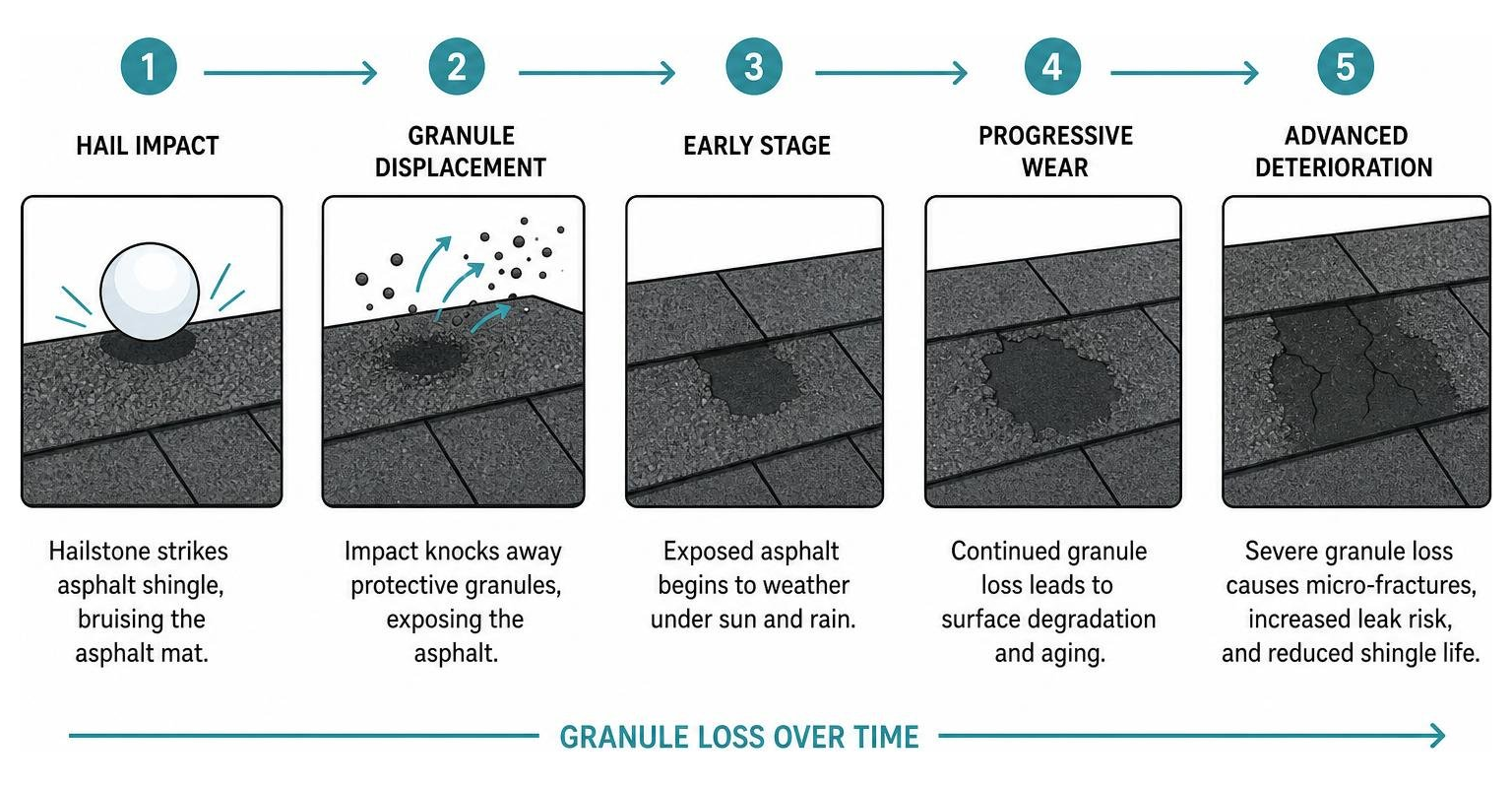
diagram showing hail impact on asphalt shingle and resulting granule loss over time

Beyond shingles, severe storms can cause structural damage that demands immediate attention. Keep an eye out for these critical structural warning signs:

  • Cracked Rafters or Trusses: Visible in your attic after a heavy snow load or tree impact.
  • Sagging Rooflines: A clear sign that the roof decking or structural support has been compromised.
  • Deep Depressions: Areas where heavy limbs have compromised the plywood decking beneath the shingles.

How We Assess Storm Damage Repair vs Full Replacement

We don’t believe in guessing when it comes to your home’s protection. When our family-owned team performs a post-storm inspection, we follow a rigorous, objective checklist to determine the healthiest path for your roof.

Our assessment process includes:

  1. A Ground-Level Scan: Checking for missing shingles, damaged metal flashing, and gutter alignment.
  2. On-Roof Physical Inspection: Checking shingle pliability, checking adhesive seals, and looking for hail bruising.
  3. Moisture Detection & Attic Check: We head into your attic space to look for active leaks, water stains on rafters, and signs of compromised roof decking.
  4. The Brittle Test: Gently lifting a few shingles to see if they can withstand a repair without cracking.

Understanding these technical details helps you compare your options logically. For a closer look at the financial trade-offs of these two paths, see our breakdown on the Cost of Repairing vs Replacing Your Roof.

The Shingle Matching Problem and Insurance Realities

One of the most common surprises for homeowners during a post-storm repair is the shingle matching problem.

Even if your roof is only seven or eight years old, matching the exact color, style, and manufacturer of your existing shingles can be incredibly difficult. Shingle manufacturers frequently update their product lines, and older shingle styles are regularly discontinued. Furthermore, years of exposure to Oregon’s rain and sun will naturally fade your existing roof, meaning even a “matching” shingle from the same line will look like a bright, obvious patch.

In many local neighborhoods, a heavily mismatched roof doesn’t just hurt your curb appeal — it can violate strict Homeowners Association (HOA) guidelines. If a seamless match is impossible, insurance companies are often required to fund a full replacement rather than leaving you with an unsightly, multi-colored roof.

Navigating Insurance Claims for Storm Damage Repair vs Full Replacement

Navigating an insurance claim after a storm can feel overwhelming, but understanding your policy type makes a massive difference.

Most homeowners policies cover sudden, accidental damage from wind and hail. However, how much they pay depends on whether you have an Actual Cash Value (ACV) or a Replacement Cost Value (RCV) policy:

  • RCV (Replacement Cost Value): Covers the actual cost to replace your roof with a new one of similar quality, minus your deductible. This is the most protective policy type.
  • ACV (Actual Cash Value): Depreciates the payout based on the age and pre-existing wear of your roof. If you have a 15-year-old roof under an ACV policy, your payout will be significantly lower, leaving you to cover the remaining balance out-of-pocket.

Having a trusted local contractor present when the insurance adjuster inspects your roof ensures that all damage is documented accurately from day one. To learn more about this process, read Does Insurance Cover Roof Replacement and our step-by-step guide on How to File a Roof Damage Insurance Claim.

Upgrading to Class 4 Impact Resistant Shingles

If your insurance company approves a full replacement after a storm, it represents a unique opportunity to upgrade your home’s protection. Investing a little extra to install Class 4 impact-resistant shingles is one of the smartest long-term upgrades you can make.

Class 4 shingles are engineered with a polymer-modified asphalt that allows them to withstand severe impacts without cracking. Because they are so durable, many insurance providers offer premium discounts of 15% to 35% on your wind and hail coverage once they are installed.

To help you visualize the long-term value of your options, here is a direct comparison of repair versus a full replacement:

Decision Factor Localized Storm Repair Full Roof Replacement
Immediate Out-of-Pocket Cost Low (typically paid out-of-pocket or under deductible) Moderate (deductible only, if covered by insurance)
Warranty Coverage Limited strictly to the patched area Comprehensive, system-wide manufacturer warranty
Curb Appeal & Matching Potential for mismatched, faded patches Perfect, uniform appearance across all slopes
Future Storm Resilience Surrounding older shingles remain vulnerable High resilience (especially with Class 4 upgrades)
Home Resale Value Neutral or negative (mismatched patches can deter buyers) High (adds strong selling point and peace of mind)

What to Do Immediately After a Storm

When a severe storm clears, taking fast, structured action is key to protecting your home and securing your insurance coverage.

Here is your immediate post-storm action plan:

  1. Prioritize Safety First: Never climb onto a wet, storm-damaged roof yourself. Keep your inspections at ground level.
  2. Document Everything: Walk around your property and take high-quality photos and videos of any visible damage, including shingles in the yard, dented gutters, fallen limbs, and interior water stains on your ceilings.
  3. Check for Hidden Leaks: Head into your attic with a flashlight to look for active drips or damp insulation.
  4. Schedule a Professional Inspection: Call a reputable, local roofing contractor to perform a hands-on, safe inspection and provide a detailed damage report.

For a deeper look at why timing is so critical after a weather event, see How Weather Events Trigger the Need for Inspections.

Frequently Asked Questions about Storm Damage

How do I know if my roof damage can be repaired or requires a full replacement?

If the damage is limited to a small, isolated area (less than 25% of the roof), the shingles are still flexible enough to undergo repair, and matching materials are available, a repair is usually the best choice. If the damage is widespread, shingles are brittle, or there is structural sagging, a full replacement is necessary.

What is the 30% rule in roofing?

The 30% rule states that if the cost to repair your storm-damaged roof exceeds 30% of the cost of a complete roof replacement, it is mathematically more sensible to invest in a full replacement. This prevents you from spending significant money on a system that is already nearing the end of its useful life.

Will insurance cover a full roof replacement after a storm?

Yes, if the damage was caused by a covered peril like wind or hail, and the damage is widespread enough to meet your insurer’s replacement threshold (or if matching shingles are unavailable). Your actual out-of-pocket cost will depend on whether you have an RCV or ACV policy.

Conclusion

Making the choice between storm damage repair vs full replacement doesn’t have to be overwhelming. By understanding the age of your roof, the extent of the damage, and the local building codes, you can make a decision that protects both your home and your financial investment.

At Raindrop NW, we pride ourselves on being a truly local, family-owned company serving Beaverton, Portland, and our surrounding communities. We aren’t an out-of-state corporation looking for a quick payout after a storm; we live and work in this community, and our multi-generational commitment means we stand behind our workmanship for the long haul.

If you suspect your roof has taken damage from a recent storm, don’t wait for a small leak to turn into a major headache. Contact us today to schedule a transparent, professional assessment through our Raindrop NW Roof Inspections and Certifications service, and let’s make sure your home is ready for whatever the Pacific Northwest weather brings next.

https://www.raindropnw.com/wp-content/uploads/2026/08/pexels-photo-32394146.avif 627 940 SEO Stats https://www.raindropnw.com/wp-content/uploads/2024/05/logo-raindrop-space-300x92.png SEO Stats2026-08-25 09:09:392026-08-25 09:09:39Storm Damage Repair vs Full Replacement: In Depth Guide

How to Know When Replacing Your Roof Makes More Sense

Roof Replacement

Should I Repair or Replace My Roof? Here’s How to Decide

Should I repair or replace my roof is one of the most common — and most stressful — questions homeowners face. The short answer depends on a few key factors:

  • Repair if your roof is under 15 years old, the damage is isolated to one area, and the fix costs less than 30% of a full replacement
  • Replace if your roof is 20+ years old, damage is widespread, you’ve had multiple repairs in recent years, or repair costs approach or exceed 30% of replacement cost
  • When in doubt, a professional inspection from a trusted local roofer will give you a clear, honest answer

The wrong call in either direction costs you real money. Replacing a roof that still had years of life left is wasteful. But patching an aging, failing roof over and over can end up costing more than a replacement would have — while leaving your home exposed to water damage, mold, and structural problems in the meantime.

Here in the Pacific Northwest, that risk is especially real. Oregon’s wet winters and moss-prone climate put roofs under steady pressure year-round, which means small problems don’t stay small for long.

I’m Torrey Yungeberg, owner of Raindrop Roofing NW, and with decades of hands-on roofing experience across Oregon and Southwest Washington, I’ve helped countless homeowners work through exactly this decision — whether to repair or replace their roof — without the pressure or guesswork. Let’s walk through everything you need to know so you can make the right call for your home and your budget.

Roof repair vs replacement decision tree infographic for homeowners - should i repair or replace my roof infographic

Understanding Roof Lifespan and Material Durability

various roofing materials including asphalt metal and tile - should i repair or replace my roof

Every roofing material has a “best before” date. While we all want our roofs to last forever, the reality is that the elements in Beaverton and Portland—heavy rain, wind, and the occasional snow—constantly wear down the protective layers of your home. Understanding what your roof is made of is the first step in answering should i repair or replace my roof.

Asphalt Shingles

The most common material in our area, asphalt shingles generally last between 15 and 30 years. Standard 3-tab shingles are on the lower end of that spectrum, often needing attention after 15–20 years. If you have architectural shingles, you can expect a bit more longevity, typically 25–30 years, thanks to their thicker, multi-layered construction.

Metal Roofing

Metal is becoming increasingly popular in the Pacific Northwest because it handles our wet climate so well. A high-quality metal roof can last 40 to 70 years. While it’s a bigger initial investment, the frequency of repairs is significantly lower than asphalt.

Clay Tile and Slate

These are the heavyweights of the roofing world. Clay and concrete tiles can last 50 to 100 years, while slate is known to last over a century. However, these materials are heavy and require a sturdy structural base. In our region, the primary concern for these roofs isn’t the material failing, but rather the underlayment beneath them reaching the end of its life.

The NW Oregon Factor: Moss and Moisture

In cities like Hillsboro, Tigard, and Lake Oswego, we have a unique “roof killer”: moss. Moss acts like a sponge, holding moisture against the shingles and roots can actually lift the shingles up, allowing water to seep into the roof deck. If moss has been left untreated for years, it can turn a simple repair job into a necessary replacement by rotting the wood underneath.

How age affects the choice: should i repair or replace my roof?

Age is the strongest predictor of whether a repair is a smart investment or just throwing money away. If your asphalt roof is hitting the 20-year mark, the materials are likely becoming brittle. UV damage from our summer sun makes shingles lose their flexibility, meaning they can no longer expand and contract with the temperature.

If you look at our roof gallery, you’ll see that newer roofs have a uniform, vibrant look. An older roof often looks “tired”—you might see dark streaks (algae), bald spots where granules have washed away, or shingles that look thin. If your roof is past 80% of its expected lifespan, we almost always recommend replacement over repair because a fix in one spot won’t stop a leak from popping up in another next month.

Key Signs You Need a Full Roof Replacement

Sometimes the roof tells you exactly what it needs. If you’re walking around your property in Tualatin or Sherwood and notice these “red flags,” it’s time to consider new replacement roofs rather than a simple patch.

  1. Curling or Buckling Shingles: When shingles curl up (cupping) or lose their flat shape, they are no longer shedding water properly. This is a sign of extreme age or poor attic ventilation.
  2. Granules in the Gutters: Check your downspouts. If you see what looks like coarse black sand, those are the granules that protect your shingles from the sun. Once they’re gone, the shingle will crack and fail quickly.
  3. Daylight in the Attic: This is a big one. If you go into your attic on a sunny day and see slivers of light coming through the roof boards, water can get in too.
  4. Sagging Roof Deck: A sagging line along the ridge or a “dip” in the roof surface is a sign of structural damage. This usually means the decking (the wood under the shingles) has rotted from long-term moisture exposure.
  5. Widespread Leaks: One leak might be a fluke; three or four leaks in different areas indicate a systemic failure.

When localized damage means you should i repair or replace my roof

Not every problem requires a brand-new roof. In many cases, repairs and maintenance are the perfect solution.

  • Missing Shingles: If a recent windstorm in Camas or Vancouver blew off a few shingles but the rest of the roof is in great shape, we can easily replace those specific pieces.
  • Flashing Failure: The metal “flashing” around chimneys, vents, and skylights is a common leak point. If the shingles are healthy but the flashing has pulled away or rusted, a repair is a cost-effective way to extend the roof’s life.
  • Minor Pipe Boot Leaks: The rubber seals around plumbing vents can dry out and crack. Replacing these is a quick fix that prevents interior water damage without needing a full overhaul.

The 30% Rule: Should I Repair or Replace My Roof?

In the roofing industry, we often use the 30% Rule as a financial guide. If the cost of your repairs exceeds 30% of what a full replacement would cost, it’s usually smarter to replace. Why? Because you’re paying a significant portion of a new roof’s price just to keep an old, depreciating asset on life support.

Considering Your Future Plans

Are you planning to sell your home in West Linn or Wilsonville in the next year? A new roof can recoup 60% to 80% of its cost in home value and makes the house much easier to sell. Buyers are often scared off by a roof that looks like it will need replacement soon. On the flip side, if you just moved in and plan to stay for 30 years, investing in a high-quality replacement now gives you decades of peace of mind.

Energy Efficiency and Comfort

Old roofs often have poor ventilation, which traps heat in the summer and moisture in the winter. A modern replacement includes updated ventilation systems that can lower your energy bills and make your home more comfortable.

Homeowners Insurance: RCV vs. ACV

Understanding your insurance policy is vital when deciding should i repair or replace my roof.

  • Replacement Cost Value (RCV): These policies pay to replace your roof with a brand-new version of the same quality, regardless of how old it is.
  • Actual Cash Value (ACV): These policies pay the “depreciated” value. If your 20-year-old roof is damaged, they will only pay what a 20-year-old roof is worth, leaving you to cover a large portion of the replacement cost out of pocket.

Always have a professional roof inspection done before filing a claim. We can help you document the damage so you have the best chance of a fair payout.

Comparison Table: Repair vs. Replacement

Feature Choose Repair If… Choose Replacement If…
Roof Age Under 15 years old 20+ years (for asphalt)
Damage Scope Localized (one area) Widespread (multiple slopes)
Repair Cost Less than 30% of replacement More than 30% of replacement
Future Plans Staying short-term/Tight budget Staying long-term/Selling soon
Structural Integrity Decking is solid and dry Decking is sagging or rotted
Recent History This is your first major issue You’ve patched it 3 times recently

Frequently Asked Questions about Roof Maintenance

Deciding on a roof project involves a lot of paperwork and technical questions. We’ve gathered some owner resources to help you navigate the process.

Does homeowners insurance cover a new roof?

Insurance typically covers “sudden and accidental” damage. This includes windstorms, fallen trees, or hail. It generally does not cover “wear and tear” or lack of maintenance. If your roof is leaking because it’s 30 years old and the shingles have worn out, insurance likely won’t pay. However, if a storm in Gresham or Clackamas rips off shingles, you may be covered.

Can I install a new roof over my old one?

This is called “reroofing” or an overlay. While it can save money in the short term because there is no tear-off labor, we generally advise against it. Most building codes only allow for two layers of shingles. More importantly, an overlay hides the roof deck. If there is rot underneath, you won’t know until it’s too late. A full tear-off is the only way to ensure the structural integrity of your home.

How do I find a reliable local roofing contractor?

Look for manufacturer certifications. Companies that are certified by the people who make the shingles (like GAF or Owens Corning) can offer better warranties because the manufacturer trusts their installation quality.

Also, check for local ownership. Many roofing companies in the Portland area have been bought out by out-of-state investment firms. At Raindrop NW, we are independently owned and based right here in Beaverton. This means we are accountable to our neighbors and our community, not a board of directors in another state.

Conclusion

Choosing whether to repair or replace your roof is a big decision, but you don’t have to make it alone. At Raindrop NW, we believe in long-term service and accountability. We’ve been part of the Beaverton and Portland-metro community for generations, and we treat every roof as if it were protecting our own families.

Whether you need a minor leak fixed in Oregon City or a full commercial roof replacement in Vancouver, our team provides the craftsmanship and clarity you deserve. We won’t pressure you into a replacement if a repair is the better move, and we won’t let you waste money on patches if your roof is truly failing.

Ready for an honest assessment? Schedule your residential roofing consultation with us today. We’ll provide a thorough inspection and help you choose the path that keeps your home safe and dry for years to come.

https://www.raindropnw.com/wp-content/uploads/2026/05/pexels-photo-34304714.jpeg 627 940 SEO Stats https://www.raindropnw.com/wp-content/uploads/2024/05/logo-raindrop-space-300x92.png SEO Stats2026-05-13 09:52:212026-05-13 09:52:21How to Know When Replacing Your Roof Makes More Sense

Why Metal Roofs Are Often Ideal for New Homes and Replacing Roofs on Older Homes

Residential Roofing, Roof Replacement, Roofing

When considering the best roofing options for either new construction or renovations on older homes, the benefits of metal roofing stand out for several compelling reasons. With exceptional durability, energy efficiency, and design versatility, metal roofs are a smart investment for homeowners looking to protect and enhance their property for the long term.

The Durability and Longevity of Metal Roofs

One of the most notable advantages of metal roofs is their incredible durability. Unlike traditional asphalt shingles, which typically require replacement every 20 years, metal roofs can last 50 years or more with minimal upkeep. They are engineered to endure extreme weather conditions, including strong winds, heavy rain, and hail. This level of resilience makes them particularly well-suited for areas prone to frequent storms. Additionally, metal roofs are both fire-resistant and pest-resistant, providing an added layer of protection for your home.

Energy Efficiency and Environmental Sustainability

Metal roofs contribute not just to durability but also to energy efficiency. Their reflective surfaces help reduce heat absorption during the summer months, keeping interior temperatures cooler and decreasing reliance on air conditioning. This results in noticeable energy savings over time. From an environmental standpoint, metal roofing is a sustainable option. Most metal roofing materials contain a significant amount of recycled content and are fully recyclable at the end of their lifespan, reducing landfill waste and supporting eco-conscious construction.

The Aesthetic Appeal of Metal Roofs

Modern metal roofing is far from industrial or utilitarian. Homeowners can now choose from a wide range of colors, finishes, and profiles that complement virtually any architectural style—from sleek contemporary homes to rustic farmhouses. Whether you’re constructing a new home or updating an older property, metal roofing offers design flexibility that enhances curb appeal.

Maintenance and Care for Metal Roofs

Despite their strength, metal roofs do require some maintenance to maximize their lifespan. Regular inspections can help identify any minor issues before they become larger problems. Occasional cleaning to remove leaves and debris, along with gutter maintenance, ensures water flows properly away from the roof. With just a little ongoing care, your metal roof will continue to perform and look great for decades.

Cost Considerations

While metal roofing often involves a higher upfront cost compared to traditional shingles, it pays off over time. The long life span, reduced maintenance, and energy efficiency of metal roofs can lead to significant long-term savings. For many homeowners, the investment is well worth it when considering the reduced need for roof repairs and replacements.

Ready to Explore Metal Roofing Options for Your Home?

Raindrop Roofing NW in Beaverton, OR is here to help. Our team of experts will guide you through the process of selecting and installing the ideal metal roof for your home. We understand the unique challenges of roofing in the Pacific Northwest and are committed to providing high-quality service and craftsmanship. Call us today at (503) 526-3887 or complete our online form to request an estimate. Let us help you protect and beautify your home with a durable, energy-efficient metal roof.

https://www.raindropnw.com/wp-content/uploads/2025/09/gallery_metal_1754428998-scaled.jpeg 1920 2560 Ryan Bowen https://www.raindropnw.com/wp-content/uploads/2024/05/logo-raindrop-space-300x92.png Ryan Bowen2025-09-26 15:19:532025-09-29 15:22:37Why Metal Roofs Are Often Ideal for New Homes and Replacing Roofs on Older Homes

How Intense UV Rays Can Wreak Havoc on a Roof

Roof Maintenance, Roof Replacement

The strength and longevity of your roof, a critical component of your home’s protection, are significantly affected by its exposure to the sun’s ultraviolet (UV) rays. In areas with abundant sunshine throughout the year, understanding how intense UV radiation deteriorates roofing materials is essential. By shedding light on the science of UV damage and practical strategies for prevention, this guide helps homeowners take proactive steps to protect their investment.

The Science Behind UV Damage to Roofs

UV-related roof damage begins with a process called photodegradation. This chemical reaction breaks down the molecular bonds in roofing materials when exposed to ultraviolet radiation. Over time, photodegradation leads to visible and structural issues such as fading, cracking, and brittleness. These changes compromise the roof’s integrity and can eventually result in failure if left unaddressed.

The Vulnerability of Different Roofing Materials to UV Rays

  1. Asphalt Shingles: A Common Target
    Asphalt shingles are popular for their affordability and accessibility. However, they are particularly susceptible to UV damage. Prolonged exposure can cause granule loss, surface cracking, and reduced effectiveness in protecting your home from the elements.

  2. Metal Roofing: Not Immune Either
    While known for durability, metal roofs can also suffer from UV exposure. Issues like fading and chalking not only affect aesthetics but can also signal underlying problems, such as reduced weather resistance when maintenance is neglected.

Early Signs of UV Damage

Identifying UV damage early can help prevent minor issues from becoming major repairs. Be on the lookout for:

  • Fading or discoloration of roofing materials

  • Granules collecting in gutters (a sign of asphalt shingle deterioration)

  • Warping or blistering of coatings and membranes

Recognizing these warning signs can save you time, money, and potential damage to your home.

Mitigation Strategies to Protect Your Roof

Protecting your roof from UV damage involves several proactive steps:

  1. Routine Inspections
    Schedule regular professional inspections to detect early signs of UV damage and address them promptly.

  2. Use of UV-Resistant Materials
    Choose roofing products that are specifically designed to resist UV degradation, especially when repairing or replacing your roof.

  3. Reflective Roof Coatings
    Apply reflective coatings that deflect UV rays and reduce the surface temperature of your roof.

  4. Proper Ventilation
    Ensure your attic and roof systems are well-ventilated. This minimizes heat buildup, which can amplify the effects of UV exposure.

Investing in Roof Maintenance and Protective Measures

The key to extending your roof’s lifespan is ongoing maintenance and smart material choices. UV-resistant materials and reflective coatings not only help protect against solar damage but can also improve energy efficiency by keeping indoor temperatures lower during hot months. This makes your home more comfortable and reduces cooling costs.

Protect Your Investment with Raindrop Roofing NW

In Beaverton, OR, where intense UV exposure is a year-round reality, protecting your roof means protecting your entire home. At Raindrop Roofing NW, we specialize in durable, UV-resistant roofing solutions designed to withstand the elements and extend your roof’s lifespan. Don’t wait for damage to appear. Schedule a professional roof inspection today. Call Raindrop Roofing NW at (503) 526-3887 or fill out our online form to get started. Your roof deserves expert care that keeps it strong, efficient, and ready for every season.

https://www.raindropnw.com/wp-content/uploads/2025/09/gallery_uv-rays-on-metal-roof_1754428997.jpg 1414 2120 Ryan Bowen https://www.raindropnw.com/wp-content/uploads/2024/05/logo-raindrop-space-300x92.png Ryan Bowen2025-09-18 01:39:502025-09-29 15:23:14How Intense UV Rays Can Wreak Havoc on a Roof

A Comprehensive Guide to Roof Shingle Installation

Roof Replacement, Roofing, Shingle Roofing

Roof shingles play a crucial role in protecting homes from the elements, enhancing curb appeal, and improving energy efficiency. Whether you’re tackling a DIY project or hiring professionals, understanding the shingle roof installation process is essential. This guide outlines the key steps and considerations for a successful roofing project.

Essential Steps for Shingle Roof Installation

1. Prepping for Shingle Installation

Proper preparation sets the stage for a smooth installation. Gather the necessary tools and materials, including a hammer or nail gun, utility knife, broom, chalk line, safety gear (harness and non-slip shoes), and shingles. Before installing anything, inspect the roof deck thoroughly. Replace any damaged or rotting wood, and ensure the surface is clean and dry to provide a stable foundation.

2. Installing the Roof Deck Protection Layer

A water-resistant underlayment, such as roofing felt, is the next critical step. This layer provides secondary protection against moisture infiltration. Begin at the bottom edge of the roof and roll the underlayment horizontally, overlapping each row by at least 4 inches. This creates a watertight seal that enhances your roof’s durability.

3. Proper Shingle Installation

Start by applying starter strips at the eaves to create an effective water-shedding edge. Then, lay the first row of shingles directly above the starter strip, working your way upward. Follow the manufacturer’s recommendations for nailing patterns to ensure each shingle is securely attached. Accurate alignment and nail placement are essential to maximize wind resistance and overall longevity.

4. Addressing Roof Penetrations and Valleys

Pay extra attention to vulnerable areas like chimneys, vents, and valleys. These are common points for leaks. Install metal flashing around these penetrations before laying shingles in those areas. Use roofing cement to seal the flashing and create a watertight barrier.

5. Applying Finishing Touches

Complete the installation by installing hip and ridge shingles at the roof’s peak. These should overlap properly to ensure effective water drainage. Once the shingles are in place, conduct a final inspection and remove any debris from the worksite. Make sure all materials are securely fastened and flashing is intact.

Cost Considerations

The overall cost of shingle roof installation varies based on the materials chosen, labor rates, and the complexity and size of the roof. Asphalt shingles are a popular and cost-effective choice due to their balance of durability, aesthetic appeal, and affordability. For the most accurate estimate, consult with a roofing contractor who can assess your specific situation.

FAQs on Shingle Installation

Homeowners often ask:

  • How long does installation take?
    Project duration depends on roof size, weather, and crew experience.

  • What are the different types of shingles?
    Options include asphalt, wood, metal, and composite, each with its own advantages.

  • How can I extend my roof’s lifespan?
    Regular maintenance, prompt repairs, and proper ventilation all contribute to longevity.

  • What should I budget for a new roof?
    Costs vary, but getting quotes from local professionals ensures you plan accurately.

Get Started with Professional Assistance

At Raindrop Roofing NW, we specialize in high-quality shingle roof installations designed to meet your unique needs. If you’re considering a new shingle roof in Beaverton, OR, give us a call at (503) 526-3887 or fill out our online form. Our experienced team is ready to guide you through every step, ensuring a durable and attractive roofing solution that lasts.

https://www.raindropnw.com/wp-content/uploads/2025/09/gallery_raindrop-2_1753978621-scaled.jpeg 2560 1836 Ryan Bowen https://www.raindropnw.com/wp-content/uploads/2024/05/logo-raindrop-space-300x92.png Ryan Bowen2025-09-10 13:08:152025-09-13 02:21:09A Comprehensive Guide to Roof Shingle Installation

Roof Replacement: How Can It Benefit Your Home?

Roof Replacement

When contemplating home improvement, roof replacement often comes with a high price tag and significant disruption to daily life. However, the advantages of investing in a new roof extend far beyond mere aesthetics, touching on everything from improved energy efficiency to increased property value. Let’s delve into the myriad of benefits that a roof replacement offers, reinforcing why this substantial home upgrade should not be overlooked.

Enhanced Home Value

A new roof undeniably boosts your home’s curb appeal, but its advantages stretch further into enhancing the overall market value of your property. Prospective buyers prioritize homes that won’t necessitate immediate repairs, making a recent roof replacement a compelling selling point. This investment not only makes your home more attractive to a wider buyer pool but can also significantly elevate the property’s selling price, offering a solid return on investment.

Improved Energy Efficiency

One of the less visible but impactful benefits of roof replacement is the improvement in your home’s energy efficiency. Modern roofing materials and technologies can dramatically reduce heat gain during summer and heat loss in winter, leading to lower heating and cooling costs. All of the Raindrop Roof Consultants are experts in maximizing the efficiency of your ventilation system, which can make your home more comfortable and potentially decrease your energy bills.

Safety and Protection

An aging or damaged roof can pose serious risks, from leaks that invite mold and water damage to compromised structural integrity that can falter under severe weather. By replacing your old roof, you protect your home from potential hazards, ensuring a safer living environment for you and your family. Modern roofing systems also come with enhanced weather resistance and durability, offering peace of mind through seasons of harsh weather.

Lower Maintenance Costs

While a new roof represents a considerable upfront investment, it can save you money in the long term. Older roofs may require frequent repairs to address leaks, missing shingles, or wear and tear, which can quickly add up. A new roof, especially when installed by professionals, will necessitate minimal maintenance, freeing you from the costs and inconvenience of regular fixes.

Increase in Aesthetic Appeal

Replacing your roof offers the perfect opportunity to update the look of your home. With a wide array of materials and styles available, you can choose a roofing solution that enhances your home’s architectural style and personal taste. From classic asphalt shingles to modern metal roofing, the right choice can transform the visual appeal of your property, making it stand out in your neighborhood.

Convenience and Longevity

Modern roofing materials are not only more aesthetically pleasing but also designed to last longer. Investing in a roof replacement means you’re likely securing your home’s top layer for several decades. This longevity, coupled with warranties on materials and workmanship, offers homeowners long-term convenience and assurance.

Conclusion

Ultimately, the decision to replace your roof goes beyond fixing visible damage; it’s a worthwhile investment in your home’s future value, safety, and energy efficiency. If you’re noticing signs of wear or if your roof is nearing the end of its expected lifespan, considering a replacement is not just prudent—it’s essential.

For homeowners contemplating a roof replacement, Raindrop Roofing NW is your go-to expert. We understand the significance of a solid, reliable roof and offer comprehensive services to ensure your home is well-protected and beautifully enhanced.

Ready to Enhance Your Home with a New Roof?

If the benefits discussed resonate with your current home needs, we invite you to contact Raindrop Roofing NW for a detailed consultation and free inspection. Our experienced team is here to guide you through every step, ensuring a smooth and satisfactory roof replacement experience. Please feel free to call us at (503) 526-3887 or fill out our online form. We proudly serve homeowners in Beaverton, OR, and are committed to delivering top-notch quality and service.

https://www.raindropnw.com/wp-content/uploads/2025/07/gallery_malarkey-legacy-black-oak_1753482042.jpg 1068 1600 Ryan Bowen https://www.raindropnw.com/wp-content/uploads/2024/05/logo-raindrop-space-300x92.png Ryan Bowen2025-07-28 19:34:252025-07-28 19:34:53Roof Replacement: How Can It Benefit Your Home?

Roof Replacement: How Often You Should Replace Based on the Type of Roof You Have

Roof Replacement, Roofing

When it comes to maintaining and investing in your home, the roof is one of the most critical components to consider. A well-installed and maintained roof not only protects your home from the elements but can also enhance its energy efficiency and curb appeal. However, roofs aren’t built to last forever, and knowing when to […]

Read more
https://www.raindropnw.com/wp-content/uploads/2025/07/gallery_raindrop-roofing-nw_1741183251-scaled.jpg 1703 2560 Ryan Bowen https://www.raindropnw.com/wp-content/uploads/2024/05/logo-raindrop-space-300x92.png Ryan Bowen2025-04-28 19:42:372025-07-28 19:50:32Roof Replacement: How Often You Should Replace Based on the Type of Roof You Have
Search Search
  • Plant & PlantJuly 15, 2015 - 3:40 pm

Categories

  • Chimneys
  • general
  • Gutter Cleaning
  • Gutter Maintenance
  • Gutters
  • Low Slope Roofing
  • News
  • Personal
  • Residential Roofing
  • Roof Inspections
  • Roof Leak Repair
  • Roof Maintenance
  • Roof Replacement
  • Roofing
  • Roofing Services
  • Shingle Roofing
  • Uncategorized

CLICK FOR A FREE ESTIMATE

CLICK NOW

Phone: (503)526-3887
Email:
info@raindropnw.com

Mon–Fri: 9:00am – 5:00pm
8305 SW Cirrus Dr.
Beaverton, OR 97008

Raindrop Roofing NW LLC BBB Business Review

 
Previous Previous Previous Next Next Next

©2026 Copyright - RAINDROP ROOFING NW | PORTLAND, OR
  • Link to X
  • Link to Instagram
  • Link to Youtube
  • Link to Facebook
  • Link to WhatsApp
Scroll to top Scroll to top Scroll to top

This site uses cookies. By continuing to browse the site, you are agreeing to our use of cookies.

AcceptDecline

Cookie and Privacy Settings


How we use cookies

We may request cookies to be set on your device. We use cookies to let us know when you visit our websites, how you interact with us, to enrich your user experience, and to customize your relationship with our website.

Click on the different category headings to find out more. You can also change some of your preferences. Note that blocking some types of cookies may impact your experience on our websites and the services we are able to offer.

Essential Website Cookies

These cookies are strictly necessary to provide you with services available through our website and to use some of its features.

Because these cookies are strictly necessary to deliver the website, refusing them will have impact how our site functions. You always can block or delete cookies by changing your browser settings and force blocking all cookies on this website. But this will always prompt you to accept/refuse cookies when revisiting our site.

We fully respect if you want to refuse cookies but to avoid asking you again and again kindly allow us to store a cookie for that. You are free to opt out any time or opt in for other cookies to get a better experience. If you refuse cookies we will remove all set cookies in our domain.

We provide you with a list of stored cookies on your computer in our domain so you can check what we stored. Due to security reasons we are not able to show or modify cookies from other domains. You can check these in your browser security settings.

Analytics & Advertising Cookies

These cookies help us understand how visitors use our website (Google Analytics) and measure how well our advertising works, including the Meta (Facebook/Instagram) Pixel. They are only used if you allow them.

You can turn analytics and advertising cookies on or off here:

Other external services

We also use different external services like Google Webfonts, Google Maps, and external Video providers. Since these providers may collect personal data like your IP address we allow you to block them here. Please be aware that this might heavily reduce the functionality and appearance of our site. Changes will take effect once you reload the page.

Google Webfont Settings:

Google Map Settings:

Google reCaptcha Settings:

Vimeo and Youtube video embeds:

Privacy Policy

You can read about our cookies and privacy settings in detail on our Privacy Policy Page.

Footer
Accept settingsDecline
