When to Call a Roofer After Severe Weather: What Every Oregon Homeowner Needs to Know
Knowing when to call a roofer after severe weather can be the difference between a straightforward repair and a costly structural disaster. Here in the Portland metro and greater Beaverton area, Pacific Northwest storms — heavy rain, high winds, and the occasional ice event — can do serious damage to your roof fast. And the clock starts ticking the moment the storm passes.
Quick Answer: When Should You Call a Roofer After a Storm?
Call a roofer immediately if you notice any of the following:
- Active leaks or water dripping inside your home
- Missing, lifted, or visibly damaged shingles
- Sagging areas on the roofline
- A tree, branch, or large debris has struck the roof
- Visible holes or exposed roof decking
It is generally safe to wait a few days and monitor if:
- There are no visible signs of damage from the ground
- Your attic is dry with no signs of moisture
- No debris struck the roof during the storm
- The storm was relatively mild (light rain, low winds)
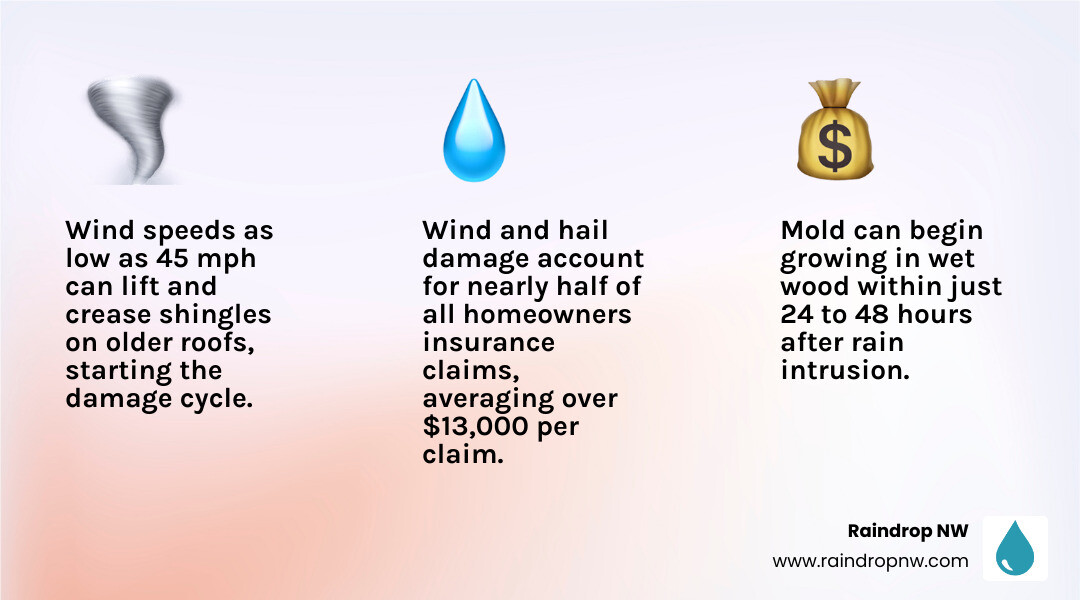
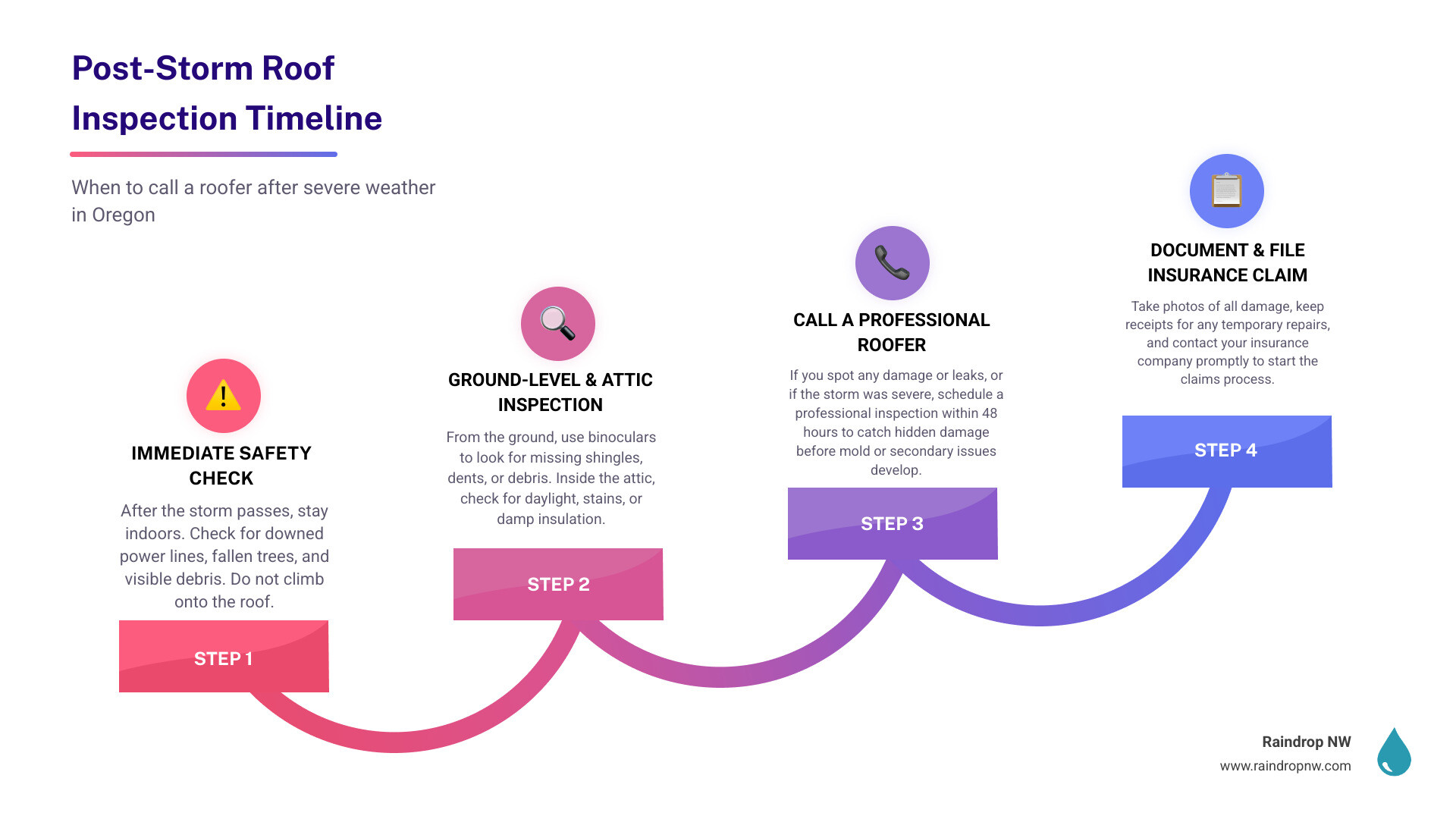
Regardless of which situation applies, scheduling a professional roof inspection within 48 hours of a severe storm is strongly recommended. Hidden damage — especially from hail or wind — often does not show up as an interior leak until the next rainfall. Mold can begin growing in warm, humid conditions within about 48 hours of water intrusion, so time genuinely matters.
I’m Torrey Yungeberg, owner of Raindrop Roofing NW, and after years of helping Oregon and Southwest Washington homeowners navigate the aftermath of Pacific Northwest storms, I know how confusing it can be to figure out when to call a roofer after severe weather — and what to do first. I’m here to walk you through every step clearly, so you can protect your home and make confident decisions without the stress.
Safety First: What to Do Immediately After a Storm
Before you even think about picking up the phone to call a roofer or your insurance company, you must prioritize personal safety. Severe weather can leave behind hazards that aren’t immediately obvious.
First, step outside and perform a visual sweep of your property. Look up and around. Are there any downed power lines touching your home, fence, or pooling water? If so, keep your distance and contact your utility provider immediately.
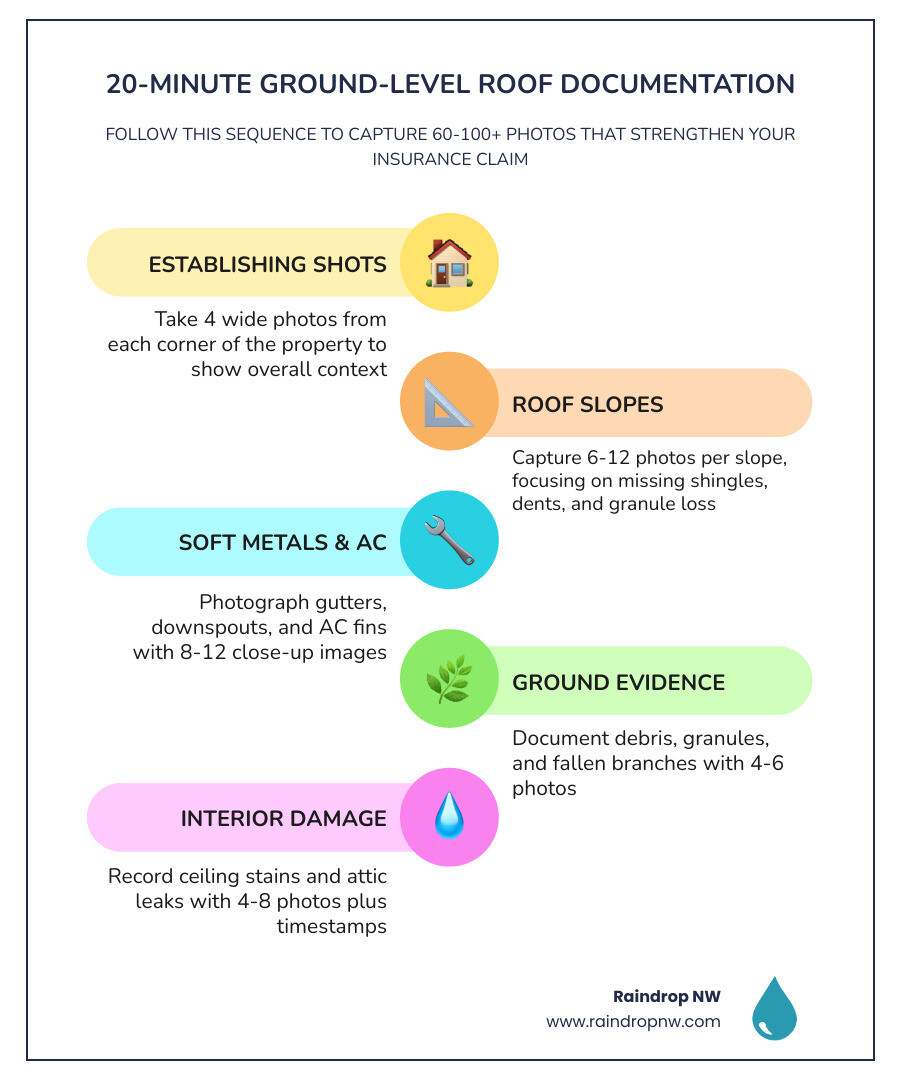
Next, perform a safe ground-level inspection. We cannot stress this enough: do not climb onto your roof. Wet shingles, loose debris, and compromised structural decking make DIY roof walking incredibly dangerous after a storm. Falling from a wet or structurally weakened roof is one of the leading causes of post-storm injuries for homeowners.
Instead, grab a pair of binoculars. Walk across your lawn or across the street where you have a clear angle, and carefully scan your roof. Take note of any obvious damage.
After checking the exterior from the safety of the ground, head inside for an attic check. Grab a flashlight and look for:
- Wet insulation or pooling water
- Water dripping from the underside of the roof decking
- Dark water stains on your rafters or drywall
- Sudden, musty odors that suggest trapped moisture
If you find yourself dealing with an active, major emergency like a fallen tree or a massive structural opening, you need local, rapid support. We have designed specialized resources to help you manage these high-stress situations without panic. Check out our guides on How to Handle a Hillsboro Roofing Emergency Without Losing Your Cool and How to Handle a Wilsonville Roof Emergency Fast.
For those living in our neighboring communities, we also offer step-by-step guidance in What to Do When You Need Emergency Roof Maintenance in Aloha, our comprehensive Emergency Roof Repair Beaverton OR Guide, and our local overview on Emergency Roof Replacement in Portland OR. If you are feeling overwhelmed, take a deep breath and read Don’t Panic Your Guide to Emergency Roof Repair in Aloha or learn how to respond quickly when Storms Brewing Get Your Forest Grove Roof Fixed Fast.
The Ultimate Checklist: When to Call a Roofer After Severe Weather

Understanding when to call a roofer after severe weather requires knowing exactly what different weather patterns do to your roofing materials. In the Pacific Northwest, our roofs face a unique combination of high wind gusts, heavy downpours, winter ice, and persistent humidity.
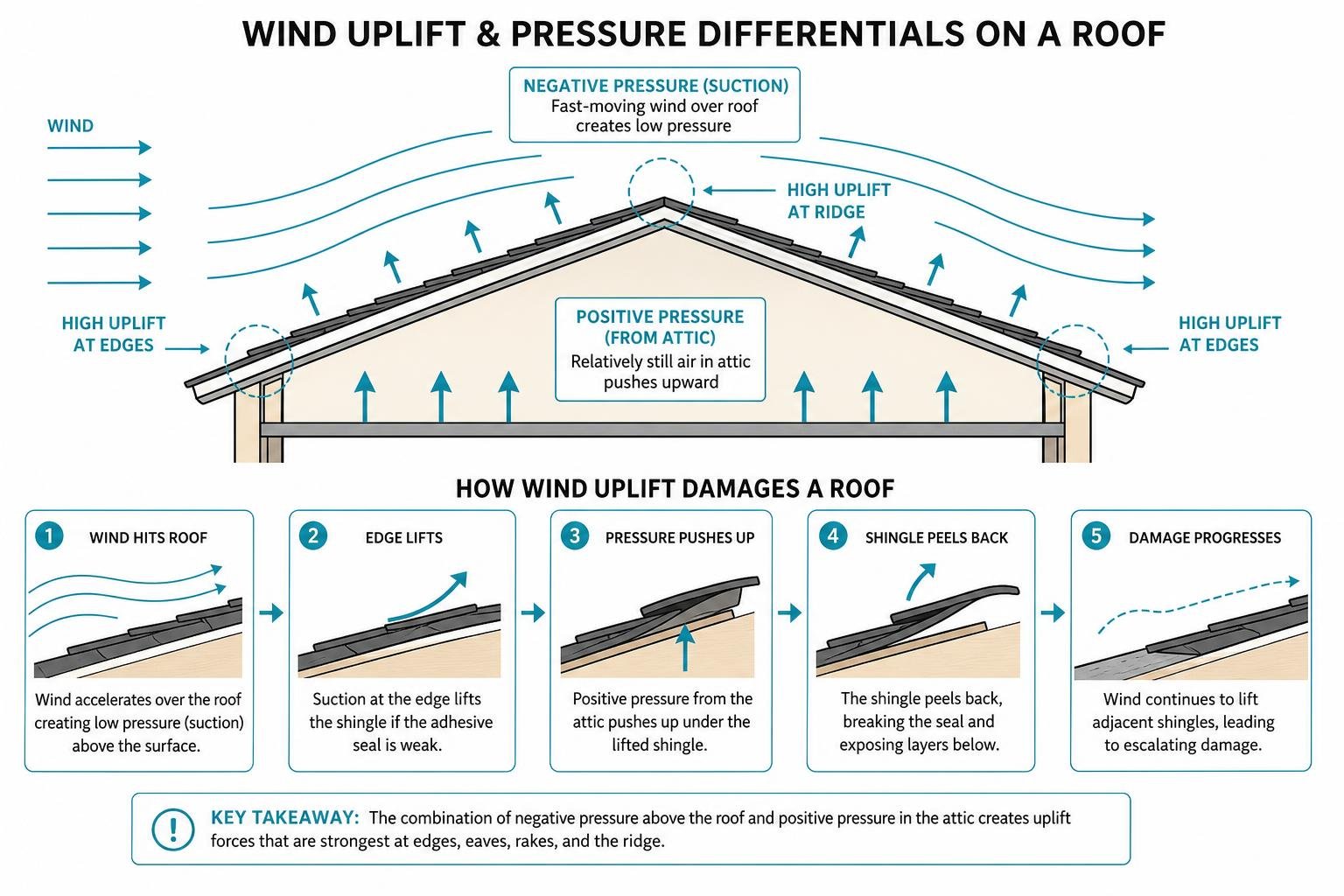
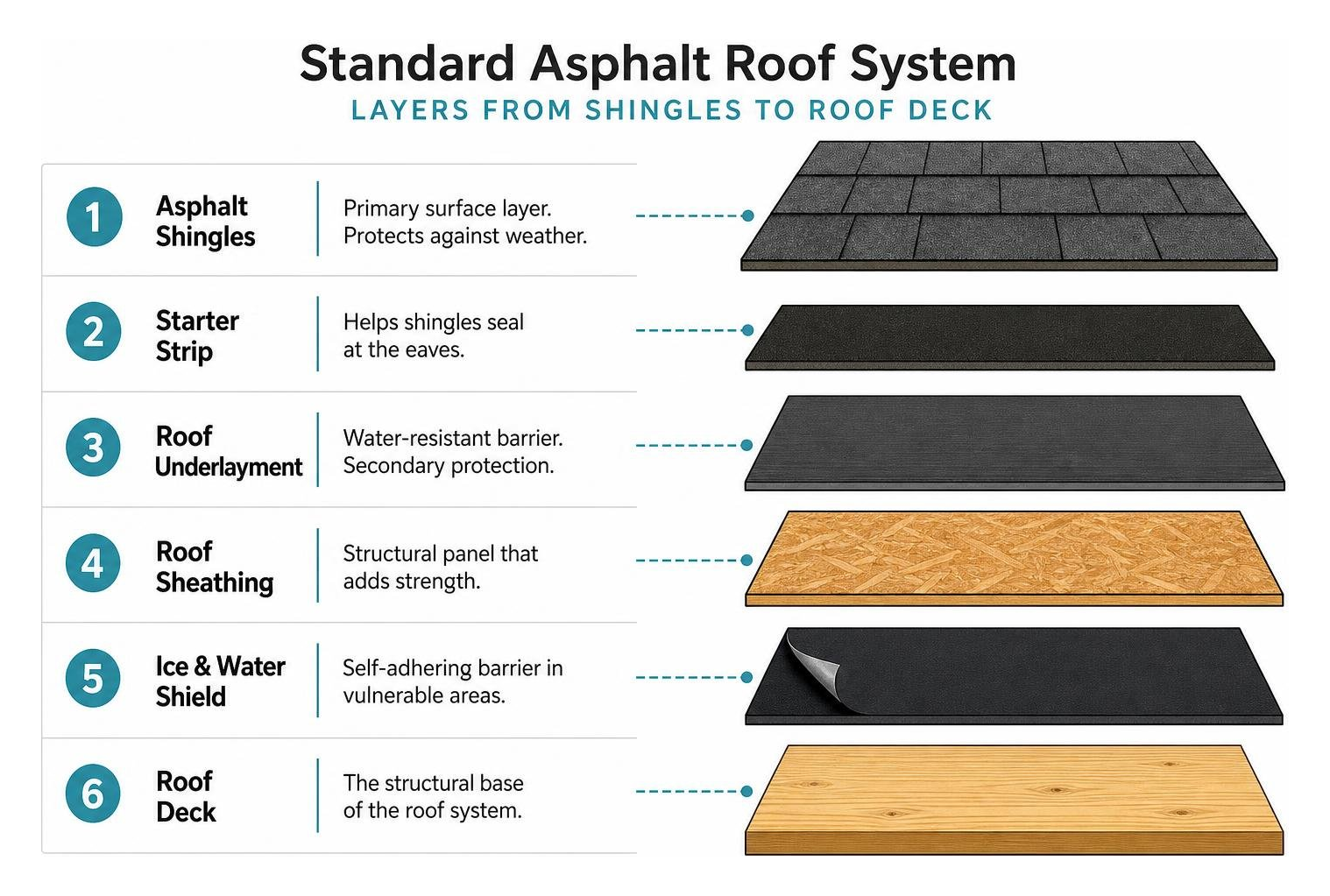
Wind and hail damage account for approximately 60% of all homeowners insurance claims related to roof damage in the United States. Wind can lift shingles, break their adhesive seals, or blow them off entirely, leaving the underlayment exposed to rapid water intrusion. Hail, even when small, can bruise the underlying asphalt mat of a shingle, knocking off its protective mineral granules and initiating a slow decay process.
To understand how these forces interact with your home over time, explore How Weather Events Trigger the Need for Inspections and How Wind Storms and Ice Affect Your Roof. Furthermore, our unique regional climate plays a massive role in material degradation. Learn more about these long-term environmental stresses in How Persistent Rain and Humidity Stress Your Roof, How Portland Weather Affects Roof Lifespan, and How Portland Metro Climate Affects Your Roof. In the colder months, you also have to watch out for freezing patterns, which we detail in How Ice Dams Form and What to Do About Them.
Spotting the Warning Signs: When to Call a Roofer After Severe Weather
When you perform your ground-level inspection, look for these specific warning signs:
- Shingle Granules in the Gutters: If you notice piles of coarse, sand-like granules near your downspout exits or inside your gutters, your shingles have lost their protective outer layer. This exposes the volatile asphalt beneath to UV rays and rain, accelerating rot.
- Damaged or Lifted Flashing: Flashing is the metal trim installed around chimneys, vents, skylights, and roof valleys. High winds can easily pry these metal pieces loose, giving wind-driven rain a direct path into your home.
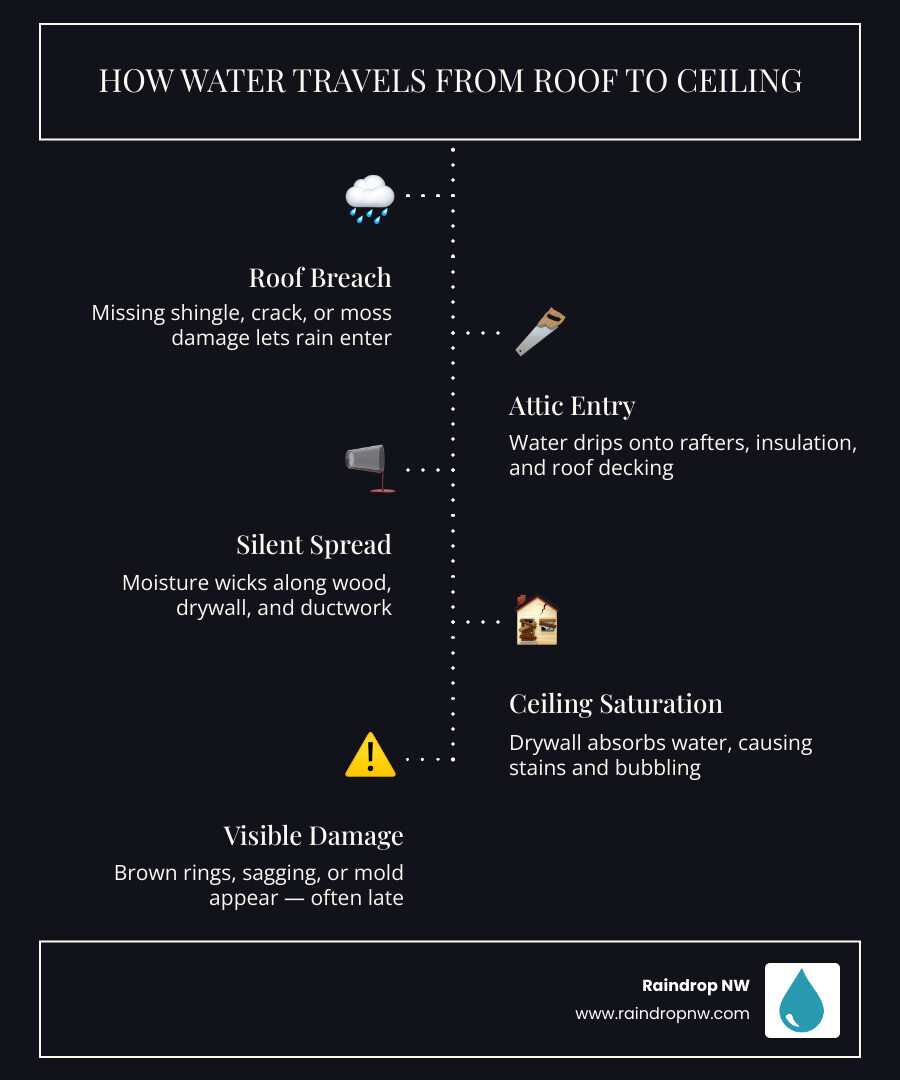
- Ceiling Stains and Wall Discoloration: Faint yellow, brown, or bubbling spots on your upper-floor ceilings or walls indicate that water has bypassed your roof and attic floor.
- Sudden Mold Growth: In warm, humid conditions, mold can begin growing within about 48 hours after water intrusion. If you smell a musty odor or see dark spots on attic rafters, you have an active leak.
- Spikes in Energy Bills: Wet insulation loses its thermal resistance. Nearly 50% of a home’s energy use goes toward heating and cooling, which can skyrocket if storm damage compromises your attic’s thermal envelope.
To protect your property from these compounding issues, read our guides on How to Protect Your Home From Water Damage Through Your Roof and Water Damage Prevention Tips for Pacific Northwest Homeowners.
Understanding the Timeline of When to Call a Roofer After Severe Weather
Timing is everything. Two clocks start ticking the moment a storm ends: the physical degradation clock and the insurance claim clock.
If there is active water intrusion or structural damage, you need to act within a strict 48-hour window to prevent secondary damage like mold, ruined drywall, and rotted rafters. Additionally, most insurance policies require “prompt notification” of damage. Delaying your call to a professional can result in insurance companies denying coverage for secondary water damage, claiming it was caused by owner neglect rather than the storm itself.
To keep your roof in optimal condition year-round, check out our advice on How Often Should You Have Your Roof Inspected and our specialized guide on Roof Inspection Frequency for Pacific Northwest Homes.
Navigating the Insurance Claim Process: Roofer or Insurance First?
One of the most common questions homeowners ask after a storm is: Should I call my insurance company or a roofing contractor first?
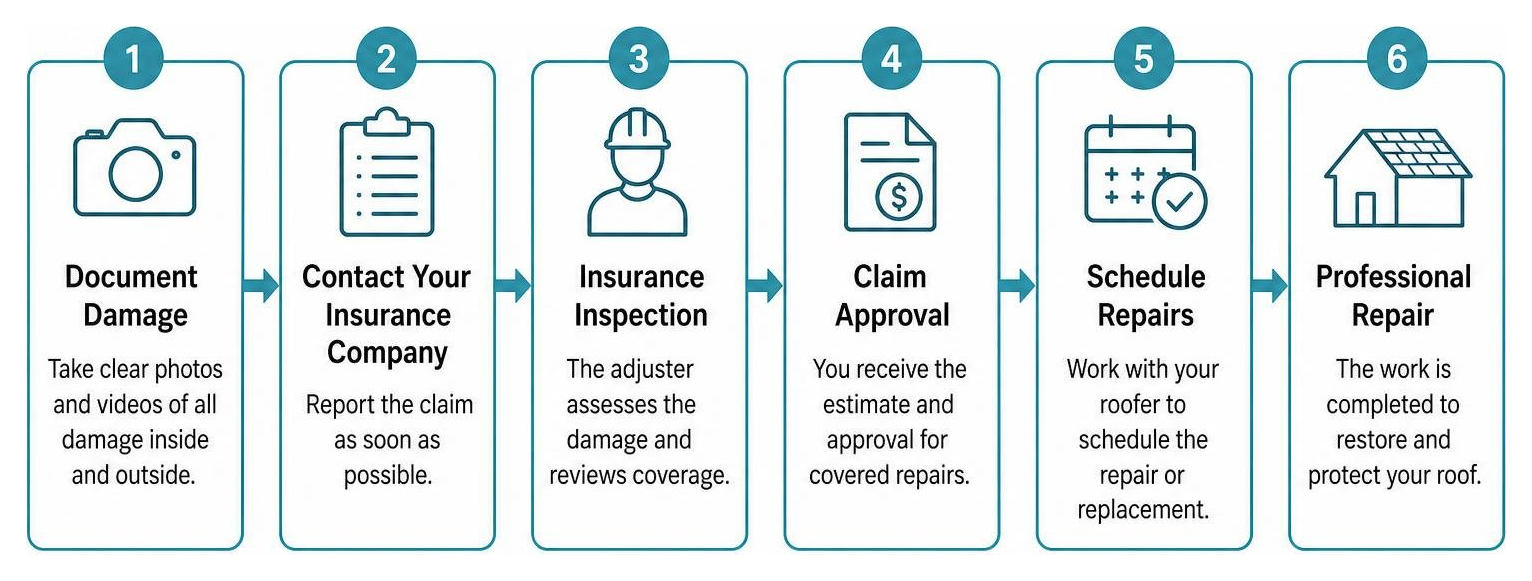
While it is tempting to call your insurance agent immediately, the best practice is almost always to call a trusted local roofer first. A professional roofer can perform a comprehensive inspection, document the precise damage with high-quality photos, and provide a detailed repair estimate. This ensures that when you do open an insurance claim, you have concrete, professional evidence to support it. If you call insurance first and an adjuster finds no storm-related damage, you have still registered a claim on your record, which can impact your premiums.

| Step | Action | Why It Matters |
|---|---|---|
| 1. Call a Local Roofer First | Schedule a professional storm damage inspection. | Obtains expert documentation, photos, and a detailed scope of repairs before filing. |
| 2. File the Insurance Claim | Contact your carrier with the roofer’s report in hand. | Initiates the claim with strong, irrefutable evidence of storm-specific damage. |
| 3. Adjuster Meeting | Have your roofer present when the insurance adjuster visits. | Ensures the adjuster doesn’t overlook subtle hail bruising or wind-lifted flashing. |
| 4. Review the Scope | Compare the adjuster’s payout with the roofer’s estimate. | Guarantees all necessary repairs and building code requirements are fully funded. |
To make sure you navigate this process smoothly, read How to File a Roof Damage Insurance Claim, and learn what is covered in Does Insurance Cover Roof Replacement. You can also dive deeper with our resources on Understanding Your Insurance Policy and Roofing Coverage and find out How Roof Age Affects Your Insurance Claim.
What a Professional Roof Inspection Catches That Homeowners Miss
While a ground-level binocular check is great for safety, it cannot replace a professional on-roof inspection. Homeowners often miss the subtle, high-risk signs of storm damage that our experienced technicians spot instantly.
During a professional inspection, we look for:
- Hail Bruising: Micro-fractures in the asphalt matting underneath the shingle granules that are invisible from the ground.
- Wind-Lifted Seals: Shingles that have had their adhesive strip broken by high winds. They lay flat when the wind stops, but they will leak during the next rainstorm.
- Subtle Flashing Separation: Tiny gaps in chimney or dormer flashing where wind-driven rain can seep in.
- Internal Attic Ventilation Issues: Checking to see if storm debris has blocked your ridge vents or soffits, which can trap heat and humidity, causing rapid mold growth.
To learn more about this detailed process, read What Happens During a Professional Roof Inspection. Regular assessments are key to saving money; discover how in How Regular Inspections Catch Problems Early, How Regular Inspections Prevent Major Problems, and How Inspections Prevent Costly Repairs.
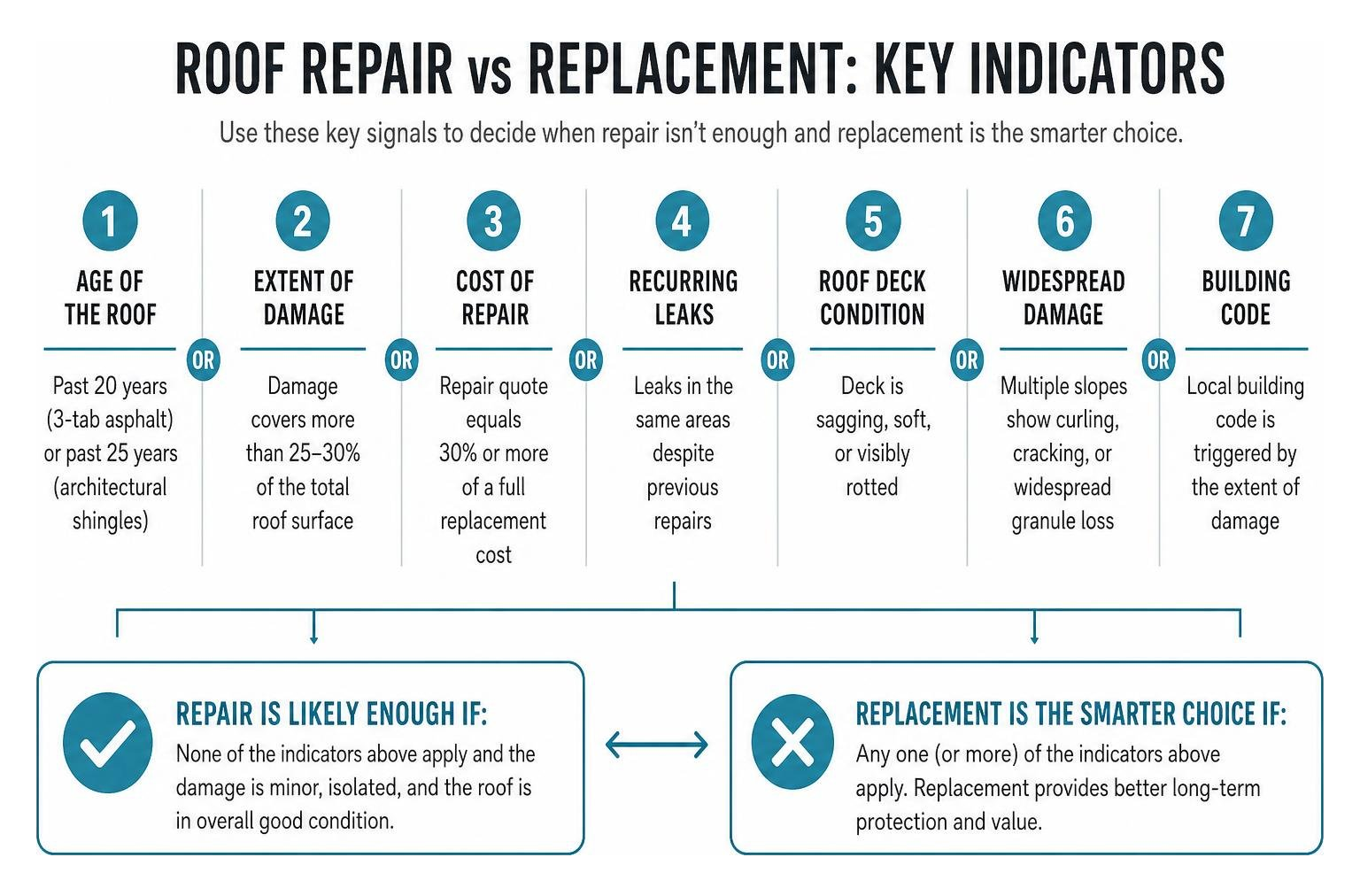
Repair vs. Replacement: Deciding the Best Path Forward
Once the damage is documented, the next step is deciding whether your roof needs a targeted repair or a complete replacement.
Generally, isolated damage — such as a few missing shingles from a fallen branch on a relatively new roof — can be resolved with a professional repair. However, if the damage is widespread (e.g., wind has lifted shingles across multiple slopes, or hail has bruised the entire roof), or if your roof is nearing the end of its lifespan, a full replacement is the smartest and most cost-effective path forward. In our wet, humid Pacific Northwest climate, patching an old, storm-damaged roof often just delays the inevitable while risking expensive structural rot.
To help you weigh your options, we’ve put together several detailed guides:
- Should I Repair or Replace My Roof
- When Should You Replace Your Roof
- Is It Worth Fixing an Old Roof
- Cost of Repairing vs Replacing Your Roof
If your roof is still in decent shape and you want to keep it that way, check out our tips on How to Extend the Life of Your Roof in Rainy Climates and How to Extend the Life of Your Roof.
How to Choose a Reputable Local Roofer and Avoid Storm-Chaser Scams
After a severe storm, out-of-state roofing companies — often called “storm chasers” — descend on affected neighborhoods. They knock on doors, offer “free roofs,” and pressure homeowners into signing contracts on the spot. These companies use cheap, subcontracted crews, pocket the insurance money, and vanish. When their poor workmanship inevitably fails a year later, their phone numbers are disconnected, and your manufacturer warranty is void because of improper installation.
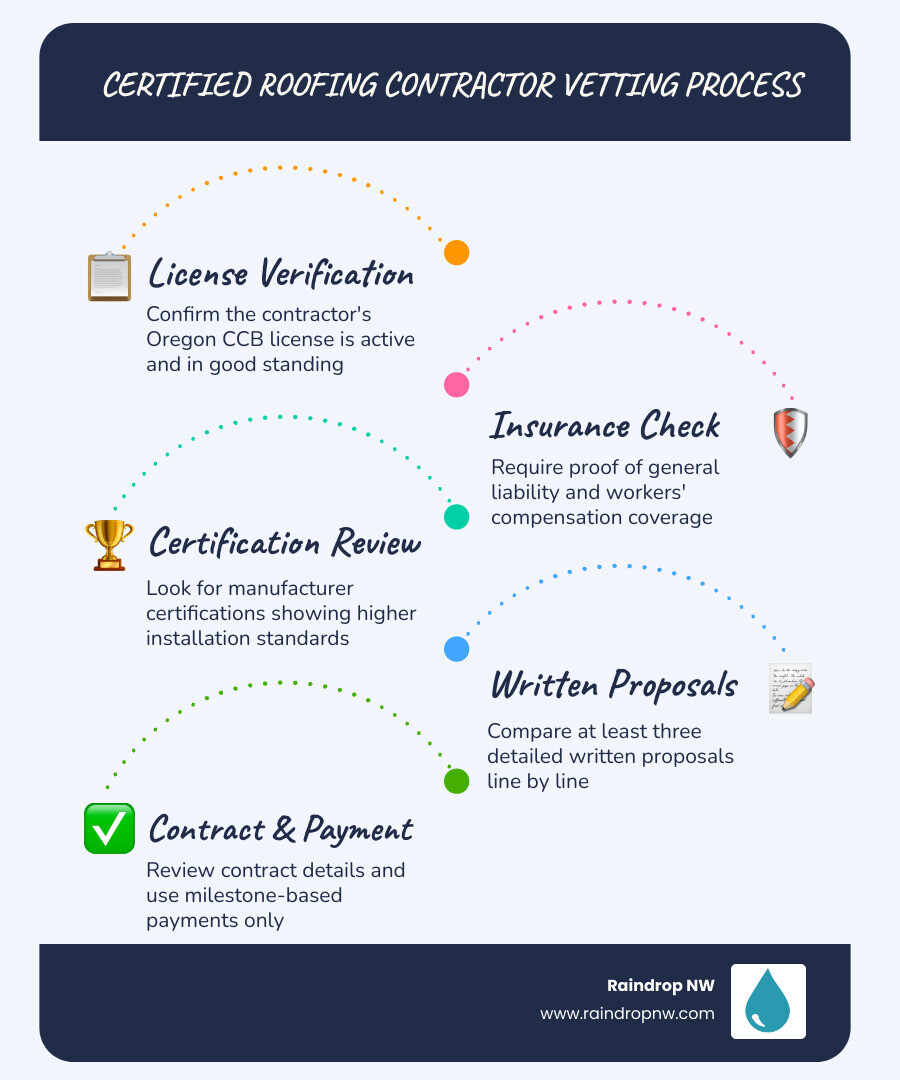
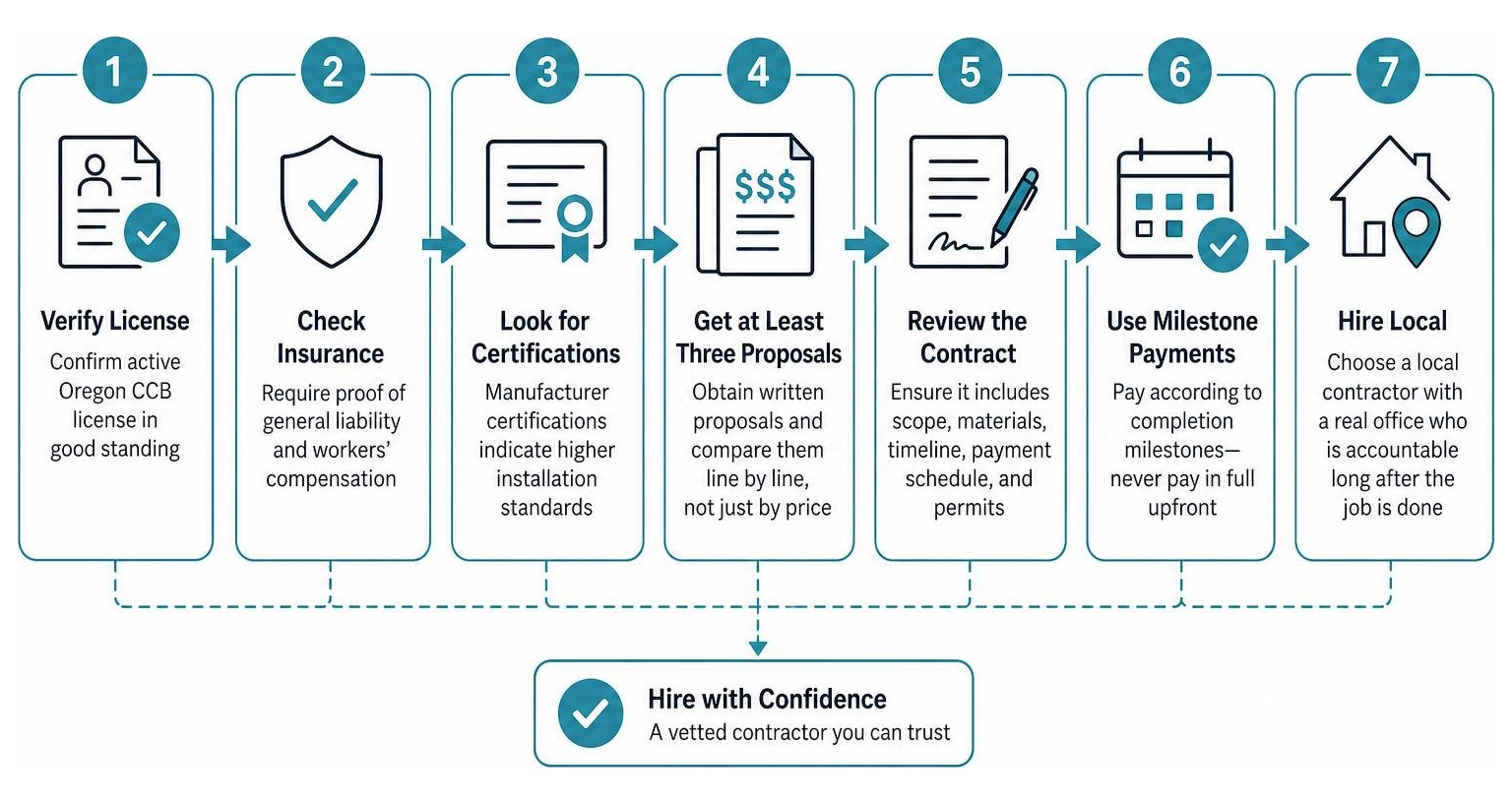
To protect yourself, always choose a truly local, independent roofer with deep roots in the community. Here is how you can verify their legitimacy and ensure you are getting top-tier service:
- Verify Licensing and Insurance: Make sure they have an active Oregon Construction Contractors Board (CCB) license, liability insurance, and workers’ comp.
- Look for Manufacturer Certifications: Reputable roofers hold certifications from major manufacturers (like GAF or Owens Corning), which allow them to offer extended, valid warranties.
- Avoid High-Pressure Tactics: If a roofer pressures you to sign a contract before your insurance company has even approved the claim, walk away.
- Check Independent Ownership: Many local roofing companies have recently been bought out by out-of-state private equity firms. These corporate chains often prioritize sales quotas over quality craftsmanship. Choosing a family-owned, independent roofer ensures your warranty and service will be honored for decades.
We have compiled a comprehensive library of resources to help you hire with confidence. Start by reading How to Choose the Right Roofing Contractor, Questions to Ask Before Hiring a Roofer, and Red Flags When Hiring a Roofing Contractor.
Learn the technical steps of verification in How to Verify a Roofer’s License and Insurance and understand why local matters in Choosing a Truly Local Roofing Contractor. You can also compare your options in Local Independent Roofer vs Corporate Chain Comparison, Why Local Independent Roofers Outperform Corporate Chains, and Benefits of Choosing a Truly Local Independent Roofer.
Finally, educate yourself on the changing landscape of the roofing industry and how it affects your home’s protection:
- How Consistent Licensing Protects Past and Future Customers
- How Investment Firm Buyouts Change Roofing Companies
- Choosing a Roofing Company That Won’t Sell Out
- How Independent Ownership Protects Your Warranty
- How Manufacturer Certifications Indicate Quality
Frequently Asked Questions About Post-Storm Roof Damage
How long do I have to file an insurance claim after a storm?
While policy terms vary, most insurance companies require you to file a claim within one year of the storm event. However, you should always file as soon as possible. Prompt notification prevents the insurance company from claiming that subsequent water damage or mold was due to your neglect rather than the storm itself.
Can wind damage a roof without causing immediate leaks?
Absolutely. High winds can lift shingles and break their manufacturer-applied adhesive seals. Even if the shingle settles back down and looks normal from the ground, the broken seal allows water to blow underneath during the next rainy day, leading to hidden wood rot and mold.
Is emergency roof tarping covered by homeowners insurance?
Yes, in almost all cases. Homeowners insurance policies actually require you to take reasonable steps to prevent further damage to your property after a loss. Emergency tarping is considered a necessary mitigation measure, and the cost is typically fully reimbursable as part of your claim.
Conclusion
When severe weather strikes, knowing when to call a roofer after severe weather is your best defense against long-term, expensive structural damage. By prioritizing safety, performing a careful ground-level check, and partnering with a trusted local professional immediately, you can navigate the post-storm process with complete peace of mind.
At Raindrop NW, we are proud to be a family-owned, truly independent roofing contractor serving Beaverton, Portland, and our surrounding Oregon communities. We don’t answer to out-of-state investment firms; we answer to you, our neighbors. Whether you need a quick post-storm inspection, an emergency repair, or a complete, worry-free roof replacement, our team is here to provide honest, high-quality, and transparent service.
Contact Raindrop NW for residential roofing services today, and let us help you keep your home safe and dry, no matter what the Pacific Northwest weather throws our way.