
An Essential Guide to Moss and Algae Prevention on Pacific Northwest Roofs
Why Moss and Algae Prevention on Pacific Northwest Roofs Is One of the Most Important Things You Can Do for Your Home
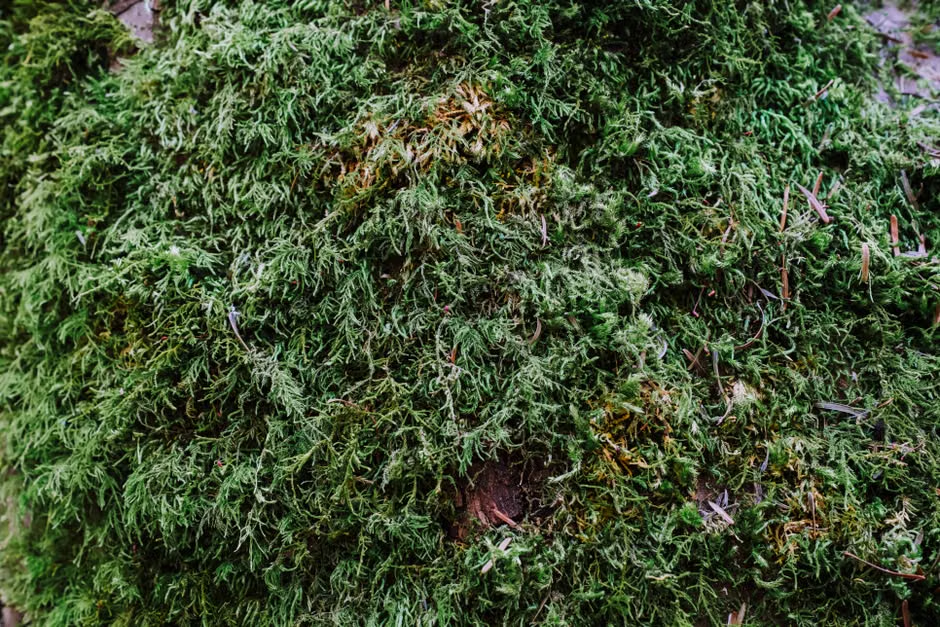
Moss and algae prevention on Pacific Northwest roofs is something every homeowner in this region needs to take seriously — not someday, but now. If you live in the Portland metro area or anywhere in western Oregon, your roof is under near-constant biological attack. The rain, the shade, the cool temperatures, the towering Douglas firs — all of it creates a perfect incubator for moss and algae growth that simply doesn’t exist at the same intensity anywhere else in the country.
Here’s a quick summary of the most effective prevention steps for PNW homeowners:
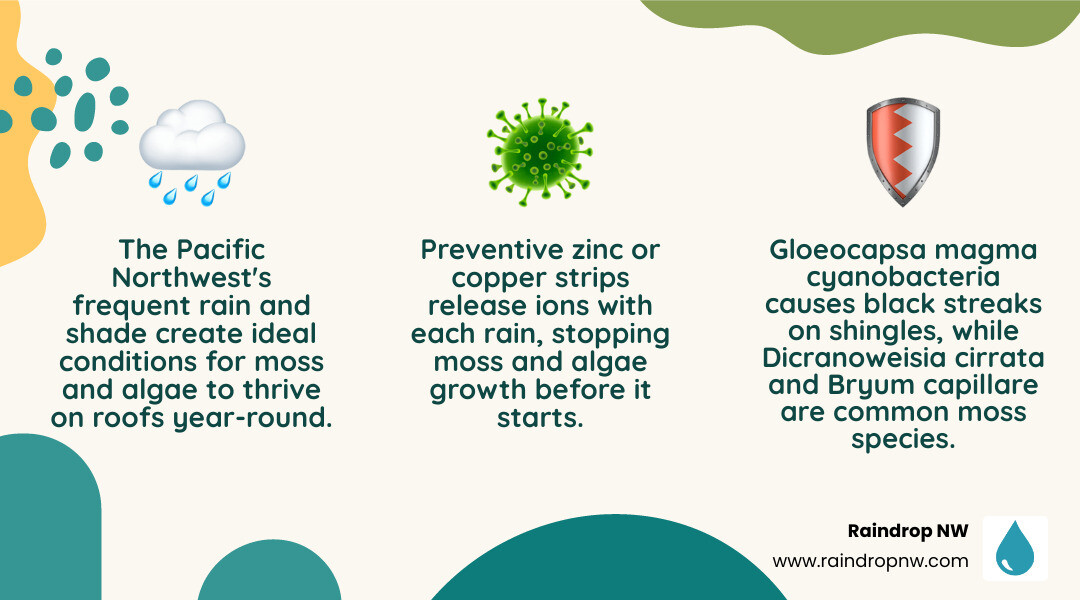
- Install zinc or copper ridge strips to continuously release moss-inhibiting ions every time it rains.
- Trim overhanging tree branches to at least 4–6 feet of clearance from the roofline to reduce shade and debris.
- Clean gutters at least twice a year to prevent moisture backup and organic debris buildup.
- Remove roof debris annually using a leaf blower or soft brush to eliminate the organic material moss feeds on.
- Apply a moss treatment (zinc sulfate solution or a 50/50 bleach-and-water mix per ARMA guidelines) every 1–3 years depending on your tree coverage and sun exposure.
- Choose algae-resistant shingles with copper-infused granules if you’re replacing your roof.
- Schedule a professional roof inspection at least once a year to catch growth early before it causes real damage.
The stakes are real. A 30-year architectural shingle roof in the Pacific Northwest that receives no moss management will typically fail somewhere between 18 and 22 years — cutting off nearly a third of its expected lifespan. With consistent, proactive care, that same roof can reach or even exceed its full service life. That’s not a minor difference. That’s years of protection and thousands of dollars.
I’m Torrey Yungeberg, owner of Raindrop Roofing NW, a family-owned roofing company based in Boring, Oregon, and I’ve spent years helping Portland-area homeowners tackle the unique challenge of moss and algae prevention on Pacific Northwest roofs firsthand. In this guide, I’ll walk you through exactly what’s growing on your roof, why it’s so aggressive here, and what actually works to stop it.
Moss vs. Algae: Understanding the Threat to PNW Roofs
Before we can dive into prevention, we have to know exactly what we are fighting. Many homeowners look up at their roofs, see dark stains or green clumps, and lump it all together as “gunk.” However, moss and algae are entirely different organisms. Treating them the same way is a recipe for wasted effort.
Gloeocapsa Magma (The Black Streak Culprit)
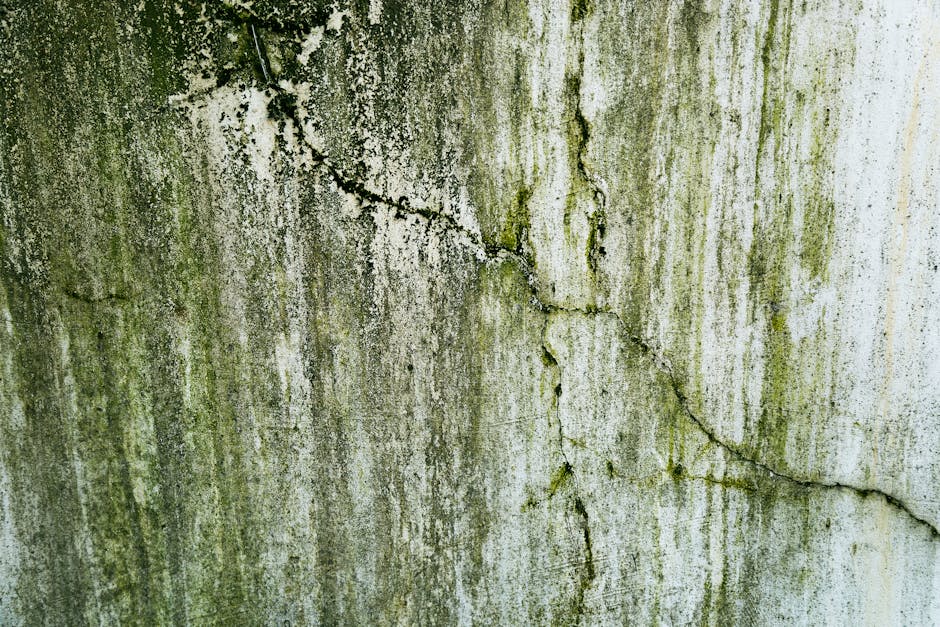
That dark, dirty-looking discoloration that makes your roof look decades older than it actually is? That isn’t dirt, soot, or mold. It is a hardy, ancient strain of cyanobacteria called Gloeocapsa magma, commonly referred to as blue-green algae.
Algae spores are airborne and travel easily from roof to roof throughout neighborhoods in Beaverton, Lake Oswego, and Tigard. Once they land on your shingles, they need three things to thrive: moisture, shade, and nutrients.
Our local climate provides the moisture and shade in abundance. As for the nutrients, modern asphalt shingles use limestone as a heavy filler material during manufacturing. To Gloeocapsa magma, your shingles are essentially an all-you-can-eat buffet. To protect itself from the sun’s harsh UV rays, this cyanobacteria develops a dark, pigmented sheath. This sheath acts as a natural sunscreen, which is why the algae manifests as ugly black streaks on your roof.
While algae is mostly an aesthetic issue, it can reduce your roof’s solar reflectivity, causing your home to absorb more heat during our increasingly warm Northwest summers. To understand how our local weather patterns accelerate these biological challenges, read more about How Portland Metro Climate Affects Your Roof.
Dicranoweisia Cirrata and Bryum Capillare (The True Moss Threats)
Unlike algae, moss is a non-vascular plant. It doesn’t have true roots, nor does it flowers or seeds. Instead, species like Dicranoweisia cirrata and Bryum capillare absorb water directly through their leaves. They anchor themselves to your shingles using tiny, hair-like structures called rhizoids.
These rhizoids burrow deep into the microscopic pores of your asphalt shingles, concrete tiles, or wood shakes. Once established, moss acts like a sponge, holding up to 20 times its own weight in water. This keeps your roofing materials in a state of constant saturation.
During the winter months, when temperatures in Gresham, Hillsboro, and Vancouver hover in the chilly 40s and 50s, this trapped water goes through freeze-thaw cycles. As the water expands, it physically forces the leading edges of your shingles to lift, curl, and warp. This creates direct pathways for water to seep underneath, rot the roof deck, and ruin your underlayment.
This constant exposure to moisture is why local roofs degrade so quickly without intervention. For an in-depth look at how our persistent rain impacts your home, check out How Persistent Rain and Humidity Stress Your Roof.
To help you tell these invaders apart, here is a quick comparison:
| Characteristic | Roof Algae (Gloeocapsa magma) | Roof Moss (Dicranoweisia cirrata / Bryum capillare) |
|---|---|---|
| Appearance | Dark green or black vertical streaks; looks like dirt or soot. | Thick, green, carpet-like clumps or cushions. |
| Structure | Microscopic single-celled cyanobacteria; no physical structure. | Primitive, non-vascular plant with tiny leaves and holding rhizoids. |
| Primary Food Source | Limestone filler inside modern asphalt shingles. | Organic debris, dust, and moisture trapped on the roof. |
| Structural Damage | Low (mainly cosmetic, though it reduces thermal efficiency). | High (lifts shingles, traps moisture, causes wood rot and leaks). |
| Spread Method | Airborne spores carried by wind and birds. | Spores and physical fragments washed down by rain or wind. |
Proactive Moss and Algae Prevention on Pacific Northwest Roofs
If you want to keep your roof healthy, you have to transition from reactive cleaning to proactive prevention. Waiting for a thick green carpet to form before taking action means you are already losing shingle granules and compromising your roof’s structure.
The secret to long-term moss and algae prevention on Pacific Northwest roofs lies in altering the physical environment of your roof so these organisms cannot take root in the first place. This approach is highly effective and saves you from the wear and tear of repeated, aggressive cleanings. For more practical strategies on maintaining a healthy roof, take a look at our guide on How to Extend the Life of Your Roof in Rainy Climates.
Ridge Strips and Chemical Barriers for Moss and Algae Prevention on Pacific Northwest Roofs
One of the most elegant, passive prevention methods available is the installation of zinc or copper ridge strips. These are thin rolls of galvanized metal installed directly along the peaks and ridges of your roof.
Every time it rains, water washes over these metal strips. This process slowly dissolves minute amounts of zinc or copper, releasing metallic ions that flow down the slope of your roof. These ions disrupt the cellular metabolism of moss and algae spores, preventing them from anchoring to your shingles.
You have likely seen this science in action on older homes around Oregon City or Camas. If a house has a galvanized metal chimney flashing or a plumbing vent, the shingles directly beneath that metal are clean, bright, and completely free of moss, while the rest of the roof is covered in green growth.
For the best results, we recommend combining a professional zinc sulfate spray treatment with physical ridge strips. The spray treatment provides immediate protection for 12 to 24 months, while the metal strips provide continuous, long-term defense for up to a decade or more.
Material Selection and Design for Moss and Algae Prevention on Pacific Northwest Roofs
If you are planning a roof replacement, you have a golden opportunity to design a system that naturally resists biological growth from day one.
- Algae-Resistant Shingles: Many modern architectural shingles are manufactured with algae-resistant technology. These shingles incorporate copper-infused granules (such as 3M Copper Granules) directly into the asphalt mix. Over time, these granules slowly release copper ions, providing a built-in defense system that carries manufacturer warranties against algae staining for 10 to 25 years.
- Standing Seam Metal Roofing: If you want a roof that is virtually immune to moss, standing seam metal is the gold standard. Moss struggles to find purchase on smooth, vertical metal panels, and the material dries out rapidly once the sun emerges.
- Roof Pitch and Shade Management: Lower-pitch roofs hold water longer, creating a damp playground for spores. While you cannot easily change your roof’s pitch, you can control the shade. Trimming back overhanging branches from Douglas firs, maples, and oaks to create at least 4 to 6 feet of clearance allows sunlight to reach your shingles and helps them dry out faster.
Safe Removal Methods for Existing Moss and Algae
If your roof is already hosting a miniature forest, prevention strips won’t do much good. You need to remove the existing growth first. However, how you remove it is just as important as removing it at all.
The Golden Rule: Never, Ever Pressure Wash Your Shingles
If a contractor pulls up to your home in Beaverton or Tigard with a high-pressure power washer and points it at your asphalt roof, politely ask them to leave.
Pressure washing is the single fastest way to destroy an asphalt shingle roof. The high-pressure stream of water blasts away the protective ceramic granules that shield the underlying asphalt from UV damage. Losing these granules can age your roof by five to ten years in a single afternoon and will almost certainly void your manufacturer’s warranty. Furthermore, spraying water upward or sideways can force water directly under your shingles, saturating your plywood decking and causing immediate leaks.
The Safe, Professional Approach
The safest and most effective method for removing established moss involves a gentle, multi-step process:
- Debris Clearing: First, we clear away loose leaves, pine needles, and heavy organic debris using a leaf blower, directing the air down the slope of the roof so we don’t lift the shingles.
- Manual Brushing: For thick, established moss colonies, we use a soft-bristled brush to gently scrape away the bulk of the growth. We always work in a downward motion, following the natural flow of water, to prevent lifting or tearing the shingle tabs.
- Chemical Soft-Washing: Once the bulk moss is gone, we apply a targeted, low-pressure chemical treatment to kill the remaining microscopic rhizoids and spores.
If you want your roof to last as long as possible, check out our resource on How to Extend the Life of Your Roof.
Here are the most common and effective cleaning solutions used today:
- Potassium Salts of Fatty Acids: These are biodegradable, soap-based products that are highly effective at breaking down moss without harming adjacent landscaping, pets, or local waterways.
- Sodium Hypochlorite (Bleach) and Water (50:50 Mix): This is the cleaning method officially recommended by the Asphalt Roofing Manufacturers Association (ARMA). It is highly effective at killing both moss and algae. However, it requires careful handling, protective gear, and thorough rinsing to ensure the runoff doesn’t damage your garden or lawn.
- Zinc Sulfate Solutions: Excellent for both killing light moss and preventing future growth, this solution bonds well to shingles and provides lasting protection.
Long-Term Maintenance and Professional Inspections
Maintaining a moss-free roof in the Pacific Northwest isn’t a one-and-done project. It requires a consistent, seasonal maintenance routine. Think of it like changing the oil in your car — a little proactive care now saves you from massive, expensive headaches down the road.
To help you keep track of your roof’s condition, read How Regular Inspections Catch Problems Early and learn How Often Should You Have Your Roof Inspected.
Debris Removal and Gutter Maintenance
Moss thrives on organic debris. When autumn leaves, pine needles, and twigs pile up in your roof valleys, behind your chimney, or along your gutters, they create damp, organic mats. These mats trap moisture against your shingles and provide the perfect soil-like environment for moss spores to germinate.
We recommend clearing your roof and cleaning your gutters at least twice a year — once in late spring to clear out maple seeds and blossoms, and once in late fall after the leaves have dropped. Using a leaf blower or a soft-bristled broom to keep these areas clean prevents water from backing up under your shingles. For a complete overview of regional roof care, explore The Ultimate Guide to Roof Care in Portland Oregon.
Attic Ventilation and Airflow
Many homeowners are surprised to learn that what happens inside their attic directly impacts moss growth outside on their roof.
If your attic has poor ventilation, heat and moisture from your home get trapped underneath your roof deck. This warms the underside of your shingles, creating a warm, humid microclimate on your roof surface. This trapped moisture accelerates the growth of both algae and moss, especially on north-facing slopes that receive minimal direct sunlight.
Ensuring your intake vents (soffits) and exhaust vents (ridge vents) are clear and flowing freely reduces moisture buildup and keeps your roof deck cool and dry. To see how these systems work together to protect your home, read about How Ventilation Reduces Moisture Damage and How Proper Flashing Prevents Leaks.
Frequently Asked Questions
Can I use a pressure washer to clean moss off my roof?
Absolutely not. As tempting as it is to watch the moss peel away under high pressure, you are stripping away the protective ceramic granules that shield your shingles from the sun. Pressure washing can ruin asphalt shingles, shatter concrete tiles, tear cedar shakes, and force water directly under your roof deck. It will also void your manufacturer’s warranty. Stick to soft brushing and gentle chemical treatments instead.
How long does a professional moss treatment last?
A high-quality, professional moss treatment typically keeps your roof clear for 12 to 24 months. The exact lifespan depends on your home’s surrounding environment. If your roof is heavily shaded by mature Douglas firs or maples, you may need annual touch-ups. If your home gets plenty of direct sunlight, you can easily go two to three years between treatments.
Do zinc or copper strips really prevent moss growth?
Yes, they do, but they are designed for prevention, not removal. If you install them on a roof that is already covered in heavy moss, they won’t do much. However, if you install them on a clean or brand-new roof, the metal ions released during rainstorms will naturally inhibit new moss and algae spores from growing for up to ten years.
Conclusion
Living in the Pacific Northwest means embracing the rain, the trees, and the beautiful greenery. But it also means accepting the responsibility of protecting your home from the unique biological challenges of our climate.
At Raindrop Roofing NW, we are proud to be a truly local, family-owned roofing company serving Beaverton, Boring, Portland, and the surrounding communities. Unlike big, national corporations bought out by out-of-state investment firms, we live and work in this community. We understand the specific demands that Oregon weather places on your home, and we are committed to providing honest, high-quality service and long-term accountability.
Whether you need a gentle moss treatment, a preventive zinc strip installation, or a comprehensive evaluation of your roof’s health, our team is here to help. Schedule a professional roof inspection with Raindrop NW today, and let’s make sure your home stays safe, dry, and beautiful for years to come.




Leave a Reply
Want to join the discussion?Feel free to contribute!