
A Quick Start Guide to Pacific Northwest Flat Roof Options
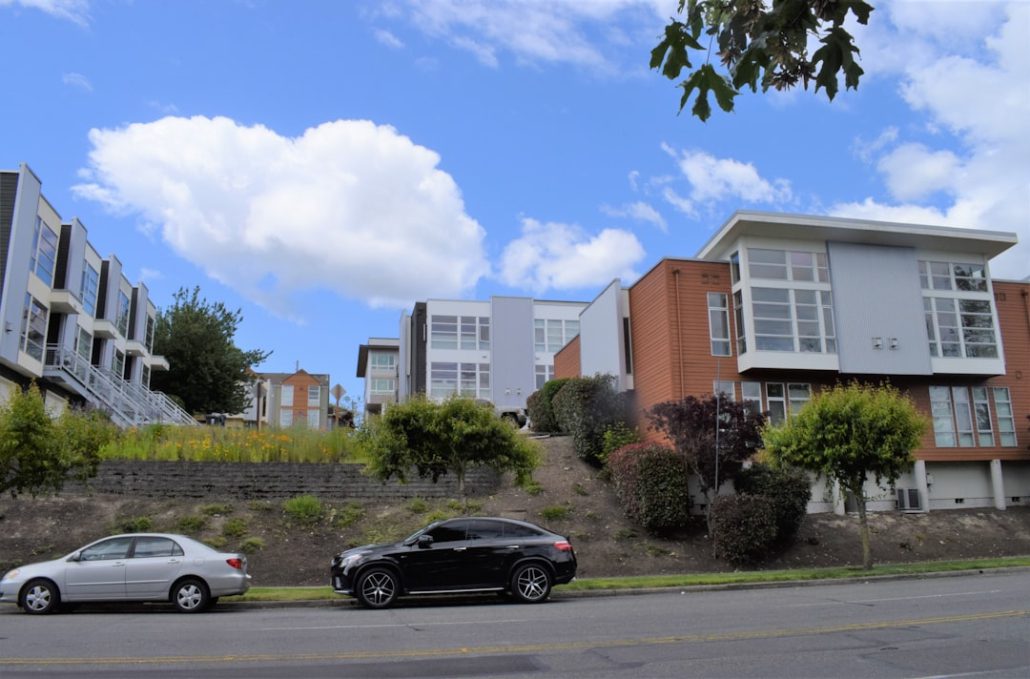
Why So Many Oregon Homeowners Are Rethinking Flat Roofs
When it comes to flat roof options for Pacific Northwest properties, you have more choices than ever — and the right one makes a real difference in how well your roof holds up through Oregon’s relentless rain, temperature swings, and debris-dropping Douglas Firs.
Here’s a quick look at the most common options for PNW flat roofs:
| Material | Typical Lifespan | Best For |
|---|---|---|
| PVC | 25–30+ years | Superior waterproofing, UV resistance, low maintenance |
| TPO | 20–30 years | Energy efficiency, heat-welded seams, performance balance |
| Modified Bitumen | 15–25 years | High foot traffic, multi-ply durability, puncture resistance |
| EPDM | 20–30 years | Flexible rubber membrane; watch for seam vulnerabilities |
| Roll Roofing | 10–15 years | Sheds, garages, utility secondary structures |
Flat roofs have long had a rough reputation in the Pacific Northwest. That reputation mostly traces back to older built-up asphalt (BUR) systems — materials engineered for dry, desert climates that lose elasticity quickly under constant moisture. Modern flat roof membranes are a completely different story. Today’s systems are purpose-built to handle exactly what Oregon throws at them: persistent drizzle, freeze-thaw cycles, wind-driven rain, and months of overcast skies.
Whether you own a modern home in the Portland metro, a commercial building in Beaverton, or a residential addition anywhere in NW Oregon, understanding your options before you commit is the smartest first step you can take.
I’m Torrey Yungeberg, owner of Raindrop Roofing NW, and after years of working on roofs across Oregon and Southwest Washington — including plenty of low-slope and flat roof projects — I’ve seen which systems hold up and which ones fail when the PNW weather hits hard. Knowing the full range of flat roof options for Pacific Northwest properties is something I care deeply about, and I’m here to walk you through it clearly.

Flat Roof vs. Low-Slope Roof: Why Pitch Matters in Oregon
Before we dive into the specific materials, we need to clear up a common technical detail: a “flat roof” is almost never actually flat. If it were perfectly level, rainwater would simply sit on the surface, creating massive puddles that eventually find a way into your home.
In the roofing industry, we distinguish between flat roofs and low-slope roofs based on their pitch:
- Flat Roofs: Typically have a very gentle slope of less than 1/4 inch of vertical rise per foot of horizontal run. This minimal slope is just enough to encourage water to migrate toward your drains, scuppers, or gutters.
- Low-Slope Roofs: Generally feature a pitch between 1/4 inch and 3 inches per foot (which is less than a 3:12 pitch ratio).
Understanding this distinction is critical when comparing a flat roof vs pitched roof comparison because low-slope systems allow for a slightly wider variety of flexible roofing materials. However, both configurations require continuous, watertight membranes rather than traditional overlapping shingles.
In our region, the way the how portland metro climate affects your roof makes drainage the single most important factor in your roof’s design. When you receive dozens of inches of rain annually, any area where water ponds for more than 48 hours becomes a major liability. Standing water puts immense pressure on your roof’s seams, accelerating material degradation and inviting leaks. That is why selecting a material capable of handling standing water is non-negotiable for local properties.
Top Flat Roof Options for Pacific Northwest Properties
If you are planning a roof replacement or looking over commercial roofing options and what to expect for a commercial property in places like Tigard, Hillsboro, or Vancouver, you will primarily choose between single-ply membranes and multi-ply asphalt-based systems.
Modern engineering has shifted the industry away from traditional hot-tar built-up roofs (BUR) toward highly durable, flexible synthetic membranes. These systems are designed to expand and contract as temperatures fluctuate between damp, chilly winters and dry, hot summers.

PVC: The Premium Choice Among Flat Roof Options for Pacific Northwest Properties
Polyvinyl Chloride (PVC) is widely considered the gold standard for flat and low-slope roofs in wet climates. A PVC roof consists of two distinct layers of flexible membrane reinforced with a woven fabric scrim in the center, which gives the material exceptional dimensional stability and tear resistance.
- The Power of Heat-Welded Seams: Unlike rubber roofs that rely on adhesives, PVC sheets are fused together using specialized robotic hot-air welders at temperatures between 800 and 1,100 degrees Fahrenheit. This process creates a physical molecular bond. The resulting seams are actually three to four times stronger than the membrane itself, turning the entire roof into a single, seamless waterproof shield.
- Chemical and Environmental Resistance: PVC is highly resistant to animal fats, grease, and harsh chemicals. If you own a restaurant or a commercial building with kitchen exhaust hoods in Portland or Beaverton, PVC is often the mandatory choice. It also naturally resists mold, algae, and wood-boring insects.
- UV Reflection and Longevity: Usually installed in white or light gray, PVC reflects up to 80% of solar radiation. This keeps your building significantly cooler during our increasingly hot July and August months, reducing the demand on your cooling systems. Best of all, a professionally installed PVC roof can easily last 25 to 30+ years with minimal maintenance.
TPO: An Energy-Efficient Alternative for Flat Roof Options for Pacific Northwest Properties
Thermoplastic Polyolefin (TPO) is currently one of the fastest-growing commercial and residential flat roofing materials on the market. It combines the rubber-like durability of EPDM with the hot-air welding capabilities of PVC, offering a highly reliable mid-range option.
- Excellent Solar Reflectance: Like PVC, TPO is a highly reflective “cool roof” option. It can reduce summer cooling demands by reflecting solar heat away from the building, keeping surface temperatures up to 50 to 60 degrees cooler than traditional dark asphalt roofs.
- Seam Integrity and Roll Sizes: TPO sheets are also heat-welded at the seams to create a continuous waterproof barrier. In larger commercial projects across Southwest Washington and the Portland metro, using wider rolls (such as 20-foot rolls) can reduce the total number of seams on the roof by up to 50%, significantly lowering the risk of future leaks.
- The PNW Installation Challenge: While TPO is incredibly durable, it requires precise installation. The high humidity and morning dew common in our local climate can interfere with the heat-welding process if the installer works too early in the morning before the membrane is completely dry. Partnering with a skilled local crew who understands these micro-climate challenges is essential. A well-installed TPO roof typically lasts between 20 and 30 years.
Modified Bitumen: Durable Multi-Ply Protection
Modified bitumen roofing is a modern evolution of traditional built-up asphalt. It is manufactured by combining high-quality asphalt with polymerized rubber or plastic modifiers — typically SBS (Styrene-Butadiene-Styrene) for rubber-like flexibility, or APP (Atactic Polypropylene) for superior plastic-like stiffness and heat resistance — and reinforcing it with tough fiberglass or polyester mats.
- Puncture and Foot Traffic Resistance: Because modified bitumen is installed in multiple layers (usually a base sheet, an interply, and a granulated cap sheet), it is incredibly thick and durable. If your flat roof has heavy HVAC equipment that requires regular servicing, or if you have overhanging trees that drop branches, modified bitumen’s high puncture resistance makes it an excellent choice.
- The Cold-Process Advantage: Traditional modified bitumen (often called “torch down”) is applied using an open-flame propane torch to melt the asphalt backing and fuse the sheets together. While highly effective, open torches carry safety risks. Today, we often utilize modern self-adhering membranes or cold-process adhesives. This eliminates the safety hazards, smoke, and strong odors during summer installations in dense residential neighborhoods like Eastmoreland or Lake Oswego.
- Lifespan: When properly installed and kept clear of standing water, a multi-ply modified bitumen system has an expected lifespan of 15 to 25 years.
EPDM: Traditional Rubber Membrane
Ethylene Propylene Diene Monomer (EPDM) is a synthetic rubber black membrane that has been used on flat roofs for decades. It is highly flexible, lightweight, and performs incredibly well in extremely cold climates because it does not crack when the temperature drops.
- Adhesive-Based Seams: Unlike PVC and TPO, EPDM cannot be heat-welded. Instead, the seams must be joined using specialized liquid adhesives or heavy-duty seam tape.
- The Seam Vulnerability: In the wet, humid climate of the Pacific Northwest, adhesive-based seams represent a potential point of failure. Over years of constant exposure to pooling rainwater, damp autumn leaves, and freeze-thaw cycles, glue can break down and peel. If you are considering EPDM for residential applications, such as epdm balconies patios and flat decks in first addition or, it is vital to ensure the installer has specialized training in sealing these critical seam points.
- Lifespan: While EPDM rubber itself can last 20 to 30 years, the seams will require regular inspection and periodic resealing to prevent leaks.
Maintenance and Longevity in the Rainy PNW Climate
Choosing the right material is only half the battle. To ensure your flat roof actually reaches its maximum potential lifespan, you have to actively manage the unique environmental challenges of our region.
Flat roofs in Oregon and Southwest Washington face a specific set of hazards that pitched roofs do not:
- Douglas Fir and Cedar Needle Accumulation: The beautiful evergreen trees surrounding our homes in places like Sherwood, Camas, and Oregon City drop a massive amount of needles and small twigs. On a flat roof, this organic debris gathers in corners, clogs scuppers, and blocks drains. When drains clog, water backs up, creating heavy ponds that stress your roof’s structure and test your seams.
- Persistent Dampness and Shade: Because we experience long stretches of overcast, drizzly days from October through May, flat roofs rarely have the opportunity to dry out completely. This constant moisture, combined with shade from nearby trees, creates the perfect breeding ground for organic growth.
- Moss and Algae Growth: It is no secret how moss and algae thrive in pacific northwest weather. Moss acts like a sponge, holding water directly against your roofing membrane and accelerating the breakdown of the material.
To protect your investment, we highly recommend following a proactive care plan. Learning how to extend the life of your roof in rainy climates involves a few simple, routine steps:
- Clear Drains Quarterly: Make it a habit to sweep away fallen leaves and pine needles from your roof’s drainage points, especially during the autumn and winter storm seasons.
- Treat for Moss Annually: Safely apply gentle, roof-friendly moss treatments to prevent spores from taking root on your membrane. Avoid high-pressure washing, which can puncture single-ply membranes or strip the protective granules off modified bitumen.
- Keep an Eye on the Seams: Regularly walk the roof (or have a professional do it) to look for early signs of seam separation, bubbling, or cracking.
To catch minor issues before they turn into severe interior water damage, check the recommended roof inspection frequency for pacific northwest homes. For flat systems, we advise having a professional inspection at least twice a year — once in the spring to evaluate any winter weather wear, and once in the late fall to ensure your drains are completely clear before the heavy winter rains arrive.
Frequently Asked Questions About PNW Flat Roofing
How long do flat roofs last in the Pacific Northwest?
The lifespan of a flat roof depends heavily on the material you select and how well you maintain it. Premium single-ply membranes like PVC can easily perform for 25 to 30+ years in our climate. TPO typically delivers 20 to 30 years of service, while a multi-ply modified bitumen system generally lasts between 15 and 25 years. Simpler options like basic roll roofing have a much shorter lifespan, usually needing replacement after 10 to 15 years due to the constant moisture exposure.
Do flat roofs leak more than pitched roofs in rainy climates?
Flat roofs do not inherently leak more than pitched roofs, but they are far less forgiving of poor installation and neglected maintenance. On a pitched roof, gravity does the heavy lifting of shedding water. On a flat roof, your waterproofing membrane and drainage system must be completely flawless. If your drains clog or your seams fail, water will pool, and any minor installation error will quickly turn into an active leak.
Can you install a flat roof during the rainy season in Oregon?
Yes, but it requires extreme care and professional expertise. Installing a flat roof membrane requires the underlying wood deck to be completely dry. Trapping moisture beneath a new single-ply membrane or modified bitumen layer will rot your roof deck and cause the membrane to blister and fail. Professional local contractors monitor weather forecasts closely, working in dry windows and using protective tarps to ensure the structure remains dry throughout the installation process.
Conclusion
Selecting among the available flat roof options for Pacific Northwest properties is all about matching the right material to your property’s specific environment and your long-term goals. Whether you opt for the premium durability of PVC, the energy efficiency of TPO, or the rugged strength of modified bitumen, proper installation is the single most important factor in how well your roof performs.
At Raindrop Roofing NW, we are proud to be a truly local, family-owned, and independently operated roofing company based right here in Beaverton, Oregon. Our team is deeply committed to long-term accountability, quality craftsmanship, and honest service for our neighbors throughout the Portland metro area and Southwest Washington.
If you have a flat roof that needs a professional inspection, a quick repair, or a complete replacement, we are here to help. Explore our residential roofing services and schedule a free, no-obligation inspection with our friendly team today!




Leave a Reply
Want to join the discussion?Feel free to contribute!