
Why Routine Maintenance is the Secret to a Long-Lasting Roof
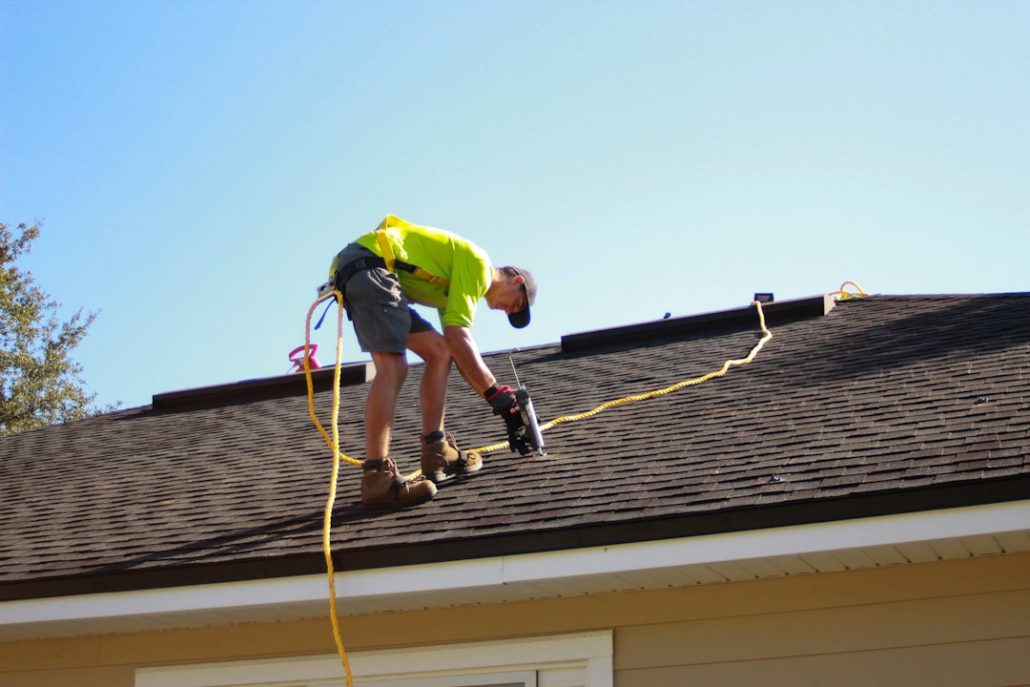
Why Understanding How Regular Inspections Prevent Costly Repairs Could Save Your Roof — and Your Wallet
How regular inspections prevent costly repairs comes down to one simple idea: small problems caught early cost a fraction of what they cost after they’ve had time to grow. Here’s a quick breakdown of how that works in practice:
- Early leak detection – A minor roof leak addressed promptly can cost a few hundred dollars to fix. Left alone, that same leak can spread into water damage, mold, and structural decay costing tens of thousands.
- Avoiding emergency rates – Emergency repair calls typically run 3 to 4 times the cost of planned maintenance. Scheduled inspections keep you out of that situation.
- Extending roof lifespan – Regular checks catch worn flashing, loose shingles, and gutter issues before they accelerate the aging of your entire roof system.
- Protecting your insurance coverage – Documented maintenance records support insurance claims and can prevent denials based on alleged neglect.
- Increasing property value – A well-maintained roof with a clear inspection history gives buyers and appraisers confidence.
The pattern is consistent across every property type: proactive maintenance wins over reactive repairs — financially, structurally, and in terms of peace of mind.
Here in Oregon and Southwest Washington, that reality hits especially close to home. Pacific Northwest weather — heavy rainfall, moss-friendly humidity, and seasonal temperature swings — puts roofs under stress year-round. Waiting for a visible problem to show up inside your home often means the damage outside has already been building for months.
I’m Torrey Yungeberg, owner of Raindrop Roofing NW, and after years of inspecting roofs across the region, I’ve seen how regular inspections prevent costly repairs by catching what most homeowners simply can’t see from the ground. In the sections ahead, I’ll walk you through exactly what a smart inspection program looks like — and why getting ahead of problems is always the better investment.
The Financial Logic: How Regular Inspections Prevent Costly Repairs
When we talk about property maintenance in April 2026, we aren’t just talking about “keeping things pretty.” We are talking about a sophisticated financial strategy. Many property owners view an inspection as an added expense, but the data tells a completely different story. Research shows that proactive inspections typically save property owners 3 to 5 times the cost of the inspection itself by identifying small issues before they snowball.
To put this in perspective, consider the “Rule of 1-3%.” Professionals recommend budgeting 1–3% of your home’s total value annually for maintenance. By investing a small portion of that budget into regular professional eyes, you ensure the rest of that money is spent effectively rather than being burned on emergency fixes.
| Maintenance Type | Typical Cost Level | Long-term Impact |
|---|---|---|
| Proactive Inspection | Low | Identifies issues at the $200 stage |
| Scheduled Repair | Moderate | Fixes wear and tear before failure |
| Emergency Repair | Very High | 3-4x standard rates; occurs at $5,000+ stage |
| Reactive Replacement | Extreme | Premature total system failure |
The mathematics are undeniable. Buildings that implement quarterly proactive inspections average 67% lower annual repair expenses compared to those that only fix things when they break. This isn’t just a “good idea”—it’s a proven way to keep more money in your bank account. For a deeper look at what these assessments entail, you can find More info about roof inspections.
Catching Minor Leaks: How Regular Inspections Prevent Costly Repairs to Your Attic
In the Pacific Northwest, water is our greatest friend and our roof’s greatest enemy. A tiny gap in your flashing or a single cracked shingle might let in only a few tablespoons of water during a Portland drizzle. However, over a few months, that moisture accumulates in your attic insulation.
By the time you see a brown spot on your bedroom ceiling, you aren’t just looking at a roof repair. You are looking at:
- Mold Remediation: Mold can begin growing within 24–48 hours of moisture exposure.
- Structural Decay: Constant moisture rots the wooden rafters and roof decking that hold your house together.
- Insulation Replacement: Wet insulation loses its R-value, sending your heating bills skyrocketing.
How regular inspections prevent costly repairs in this scenario is simple: we find the cracked sealant or the slipped shingle while the attic is still dry. Fixing a shingle is a minor task; remediating a mold-infested attic can cost $15,000 or more. If you’re wondering how to stay on top of these small fixes, check out More info about maintenance services.
Extending System Lifespan: How Regular Inspections Prevent Costly Repairs to HVAC and Roofing
Your roof and your HVAC system are the two most expensive components of your property. They also share a “domino effect” relationship. For example, if your roof has undetected leaks or poor ventilation, your HVAC system has to work significantly harder to regulate indoor temperatures.
Properly maintained systems—where filters are clean, vents are clear, and the “envelope” of the building is sealed—use 15–25% less energy than neglected ones. Beyond monthly utility savings, regular inspections prevent “cascading failures.” A worn bearing in a motor or a small patch of rust on a roof seam are easy fixes. If ignored, they lead to total system shutdowns.
For business owners in Gresham or Hillsboro, this is even more critical. Unplanned downtime can cost massive amounts in lost productivity. Regular asset inspections prevent these losses by ensuring your building’s “vital organs” are functioning at peak efficiency. Learn more about protecting your business assets with More info about commercial inspections.
Essential Systems to Include in Your Inspection Program

A comprehensive inspection program isn’t just about looking at shingles. It’s about understanding how the different systems of your home interact. While we focus heavily on the roof, a true proactive approach looks at the “Big Five”:
- The Roof and Gutters: This is your primary shield. We look for shingle integrity, flashing seals, and gutter drainage.
- HVAC Systems: Checking for leaks, airflow blockages, and mechanical wear.
- Plumbing: Identifying slow leaks under sinks or in crawlspaces that lead to rot.
- Electrical: Looking for flickering lights or overloaded circuits that pose fire risks.
- Foundation: Monitoring for cracks or drainage issues that could lead to structural shifting.
Understanding the specific materials used in your home can help you know what to look for. You can find More info about roof types and products to see how different materials age and what their specific maintenance needs are.
Warning Signs to Monitor Between Professional Visits
While we recommend professional eyes at least once or twice a year, you are the “first responder” for your property. How regular inspections prevent costly repairs often starts with a homeowner noticing a small change. Keep an eye out for these “red flags”:
- Granule Loss: If you see what looks like dark sand in your gutters, your shingles are losing their protective coating.
- Missing or Curled Shingles: These are “open doors” for water.
- Ceiling Stains: Even a tiny yellow ring indicates a leak that needs immediate attention.
- Moss and Algae: In our region, moss is common, but its roots can lift shingles and trap moisture against the roof deck.
- Rising Energy Bills: If your usage hasn’t changed but your bill has, your home may be losing conditioned air through the roof or windows.
- Musty Odors: This often signals hidden mold growth in walls or attics.
Monitoring these signs ensures that you call us before the next big storm hits. For more tips on what to look for, visit our More info about owner resources page.
Establishing a Proactive Inspection Schedule for 2026
Consistency is the secret sauce of maintenance. In 2026, we suggest a “staggered” approach to inspections to spread out the costs and ensure nothing falls through the cracks.
- Residential Properties: We recommend a professional roof inspection twice a year—once in the spring to assess winter damage, and once in the fall to prepare for the rainy season.
- Commercial Properties: Because commercial roofs (like TPO or EPDM) often have flat surfaces that collect debris, quarterly checks are the gold standard. This prevents “ponding” water from causing structural stress.
- Rental Properties: Landlords have a legal obligation to maintain safe housing. Conducting inspections during move-ins, move-outs, and mid-lease can prevent tenant disputes and identify damage early.
In the Pacific Northwest, timing is everything. Cleaning your gutters in late November after the last leaves have fallen can prevent ice dams in December. Similarly, checking your roof seals in July ensures you’re ready for the autumn downpours. For commercial property managers, staying ahead of these cycles is vital; see More info about commercial roofing for specialized scheduling.
Choosing a Qualified Professional Inspector
Not all inspections are created equal. A “quick look” from a ladder isn’t enough to truly understand how regular inspections prevent costly repairs. You want someone who provides a detailed, documented report.
When hiring, look for:
- Certifications: Check for industry-recognized credentials like InterNACHI or ASHI.
- Manufacturer Certification: A contractor who is certified by the companies that make the roofing materials (like GAF or Owens Corning) knows exactly what “failing” looks like for that specific product.
- Advanced Tools: Modern inspectors use thermal imaging to find “cold spots” (moisture) behind walls and drones to safely inspect steep pitches.
- Comprehensive Reporting: Your report should include photos, a priority list of repairs, and an estimate of the remaining lifespan of your systems.
At Raindrop NW, we pride ourselves on being a truly local, independently owned company. We aren’t an out-of-state firm looking for a quick buck; we’re your neighbors in Beaverton, and we’re committed to long-term accountability. You can find More info about certified contractors to see why our local expertise matters.
Beyond Cost Savings: Safety, Compliance, and Property Value
While the financial return is the most obvious benefit, regular inspections offer “hidden” value that is just as important.
Safety and Liability Faulty wiring, structural weaknesses, and mold aren’t just expensive—they’re dangerous. Regular inspections identify fire hazards and slip-and-fall risks (like moss-covered walkways or sagging porch roofs) before they lead to injuries.
Insurance and Compliance In April 2026, insurance companies are becoming increasingly strict. Many policies now include clauses that allow them to deny claims if the damage is deemed a result of “deferred maintenance.” Having a documented history of professional inspections is your best defense. If a storm rips off your shingles, you can prove the roof was in good condition prior to the event, making the claim process much smoother.
Property Value and Resale If you decide to sell your home in Lake Oswego or West Linn, a “certified” roof is a massive selling point. Buyers are wary of “fixer-uppers” with questionable roofs. A documented maintenance history provides “investment confidence,” often allowing you to command a higher sale price. To see how professional certification can boost your property’s standing, check out More info about roof certifications.
Frequently Asked Questions about Property Maintenance
How often should I have my roof inspected in the Pacific Northwest?
For residential homes in areas like Portland, Beaverton, and Vancouver, we recommend a professional inspection twice a year. The combination of heavy rain and high humidity makes our roofs age differently than those in drier climates. If your roof is over 10 years old, these bi-annual checks are essential to catch deteriorating flashing and moss growth.
Can I perform these inspections myself or do I need a professional?
You can (and should!) do basic visual checks from the ground or a sturdy ladder. However, a professional has the training to spot “hidden” issues like failing seals around vent pipes, internal shingle damage (bruising from hail), and structural sagging. We also have the safety equipment to traverse roofs that might be slippery or steep.
Do regular inspections help with insurance claims?
Absolutely. One of the most common reasons for a denied insurance claim is “gradual wear and tear.” If you have a report from six months ago showing your roof was in great shape, and then a windstorm causes damage, the insurance company cannot claim the damage was pre-existing neglect. It’s your best form of “insurance for your insurance.”
Conclusion
At the end of the day, your property is likely your most significant investment. Treating it with a “fix it when it breaks” mentality is a gamble where the house usually loses. How regular inspections prevent costly repairs is a simple matter of being proactive rather than reactive.
At Raindrop NW, we’ve built our reputation on being a local, independently owned company that stands by our work. We aren’t owned by a distant investment firm; we live and work in the same communities you do, from Tigard to Camas. We believe in long-term service and the kind of accountability that only a neighbor can provide.
Don’t wait for a leak to tell you there’s a problem. Protect your home, your family, and your wallet by making routine maintenance a priority this year. For more information on how we can help protect your home, visit our More info about residential roofing page or give us a call to schedule your 2026 inspection. We’re here to give you the peace of mind that comes with a truly long-lasting roof.




Leave a Reply
Want to join the discussion?Feel free to contribute!