
A Comprehensive Guide to Roofing Tips for Beaverton & Portland Homeowners
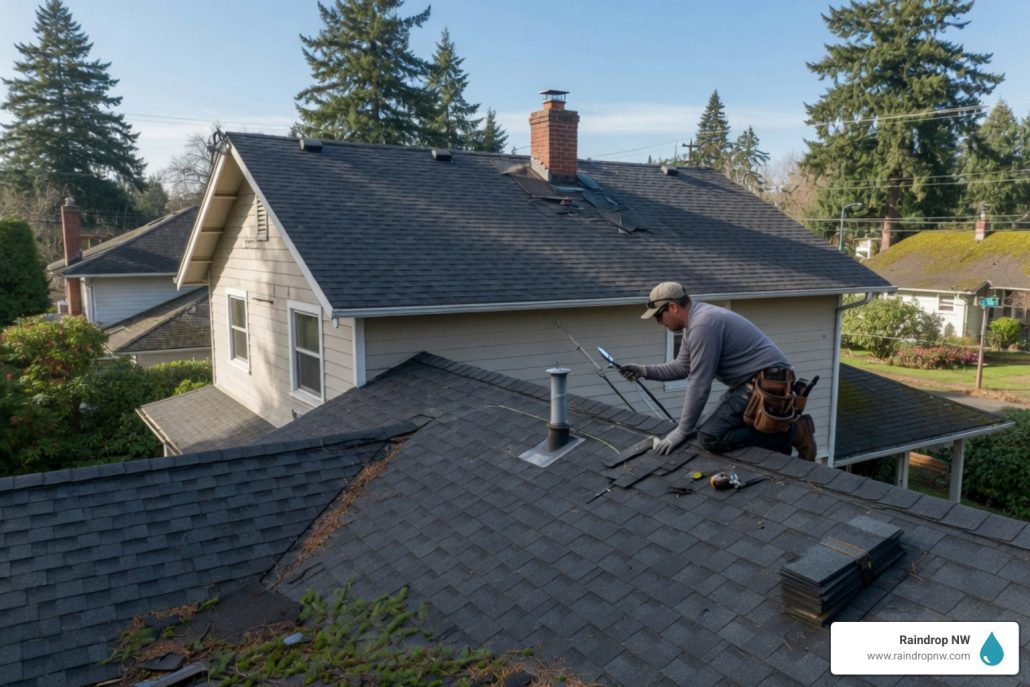
If you’ve been searching for roofing tips for Beaverton and Portland homeowners, here’s what you need to know right away:
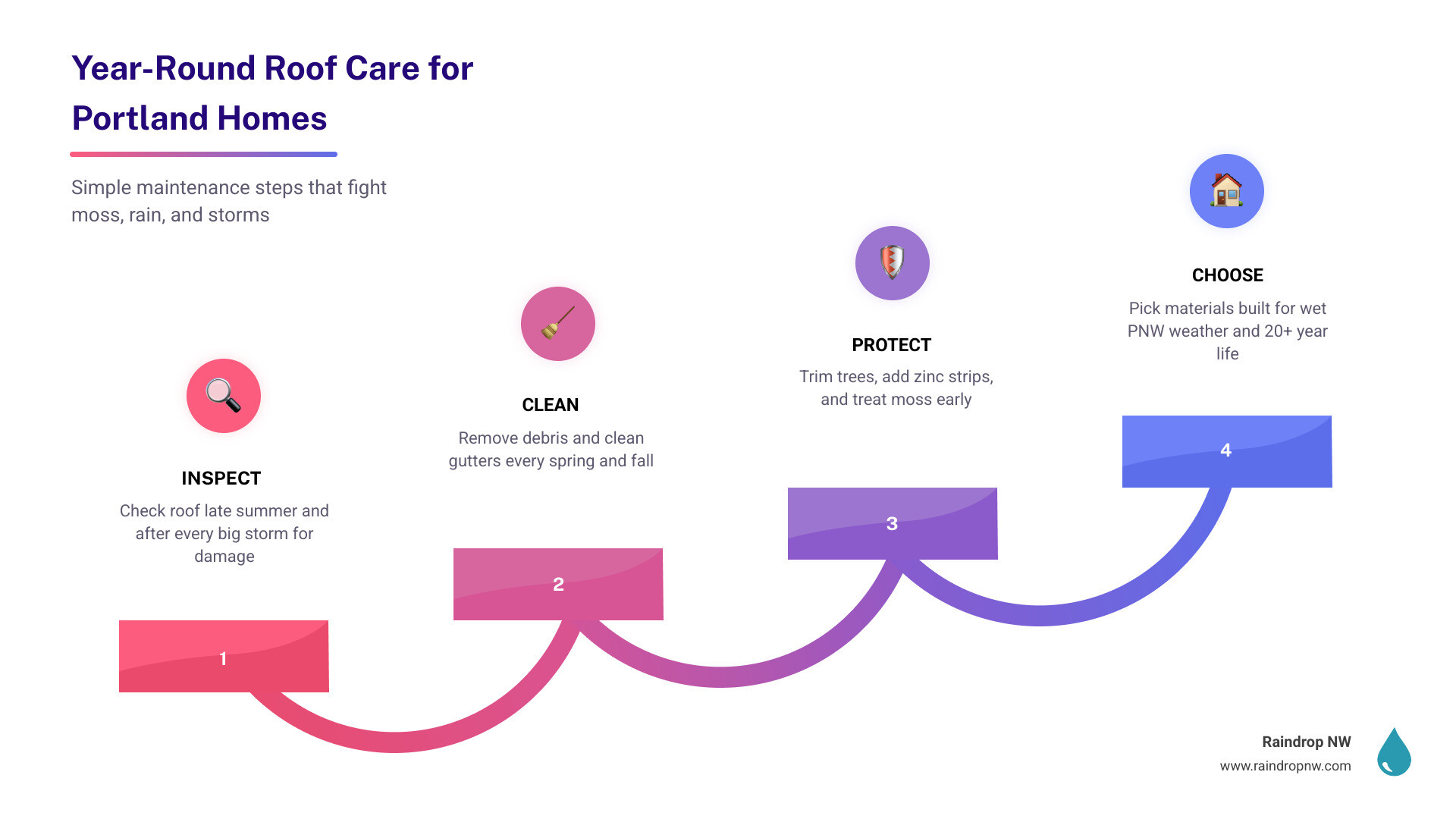
- Inspect your roof at least once a year — ideally in late summer, and after any major storm
- Clean your gutters every spring and fall — Portland’s 36–42 inches of annual rainfall makes clogged gutters a fast path to water damage
- Treat moss early — damp, shaded PNW conditions can shorten shingle lifespan by up to 30% if moss is left unchecked
- Trim overhanging tree branches — debris and shade accelerate moisture buildup and roof wear
- Know your roof’s age — asphalt shingles in the Pacific Northwest typically last 20–25 years, and age directly affects insurance coverage
- Choose materials built for wet climates — architectural asphalt shingles, metal roofing, and quality composites all outperform standard shingles in Oregon conditions
- Hire a local, licensed, and independently owned roofer — not a national chain that may be sold to an out-of-state investment firm after your project is done
Your roof is arguably the hardest-working part of your home — and in the Portland metro area, it faces a relentless lineup of challenges. Steady rainfall from October through May, thick tree canopies that trap moisture, moss that quietly pries apart shingles, and the occasional windstorm all add up to a roofing environment that’s genuinely tougher than the national average. A roof that might last 30 years in a dry climate could show serious wear by year 20 here in the Tualatin Valley. That’s not a sales pitch — it’s just the reality of living in the Pacific Northwest.
The good news? Most of the damage that shortens roof life in Beaverton and Portland is preventable. With the right materials, regular maintenance, and a contractor you can actually trust, your roof can protect your home for decades. This guide walks you through everything you need to know — from moss prevention and material selection to storm damage response and what to ask before you hire anyone.
I’m Torrey Yungeberg, owner of Raindrop Roofing NW, a family-owned roofing company rooted right here in Oregon, and I’ve built my career on getting the details right — from the first inspection to the final shingle — so that the roofing tips for Beaverton and Portland homeowners in this guide reflect what actually works in our climate. Let’s get into it.
Climate Challenges: Why You Need Roofing Tips for Beaverton and Portland Homeowners
Understanding our regional weather is the first step toward effective roof care. In places like Beaverton, Hillsboro, and Portland, we don’t just deal with rain; we deal with a unique combination of moisture, shade, and seasonal shifts.
Here is how the local environment directly impacts your roof:
- The Long Wet Season: Portland receives an average of 36–42 inches of rainfall annually. This consistent, low-intensity moisture keeps roofs damp for months at a time, creating the perfect breeding ground for organic growth.
- Thick Tree Canopies: Neighborhoods like Forest Heights, Lake Oswego, and Murrayhill are famous for their beautiful, mature trees. However, these canopies drop needles, leaves, and branches directly onto roof surfaces, trapping moisture in valleys and along flashing.
- Summer UV Exposure: While we focus heavily on the rain, our hot, dry Pacific Northwest summers bring intense UV radiation. This heat dries out shingles, making them brittle and prone to cracking when the autumn rains return.
- Seismic Considerations: Oregon sits in an active seismic zone. Roof design must account for lateral movement, meaning materials must be securely fastened, and heavier options (like slate or clay tile) require careful structural evaluation to ensure the home’s framing can safely support the weight during an earthquake.
To dive deeper into how these seasonal patterns affect your home over time, check out our detailed guide on How Portland Weather Affects Roof Lifespan.
Essential Moss and Moisture Prevention Roofing Tips for Beaverton and Portland Homeowners
If there is one enemy every Beaverton and Portland homeowner faces, it’s moss. Moss acts like a sponge, soaking up rain and holding it flat against your shingles. Over time, as the moss grows, its roots lift the edges of the shingles. This allows water to seep underneath, rotting the wooden decking below and causing slow, hidden leaks.
To protect your roof from moss damage, we recommend these preventive measures:
- Install Zinc or Copper Strips: When rainwater washes over zinc or copper, it releases metallic particles that naturally inhibit moss and algae growth. Installing these strips near the ridge caps of your roof can keep the slopes below clean for years.
- Trim Overhanging Branches: Keep tree branches trimmed back at least several feet from your roofline. This increases sunlight and airflow, helping your roof dry out much faster after a downpour.
- Control Moss Early: Don’t wait for a thick green carpet to form. Treat moss when it first appears as small green spots. Never use a high-pressure washer on asphalt shingles, as this strips away the protective granules and ruins the material. Instead, use gentle, eco-friendly chemical treatments or professional low-pressure washing techniques.
For more tailored advice on protecting your home’s exterior, read our comprehensive guide on Beaverton Homeowners: Everything You Need to Know About Residential Roofing.
Seasonal Maintenance Roofing Tips for Beaverton and Portland Homeowners
A consistent maintenance routine can extend your roof’s lifespan by 30% to 50%. Rather than waiting for a leak to show up on your ceiling, follow this simple seasonal schedule:
- Spring Inspection (March/April): Once the heavy winter storms wind down, check your roof for wind damage, missing shingles, and loose flashing around chimneys and vents. Clean out any debris that accumulated over the winter.
- Fall Preparation (September/October): Before the rainy season returns, clear all leaves and pine needles from your roof valleys and gutters. Ensure downspouts are clear and directing water away from your foundation.
- Year-Round Gutter Cleaning: If your property is heavily shaded, you may need to clean your gutters three or four times a year. Clogged gutters cause water to back up under the lower edge of your roof, rotting the fascia boards and roof edge.
For a complete seasonal checklist, read The Ultimate Guide to Roof Care in Portland Oregon.
Choosing the Best Roofing Materials for the Pacific Northwest
Choosing the right material is critical when replacing a roof in our climate. While standard materials work fine in dry regions, Oregon homes require products engineered to resist constant moisture and organic growth.
Here is a breakdown of the best options for our area:
- Architectural Asphalt Shingles: This is the most popular choice for residential homes. Unlike basic 3-tab shingles, architectural shingles are thicker, carry longer warranties, and often feature built-in algae-resistant granules. They offer excellent durability under normal PNW conditions.
- Metal Roofing: Standing seam metal roofs are highly recommended for heavily wooded or rainy areas. They shed water, pine needles, and snow effortlessly, and moss cannot easily take root on their smooth surfaces. While the upfront investment is higher, they can last up to 70 years.
- Composite Roofing: Made from recycled plastics and rubber, composite shingles mimic the look of natural slate or cedar shakes without the weight or high maintenance. They are highly resistant to moisture, UV damage, and moss.
- Cedar Shakes: Cedar offers a classic Pacific Northwest aesthetic and natural insulation. However, they require high maintenance, regular moss treatments, and may be restricted in some fire-prone areas.
- Flat Roof Membranes: Homes with low-slope or flat sections (common in modern architecture) require specialized membranes like TPO or PVC. These systems must be installed with a minimum slope of 1/4 inch per foot to prevent ponding water.
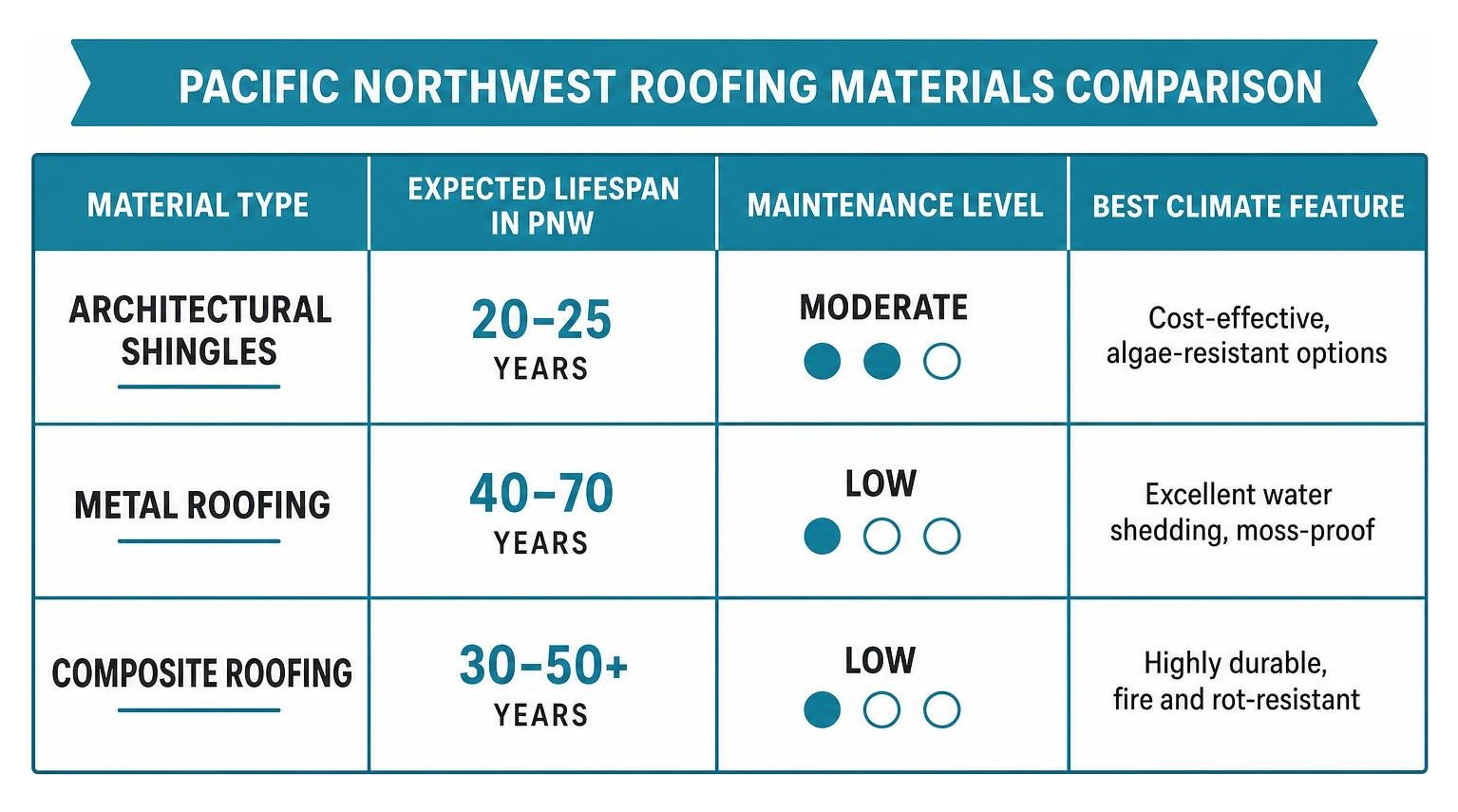
| Material Type | Expected Lifespan in PNW | Maintenance Level | Best Climate Feature |
|---|---|---|---|
| Architectural Shingles | 20–25 Years | Moderate | Cost-effective, algae-resistant options |
| Metal Roofing | 40–70 Years | Low | Excellent water shedding, moss-proof |
| Composite Roofing | 30–50+ Years | Low | Highly durable, fire and rot-resistant |
| Cedar Shakes | 20–30 Years | High | Classic aesthetic, natural insulation |
| Flat Membranes (TPO/PVC) | 15–30 Years | Moderate | Seamless protection for low-slope areas |
Protecting Your Home with Proper Gutters, Ventilation, and Insulation
A roof is more than just shingles; it is a complex system that includes gutters, ventilation, and insulation. If any of these components fail, your entire home is at risk.
- The Role of Gutters: Gutters are your home’s primary defense against water damage. Seamless gutters are highly recommended because they lack joints where debris can catch and leaks can form. Properly functioning gutters protect your siding from rot, prevent basement flooding, and keep water from eroding the soil around your foundation.
- Attic Ventilation: Proper airflow is crucial. In the winter, warm, moist air from your living spaces escapes into the attic. If your roof lacks adequate intake and exhaust vents, this moisture traps inside, condensing on the underside of your roof deck. This causes wood rot and mold. In the summer, poor ventilation traps extreme heat, baking your shingles from the inside out and shortening their lifespan.
- Attic Insulation: Quality insulation keeps heat inside your home. During rare winter freezes in the Portland area, escaping attic heat can melt snow on your roof. This water runs down to the cold roof edge, where it refreezes, forming “ice dams” that force water back under your shingles. Proper insulation prevents this cycle while lowering your heating bills.
How to Handle Storm Damage and Navigate Insurance Claims
When severe windstorms or heavy winter freezes strike the Portland metro area, roof damage can happen fast. Knowing how to respond can save you from costly water damage and insurance headaches.
If you suspect storm damage, follow these steps:
- Perform a Safe Visual Check: From the ground, look for missing shingles, exposed underlayment, or damaged flashing around vents and chimneys. Check your attic for fresh water stains.
- Document Everything: Take clear photos of any visible damage on your roof, as well as any interior leaks. Note the date and time of the storm.
- Call a Local Roofer First: Before calling your insurance company, have a professional roofing contractor inspect the roof. We can provide a detailed damage report and temporary tarping if necessary. This prevents you from filing unnecessary claims that could raise your rates.
- Understand Your Policy: Roof age plays a major role in insurance claims. Many insurers adjust payouts based on the age of the roof, offering actual cash value (depreciated value) rather than full replacement cost for older roofs.
To ensure your roof is thoroughly evaluated after a major weather event, learn more about our process for Portland Roof Inspections: Protecting Your Home from the Top Down.
Frequently Asked Questions About Portland Metro Roofing
How often should Portland-area homeowners schedule roof inspections?
We recommend scheduling a professional roof inspection at least once a year, with late summer being the ideal time. This allows you to identify and repair any minor issues before the heavy winter rains arrive. Additionally, you should have your roof checked after any major wind or hail storm.
Catching small issues early, like a cracked pipe boot or loose flashing, can prevent major water damage down the road. For expert local assistance, you can rely on a trusted Beaverton Roofing Contractor: Your Partner for Roof Health to keep your system in top shape.
What signs indicate that a roof needs repair or replacement?
Look out for these common warning signs:
- Curling or Clawing Shingles: This indicates the shingles are reaching the end of their lifespan and losing their flexibility.
- Granule Loss: Finding dark, sand-like granules in your gutters means your shingles have lost their protective UV coating.
- Interior Water Stains: Discoloration on your ceilings or attic rafters is a clear sign of an active leak.
- Sagging Roof Deck: A drooping roofline indicates structural wood damage from long-term water exposure.
- Damaged Flashing: Cracks, rust, or gaps in the metal flashing around chimneys, dormers, and valleys are common leak sources.
What questions should homeowners ask when hiring a local roofer?
To protect your investment, always ask these questions before signing a contract:
- Are you licensed, bonded, and insured in the state of Oregon? (Verify their CCB license online).
- Are you a truly local, independently owned company? Out-of-state investment firms frequently buy out local roofing brands, which can make warranty claims difficult to resolve down the road.
- Do you use certified in-house crews or do you subcontract all the work?
- What manufacturer certifications do you hold? (This affects the strength of your material warranties).
- Do you provide written warranties covering both materials and craftsmanship?
Conclusion
Your roof is your home’s primary shield against the challenging Pacific Northwest climate. By staying proactive with moss control, seasonal gutter cleaning, and annual inspections, you can maximize your roof’s lifespan and protect your home for decades to come.
At Raindrop Roofing NW, we are proud to be a family-owned, truly local roofing company serving Beaverton, Portland, and surrounding communities like Tigard, Hillsboro, Lake Oswego, and Oregon City. We believe in transparency, multi-generational craftsmanship, and long-term accountability. We don’t believe in high-pressure sales tactics — just honest, expert advice to help you keep a safe roof over your head.
Ready to check the health of your roof? Schedule a Free Roof Inspection with Raindrop NW today, and let our family take care of yours.




Leave a Reply
Want to join the discussion?Feel free to contribute!