
How to Master Gutter Maintenance Tips for Homeowners in 7 Easy Steps

Why Gutter Maintenance Tips for Homeowners Are the First Line of Defense for Your Home
Following gutter maintenance tips for homeowners is one of the simplest ways to protect your home from serious — and expensive — water damage. Here is a quick overview of what good gutter maintenance looks like:
7 Core Gutter Maintenance Tips for Homeowners:
- Gather the right tools before you start (ladder, gloves, scoop, hose)
- Clear debris by hand, then flush the system with water
- Inspect seams, joints, and hangers for leaks or sagging
- Check downspout drainage and make sure water discharges 4-6 feet from your foundation
- Verify your gutter pitch (a 1/4-inch drop per 10 feet keeps water flowing)
- Trim overhanging branches to slow debris buildup
- Consider gutter guards to reduce how often you need to clean
Most homes need gutter cleaning at least twice a year — once in late spring and once in late fall. Homes surrounded by trees may need it more often.
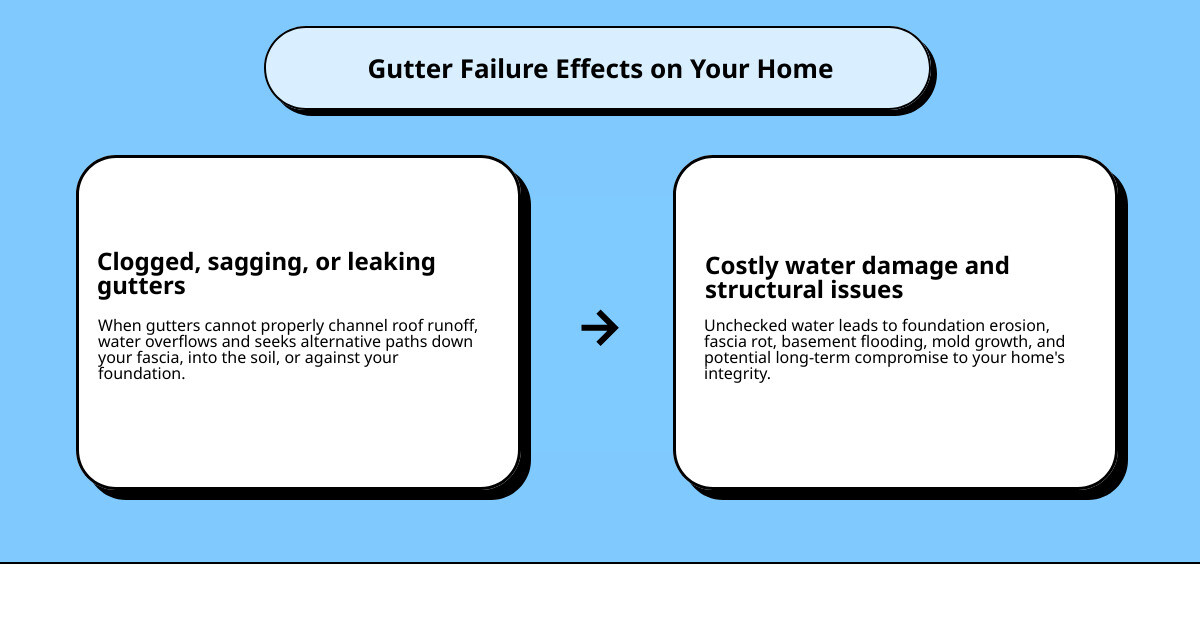
Gutters seem like a small detail. But when they fail, the consequences are anything but small. A few inches of rain falling on a typical roof can generate several thousand gallons of runoff. When that water has nowhere to go — because your gutters are clogged, sagging, or leaking — it finds its own path. That usually means down your fascia boards, into your foundation, or pooling against your home’s structure. Left unaddressed, that kind of water damage can cost thousands of dollars to repair.
The good news? Most gutter problems are entirely preventable with a consistent maintenance routine and a basic understanding of what to look for.
I’m Torrey Yungeberg, owner of Raindrop Roofing NW, and after years of inspecting roofs and gutter systems across the Portland metro and greater NW Oregon, I have seen how a few simple gutter maintenance tips for homeowners can be the difference between a sound home and a costly repair call. Let’s walk through exactly what you need to know to keep your gutters working the way they should.
Why Gutter Maintenance Tips for Homeowners are Essential for Home Protection
When we talk about home maintenance in the Pacific Northwest, the conversation usually starts and ends with water. In areas like Beaverton, Lake Oswego, and Tualatin, our homes face a constant barrage of moisture. Your gutters are the unsung heroes of this battle. They aren’t just there to keep you dry when you walk through the front door; they are a sophisticated drainage system designed to protect your home’s structural integrity.
Protecting Your Foundation
The most critical role of your gutters is protecting your foundation. When gutters clog, water spills over the side and saturates the soil directly next to your home. This can lead to soil erosion and, eventually, foundation cracks. In fact, experts estimate that clogged gutters can cause $8,000 or more in foundation and fascia damage if left unaddressed. We often see homeowners in Gresham or Oregon City dealing with basement flooding or crawlspace moisture that could have been avoided with a simple afternoon of cleaning. Understanding How Gutter Maintenance Prevents Foundation Damage is the first step in realizing why this chore shouldn’t be skipped.
Preventing Fascia and Roof Damage
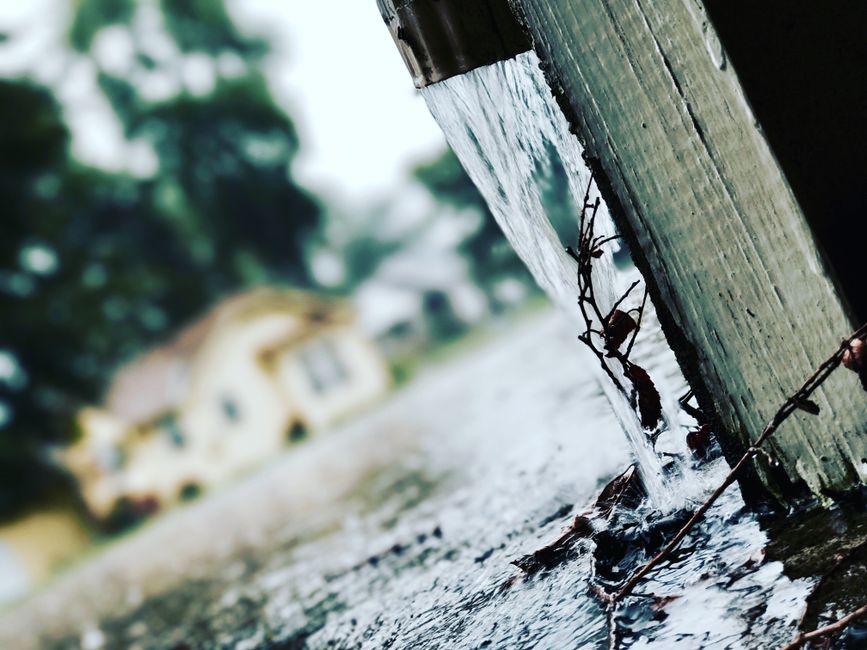
When water backs up in your gutters, it doesn’t just sit there. It wicks into the fascia boards (the wooden boards your gutters are mounted to) and can even travel up under your shingles. This leads to wood rot and mold growth. Statistics show that roughly 68% of fascia rot cases are traceable to gutters that haven’t been cleaned or properly sloped in the last two years. By keeping the system clear, you ensure that Gutter Systems and Why They Matter for Your Roof are actually doing their job rather than causing secondary issues.
7 Steps to Safely Clean and Maintain Your Gutters
Cleaning gutters isn’t exactly a “fun” weekend activity, but it is a necessary one. However, it can also be dangerous. With over 160,000 ladder-related injuries reported annually, safety must be your top priority. Before you start, ensure you have a stable ladder and, ideally, a spotter to help keep things steady.
Step 1: Gather the Right Tools for Gutter Maintenance Tips for Homeowners
Efficiency starts with having the right gear. Don’t try to “wing it” with a kitchen spatula and a wobbly step stool. To do this right, you’ll need:
- A sturdy extension ladder (with a stabilizer if possible).
- Heavy-duty utility gloves to protect against sharp debris and pests.
- A plastic gutter scoop (metal can scratch the coating on your gutters).
- A garden hose with a high-pressure trigger nozzle.
- Safety goggles to protect against splashing muck.
- A tarp to catch the debris you scoop out.
Having these tools ready is a key part of our Water Damage Prevention Tips for Pacific Northwest Homeowners.
Step 2: Clear Debris and Flush the System
Spread your tarp on the ground beneath your work area. This makes cleanup much easier and protects your landscaping in places like West Linn or Sherwood. Use your scoop to remove the bulk of the organic matter — leaves, twigs, and that “gutter muck” that builds up over time.
Once the troughs are clear, it’s time to flush. Start at the end furthest from the downspout and spray the hose toward the exit. This helps you identify any remaining clogs and confirms that the water is moving freely. This is also the best time to see How Regular Inspections Catch Problems Early by spotting standing water.
Step 3: Inspect for Leaks and Sagging
While the gutters are wet, look for leaks at the seams and end caps. If you find a small hole or a failing seam, you can often fix it yourself using butyl rubber caulk or a specialized gutter sealant. Also, check your hangers. If the gutter is pulling away from the house, the hangers may be loose or the fascia board may be softening. Tightening these connections now prevents the entire section from falling during a heavy Portland storm.
Step 4: Check Downspout Drainage
A clear gutter is useless if the downspout is blocked. If water isn’t exiting the bottom of the spout during your flush, you likely have a clog at the elbow. You can usually clear this by gently tapping on the side of the downspout or using a plumber’s snake for stubborn blockages.
Crucially, check where that water goes. Downspouts must discharge water at least 4 to 6 feet away from your foundation. If the water is dumping right at the base of your home, use splash blocks or extension pipes to direct it further away.
Step 5: Adjust the Gutter Pitch
Gutters are not meant to be perfectly level. They need a slight slope (pitch) toward the downspouts to ensure water doesn’t stand still. The standard rule is a 1/4-inch drop for every 10 feet of gutter run. If you notice standing water in a clean gutter more than 24 hours after a rain, you may need to reposition the hangers to restore the proper slope.
Step 6: Trim Overhanging Branches
Prevention is the best form of maintenance. If you have large trees in your yard in Vancouver or Camas, try to keep branches trimmed back so the closest limbs are at least 10 feet away from your roofline. This reduces the amount of debris that falls into your system and deters pests like squirrels and rats from using your gutters as a highway into your attic.
Step 7: Consider Gutter Guards for Long-Term Ease
If you find yourself cleaning your gutters four times a year because of heavy tree cover in neighborhoods like Orchards or Brush Prairie, gutter guards might be a wise investment. High-quality micro-mesh technology can filter out even small debris like pine needles and maple seeds, reducing your cleaning frequency by up to 80-90%. While they don’t eliminate the need for an annual check-up, they certainly make the job much easier.
Identifying Common Gutter Problems and When to Repair
Sometimes, a simple cleaning isn’t enough. As your home ages, the gutter system will eventually need repairs or replacement. Being able to spot the signs of failure early can save you from a major structural headache.
| Sign of Trouble | Potential Cause | Fix Type |
|---|---|---|
| Water Stains on Siding | Overflowing gutters or hidden clogs | DIY Cleaning / Inspection |
| Sagging Sections | Failed hangers or heavy debris weight | Professional Repair / Reinforcement |
| Peeling Paint / Algae | Constant moisture from slow leaks | DIY Sealing or Pro Replacement |
| Plants Growing in Gutter | Significant sediment buildup | Immediate DIY Cleaning |
| Gutter Pulling Away | Rotting fascia or loose fasteners | Professional Assessment Required |
If you see “tiger stripes” (dark streaks on the front of your gutters), it’s a sign that water is frequently overflowing. This is often caused by a poor pitch or undersized gutters for the slope of your roof. We always recommend that How Regular Inspections Catch Problems Early includes a walk-around during a heavy rainstorm to see the system in action.
Seasonal Gutter Care and Long-Term Solutions
In the Pacific Northwest, our maintenance needs change with the seasons. We don’t just have “rainy” and “dry” seasons; we have specific cycles that impact your gutters differently.
- Spring: This is the time for “tree snow.” In places like Beaverton and Hillsboro, cottonwood seeds and pollen can create a thick mat in your gutters that acts like a sponge, holding moisture and weighing down the system.
- Summer: While it’s our driest time, summer is the best window for major repairs, re-pitching, or installing gutter guards. It’s also the time to prepare for sudden summer thunderstorms that can dump an inch of rain in an hour.
- Fall: The most critical window. You must wait until about 95% of the leaves have dropped before your final clear-out. In the NW, this is usually late October or early November.
- Winter: Our main concern here is ice dams. If your gutters are clogged when a freeze hits, the trapped water can freeze, expand, and pull the gutters right off the house. Proper insulation and clear gutters are your best defense.
Following our Water Damage Prevention Tips for Pacific Northwest Homeowners ensures your home stays protected through every one of these cycles.
Frequently Asked Questions about Gutter Maintenance
How often should I perform gutter maintenance tips for homeowners?
For most homes in the Portland-Metro area, we recommend a twice-yearly schedule: once in late spring (May 2026 is a great time to start) and once in late fall. However, if your home is in a heavily wooded area like Damascus or Sandy, you might need to check them quarterly.
When should I hire a professional for gutter repairs?
If your home is more than one story tall, or if the roof is particularly steep, the risk of a fall is high. Additionally, if you notice widespread corrosion, structural sagging, or if your fascia boards are clearly rotting, it’s time to call in the pros. A professional can ensure the Residential Roofing Repairs and Maintenance are done correctly and safely.
Do gutter guards eliminate the need for cleaning?
No. Think of gutter guards as a “maintenance reducer,” not a “maintenance eliminator.” Even with the best micro-mesh guards, fine silt and organic matter can settle in the system over time. You should still plan for a quick visual inspection at least once a year to ensure everything is flowing correctly.
Conclusion
At Raindrop Roofing NW, we believe that a well-maintained home is a happy home. Whether you are in Beaverton, Tigard, or over in Vancouver, taking the time to master these gutter maintenance tips for homeowners will pay dividends in the longevity of your roof and the safety of your foundation.
We are a truly local, independently owned company. Unlike some of the big firms that have been bought out by out-of-state investors, we live and work in the same communities you do. We are committed to long-term service and accountability for our neighbors across the Portland-Metro area.
If you’ve climbed the ladder and realized your gutters are past the point of a simple DIY fix, or if you want a professional set of eyes to ensure your home is ready for the next season, we are here to help. From minor repairs to full seamless gutter installations and advanced protection systems, our team brings the craftsmanship and clarity you deserve.
Ready to protect your home? Explore our Residential Roofing Repairs and Maintenance services or contact us today for a free inspection. Let’s make sure your home is ready for whatever the NW weather throws our way!




Leave a Reply
Want to join the discussion?Feel free to contribute!