Understanding Balcony Safety in Portland Emergencies
Emergency balconies in portland, or serve as critical areas of refuge when fire blocks your primary exit. While they’re not typically designed as formal fire escapes, balconies have saved lives in recent Portland fires—including incidents where residents jumped from second-story balconies to escape flames at SW Multnomah Boulevard and a four-alarm fire on East Burnside Street.
Key Facts About Balcony Safety in Portland:
- Primary exits first: Always use stairs or hallways when possible
- Balconies as refuge: Treat balconies as safe waiting areas for rescue, not jumping points
- Legal requirements: Portland requires sleeping rooms to have emergency egress with windows no higher than 44 inches from the floor
- Inspection standards: The city maintains over 600 designated fire escapes that must be inspected every 5 years
- Never jump: Wait for Portland Fire & Rescue ladder rescue whenever possible
The reality is stark. Three people were hospitalized for smoke inhalation when residents had to escape via balconies during a Southwest Portland townhouse fire. Another family was forced to jump from their second-story balcony during the East Burnside apartment fire, with the son later recounting having to push his elderly mother to safety. These incidents underscore why understanding your building’s egress options—and keeping your balcony clear and accessible—matters deeply.
If you’re concerned about the structural integrity of your building’s balconies or decks, you’re asking the right questions. For homeowners seeking quality roofing and structural work from a trusted local contractor, understanding how all parts of your home work together for safety is essential. Whether you need immediate help with balcony repairs or want to ensure your home meets current safety standards, working with an accountable, community-focused team makes all the difference.
I’m Torrey Yungeberg, owner of Raindrop Roofing NW, and I’ve spent years helping Oregon families maintain the structural integrity of their homes, including the critical connection points where roofing meets emergency balconies in portland, or. Our family-owned business prioritizes the long-term safety and quality that comes from truly understanding local building codes and weather challenges.
The Unplanned Escape: When Portland Balconies Become Lifelines
When a fire erupts, the first instinct is to find the fastest way out. Ideally, this means using designated stairwells and exits. However, as recent events in Portland have tragically shown, sometimes primary escape routes become compromised, forcing residents to seek alternative means of egress. This is when emergency balconies in portland, or can transition from a pleasant outdoor space to a critical lifeline.
Consider the harrowing incident at a townhouse on SW Multnomah Boulevard. Early one Saturday morning, a two-alarm fire broke out, trapping residents. With smoke and flames blocking their primary escape, two individuals had no choice but to jump from their second-story balconies to escape the blaze. Both were hospitalized for smoke inhalation, a stark reminder of the dangers involved, but they survived because a balcony offered a desperate, last-minute option. Portland Fire & Rescue responded with 51 firefighters, highlighting the scale of such emergencies and the swift, coordinated action required.
Even more dramatic was the four-alarm fire that ravaged a 19-unit apartment complex on East Burnside Street. A family, including an elderly mother, found themselves staring at flames blocking their apartment door. Their only option was their second-story balcony. As captured in a heart-wrenching video, the son had to make the agonizing decision to push his mother off the balcony to save her life, followed by his brother and himself. This intense experience underscores the psychological and physical toll of such escapes, where “broken bones are going to be a better outcome than if you stay up here,” as one family member recounted.
These incidents highlight several common circumstances that lead to people needing to use balconies as an escape route in Portland fires:
- Blocked Primary Exits: Smoke, flames, or structural collapse can render stairwells and hallways impassable, leaving balconies as the only immediate escape path.
- Rapid Fire Spread: Fires can escalate quickly, especially in older buildings or those with compromised fire safety features, trapping occupants before they can reach traditional exits.
- Origin of the Fire: If a fire starts near an apartment’s main entrance, the balcony becomes the immediate point of refuge.
- Smoke Inhalation Risk: Even if flames are not directly threatening, dense smoke can quickly incapacitate occupants, making a clear balcony a safer, albeit temporary, haven.
While the cause of many fires remains under investigation, common culprits in residential settings include electrical malfunctions, cooking accidents, heating equipment issues, and, in some cases, suspicious origins or arson, as was investigated in the East Burnside fire. Regardless of the cause, when fire necessitates an emergency escape, a balcony can be the only viable option.
For homeowners and property managers in the Portland area, including Vancouver, Beaverton, Hillsboro, and Gresham, ensuring the structural integrity and safety of all exterior structures, including balconies, is paramount. Just as we ensure the strength of a roof, the foundational safety of structures like balconies can make all the difference in an emergency. For quality construction and maintenance services, from Vancouver, WA balconies and decks to our Portland-area communities, we understand the critical role these structures play in both daily life and unexpected emergencies.
Portland’s Safety Codes for Emergency Balconies in Portland, OR
While many residential balconies are not designed as primary fire escapes, the City of Portland has robust regulations for designated fire escapes and emergency egress points to ensure occupant safety. Understanding these codes is crucial for both property owners and residents.
Portland Fire & Rescue, in conjunction with the Portland City Code, sets strict guidelines. The city currently boasts more than 600 designated fire escapes attached to existing buildings, serving as either required emergency egress systems or vital firefighting platforms. These aren’t just decorative; they’re subject to rigorous standards outlined in policies like the PF&R FMO Policy – Fire Escapes.
Structural Integrity and Maintenance Mandates
For designated fire escapes, structural integrity is non-negotiable. These structures must be able to support their dead load plus a live load of not less than 100 pounds per square foot. Furthermore, they must withstand a concentrated load of 300 pounds placed anywhere on the landing, balcony, or stairway to produce the maximum stress. This ensures they can safely bear the weight of multiple individuals during an emergency.
Railing strength is equally critical. All stairway and balcony railings on fire escapes must support a horizontally applied force of not less than 50 pounds per lineal foot of railing, applied at the top, or a concentrated load of 200 pounds placed anywhere on the railing. This prevents railings from failing under pressure, which could lead to dangerous falls.
Maintenance is key to ensuring these structures remain safe over time. Fire escapes are subject to a mandatory 5-year re-evaluation cycle after an initial engineering assessment. This includes detailed visual inspections by fire inspectors to identify “imminent hazards” such as severe corrosion, degraded connections, or missing components. Extensive repairs, like replacing structural components or major sections, require permits from the City of Portland’s Bureau of Development Services (BDS). Owners must also ensure clear access, proper signage, and specific locking devices for fire escape access points. Minor maintenance, like rust removal and incidental welding, is encouraged but doesn’t always require a permit.
Maintaining the integrity of all exterior structures, including those that might serve as emergency egress, is something we take seriously. Whether it’s flashing repair for decks and balconies in Tigard or ensuring the overall safety of your home’s exterior, our local expertise helps us steer these complex requirements for our clients in the Portland metro area.
Your Path to Safety: Egress Window and Door Rules
While not every balcony serves as a designated fire escape, windows and doors leading to them, especially from sleeping rooms, often serve as crucial emergency egress points. Portland’s building codes, including 29.30.230 Emergency Exits and the guidelines for Emergency Escape and Rescue Openings, outline specific requirements for these openings.
For windows in sleeping rooms that are intended for emergency escape or rescue, there are two primary requirements:
- Sill Height: The bottom of the window opening (sill height) must be no more than 44 inches above the floor or above an approved, permanently installed step. This ensures that occupants, including children, can easily access the opening.
- Minimum Clear Opening: The window must have a minimum net clear opening of at least 20 inches wide and at least 22 inches high. This provides sufficient space for an individual to pass through.
Furthermore, these windows must be easily operable from the inside without the use of a key, special knowledge, or effort. This means no complicated latches or mechanisms that could hinder a quick exit during a panic. These regulations are particularly important for residential buildings, including apartments and townhouses, where balconies might offer the only alternative to a smoke-filled hallway.
It’s worth noting that the City of Portland also has overarching regulations in its Emergency Code, Chapter 15.04, which further emphasizes the importance of accessible and safe emergency exits. For homeowners in areas like Happy Valley, Beaverton, and other Portland communities, understanding these specific requirements for windows and doors is vital to ensuring your home provides adequate emergency egress. Just as we ensure the structural integrity of balconies for our Happy Valley clients, we emphasize that all components of your home’s exterior play a role in safety.
Your Fire Safety Playbook: Preparation and Action
Understanding the regulations is one thing; putting that knowledge into practice is another. When it comes to fire safety, especially concerning emergency balconies in portland, or, preparation is your best defense.
Before a Fire: Preparing Your Home and Emergency Balconies in Portland, OR
Proactive measures can drastically improve your chances of survival and minimize damage during a fire.
- Develop a Family Escape Plan: This is paramount. Every household member should know at least two ways out of every room, including a primary exit (like a door leading to a hallway or stairs) and a secondary exit (like a window leading to a balcony or the ground). Practice this plan regularly.
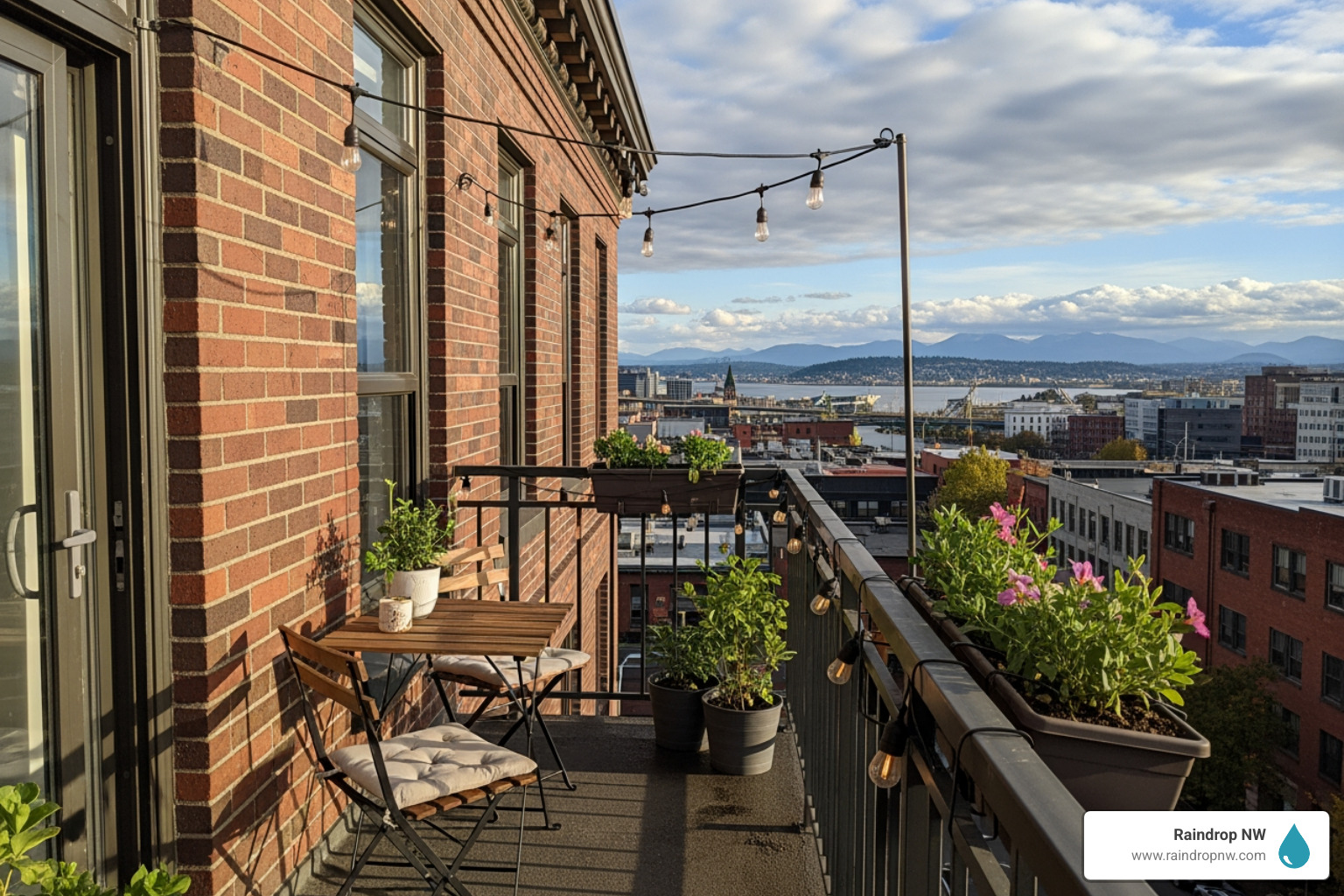
- Keep Balconies Clear: Your balcony might become your only refuge. Ensure it’s not cluttered with furniture, plants, or storage that could impede movement or catch fire. A clear path to the door and around the perimeter is essential.
- Check Window Operation: Regularly test that all windows designated as emergency exits open easily and completely. Ensure they meet the minimum clear opening requirements (20 inches wide and 22 inches high, with a sill height no more than 44 inches from the floor).
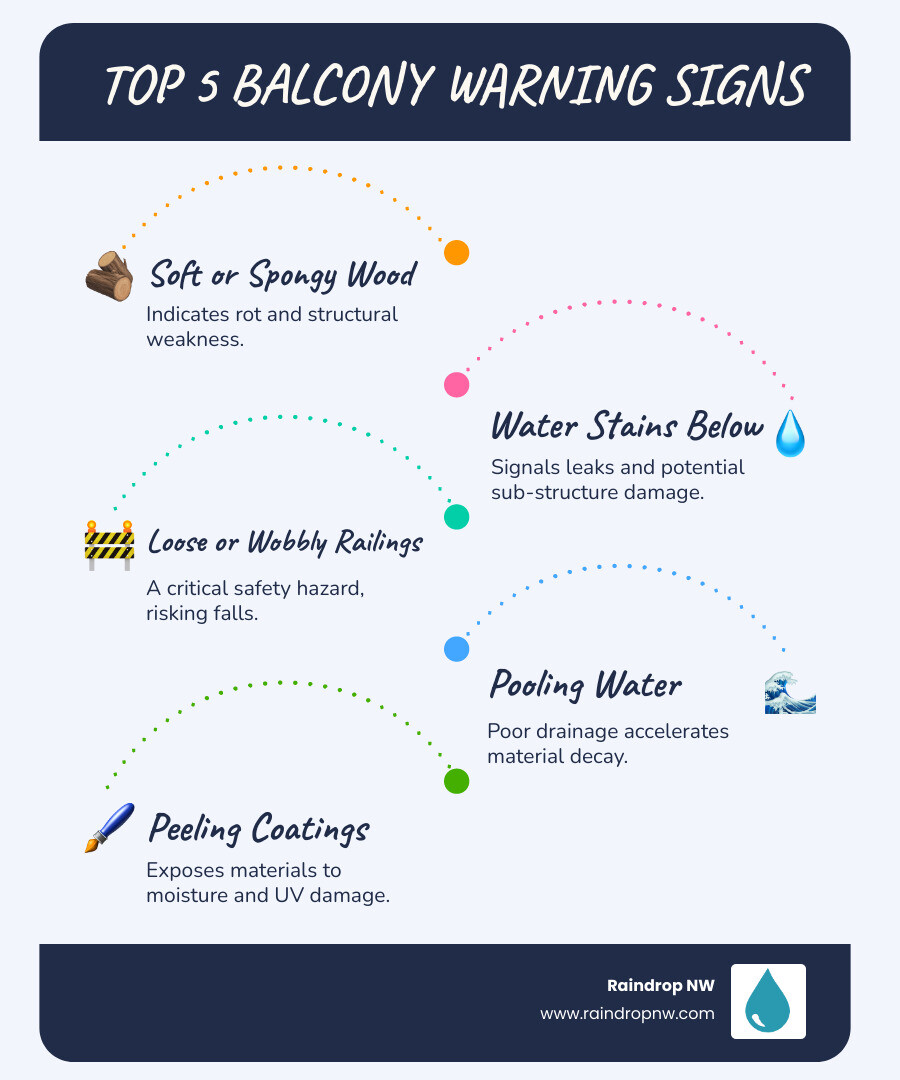
- Report Structural Concerns: If you notice any signs of wear, rust, or damage to your balcony or fire escape, report it to your landlord or building management immediately. A compromised structure is a death trap.
- Essential Fire Safety Items:
- Working smoke detectors on every level and in sleeping areas (test monthly, change batteries annually).
- Carbon monoxide detectors, especially near sleeping areas.
- A multi-purpose fire extinguisher (ABC rated) in an easily accessible location, and know how to use it.
- An escape ladder for upper-floor windows that don’t lead to a balcony, if applicable and safe to use.
- A flashlight with fresh batteries near your bed.
- A whistle to signal for help.
For homeowners in Beaverton, ensuring all aspects of your home, including balconies, are safe and well-maintained is part of responsible homeownership. We understand the importance of quality construction and repairs for professional balconies in Beaverton, OR, contributing to both daily enjoyment and emergency preparedness.
During a Fire: Using Emergency Balconies in Portland, OR, as a Safe Refuge
If fire or smoke blocks your primary exit, and your balcony is your only option, here’s what to do:
- Retreat and Close Doors: If you encounter smoke or flames, immediately close the door behind you to slow the spread of fire and smoke. This buys you precious time.
- Head to the Balcony: Go to your balcony and close the door behind you.
- Call 911: As soon as you are in a relatively safe location, call 911. Provide your exact address and apartment number, and tell them you are trapped on the balcony.
- Signal for Help: Yell loudly, wave a bright cloth, or use a flashlight or whistle to attract the attention of firefighters or neighbors.
- Do NOT Jump (Unless Absolutely Necessary): The news stories of people jumping from balconies highlight the extreme desperation of those situations. Jumping from any significant height can cause severe injuries or even be fatal. Always consider it a last, last resort. As seen in the Katu.com report, two residents escaped a fire through a balcony but required hospitalization for smoke inhalation, indicating the inherent risks.
- Wait for Professional Rescue: Portland Fire & Rescue is highly trained and equipped to handle these situations. They will deploy ladder trucks to reach individuals trapped on balconies. Their response time and expertise are your best hope for a safe rescue.
The role of fire departments in rescuing individuals from balconies during fires is paramount. They assess the situation, prioritize rescues, and use specialized equipment like aerial ladders to safely extract people. Their training includes evaluating the structural integrity of the balcony, the extent of the fire, and the safest way to bring occupants down, minimizing the risks associated with jumping.
Frequently Asked Questions about Balcony Fire Safety
What are the biggest risks of using a balcony to escape a fire?
The biggest risks include the danger of jumping from height, which can lead to severe injuries or fatalities. Even if you don’t jump, waiting on a balcony can expose you to significant smoke inhalation, especially if the fire spreads to the exterior or below your balcony. There’s also the potential for structural failure of a non-rated balcony under extreme heat, though designated fire escapes are built to withstand considerable stress.
How do I know if my balcony is a designated fire escape?
Designated fire escapes are typically external metal staircases or platforms specifically designed and constructed for emergency egress. They will often have a placard indicating their certification and load capacity. Standard residential balconies, while they can serve as areas of temporary refuge, are generally not designed or rated as official fire escapes. If you’re unsure, assume your standard balcony is an area of refuge, not a structural fire escape, and check with your building management for official egress plans.
Can I put furniture or plants on my balcony?
While often allowed for aesthetic purposes, it is absolutely critical that nothing blocks the door leading to your balcony or a clear path along the balcony itself. In an emergency, every second counts, and you need an unobstructed route to your temporary refuge and for firefighters to access you. Always prioritize a clear egress path over decoration. Consider portable items that can be quickly moved out of the way, but ideally, keep the path clear at all times.
Conclusion: Prioritizing Structural Safety and Peace of Mind
Navigating the complexities of fire safety, especially concerning emergency balconies in portland, or, boils down to a few critical principles: know your exits, have a plan, and keep your paths clear. While balconies can serve as crucial areas of refuge in dire circumstances, they are rarely primary escape routes, and their use often comes with significant risks.
The regulations set by Portland Fire & Rescue for designated fire escapes and egress windows are designed to protect lives, highlighting the importance of structural integrity and regular maintenance. From ensuring balconies can bear specific loads to maintaining clear access to emergency windows, these codes are the backbone of our community’s safety.
For homeowners and property managers across Portland, including areas like Hillsboro, Beaverton, and Gresham, the condition of your exterior structures plays a vital role in overall safety. At Raindrop NW, we understand that a well-maintained home is a safe home. We pride ourselves on being a truly local, independently owned company, committed to long-term service and accountability. We’re not just fixing roofs; we’re helping to ensure the structural integrity of your entire property, including the critical connections where your roofing system meets your balconies and decks.
For professional services to ensure your balconies, patios, and flat decks are secure in Hillsboro and the greater Portland area, contact our team today. We’re here to provide the peace of mind that comes from knowing your home is in expert, local hands.