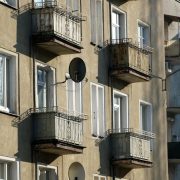
Quick Fixes for Shaky Decks: Same Day Balcony Services in Aloha
Why Emergency Balcony Safety Matters in Aloha
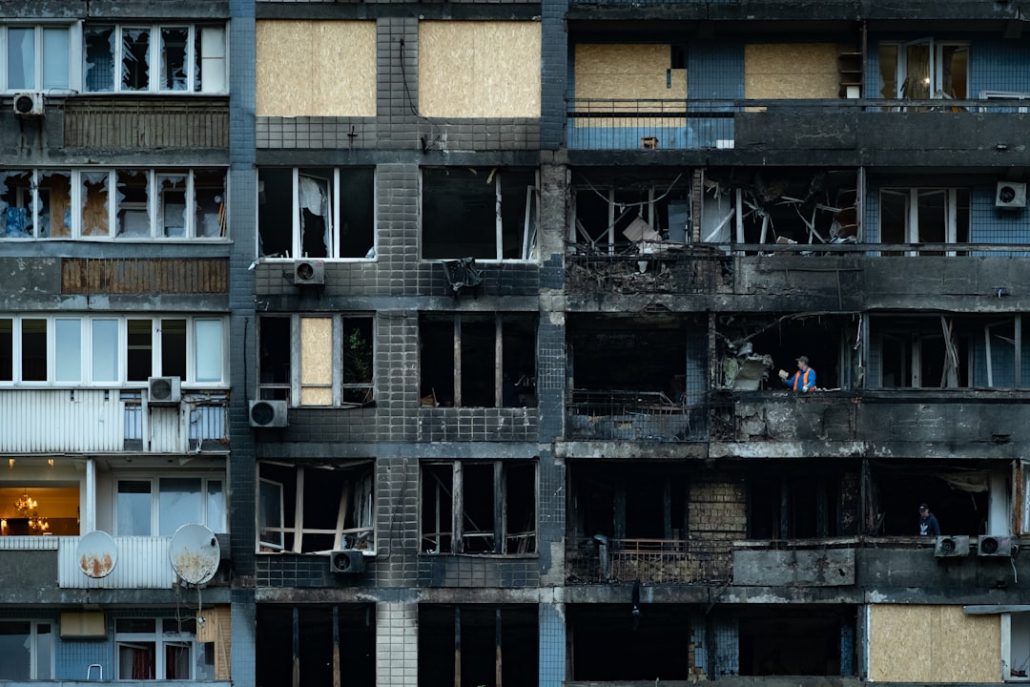
When emergency balconies in aloha, or fail, lives are at risk—and recent events prove it. On September 17, 2025, a three-alarm fire tore through an eight-unit apartment building near Southwest 201st Avenue and West Baseline Road, starting on a balcony just after 3 a.m. The blaze spread rapidly from a lower apartment to upstairs units and through the roof, displacing 17 residents and leaving the entire building a total loss. Two apartments were fully engulfed when firefighters arrived, and all eight units sustained fire, smoke, or water damage.
Quick Answer: What to Do About Emergency Balconies in Aloha
- Identify hazards immediately – Check for shaky railings, soft spots, rusted fasteners, or gaps in ledger boards
- Restrict access – Keep people and heavy items off unstable balconies until inspected
- Call a local professional – Get same-day structural assessment and emergency repairs
- Verify code compliance – Ensure egress openings meet IRC Section R310 requirements (5.7 sq ft minimum, 44-inch max sill height)
- Address fire risks – Check for combustible materials and maintain clear escape routes
Whether your balcony is showing warning signs of failure or you need to ensure emergency escape routes meet current building codes, time matters. Shaky decks don’t fix themselves, and waiting can turn a repair into a disaster. The Aloha fire showed how quickly balcony issues escalate—flames spread from one balcony to multiple units and the roof in just two hours.
I’m Torrey Yungeberg, owner of Raindrop Roofing NW, and I’ve spent years helping Oregon homeowners protect their most important investment with honest, local service. When it comes to emergency balconies in aloha, or, I know what signs to look for and how to address them quickly without cutting corners.
Identifying Critical Hazards in Multi-Unit Balconies
In multi-unit complexes across Aloha, balconies aren’t just a place to enjoy a morning coffee; they are critical structural components and, in many cases, essential life-safety exits. However, because they are constantly exposed to the Pacific Northwest’s relentless rain, they are prone to specific types of deterioration that can lead to catastrophic failure.
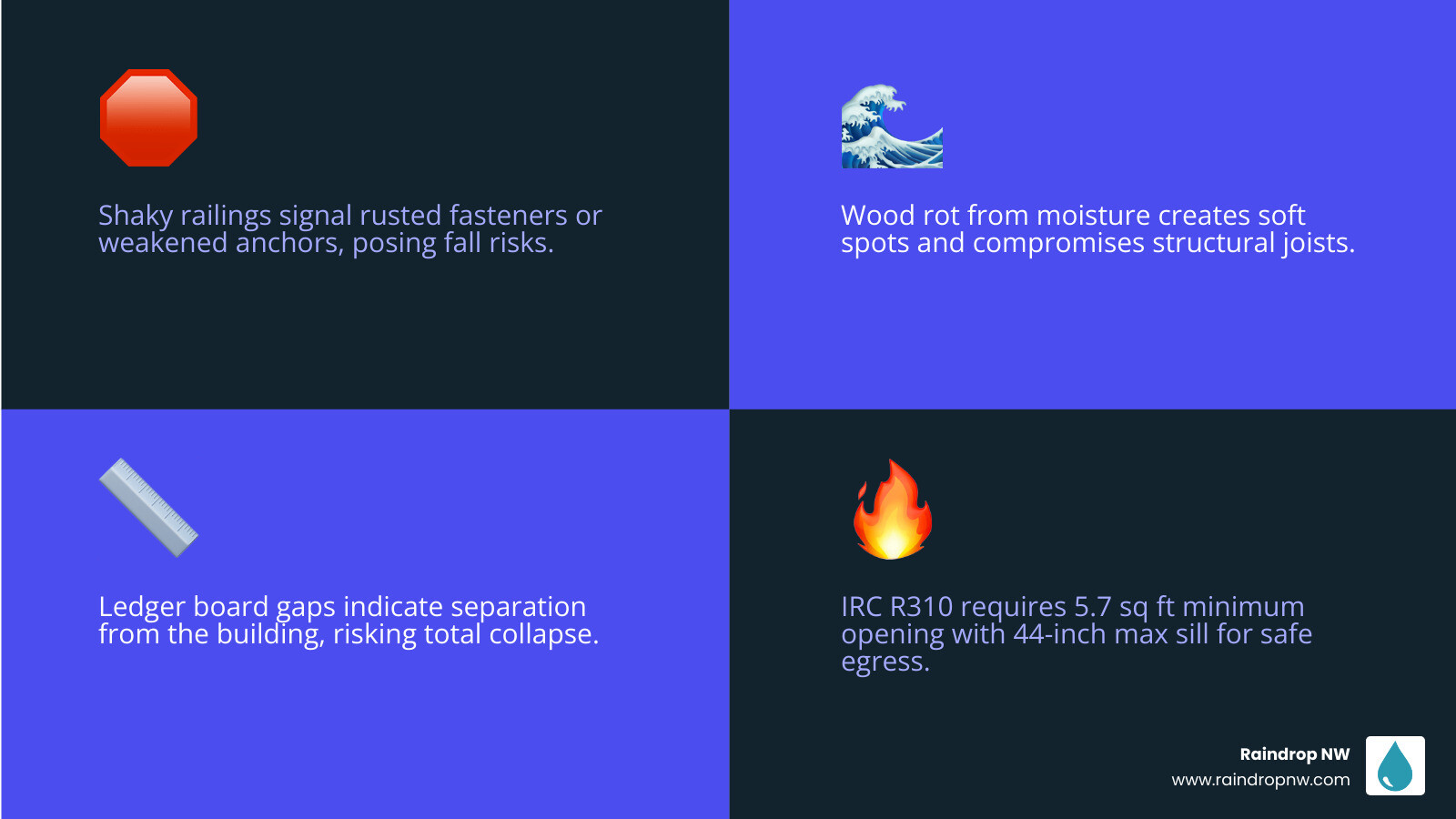
The most common culprit we see is wood rot. Because balconies are often constructed with wood framing, moisture intrusion can quietly eat away at the structural integrity of the beams and joists. If you notice “soft spots” in the wood or a spongy feeling underfoot, the rot has likely progressed beyond a simple surface fix. Shaky railings are another immediate red flag. A railing that wobbles when you lean on it isn’t just an annoyance—it’s a sign that the fasteners have rusted through or the wood they are anchored to has lost its grip.
Structural instability often stems from the way the balcony is attached to the main building. Many older apartments in the area struggle with moisture getting behind the siding, leading to the decay of the ledger board—the heavy piece of timber that connects the deck to the house. If this board fails, the entire balcony can pull away from the building without warning. For those managing properties or living in the area, our More info about Aloha balcony services can help you identify these hidden dangers before they become emergency situations.
Warning Signs of Imminent Deck Failure
How do you know if your balcony is about to go? Look for these “big three” warning signs:
- Ledger Board Gaps: If you can see a visible gap between the balcony and the apartment wall, the structure is pulling away. This is a “get off now” situation.
- Rusted Fasteners: Look at the bolts and nails. If they are heavily rusted or “bleeding” orange stains onto the wood, they are no longer providing the tension required to hold the weight of the deck.
- Soft Spots and Fungi: If you see mushrooms growing out of the wood or can poke a screwdriver into a beam with little resistance, the organic structure of the wood is gone.
For a deeper dive into what to look for, check out our Guide to damaged balconies in Aloha.
Emergency Balconies in Aloha, OR: Lessons from Local Incidents
The tragic fire on September 17, 2025, serves as a sobering reminder of why emergency balconies in aloha, or need to be maintained to the highest safety standards. This three-alarm blaze near SW 201st Avenue and West Baseline Road didn’t just damage a building; it destroyed the homes of 17 people, including eight children.
The fire reportedly started on a resident’s balcony around 3 a.m. and spread with terrifying speed. Because balconies often contain combustible materials—like wooden furniture, plastic storage bins, or even the decking material itself—they act as “fuel bridges” that allow fire to climb the exterior of a building. In this instance, the flames pushed through the roof of the two-story, eight-unit building before firefighters could even get a handle on it.
This incident highlights two major risks: the structural vulnerability of balconies during a fire and their role as a secondary exit. When the primary hallways are filled with smoke, a balcony often becomes the only way out. If that balcony is already structurally compromised or blocked by debris, the results can be fatal. We’ve compiled more safety data in our Emergency balcony safety guide to help residents understand these risks.
IRC R310 Compliance for Emergency Balconies in Aloha, OR
Building codes aren’t just red tape; they are written in the lessons of past tragedies. The 2006 International Residential Code (IRC) Section R310 is very specific about “Emergency Escape and Rescue Openings.” If your balcony serves as a bedroom exit or a primary rescue point, it must meet these standards:
- Minimum Net Clear Opening: At least 5.7 square feet. This ensures a firefighter in full gear can get in, and a resident can get out. (Grade floor openings can be 5 square feet).
- Minimum Dimensions: The opening must be at least 24 inches high and 20 inches wide.
- Sill Height: The bottom of the window or door leading to the balcony cannot be more than 44 inches above the floor.
- Operational Constraints: You shouldn’t need a key, tool, or special knowledge to open the exit.
In Aloha, many older complexes may not be fully compliant with these modern standards. For property owners, updating these exits is a critical part of liability and safety management. You can find more Beaverton area balcony tips here to stay ahead of code enforcement.
Why You Need Professional Help for Emergency Balconies in Aloha, OR
When a balcony is shaky, a “DIY” fix is often more dangerous than doing nothing at all. Nailing a new board over a rotten one doesn’t fix the rot; it just hides it. Professional intervention is required for several reasons:
- Structural Assessment: We use specialized tools to check the “load path” of the balcony, ensuring the weight is properly transferred to the ground or the building’s foundation.
- Fire-Rated Materials: After the recent Aloha fire, we strongly recommend using Class A fire-rated decking materials and non-combustible railing systems to prevent fire spread.
- Local Code Knowledge: We stay up-to-date with Washington County and Aloha-specific building requirements.
If you are dealing with a sagging or unstable structure, our Professional balcony services in Beaverton offer the expertise needed to restore safety quickly.
Immediate Steps to Secure a Shaky or Damaged Deck
If you suspect your balcony is unsafe, you need to act immediately. Do not wait for a “convenient” time to fix it. Here is what we recommend:
- Weight Reduction: Remove all heavy planters, grills, and furniture. The less weight on the structure, the lower the chance of a sudden collapse.
- Restricted Access: Lock the door leading to the balcony and place a sign warning others not to enter.
- Temporary Bracing: If the balcony is sagging, a professional can install temporary “shoring” (vertical support posts) to prevent it from falling further while a permanent fix is designed.
Temporary vs. Permanent Balcony Fixes
| Feature | Temporary Fix (Shoring) | Permanent Repair (Reconstruction) |
|---|---|---|
| Purpose | Prevents immediate collapse | Restores full structural integrity |
| Duration | Days to weeks | Decades |
| Cost | Lower upfront | Investment in property value |
| Safety | Restricted use only | Fully safe for occupants |
Professional Inspection and Reinforcement
When we come out for an emergency call in Aloha, our first priority is the ledger board and the fasteners. We often replace old, rusted nails with heavy-duty, galvanized structural screws and tension ties. We also look at the “flashing”—the metal stripping that keeps water from getting between the balcony and your house. If your flashing is missing or damaged, your balcony is essentially a ticking time bomb for wood rot.
Our Beaverton balcony contractor services specialize in these high-stakes reinforcements, ensuring your deck meets or exceeds modern safety standards.
Fire Prevention and Safety Upgrades for Aloha Residents
The Aloha apartment fire was a “total loss” because the fire moved too fast for intervention. To prevent this, we recommend several upgrades for multi-unit and residential balconies:
- Non-Combustible Decking: Materials like metal, fiber cement, or specialized fire-treated wood can significantly slow the spread of a fire.
- Clear Egress Paths: Never store items on your balcony that block the path to the railing or the rescue window.
- Smoke Alarm Maintenance: As seen in the news reports, smoke alarms were beeping post-fire, but early detection is what saved lives at 3 a.m. Ensure your alarms are interconnected so a fire on the balcony triggers the alarm inside the bedroom.
For commercial property managers, our Aloha commercial roof and balcony guide provides a roadmap for large-scale safety upgrades that comply with Red Cross and local fire marshal standards.
Community Resources and Recovery Support
In the wake of the September fire, the Aloha community showed incredible resilience. If you or someone you know was affected, or if you want to help, several resources are active:
- Red Cross Cascades: Provided immediate shelter and essentials for the 17 displaced residents.
- GoFundMe for the Fenner Family: Heather Fenner, a deaf mother, and her son lost everything in the fire. Their community is raising funds for a new apartment and furniture.
- GoFundMe for the Dobbs Family: Funds are being raised for Simm and Kevin Dobbs to help them rebuild after losing 21 years of belongings.
Being a local company means we care about our neighbors. You can find more about our community involvement on our Aloha location services page.
Frequently Asked Questions about Aloha Balcony Safety
What caused the major apartment fire in Aloha on September 17?
The fire originated on a balcony around 3:05 a.m. While the exact ignition source (such as a cigarette or electrical fault) was under investigation by Tualatin Valley Fire & Rescue, the fire was reported by an upstairs resident who saw flames coming from the unit below. It quickly escalated to a 3-alarm blaze because it spread vertically through the balconies to the roof.
What are the legal requirements for emergency escape openings?
Under IRC Section R310, every sleeping room must have at least one emergency escape and rescue opening. These must have a minimum net clear opening of 5.7 square feet, a minimum height of 24 inches, and a minimum width of 20 inches. The sill height must be no more than 44 inches from the floor, and the exit must be operable from the inside without tools.
How can I find a local expert for urgent balcony repairs?
Look for a company with deep roots in the community. At Raindrop NW, we are independently owned and operated right here in the Beaverton and Aloha area. Unlike big out-of-state firms, we live where we work, and our reputation depends on the safety of our neighbors. For a local perspective, check out our Beaverton balcony guide.
Conclusion
The safety of your balcony isn’t something to leave to chance. As we saw in the devastating Aloha fire, a single failure or a fire starting on a porch can change lives in an instant. Whether you are dealing with a shaky railing, visible wood rot, or simply want to ensure your building is up to code, Raindrop NW is here to help.
We pride ourselves on local accountability and long-term service. We don’t just patch things up; we make sure they are built to last and keep your family safe. If you have concerns about your outdoor structures, Fix your damaged balconies, patios, and flat decks in Aloha today by reaching out to us for a professional assessment. Don’t wait for the next storm or an emergency to find out if your deck is solid—let’s make sure it is today.