
Light vs. Dark Shingles: Do They Really Impact Your Cooling Bill?
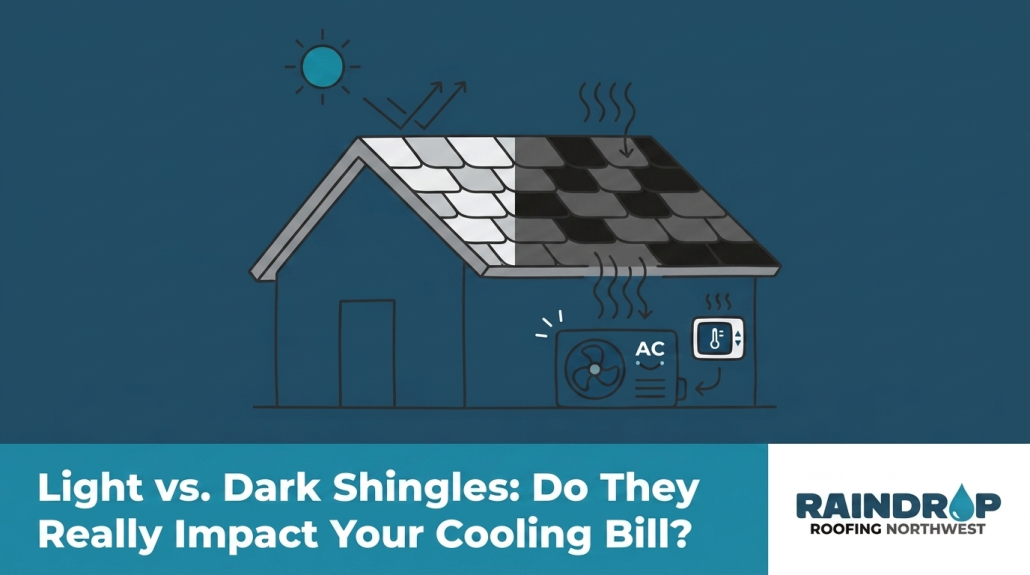
The Myth of the Magic Shingle: Why Your Second Floor Bakes in Late Summer
Swapping out your old roof for a lighter color will not magically solve your home’s energy problems. Many homeowners assume that simply changing the shade of their roof is the ultimate fix for a hot house. If you find yourself asking, “Light vs. Dark Shingles: Do They Really Impact Your Cooling Bill?” the short answer is yes—but probably not in the straightforward way you might expect.
During late-summer August heatwaves, the sun beats down relentlessly, turning your roof into a massive heat collector. If you live in a two-story home, you already know the frustrating reality of walking upstairs at 4 p.m. and hitting a wall of hot, stagnant air. Your air conditioning runs constantly, struggling to keep the upper bedrooms comfortable, while the main floor feels like a refrigerator. This specific pain point leads many people to believe that their traditional dark shingles are entirely to blame, prompting a debate over whether lighter options will slash their energy consumption.
While surface color absolutely matters, it is only one single piece of a much larger, interconnected roofing system designed to protect and insulate your living space. To build a reliable defense against the heat, you need quality roof shingles paired with the right ventilation strategy during your next roof replacement in Portland.
Surface Temperature Showdown: How Much Hotter Are Black Shingles?
To understand how color affects your home, we have to look at the science of heat absorption. Materials are measured by their Solar Reflectance Index (SRI), a metric that calculates how well a surface rejects solar heat and releases absorbed warmth back into the atmosphere. The higher the SRI, the cooler the surface remains in direct sunlight.
When the intense peak sun of a Pacific Northwest summer hits your roof, the difference in surface temperature between light and dark materials is dramatic.
- Dark Asphalt Shingles: Traditional black, dark gray, or deep brown shingles absorb massive amounts of solar radiation. On a typical high-temperature summer afternoon, a dark roof can easily reach surface temperatures of 150 degrees Fahrenheit or more.
- Light Asphalt Shingles: Light gray, white, or tan shingles reflect significantly more visible and infrared light. Under the exact same weather conditions, a lighter roof might stay 30 to 50 degrees cooler on the surface than its dark counterpart.
The Hidden Toll of Extreme Surface Heat
That massive temperature gap does more than just heat up the air around your house. Extreme surface heat accelerates the natural wear and tear on older roofing materials. Constant expansion and contraction break down the asphalt backing, leading to premature aging. In fact, understanding how peak summer sun exposes hidden blisters in older asphalt shingles is a critical part of assessing your roof’s health.
Because dark shingles absorb so much thermal energy, they are constantly radiating that heat. The question is: where does all that absorbed heat go? If it cannot dissipate quickly into the outside air, it pushes downward into your home, resulting in severe upper-floor temperature variations that make your cooling system work overtime.
The Real Formula: Shingle Color Plus Upgraded Attic Ventilation
The Problem: Homeowners often believe that a hot roof surface directly equates to a hot living space. They assume that if they install a light gray roof, their upstairs bedrooms will immediately drop in temperature. However, surface temperature does not equal living space temperature. If your attic is acting like a sealed oven, even the lightest, most reflective shingles on the market will not keep your house cool.
The Path of Summer Heat
The Cause: Heat transfer is a journey. First, the sun radiates heat onto the shingle surface. Second, that heat conducts through the asphalt, through the underlayment, and directly into the wooden roof deck. Third, the hot wood radiates heat into the enclosed air space of your attic. Finally, if that trapped hot air has nowhere to go, it eventually pushes down through your attic floor insulation and radiates through the ceiling into your upper bedrooms.
The missing link in this chain is airflow. Without a way to constantly flush that hot air out of the attic, the thermal energy simply builds up throughout the day.
Engineering a Complete System
The Solution: The actual formula for reducing cooling system strain is pairing an energy-efficient shingle color with a modernized, balanced attic ventilation system. You need proper intake ventilation (usually located at the eaves or soffits) to pull fresh, cooler air into the attic. You also need adequate exhaust ventilation (such as ridge vents or box vents) near the peak of the roof to allow the rising hot air to escape.
By leveraging local roofing experience, we know that simply slapping light-colored shingles on a home is not enough. We don’t just sell “cool roofs”; we engineer complete roofing systems based on actual energy dynamics. When intake and exhaust are perfectly balanced, the continuous flow of air intercepts the heat before it can penetrate your living space, making your cooling system infinitely more effective.

Regional Realities: How Older Pacific Northwest Homes Handle Heat
The debate over shingle color cannot be settled without looking at the specific houses we live in. The Beaverton / Portland Metro area features a rich mix of architectural styles, from mid-century ranches to classic split-levels and historic bungalows. However, many of these older homes share a common design flaw when it comes to modern climate realities.
The Historic Design Flaw
Historically, traditional Pacific Northwest homes were built primarily to shed heavy winter rain and retain indoor heat during long, damp winters. They were not engineered to deflect intense, late-summer heatwaves. Because cooling was rarely a priority fifty years ago, many older architectural styles in the area have severely inadequate original intake ventilation. Some homes have solid wood soffits with no venting at all, while others have small, easily clogged gable vents that fail to provide sufficient airflow.
This historical design drastically exacerbates the heat absorption of traditional dark shingles. When the Beaverton area experiences a sudden streak of 95-degree days in August, a dark roof on a poorly ventilated 1960s home acts exactly like a heavy wool blanket. The HVAC system, which is often retrofitted into these older homes, simply cannot keep up with the overwhelming thermal load pressing down from the attic.
Evaluating Your Current Setup
Before you decide on a new color profile, you must evaluate your home’s existing roof deck and ventilation capacity. If your home lacks proper soffit overhangs for intake vents, installing a lighter roof might be a necessary step to help offset the lack of airflow. Conversely, if your home can be easily retrofitted with continuous ridge and soffit venting, you have much more flexibility in choosing the right shingle color without sacrificing indoor comfort.
Balancing Curb Appeal With Energy Efficiency
While the thermal benefits of light gray or tan shingles are clear, aesthetics remain a massive factor in any exterior renovation. Dark shingles often provide a striking, high-contrast look that boosts curb appeal on traditional, Craftsman, or modern farmhouse architectural styles. A stark white or light gray roof might look out of place on a historic brick home or a house with deep earth-tone siding.
Navigating HOA Rules and Modern Alternatives
Furthermore, many homeowners live in neighborhoods governed by Homeowner Associations (HOAs). These organizations frequently dictate approved roof color palettes, and those palettes often lean heavily toward traditional dark browns, charcoal grays, and blacks to maintain a uniform neighborhood appearance. If your HOA prohibits light-colored roofs, you might feel trapped between following the rules and reducing your cooling load.
Fortunately, modern manufacturing offers a middle ground. Many top-tier roofing brands now produce “cool roof” architectural shingles that utilize specially engineered reflective granules. These granules reflect infrared sunlight (the invisible light that causes heat buildup) while still displaying a darker visible color. This technology allows you to install a visually appealing charcoal or dark brown roof that performs thermally more like a lighter shade.
Making Smart Maintenance Decisions
Sometimes, balancing aesthetics and efficiency means maintaining what you already have until a full replacement is truly necessary. One local homeowner recently purchased a property with an existing 14-year-old dark roof. During a routine inspection, a minor leak was discovered. Our team responded quickly to repair the leak, addressed the surrounding gutter and caulking issues, and successfully transferred the warranty to the new owners. This allowed them to maintain the home’s classic curb appeal and structural integrity without being forced into an immediate, full replacement just to change the color profile. When the time comes for a new roof, they can carefully weigh their options for balancing roof color and style with upgraded ventilation.
Side-by-Side Comparison: Light vs. Dark Asphalt Shingles
To help clarify your decision, it helps to look at the specific differences between light and dark asphalt materials side by side. Keep in mind that these factors assume standard shingle technology without specialized reflective granules.
| Feature | Light Asphalt Shingles (Gray, White, Tan) | Dark Asphalt Shingles (Black, Brown, Charcoal) |
|---|---|---|
| Surface Heat Absorption | Low. Reflects a significant portion of solar radiation. | High. Absorbs maximum solar radiation, reaching 150°F+. |
| Impact on Attic Temps | Noticeable reduction in baseline thermal load. | High heat transfer; requires robust ventilation to manage. |
| Aesthetic Versatility | Best for coastal, modern, or homes with light siding. | Classic and versatile; fits most traditional architectural styles. |
| Energy Efficiency (Cooling) | Reduces the overall cooling load during peak summer months. | Can increase cooling load if attic ventilation is inadequate. |
| HOA Approval | Sometimes restricted in strict traditional neighborhoods. | Universally accepted by nearly all neighborhood associations. |
The Takeaway: If your primary goal is maximum energy reflection and your home’s exterior design supports it, light shingles are the clear winner. However, if you prefer the look of a dark roof or are bound by neighborhood rules, you can still achieve excellent energy efficiency by investing heavily in your attic’s insulation and airflow systems.
Frequently Asked Questions About Shingle Colors and Cooling
Do light colored shingles make a house cooler?
Yes, they reflect more solar energy, which reduces surface temperature and lessens the heat transferred into the attic. By keeping the roof deck cooler, light shingles reduce the amount of thermal energy pushing down into your living space. However, they are most effective when combined with proper insulation.
How much hotter are black shingles than light shingles?
In direct summer sun, black shingles can be up to 40 to 50 degrees hotter on the surface than white or light gray shingles. While a light roof might sit at 100 degrees on a hot day, a black roof can easily exceed 150 degrees. This massive difference in surface heat accelerates material wear if the roof is not properly ventilated.
Do dark shingles increase cooling costs?
They can force HVAC systems to work harder if the home lacks proper attic insulation and ventilation, leading to higher energy consumption. If the absorbed heat is trapped in the attic, it eventually warms the upper floors of the house. Upgrading your ventilation is the best way to neutralize this effect.
What is the best roof color for energy efficiency?
Lighter colors like white, light gray, or tan offer the highest solar reflectance, making them the most energy-efficient choice for cooling. These shades naturally bounce solar radiation back into the atmosphere. If you want maximum efficiency without a white roof, look for specialized “cool series” shingles with reflective granules.
Can I keep my dark shingles and still have a cool second floor?
Absolutely, provided you invest in high-quality attic insulation and an upgraded, balanced ventilation system to exhaust trapped heat. By ensuring that fresh air constantly flows from the soffits to the ridge, you can intercept and remove the heat before it ever reaches your second-floor ceiling.
Make an Informed Decision for Your Next Roof
Choosing the right material for your home requires looking at the big picture. The debate between light and dark shingles is not just about picking a paint chip; it is about balancing your aesthetic preferences with the physical realities of heat transfer. While lighter colors undeniably reduce surface temperatures, pairing your chosen color with massive ventilation upgrades is the true secret to a comfortable home.
You do not have to settle for a baking second floor every August. By evaluating your home’s unique architecture, assessing your current attic airflow, and understanding how much shingle color actually affects attic temperatures versus other factors, you can build a roof that looks beautiful and performs flawlessly. Schedule a comprehensive assessment today to find the perfect, customized roofing system for your home.




Leave a Reply
Want to join the discussion?Feel free to contribute!