
A Comprehensive Guide to How Consistent Licensing Protects Customers

The Strategic Value of How Consistent Licensing Protects Past and Future Customers
When we talk about licensing, we aren’t just talking about a permit to do business. In intellectual property and professional services, licensing is a strategic tool that integrates “complementary factors of production.” In plain English, that means it brings together the right tools, the right training, and the right legal permissions to create a better result for you.
When a company maintains consistent licensing, they are essentially pooling resources to reduce costs and introduce better products to the market. For a homeowner in Beaverton or Portland, this translates to more efficient service and access to the latest roofing technologies. If you are currently looking for a partner for your home, understanding how to choose the right roofing contractor involves looking past the sales pitch and into the stability of their professional standing.
How consistent licensing protects past and future customers through innovation
Innovation doesn’t happen in a vacuum. It requires incentives. According to the DOJ and FTC Antitrust Guidelines for the Licensing of Intellectual Property, licensing arrangements actually promote innovation by allowing firms to combine their strengths. When a contractor or a manufacturer has a “procompetitive” licensing structure, they are incentivized to invest in Research and Development (R&D).
How consistent licensing protects past and future customers is evident in how technology is disseminated. For example, if a roofing manufacturer develops a new, highly durable shingle, they license that technology to certified installers. Past customers benefit because the company remains stable enough to honor old warranties, while future customers benefit from the “new product introduction” made possible by these professional arrangements. This cycle ensures that the industry doesn’t stagnate and that you always have access to the best protection for your home.
Integrating complementary factors for consumer benefit
Licensing allows different entities to work together without breaking antitrust laws. By using “cross-licensing” or “grantback” arrangements, companies can share improvements in technology. In our industry, this means that the best practices for waterproofing a deck or installing a complex low-slope roof are shared among licensed professionals who have the training to execute them.
This integration is a win-win for consumer welfare. It leads to cost reductions because companies don’t have to “reinvent the wheel” for every project. Instead, they use licensed, proven methods that have been vetted by state boards and industry leaders. This efficiency is what allows a local company to provide high-end results while staying competitive in the local market.
Why Local Accountability Matters for Long-Term Service
One of the biggest risks in the modern business landscape is “naked licensing.” This happens when a brand allows others to use its name or license without maintaining strict quality control. In the roofing world, we see this when large, out-of-state investment firms buy up local companies. They keep the old name, but the “territorial limitations” and “field-of-use” restrictions that once ensured quality are often thrown out the window.
Staying with a company that values local accountability is essential. We believe in choosing a roofing company that won’t sell out because when a firm is sold, the “consistent licensing” that protected you can become fragmented. A local, independent owner is personally responsible for the license held with the Oregon Construction Contractors Board (CCB), creating a direct line of accountability between the owner and the customer.
Protecting past customers with warranty and service continuity
If you had a roof installed five years ago, your “protection” is only as good as the company’s current standing. How consistent licensing protects past and future customers is most visible during a warranty claim. If a company lets its license lapse or changes its corporate structure to avoid “legacy support,” the past customer is the one who suffers.
Consistent licensing ensures “contract stability.” It means the entity that signed your contract still exists and is still authorized by the state to perform repairs. This is why we emphasize things like Portland roof certifications: a 5-year guarantee for your peace of mind. These certifications are backed by our ongoing commitment to the community and our active, consistent licensing status.
How consistent licensing protects past and future customers from market volatility
Market volatility can cause companies to cut corners or fold entirely. However, antitrust principles like the “rule of reason” and “safety zones” are designed to protect licensing arrangements that are clearly procompetitive. For you, this means that a well-structured, licensed business is more likely to provide “operational continuity.”
| Feature | Local Independent Licensing | Investment-Owned Licensing |
|---|---|---|
| Accountability | Direct to local owner | Diluted across shareholders |
| Warranty Stability | High (tied to local reputation) | Variable (subject to corporate restructuring) |
| Safety Zone | Often fits within state “safety zones” | Can face antitrust or “naked licensing” risks |
| Quality Control | Hands-on by license holder | Managed via remote KPIs |
By maintaining a consistent presence in the Portland metro area, we avoid the “disappearing digital media” effect—where you think you’ve bought something permanent (like a 30-year warranty), but the service disappears because the “licensor” changed their terms or went out of business.
How to Verify Licensing for Your Next Home Project
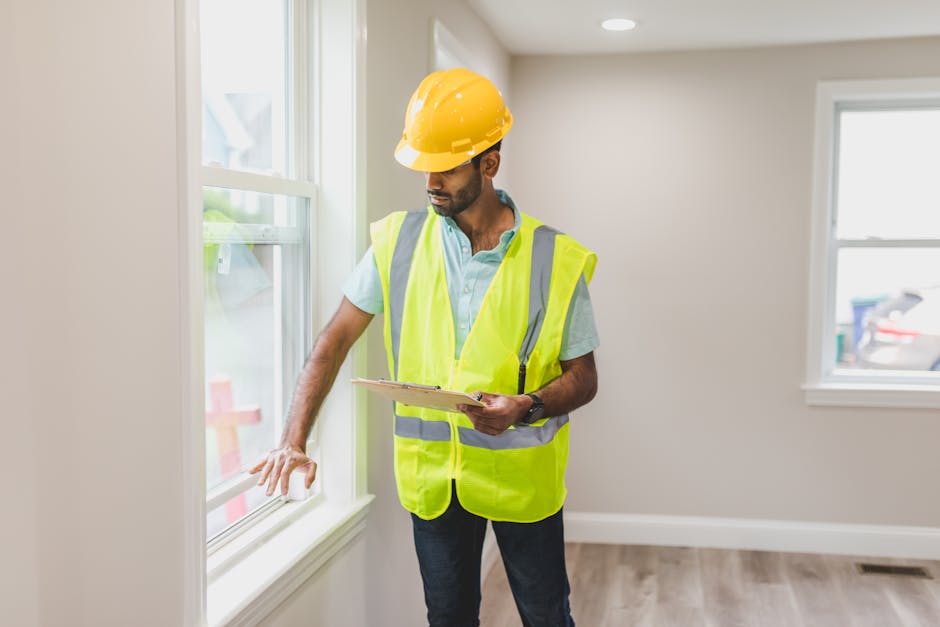
Knowing that how consistent licensing protects past and future customers is important is the first step. The second step is actually doing the legwork to verify it. In Oregon, we are lucky to have a very transparent system through the Construction Contractors Board (CCB). Whether you are in Hillsboro, Tigard, or Vancouver, you should never take a contractor’s word for it.
For those looking for specific services, such as finding the best roof certification services in Hillsboro OR: a comprehensive guide, verification is the cornerstone of the process. A license that has been active for twenty years without interruption tells a story of stability and reliability that a “brand new” license cannot match.
Steps for homeowners in Beaverton and Portland
When you’re ready to start your project, follow these steps to ensure you’re hiring someone whose licensing will actually protect you:
- Check the CCB Number: Visit the Oregon Construction Contractors Board website and enter the contractor’s license number.
- Look for “Active” Status: Ensure there are no suspensions. A “suspended” license means the contractor has no bond or insurance in place to protect you.
- Verify the Principal Owners: Is the person listed as the owner the same person you are talking to? This is a key indicator of the benefits of choosing a truly local independent roofer.
- Check the History: Look for how long the license has been active. Consistent licensing over decades suggests the company has survived market downturns and honored past commitments.
- Confirm Insurance and Bonding: A license is only valid if the contractor maintains a surety bond and general liability insurance. This is your financial safety net if the work is done incorrectly.
Avoiding the risks of “naked” licensing
“Naked licensing” is a term often used in trademark law, but it applies to home services too. It happens when a company licenses its “brand” to sub-contractors without actually supervising the work. This leads to brand dilution and, more importantly, a shift in liability. If the person on your roof isn’t actually covered by the license of the company you hired, you are at risk.
Professional standards require that the license holder performs “quality audits.” At Raindrop Roofing NW, we maintain our standards by being on-site and ensuring that every project meets the criteria that our license—and our family name—stands for. We don’t just “rent out” our reputation to the lowest bidder.
Frequently Asked Questions about Licensing Protection
Does a license guarantee quality for past and future work?
While a license doesn’t “guarantee” perfection, it provides the framework for quality. It ensures the contractor has passed basic competency tests, carries insurance, and is subject to state regulations. How consistent licensing protects past and future customers is by providing a mechanism for dispute resolution through the CCB. If the work is poor, the state can compel the contractor to fix it or use their bond to pay for repairs.
What happens to my warranty if a company is bought out?
This is a major concern in the Portland area right now. When a company is bought by a large investment firm, the new owners should honor existing warranties, but the “service continuity” often breaks down. If the original license is retired and a new one is issued under a different corporate entity, it can become much harder for past customers to get help. This is why consistent, multi-generational ownership is so valuable.
How does consistent licensing affect future repairs?
If you need a repair ten years from now, you want the company that knows your roof to still be in business. Consistent licensing is a sign of financial health. It means the company has been paying its dues, maintaining its bonds, and following the law year after year. This “long-term loyalty” to the license ensures they will be there when you need a leak fixed in 2035.
Conclusion
At Raindrop Roofing NW, we’ve spent decades building a reputation for reliability in Beaverton and across the Portland metro area. We understand that how consistent licensing protects past and future customers isn’t just a legal theory—it’s the foundation of the trust our neighbors place in us. By remaining a truly local, independently owned company, we ensure that the person who stands behind our license today is the same person who will stand behind it if you have a question ten years from now.
Whether you need a simple gutter cleaning or a full roof replacement, we invite you to experience the difference that “accountability” makes. Our multi-generational team is here to provide the craftsmanship and clarity you deserve.
If you’re ready to protect your home with a team that values consistency as much as you do, contact us today for a free inspection and estimate. We look forward to serving you and keeping your home safe for many years to come.




Leave a Reply
Want to join the discussion?Feel free to contribute!