
Roof Protection 101: Keeping the Rain Where It Belongs
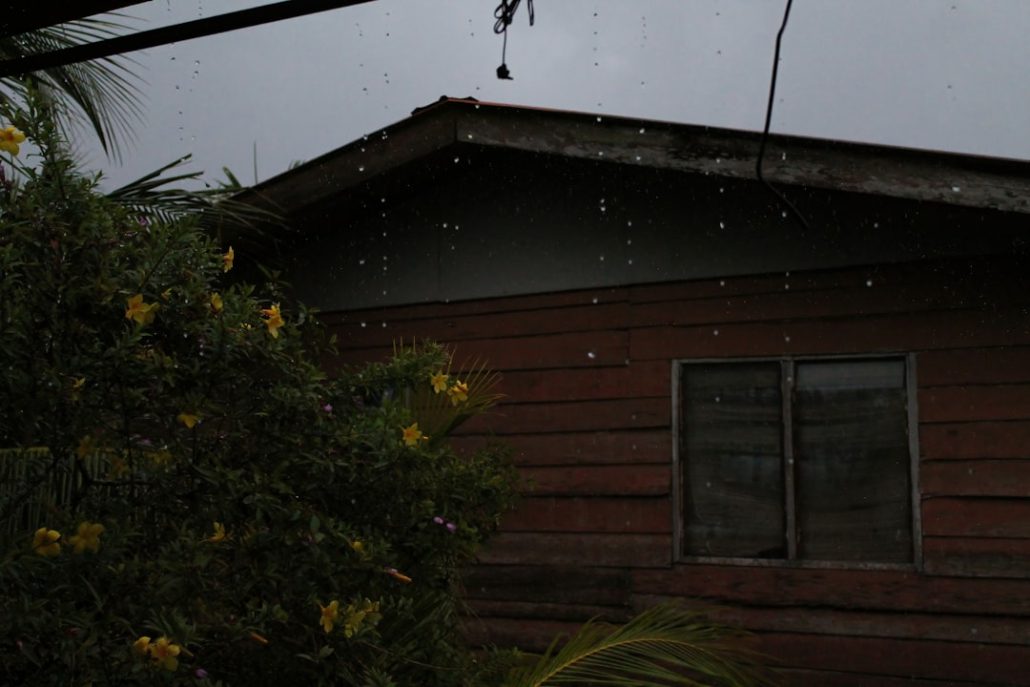
Why Knowing How to Protect Your Home from Water Damage Through Your Roof Could Save You Thousands
Knowing how to protect your home from water damage through your roof starts with a few key habits: scheduling twice-yearly roof inspections, keeping gutters clear, maintaining proper attic ventilation, addressing damaged shingles and flashing promptly, and ensuring your roof overhangs and downspouts direct water well away from your foundation. Do these consistently, and you stop most water intrusion before it ever becomes a problem.
Water damage is one of the most common causes of property loss — and the roof is almost always where the story begins. It rarely announces itself loudly. More often, it’s a slow drip that travels along a rafter for weeks before showing up as a tea-colored stain on your ceiling, or a patch of moss quietly holding moisture against your shingles through an Oregon winter. By the time most homeowners notice something is wrong, the damage has already been building for months.
What makes this especially frustrating is that nearly a third of homeowners assume their insurance will cover whatever goes wrong — including damage caused by ordinary wear and gradual neglect. In reality, most policies only step in for sudden, accidental events. The rest falls squarely on your shoulders as a homeowner.
The good news? Most serious roof water damage is entirely preventable with the right knowledge and a little proactive care.
I’m Torrey Yungeberg, owner of Raindrop Roofing NW and a roofing professional with deep roots in Oregon’s wet climate — where understanding how to protect your home from water damage through your roof isn’t just useful knowledge, it’s essential. I’ll walk you through everything you need to know to keep your home dry, your structure sound, and your peace of mind intact.
Common Causes and Early Signs of Roof-Related Water Damage
In our neck of the woods—stretching from Hillsboro and Beaverton over to Gresham and down to Lake Oswego—rain isn’t just a weather report; it’s a way of life. Because we deal with so much moisture, our roofs face constant pressure. Understanding the common culprits of water intrusion is the first step in defense.
The most frequent causes of roof-related water damage include:
- Damaged or Missing Shingles: High winds or simple age can cause shingles to curl, crack, or blow away entirely, leaving the underlayment vulnerable.
- Cracked Flashing: Flashing is the metal material installed around “interruptions” in your roof—like chimneys, dormers, and vents. When this seals crack or the metal corrodes, water flows directly into your home’s skeletal structure.
- Moss and Algae Growth: In the Pacific Northwest, moss is a major enemy. It acts like a sponge, holding water against the shingles and eventually lifting them up, allowing water to seep underneath.
- Clogged Gutters: When water can’t flow off the roof, it backs up. This standing water can rot the fascia boards and seep under the edge of your shingles.
Early signs aren’t always a puddle on the floor. You should keep an eye out for “tea-colored” water stains on your ceiling or walls. These indicate a slow, persistent leak. Musty smells in the attic or upper floors often signal that mold is already beginning to take hold in damp insulation. Even peeling paint near the roofline can be a sign that moisture is trapped behind the walls.
If you are noticing these signs, it may be time to look into residential roofing services to catch the issue before it requires a total overhaul.

How to protect your home from water damage through your roof by spotting leaks early
The best way to find a leak is to look where most people don’t: the attic. We recommend performing an attic inspection at least twice a year. If you can safely access your attic during a heavy rainstorm, bring a flashlight. Look for damp spots on the rafters or insulation.
One of the most telling signs of a compromised roof is seeing “daylight” where you shouldn’t. If you turn off the lights in your attic and see gaps of sunlight peeking through the roof boards, water is definitely getting in when it rains. You should also check for sagging sections of the ceiling. This often means water has pooled on top of the drywall or plaster, creating a heavy, sodden mess that could collapse at any moment. Detecting these internal moisture cues early is the difference between a simple patch and a massive restoration project.
Essential Components: How to Protect Your Home from Water Damage Through Your Roof
When we talk about how to protect your home from water damage through your roof, we have to look beyond just the shingles. A roof is a system, and every part needs to work in harmony to keep your home dry.
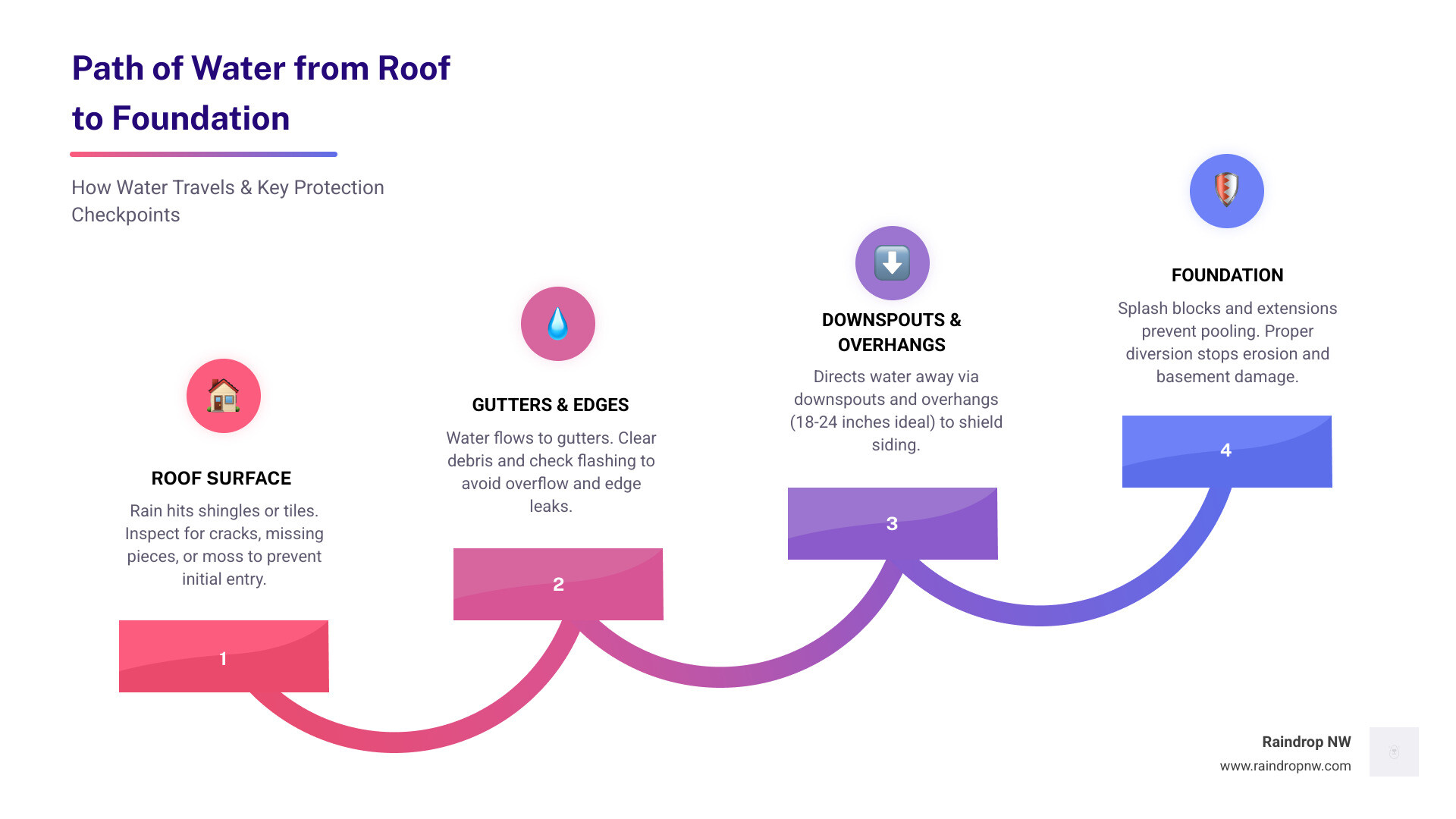
One of the most underappreciated heroes of water management is the roof overhang. Most homes have overhangs between 18 to 24 inches. There are two main types:
- Eave Overhangs: These project horizontally from the lower edges of the roof. They are essential for supporting your gutter system and keeping water away from the fascia.
- Gable Overhangs: These run along the sloped edges of the roof. They prevent “dirty runoff” from streaking down your siding and entering vulnerable points like window frames.
Properly sized overhangs provide a physical buffer that protects your siding and reduces the amount of water that ever reaches your foundation. If you’re considering new replacement roofs, ensuring your overhangs are structurally sound and correctly sized is a top priority.
The role of gutters and downspouts in water management
Think of your gutters as the “plumbing” for your roof. Their job is to collect every drop of rain and whisk it safely away. If your gutters are clogged with leaves and Pacific Northwest moss, they will sag and eventually fail.
We recommend seamless gutters to minimize leak points. However, the gutters are only half the battle; the downspouts must do their part. A downspout should extend at least 3 feet away from your home’s foundation. If water pools at the base of your house, it can lead to foundation cracks and basement flooding. Using splash blocks or yard runoff drainage pipes can help direct that water even further into safe zones.
For homeowners in areas like Tualatin or West Linn, where the terrain can be hilly, managing this runoff is crucial to prevent erosion around your property. Our repairs and maintenance team often finds that simply fixing a disconnected downspout can solve a “leaky basement” problem overnight.
Proactive Maintenance and Seasonal Waterproofing Strategies
In April 2026, we are seeing more “extreme” weather cycles in the Portland metro area—heavy rains followed by sudden freezes. This makes proactive maintenance more important than ever. We suggest a “Spring and Fall” inspection schedule.
Before the heavy winter rains hit, you should:
- Clear Debris: Remove leaves and needles from roof valleys where they trap moisture.
- Trim Trees: Ensure no branches are overhanging the roof. Wind-blown branches can scrape off the protective granules of your shingles or even puncture the roof surface.
- Check for Ice Dams: In colder months, poor insulation can cause snow to melt and refreeze at the roof edge, creating a “dam” that forces water back up under the shingles.
Advanced waterproofing: How to protect your home from water damage through your roof
For certain roof types, especially flat or low-slope roofs common in some Beaverton and Portland modern designs, traditional shingles aren’t enough. This is where advanced waterproofing methods come in.
- Silicone Coatings: These are fantastic for restoration. Silicone is highly reflective (helping with energy bills) and creates a seamless, flexible membrane that is completely waterproof. It’s particularly good at handling “ponding water” that might sit on a flat roof for days.
- Liquid Membranes: These are applied like paint but dry into a heavy-duty rubberized layer. They are ideal for oddly shaped roofs with lots of vents or pipes.
- EPDM and TPO: These are single-ply membranes often used on commercial buildings but increasingly popular for residential flat sections. They are durable, eco-friendly, and very resistant to leaks.
If you have a balcony or a flat section over a living space, you might also want to look into waterproof deck surfaces to ensure your outdoor living space isn’t leaking into the kitchen below.
Regularly scheduled roof inspections and certifications can help determine which of these advanced methods is right for your specific home.
Navigating Insurance Claims and Professional Mitigation
If the worst happens and a storm damages your roof, how you respond in the first 24 hours can determine whether your insurance claim is approved or denied.
First, document everything. Use your smartphone to take “before-during-after” photos. Take wide shots of the whole roof, close-ups of the damage, and photos of any interior water stains. This builds a clear narrative for the insurance adjuster.
That insurance typically covers “sudden and accidental” damage—like a tree falling on your roof during a windstorm. It usually excludes damage caused by lack of maintenance. If your roof leaks because it’s 30 years old and you haven’t cleaned the gutters in a decade, the insurance company may deny the claim based on “maintenance neglect.”
For more tips on being a prepared homeowner, check out our owner resources.
Attic ventilation and insulation as moisture barriers
It sounds counterintuitive, but sometimes the “water damage” in your roof is actually coming from inside the house. This happens when hot, moist air from your showers and cooking rises into the attic and hits the cold underside of the roof deck. Without proper ventilation, this moisture condenses into water droplets, leading to mold and wood rot.
A healthy roof needs:
- Ridge Vents: Located at the very peak of the roof to let hot air out.
- Soffit Vents: Located under the eaves to draw cool, fresh air in.
- Proper Insulation: This keeps the heat in your living space and prevents “thermal expansion” and contraction of the roof materials, which can stress the seals over time.
If you are planning remodels and additions, always make sure your contractor is calculating the correct “ventilation-to-square-footage” ratio to prevent these hidden moisture traps.
Frequently Asked Questions about Roof Water Protection
How often should I schedule a professional roof inspection?
We recommend a professional inspection at least once a year, though twice (Spring and Fall) is ideal for the Pacific Northwest. You should also call for an inspection immediately after any major weather event, such as a hail storm or high-wind event. A professional assessment can catch small issues—like a single backed-out nail or a cracked vent boot—that a homeowner might miss from the ground.
What should I do immediately if I discover a roof leak?
Don’t panic, but act fast!
- Contain the water: Put a bucket under the drip.
- Relieve pressure: If you see a “bubble” forming in your ceiling paint, use a small nail to puncture it. This allows the water to drain into your bucket rather than spreading horizontally and rotting more of your ceiling.
- Tarp if possible: If it’s safe and you have the supplies, a temporary tarp can stop further intrusion.
- Call a pro: Contact a local roofer to perform a permanent repair.
Does homeowners insurance cover water damage from an old roof?
Generally, no. Most policies are designed to cover “perils” (sudden events like fire or wind). Ordinary “wear and tear” is considered a maintenance responsibility of the homeowner. If your roof is at the end of its 20-to-30-year lifespan and begins to leak due to age, you will likely be responsible for the repair or replacement. This is why documenting your regular maintenance is so important—it proves to the insurance company that you’ve done your part.
Conclusion
Protecting your home from water damage through your roof isn’t just about shingles and nails; it’s about a commitment to your home’s long-term health. From the gutters in Tigard to the ridge vents in Camas, every detail matters.
At Raindrop NW, we take pride in being a truly local, independently owned company based right here in Beaverton. We aren’t an out-of-state investment firm looking for a quick payout; we are your neighbors, and we’re committed to the accountability and service that our community deserves.
Whether you need a minor repair, a seasonal inspection, or a full replacement, we’re here to help you keep the rain where it belongs—outside. For all your residential roofing needs, reach out to us today. Let’s make sure your home is ready for whatever the Oregon sky decides to drop next.




Leave a Reply
Want to join the discussion?Feel free to contribute!