
Stop Your Roof From Retiring Early With These Maintenance Tips
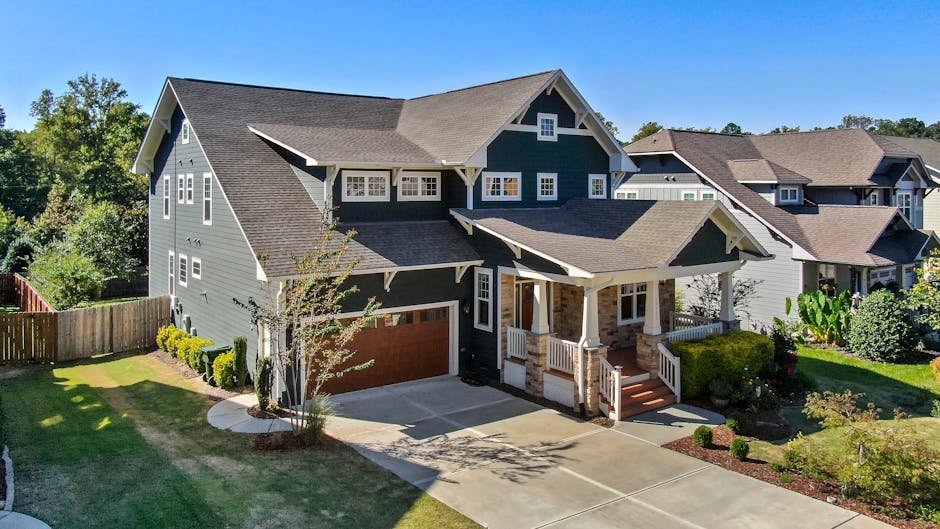
Is Your Roof Aging Faster Than It Should?
How to extend the life of your roof starts with a few consistent habits that most homeowners overlook until it’s too late. Here’s a quick summary:
- Schedule annual professional inspections — catch small problems before they become expensive ones
- Keep gutters clean — clogged drainage is one of the fastest ways to damage your roof and foundation
- Trim overhanging branches — branches rubbing your roof cause wear, debris, and moisture buildup
- Maintain attic ventilation and insulation — heat and moisture trapped inside destroy shingles from underneath
- Address moss and algae early — especially critical in NW Oregon’s wet climate
- Repair damaged shingles promptly — small fixes now prevent major structural damage later
- Consider roof rejuvenation — for aging asphalt shingles that still have life left in them
Most roofs don’t fail overnight. They wear out gradually — through skipped maintenance, ignored minor damage, and the kind of slow deterioration that’s easy to miss until water is dripping through your ceiling. Here in the Portland metro and greater NW Oregon, our rainy winters, freeze-thaw cycles, and persistent moisture create conditions that are especially hard on roofing systems. The reality is that an asphalt shingle roof has an average lifespan of just 15 to 20 years — but neglect can cut that number down significantly, while consistent care can push it well beyond that range. A full roof replacement can run into the tens of thousands of dollars, which means every year you can safely add to your roof’s life is money staying in your pocket.
I’m Torrey Yungeberg, owner of Raindrop Roofing NW and a lifelong member of Oregon’s roofing community, and I’ve seen how the right maintenance habits can dramatically change how long a roof lasts. In this guide, I’ll walk you through exactly how to extend the life of your roof — from the basics of gutter care to attic ventilation, professional inspections, and modern rejuvenation treatments — so you can make smart, informed decisions about protecting one of your home’s most valuable assets.
How to Extend the Life of Your Roof Through Proactive Care
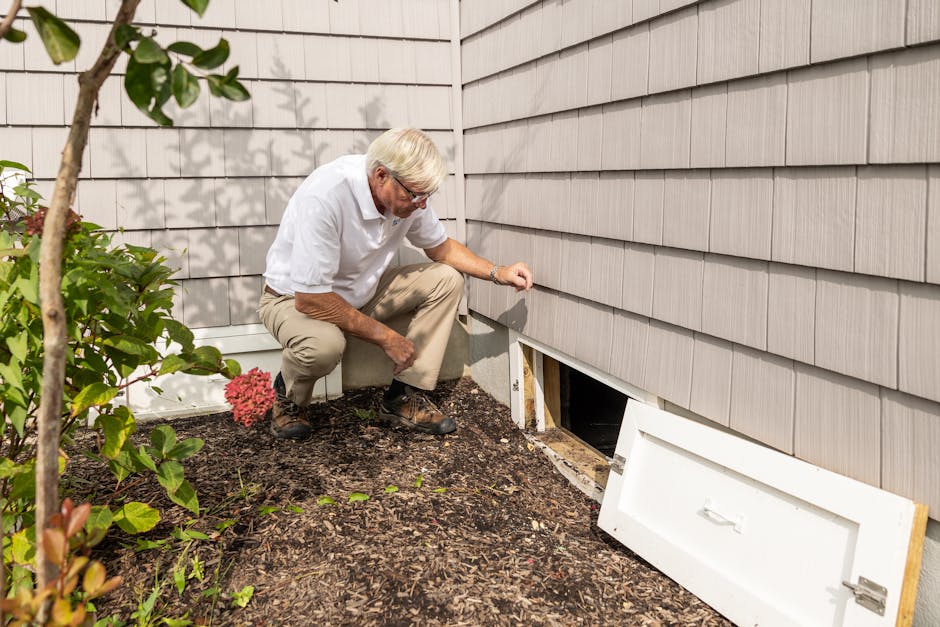
When we talk about how to extend the life of your roof, we are really talking about a shift in mindset from “reactive” to “proactive.” Most homeowners in Beaverton or Portland don’t think about their shingles until they see a puddle in the attic. By then, the damage has already moved from the surface into the structural decking.
The longevity of your roof is determined by three main pillars: the quality of the original installation, the materials used, and the consistency of maintenance. Whether you have standard asphalt shingles or a high-end metal system, the Pacific Northwest climate is constantly working against you. Our heavy rainfall, high humidity, and occasional windstorms mean that a roof in Tigard or Lake Oswego faces different challenges than one in a dry climate. More info about residential roofing can help you understand how these systems are designed to work together as a complete shield for your home.
What is the average lifespan of a roof in Beaverton?
In our local area, the material you choose sets the baseline for expectations.
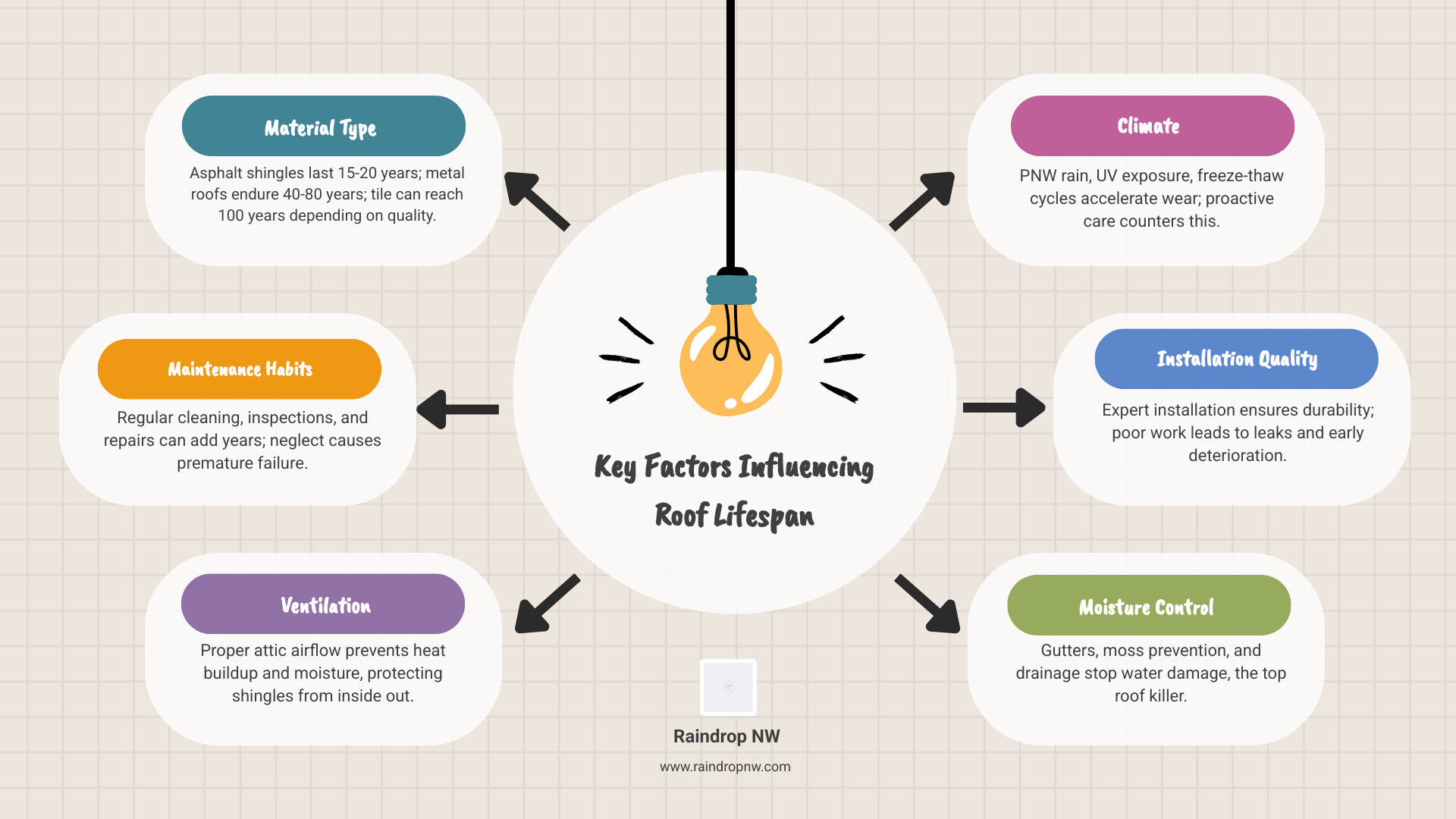
- Asphalt Shingles: These are the most common. While many are rated for 30 years, the real-world average in the NW is often 15–20 years due to moisture and moss.
- Metal Roofs: These are incredibly durable, often lasting 40–80 years. They handle our heavy rains and snow loads with ease.
- Slate, Concrete, or Clay Tiles: These are the “forever” roofs, often lasting 100 years or longer, though they require specialized maintenance to ensure the heavy structure remains sound.
Weather is the ultimate equalizer. Even the best materials will struggle if they aren’t cared for. In places like Hillsboro or Gresham, the freeze-thaw cycles can cause shingles to expand and contract, eventually leading to cracks if the material has become brittle with age.
Why do some roofs fail prematurely?
It’s a frustrating reality: some roofs designed to last 30 years start failing in as little as 7 to 10 years. Why does this happen?
- Reduced Asphalt Content: Over the last two decades, many shingle manufacturers have reduced the asphalt content in their products by up to 40%. This makes them lose their natural oils faster, leading to early granule loss and brittleness.
- Poor Installation: If a roof isn’t “fortified”—meaning it lacks proper flashing, the right nailing patterns, or high-quality underlayment—it will fail regardless of the shingle quality.
- UV Damage and Moisture: Even in cloudy Portland, UV rays break down the chemical bonds in shingles. When combined with moisture retention from moss or debris, the shingles “rot” from both sides.
Essential Maintenance Tasks for NW Oregon Homeowners
If you want to know how to extend the life of your roof without spending a fortune, look at your gutters and your trees. These are the “low-hanging fruit” of roof care. In communities like Camas, Vancouver, and Oregon City, we are surrounded by beautiful greenery, but that greenery can be a roof’s worst enemy. More info about repairs and maintenance is vital for staying ahead of these environmental stressors.
The importance of gutter cleaning and tree trimming
Clogged gutters are a primary cause of roof rot. When water cannot flow freely off the roof, it backs up under the eaves and the bottom row of shingles. This leads to fascia rot, mold growth, and can even damage your home’s foundation. We recommend cleaning gutters at least twice a year—once in late autumn after the leaves have fallen and once in the spring.
Tree trimming is equally vital. Branches should be kept at least 6–10 feet away from the roof surface. Why?
- Physical Damage: In high winds, branches act like giant scrub brushes, scraping off the protective granules from your shingles.
- Debris Buildup: Overhanging trees drop needles and leaves that trap moisture against the roof, creating a perfect nursery for moss.
- Pest Access: Trees are highways for squirrels and raccoons looking to find a weak spot in your attic.
Preventing moss growth and ice dams in the PNW
Moss isn’t just an aesthetic issue; it’s a structural one. Moss behaves like a sponge, holding water against the shingles and eventually lifting them up, allowing water to reach the wooden deck. To prevent this, consider installing zinc or copper strips near the roof ridge. When it rains, these metals release ions that kill moss spores before they can take root.
Ice dams are another winter concern in areas like Sandy or Battle Ground. They form when heat from your attic melts snow on the roof, which then refreezes at the cold eaves. This “dam” of ice forces liquid water under the shingles. Using a roof rake to clear snow from the edges of your roof can help, but the real solution lies in what’s happening under the roof.
The Role of Attic Health in Roof Longevity
Many people are surprised to learn that how to extend the life of your roof has as much to do with your attic as it does with your shingles. A roof needs to “breathe.” If heat and moisture are trapped in your attic, they bake the shingles from the inside out. More info about roof types and products can give you a better idea of how modern ventilation systems integrate with different roofing materials.
How to Extend the Life of Your Roof with Proper Attic Ventilation
Proper ventilation requires a balance between intake (usually at the soffits or eaves) and exhaust (usually at the ridge or through gable vents).
- In the Summer: Ventilation allows scorching air to escape, preventing shingles from reaching temperatures that make them brittle.
- In the Winter: It removes moisture from cooking, showering, and breathing that can condense on the underside of your roof deck and cause wood rot.
| Ventilation Type | Location | Function |
|---|---|---|
| Intake (Soffit Vents) | Under the eaves | Draws cool, fresh air into the attic space. |
| Exhaust (Ridge/Gable) | Peak of the roof | Allows hot, moist air to escape naturally. |
| Powered Fans | Roof surface | Forcefully removes air; useful for difficult roof shapes. |
Insulation and its impact on shingle health
Good insulation keeps your living space heat where it belongs. This prevents the “hot roof” syndrome that leads to ice dams. Proper insulation can also bring your energy bills down by up to 15%. However, be careful with recessed lighting or cathedral ceilings. If these aren’t properly insulated, they create “hot spots” on the roof that melt snow prematurely, leading to localized moisture damage.
Recognizing Signs of Wear and When to Repair
You don’t need to be a pro to spot trouble, but you do need to know where to look. We often tell our neighbors in Tualatin and West Linn that a pair of binoculars is a homeowner’s best friend. You can see a lot from the safety of the ground without ever climbing a ladder. More info about roof inspections and certifications is available if you suspect your roof needs a closer look.
How to Extend the Life of Your Roof with Professional Inspections
While a ground-level check is great, a professional inspection should be scheduled once a year or after any major storm. A professional roofer will check:
- Flashing: The metal bits around chimneys and vents are the most common leak points.
- Granule Loss: If your gutters look like they are full of coffee grounds, your shingles are losing their UV protection.
- Nail Pops: Nails that have backed out can create tiny holes that invite leaks.
- Structural Integrity: Checking for sagging areas that might indicate water-damaged decking.
When to repair versus replace your roof
This is the $30,000 question. Generally, if your roof is under 15 years old and the damage is localized (like a few missing shingles from a windstorm), a repair is the way to go. However, if you see widespread curling, “balding” shingles, or if you’ve already had multiple leaks, you might be throwing good money after bad. A roof that is 20+ years old is usually a candidate for replacement, especially if it’s a single-layer asphalt roof.
Advanced Protection and Rejuvenation Strategies
In recent years, new technology has emerged to help homeowners who are caught in the middle—their roof isn’t “dead,” but it’s definitely showing its age. This is where rejuvenation comes in. More info about new replacement roofs is always an option, but for some, a treatment can buy valuable time.
Understanding roof rejuvenation and restoration
Roof rejuvenation involves applying bio-based, soy-oils to aging asphalt shingles. As shingles age, they lose “maltenes”—the oils that keep them flexible. This makes them brittle and prone to cracking.
- How it works: The treatment uses methyl esters to soak into the shingles, restoring their flexibility and helping the protective granules stay in place.
- Effectiveness: Some treatments can add 5 to 15 years to a roof’s life, depending on the product and how many times it’s reapplied.
- Restoration: For flat roofs, silicone coatings can create a seamless, waterproof barrier that reflects UV rays and prevents leaks without a full tear-off, which also keeps old roofing material out of our local landfills.
Frequently Asked Questions about Roof Longevity
How often should I have my roof professionally inspected?
We recommend a professional inspection once a year, ideally in the spring to check for winter damage. You should also call for an inspection after any significant weather event, such as a windstorm with gusts over 50 mph or a heavy hailstorm.
Can power washing my roof extend its life?
Actually, we strongly advise against power washing asphalt shingles. The high-pressure stream can blast away the protective granules and force water under the shingles, potentially voiding your manufacturer’s warranty. Instead, use “soft washing” techniques or a simple broom and leaf blower for debris.
What are the first signs that my roof is failing?
Look for “the big three”:
- Curling or cupping shingle edges.
- Bald spots where granules have washed away.
- Interior signs like dark spots on your ceiling or musty odors in the attic. If you see any of these in your Portland or Beaverton home, it’s time to call a professional.
Conclusion
At Raindrop Roofing NW, we believe that a roof shouldn’t be a source of stress. As a family-owned, multi-generational company based right here in Beaverton, we’ve built our reputation on being a truly local neighbor you can trust. While out-of-state investment firms are buying up roofing companies across Oregon, we remain independently owned and committed to the long-term health of our community’s homes.
Knowing how to extend the life of your roof is about more than just saving money—it’s about protecting your family and your peace of mind. Whether you need a simple gutter cleaning, a complex repair, or a full replacement, we provide transparent, expert service across the entire Portland-Metro area, from Forest Grove to Camas.
Don’t wait for a leak to tell you your roof is in trouble. Contact us today for a free inspection and let us help you keep your roof over your head for years to come. More info about residential roofing is just a click away.




Leave a Reply
Want to join the discussion?Feel free to contribute!