
A Dimensional Dilemma: Choosing Between Architectural and Designer Shingles
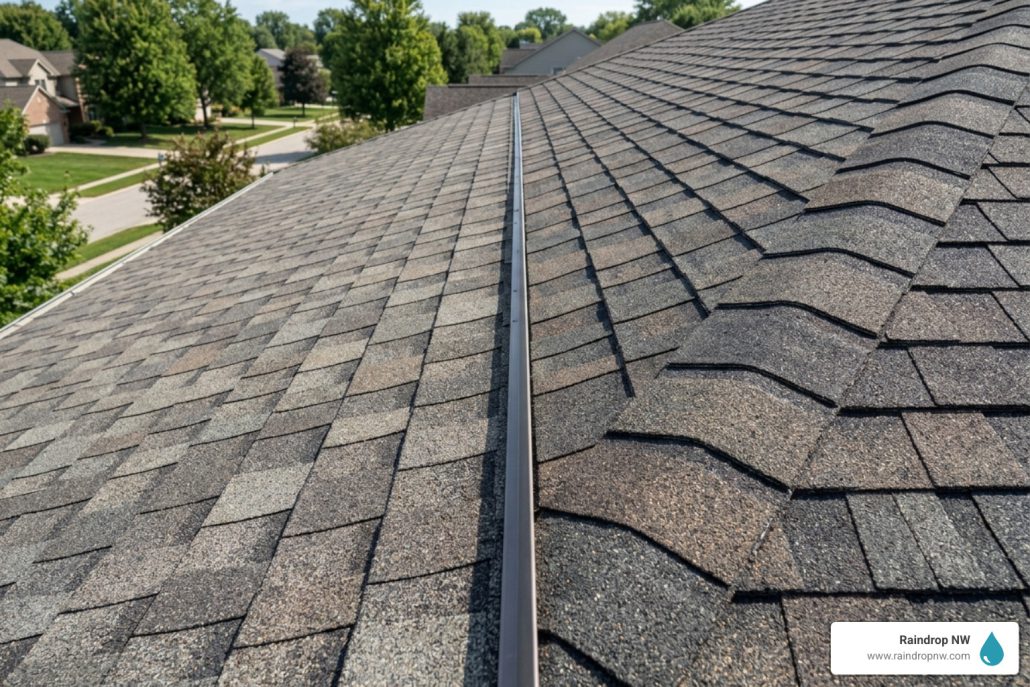
Defining the Tiers: Architectural vs Designer Shingle Comparison
When we talk about asphalt shingles in April 2026, we are essentially looking at a three-tier system. At the bottom, you have traditional 3-tab shingles—flat, thin, and increasingly rare on modern Beaverton homes. Above those sit the two heavyweights of the industry: architectural and designer shingles.
Both of these premium options utilize a “laminated” or “dimensional” construction. Unlike the single layer of a 3-tab shingle, these are created by fusing two or more layers of asphalt-saturated fiberglass mat together. This creates a staggered, recessed look that adds depth and shadow lines to your roof. However, as we move through this architectural vs designer shingle comparison, you’ll see that designer shingles take this layering to a much more complex, “artisan” level.
| Feature | 3-Tab Shingles | Architectural Shingles | Designer Shingles |
|---|---|---|---|
| Construction | Single-layer, flat | Multi-layered, laminated | Thickest, multi-layered, custom shapes |
| Visual Depth | Minimal (2D) | Moderate (3D) | High (Dramatic 3D) |
| Wind Rating | 60–70 mph | 110 mph | 130+ mph |
| Lifespan | 15–20 years | 25–30 years | 30–50 years |
| Primary Goal | Budget protection | Performance & Style | Luxury & Longevity |
For homeowners looking to understand how these materials fit their specific property, our Residential roofing services provide a comprehensive look at how each tier integrates with a full roofing system.
What are Architectural Shingles?
Architectural shingles, also known as dimensional or laminated shingles, are the current “gold standard” for most American homes. They were originally designed in the 1970s to provide a more affordable alternative to natural wood shakes. By layering the shingles, manufacturers created a product that was not only more aesthetically pleasing but also significantly more durable than the flat shingles of the past.
In our local climate—stretching from Portland to Hillsboro and down to Wilsonville—architectural shingles are incredibly popular because they offer a fantastic balance of value and resilience. They typically feature a 25-to-30-year lifespan. Because they are thicker and heavier than 3-tab options (often weighing 240 to 320 lbs per square), they stay put during those gusty autumn windstorms we get in the Willamette Valley.
Furthermore, their textured surface is excellent at hiding minor imperfections in the roof deck. If your home has settled slightly over the years, architectural shingles provide a forgiving, uniform look. To ensure your current roof deck is ready for this heavier material, we recommend regular Roof inspections and certifications to check for structural integrity.
The Premium Edge: Architectural vs Designer Shingle Comparison in Luxury
If architectural shingles are the “reliable SUV” of the roofing world, designer shingles are the “luxury grand tourer.” Also called “luxury” or “premium” shingles, these represent the absolute pinnacle of asphalt roofing technology.
What sets them apart in an architectural vs designer shingle comparison is the sheer level of craftsmanship. Designer shingles are often larger and significantly thicker than standard architectural shingles. They are engineered to mimic high-end, expensive materials like natural slate or hand-split cedar shakes with startling accuracy. Some lines feature scalloped edges, rounded “beaver tail” shapes, or intricate tab patterns that create a unique “old-world” charm.
Beyond the looks, you are paying for an incredible lifespan of 30 to 50 years. These shingles often utilize specialized granule blends and extra-thick asphalt layers that provide superior protection against UV degradation and thermal cycling (the expansion and contraction caused by our fluctuating Oregon temperatures). For a homeowner planning their “forever home” in Lake Oswego or West Linn, a New roof replacement using designer shingles is often the last roof they will ever need to buy.
Performance and Durability in the Pacific Northwest

Living in the Pacific Northwest means your roof has a tough job. Between the relentless winter rains in Gresham and the high winds that can whip through the Columbia River Gorge into Camas and Ridgefield, durability isn’t just a buzzword—it’s a necessity.
In a head-to-head architectural vs designer shingle comparison regarding performance, designer shingles almost always take the lead. Standard architectural shingles are typically rated for winds up to 110 mph. While this is sufficient for most Oregon storms, designer shingles often carry a wind rating of 130 mph or higher. This extra resistance comes from their increased weight and more robust interlocking designs, which prevent wind uplift from getting under the shingle edge.
Impact resistance is another factor. Many designer shingles are UL 2218 Class 3 or Class 4 rated, meaning they can withstand the impact of large hailstones without cracking the fiberglass mat. In our region, we also have to deal with the dreaded “green roof”—and I don’t mean the eco-friendly kind. Moss and algae thrive in our damp climate. Both architectural and designer shingles now frequently come with algae-resistant granules (often containing copper or zinc) that help prevent those unsightly black streaks. However, the premium coatings on designer lines often provide longer-lasting protection.
To keep either type of shingle performing at its peak, consistent Repairs and maintenance are vital, especially clearing debris that can trap moisture and lead to premature wear.
Aesthetic Impact and Home Value

Your roof accounts for about 40% of your home’s visible exterior. Choosing a shingle is essentially choosing the “outfit” your home wears for the next few decades.
Architectural shingles provide a clean, modern, and dimensional look that complements almost any home style, from a classic ranch in Tigard to a contemporary build in Damascus. They offer subtle color blends and shadow lines that provide a much richer look than flat shingles.
Designer shingles, however, are “statement” pieces. They can completely transform the architectural identity of a house. If you have a stately Tudor or a historic Victorian in Oregon City, designer shingles can provide the look of heavy slate or thick wood shakes at a fraction of the cost of the real materials. This “prestige” factor directly impacts resale value. Prospective buyers in upscale neighborhoods often recognize the quality of a premium roof, viewing it as a sign of a meticulously maintained home.
Furthermore, many modern premium shingles include reflective granules. These “cool roof” technologies can help lower attic temperatures during our increasingly hot summers, improving energy efficiency and potentially lowering cooling costs. You can see examples of how these different styles look in action by visiting our Roof gallery.
Choosing the Right Style for Your Home’s Architecture
When making your architectural vs designer shingle comparison, consider the “bones” of your house.
- Colonial and Craftsman Homes: Architectural shingles are often the perfect fit. Their structured, clean lines accentuate the gables and brickwork of these classic styles without overwhelming the other design elements.
- Modern and Minimalist Builds: High-contrast architectural shingles in deep grays or blacks provide the crisp, sharp lines that contemporary architecture demands.
- Historical and Luxury Estates: This is where designer shingles shine. If your home has a steep pitch (which makes the roof even more visible), the dramatic textures of a slate-mimicking designer shingle will be on full display, creating a sense of permanence and luxury.
For homeowners who want to dive deeper into how different materials interact with home design, we offer several Owner resources to help guide your aesthetic journey.
Warranty and Installation Considerations
No matter how much you spend on shingles, they are only as good as the hands that install them. This is especially true for designer shingles, which are heavier and often require specific nailing patterns and specialized flashing to ensure they stay waterproof.
In the roofing industry, the top 2% of contractors often hold elite certifications from manufacturers. These certifications allow us to offer enhanced warranties that cover not just the materials, but the labor and the entire “system” (including underlayment and ventilation) for up to 50 years. When you choose a Manufacturer certified roofing contractor, you are essentially buying peace of mind.
Proper ventilation is the “secret sauce” of shingle longevity. If your attic isn’t breathing correctly, heat and moisture will bake your shingles from the inside out, potentially voiding your warranty. Whether you choose architectural or designer, we ensure your intake and exhaust vents are balanced to maximize the life of your investment.
Making the Final Architectural vs Designer Shingle Comparison
As you reach the end of your architectural vs designer shingle comparison, the “best” choice usually comes down to three factors:
- Your Timeline: Are you planning to sell in 5 years, or stay for 30? For short-term ownership, architectural shingles offer the best ROI. For a forever home, the longevity of designer shingles is hard to beat.
- Your Neighborhood: Look at the homes around you. In some upscale Portland and Vancouver neighborhoods, designer shingles are the standard. Choosing anything less might actually hurt your resale value.
- Your Budget vs. Vision: Architectural shingles are the practical, high-performance choice for the majority of homeowners. Designer shingles are for those who want their roof to be a standout architectural feature.
At the end of the day, both options provide excellent protection. Our Residential roofing services are designed to help you weigh these factors based on your specific Beaverton or Portland Metro area home.
Frequently Asked Questions about Premium Shingles
How much longer do designer shingles last compared to architectural?
In the real-world conditions of the Pacific Northwest, architectural shingles typically last between 25 and 30 years. Designer shingles, due to their increased material density and superior asphalt quality, can last between 30 and 50 years. This makes them a “once-in-a-lifetime” roofing choice for many.
Can architectural shingles withstand high winds in Oregon?
Yes! Most modern architectural shingles are rated for 110 mph winds. For context, a Category 2 hurricane starts at 96 mph. While we don’t get hurricanes, we do get severe wind events, and the multi-layered, interlocking design of architectural shingles makes them very resistant to “blow-offs” compared to old-fashioned 3-tab shingles.
Do designer shingles improve home energy efficiency?
They certainly can. Many premium designer shingles incorporate ceramic-coated reflective granules. These granules reflect a higher percentage of the sun’s infrared radiation, which reduces the amount of heat transferred into your attic. This can keep your home cooler in the summer and reduce the strain on your AC system.
Conclusion
Choosing between architectural and designer shingles doesn’t have to be a “dilemma.” It’s about matching the right technology to your home’s needs and your family’s long-term plans. Whether you’re in Tualatin, Sherwood, or Battle Ground, your roof is your first line of defense against the elements.
At Raindrop NW, we take pride in being a truly local, independently owned company. We aren’t owned by a distant investment firm; we live and work in the same communities you do. This means we are committed to long-term accountability—we’ll be here to service your roof long after the installation is complete.
If you’re ready to see the difference between these shingles in person, or if you need an expert eye to evaluate your current roof, we’re here to help. Explore our Residential roofing services today and let’s build a roof that protects your home and enhances your curb appeal for decades to come.




Leave a Reply
Want to join the discussion?Feel free to contribute!