• Link to X
  • Link to Instagram
  • Link to Youtube
  • Link to Facebook
  • Link to WhatsApp
CALL: (503)526-3887 or EMAIL: info@raindropnw.com
RAINDROP ROOFING NW | PORTLAND, OR
  • Home
  • About Us
    • About Raindrop Roofing NW
    • Our Team
    • Areas We Serve
    • Who We Support
    • Our Commitment to a Greener Future
    • Careers
    • Blog
  • Residential Roofing
    • Services
      • New / Replacement Roofs
      • Repairs and Maintenance
      • Remodels and Additions
      • Balconies, Patios, and Flat Decks
      • Roof Inspections and Certifications
    • Financing
    • Roof Gallery
    • Roof Types and Products
    • Manufacturer-Certified Roofing Contractor
    • Owner Resources
  • Commercial Roofing
    • Services
      • New and Replacement Roofs
      • Estimates and Inspections
      • Warranties
      • Real Estate Partnerships
      • Roof Certifications
    • Commercial Gallery
    • Roof Types and Products
    • Featured Project
  • Reviews
  • Contact Us
  • Menu Menu
You are here: Home1 / Emergency Roof Repair in Beaverton, OR2 / 2025

Deck Dilemmas Solved: Repair, Replace, or Maintain Your Aloha Outdoor Spaces

Residential Roofing

Your Guide to Outdoor Living in Aloha, OR

Balconies, patios, and flat decks damaged in aloha or are more common than homeowners realize, especially in our Pacific Northwest climate. If you see soft wood, sagging boards, or water stains on your outdoor structures, you’re facing a problem that won’t fix itself. Ignoring it can lead to serious safety hazards and more extensive repairs down the road.

Quick Action Guide for Damaged Outdoor Structures:

  1. Safety Check – Test railings for stability and look for sagging or soft spots.
  2. Identify Water Damage – Look for discolored wood, peeling stain, mold, or spongy boards.
  3. Assess the Scope – Determine if damage is isolated (repairable) or widespread (replacement needed).
  4. Check Drainage – Ensure water flows away from your home and doesn’t pool on flat surfaces.
  5. Get Professional Eyes – For anything beyond cosmetic issues, consult an expert.

For comprehensive guidance on protecting your home’s exterior, check out our residential roofing services. If you’re ready to address specific damage, contact our team for a professional assessment.

Here in Aloha, our climate is both a blessing and a challenge. The lush greenery is beautiful, but it also creates perfect conditions for wood rot and moisture damage. Our year-round humidity and rainy season mean outdoor structures require vigilant attention. A small soft spot can quickly become a safety hazard that threatens your outdoor space and your home’s structural integrity.

The good news is that most serious problems are preventable with regular maintenance and early intervention. Understanding what to look for—and when to act—can prevent major issues and preserve your outdoor space for years of enjoyment.

I’m Torrey Yungeberg, owner of Raindrop Roofing NW. I’ve spent years helping Aloha homeowners protect their properties from our unique weather challenges, including assessing and repairing balconies, patios, and flat decks damaged in aloha or due to water intrusion. This guide will walk you through what you need to know to keep your outdoor spaces safe, functional, and beautiful.

infographic showing deck lifecycle from new construction through maintenance stages to eventual replacement, with key decision points for repair versus replacement based on extent of damage and safety concerns - balconies, patios, and flat decks damaged in aloha or infographic infographic-line-5-steps-elegant_beige

Identifying Common Issues with Balconies, Patios, and Flat Decks Damaged in Aloha, OR
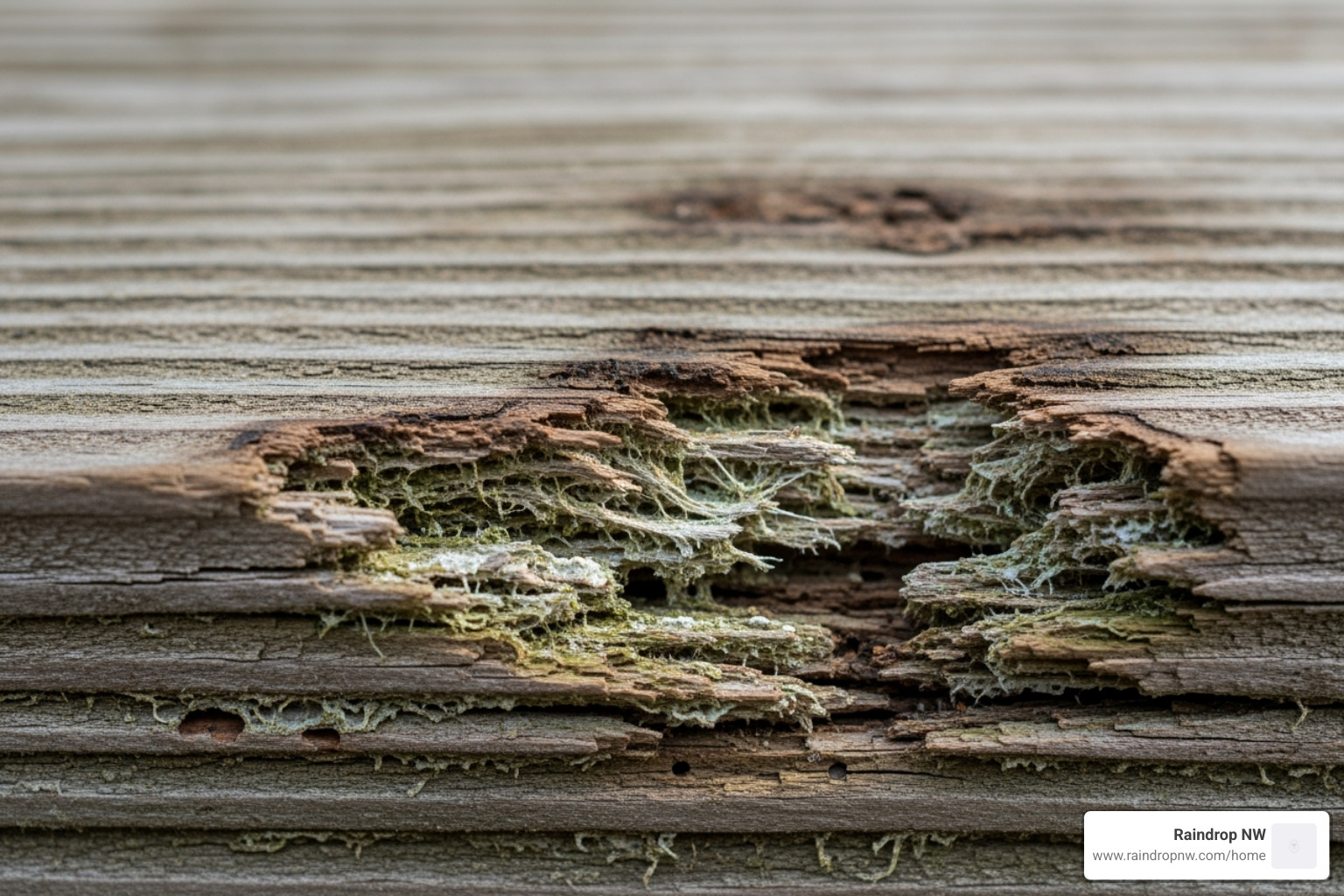
close-up of soft, rotting wood on a deck board - balconies, patios, and flat decks damaged in aloha or

Living in the Pacific Northwest means our near-constant rainfall and humidity are tough on outdoor structures. Balconies, patios, and flat decks damaged in aloha or typically show similar patterns: water damage leads to wood rot, which compromises structural integrity. Even composite decking can have issues if not installed correctly. The key is catching problems early.

Telltale Signs of Water Damage and Rot

Water is the primary enemy of outdoor structures in Aloha’s wet climate. Here’s what to look for:

  • Spongy or soft wood: If a board feels soft underfoot, it’s a problem. Test suspicious areas by pressing gently with a screwdriver—if it sinks in easily, you have rot. This is a critical safety issue.
  • Discolored or dark stains: Persistent dark patches, especially in spots that stay wet, indicate moisture has penetrated the wood and decay is starting.
  • Peeling paint or stain: This can mean moisture is trapped beneath the surface and trying to escape.
  • Visible mold or mildew: While surface mold can be cleaned, persistent growth signals deeper moisture issues.
  • Musty smell: A damp, earthy odor usually means hidden moisture and potential rot.

Spotting Structural Compromise Before It’s Too Late

Beyond visible rot, watch for signs that your structure’s integrity is failing. These pose serious safety risks.

  • Wobbly railings: Railings must be rock-solid. If they shake or sway, the connections may be compromised by rot or loose fasteners.
  • Sagging deck boards: Boards that dip when you walk on them suggest weakened support joists or fastening failure.
  • Loose fasteners or connections: Screws pulling out, nails popping up, or separating joist hangers indicate the structure is losing its grip. Rust stains around fasteners are a clear sign that water is getting in.
  • Cracks where the deck meets the house: The ledger board connecting your deck to your home is critical. Any cracks, gaps, or signs of separation can lead to catastrophic failure and must be addressed immediately.

The Hidden Dangers of Surface-Level Problems

Sometimes seemingly harmless items accelerate damage by trapping moisture. Outdoor rugs on a flat deck without proper drainage create a constantly damp environment perfect for rot. The same goes for potted plants sitting directly on deck boards. These items create moisture traps that accelerate decay.

Poor drainage is often the underlying culprit. Water that pools on the surface can eventually compromise your decking material. This is especially critical for flat decks above living spaces, where water intrusion can damage rooms below and cause serious structural problems. Proper waterproofing is essential for these structures. We specialize in waterproof deck surfaces that prevent water from penetrating the underlying structure and your home.

What starts as a small cosmetic issue can quickly become a major structural problem in our climate. Catching these signs early will keep your outdoor space safe for years to come.

Proactive Maintenance: Your First Line of Defense Against Damage

Outdoor structures in Aloha need regular attention. Our climate doesn’t take breaks, and neither should your maintenance routine. A little consistent care goes a long way toward preventing major repairs. Think of it as preventive care for your home, especially for balconies, patios, and flat decks damaged in aloha or that have already shown wear.

person power washing a deck on a low setting - balconies, patios, and flat decks damaged in aloha or

Your Annual Deck and Patio Inspection Checklist

Spring is the ideal time for an inspection. After the heavy winter rains, walk around your outdoor spaces to look for problems before they become emergencies. Catching issues early can prevent significant problems down the road.

  • Check for loose boards: Any movement, squeaking, or spongy feeling underfoot needs attention.
  • Test railing stability: Grasp each section and give it a firm shake. Any wobble is a safety hazard that needs immediate fixing.
  • Look for cracks: Small cracks in concrete can be patched, but larger ones might indicate structural problems. In wood, cracks channel water into the material, accelerating rot.
  • Inspect for signs of pests: Look for small piles of sawdust or tunnels in the wood, which can indicate termites or carpenter ants.
  • Check the flashing and ledger board: This connection point to your house is where many deck failures begin. Look for gaps, rust stains, or signs of separation. If the ledger board shows rot, call a professional immediately.

Cleaning Best Practices for the Pacific Northwest Climate

Moss, algae, and mildew aren’t just unsightly; they trap moisture and make surfaces slippery. Regularly remove leaves and debris, as they hold moisture like tiny sponges. A quick sweep or blow-off prevents future repair work.

For general cleaning, use a mild dish soap solution and a soft-bristle brush. For stubborn moss and algae, an oxygen bleach solution is effective and less harsh than chlorine bleach. Always test cleaners on a small, hidden area first. Avoid harsh chemicals that can damage wood fibers and strip sealants.

When scrubbing, use a stiff brush. A pressure washer on a low setting can work for concrete, but be careful with wood, as too much pressure can gouge the surface. After cleaning, allow at least 48 hours of dry weather before sealing to avoid trapping moisture.

Potted plants and outdoor rugs can trap moisture. Use risers for planters and periodically lift rugs to let the deck breathe.

To Seal or Not to Seal: Protecting Your Wooden Structures

For wooden balconies and decks in Aloha, sealing is essential. It’s one of the most effective ways to protect your investment from our relentless moisture.

Water-repellent sealants create a barrier that prevents water from soaking into the wood grain, which is the root cause of rot. Many quality sealants also include UV protection to slow down graying, cracking, and splintering caused by the sun.

Generally, wooden decks need re-sealing every one to three years. To test if it’s time, sprinkle some water on your deck. If it beads up, you’re protected. If it soaks in, it’s time to reseal.

Protecting against moisture absorption is your number one maintenance priority in the Pacific Northwest. A properly sealed deck can last for decades, while an unsealed one can develop serious problems in just a few years. For more guidance on keeping your home’s exterior in top shape, check out our repairs and maintenance services.

The Repair vs. Replace Decision for Your Outdoor Space

Deciding whether to repair or replace your balconies, patios, and flat decks damaged in aloha or can be overwhelming. The right choice depends on the extent of the damage, its cause, and whether the structure is still safe for your family and friends. Let’s explore when a targeted repair is sufficient and when it’s time to start fresh.

When a Simple Repair Will Suffice

If you catch problems early and the damage is limited, a repair can be a great solution. These are straightforward fixes that can extend the life of your structure.

  • Localized rot: If only a few deck boards are affected but the joists underneath are sound, replacing just the damaged boards is usually enough.
  • Single board replacement: Cracked, warped, or splintered boards can often be replaced individually.
  • Surface refinishing: If the underlying material is in good shape but looks tired, a thorough cleaning, sanding, and a fresh coat of sealer can make it look new again.
  • Tightening loose railings: If the posts are solid but fasteners have loosened, reinforcing those connections can quickly restore stability.
  • Patching small concrete cracks: Filling and sealing small cracks in a patio prevents water from causing bigger problems.

Red Flags That Signal a Full Replacement for Balconies, Patios, and Flat Decks Damaged in Aloha, OR

Some problems cannot be safely patched. If you see these warning signs, you should seriously consider a full replacement.

  • Widespread wood rot: When rot has spread throughout structural components like joists, beams, or support posts, the structure is fundamentally compromised.
  • Compromised support posts: Rotted, cracked, or leaning posts that support a liftd deck or balcony are an immediate safety risk and can lead to catastrophic failure.
  • Unstable ledger board connection: If the board attaching your deck to your house is pulling away or shows rot, your deck could separate from your home. This is extremely serious.
  • Significant sagging: Any sagging indicates the support system has failed and can no longer safely carry its intended load.
  • Outdated construction: Older decks built before modern building codes may have design flaws. Sometimes the safest move is to rebuild it to current standards.
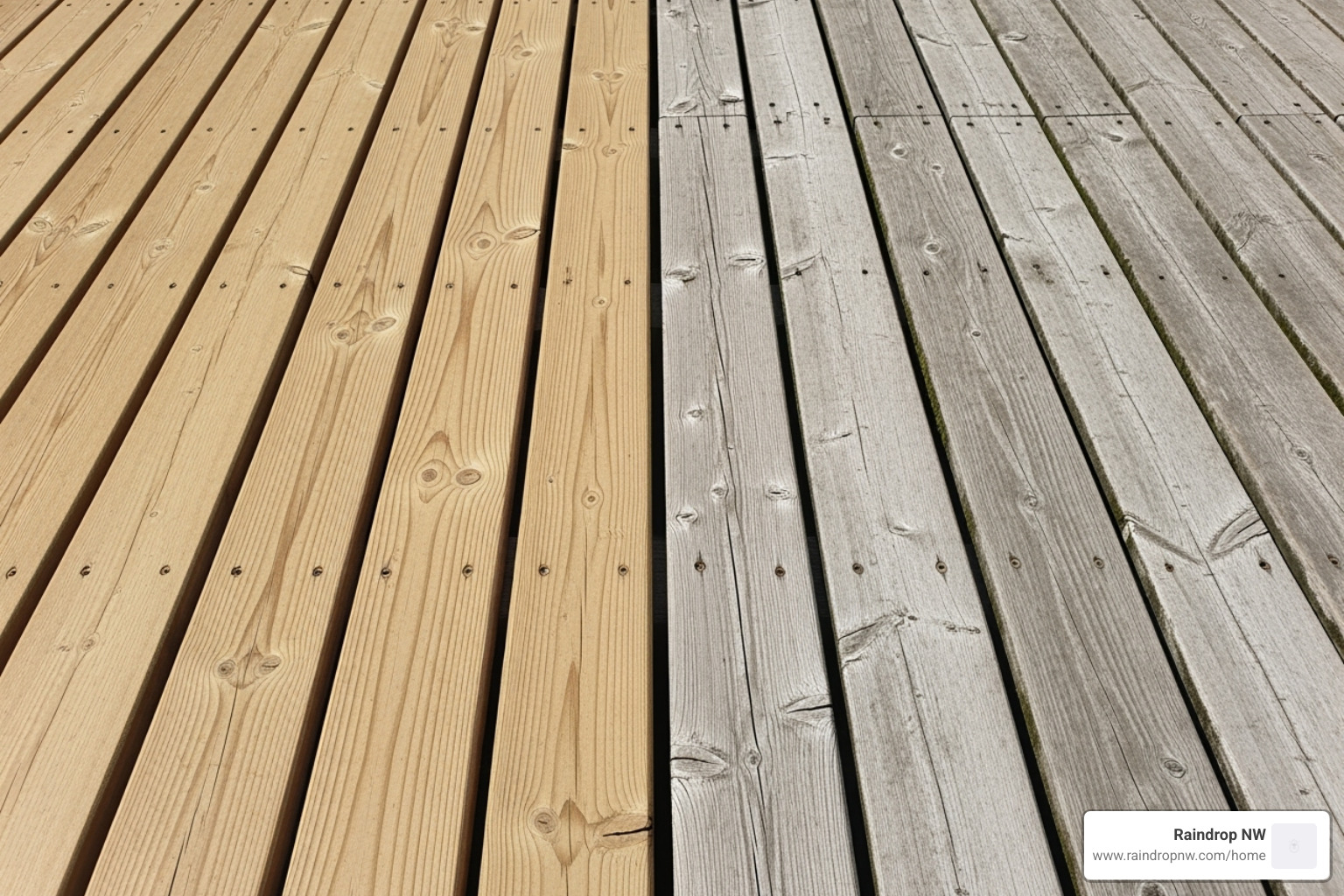
newly replaced deck section next to older, weathered section - balconies, patios, and flat decks damaged in aloha or

The Critical Role of Professional Waterproofing for Flat Decks

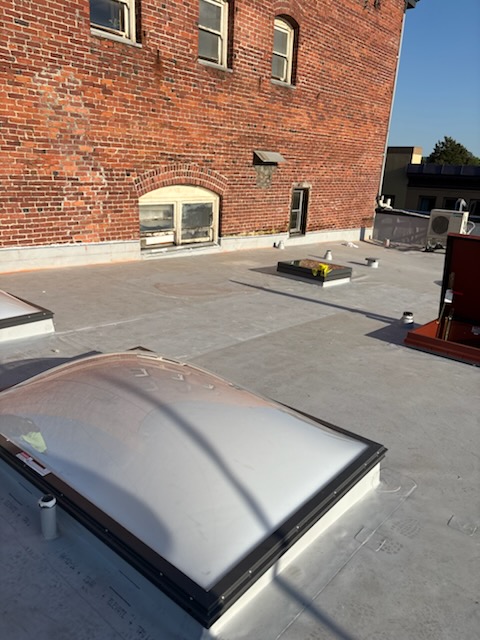
Flat decks are essentially roofs you walk on, and they demand professional expertise, especially if they are over living spaces. Unlike sloped decks, flat decks rely entirely on waterproof membranes to keep water out. These must be installed perfectly, with every seam sealed.

Even so-called “flat” decks need a slight slope for drainage to direct water away. If a deck is truly flat or has low spots, standing water will eventually cause the membrane to fail. When that happens, you risk leaks into your home, which can cause devastating water damage to ceilings, walls, and insulation, creating conditions for mold growth.

Water seeping through also damages the underlying structure. The framing can deteriorate silently, compromising both the deck above and the ceiling below. This is why professional installation and regular inspection of flat decks are essential protection for your home. Our team specializes in ensuring these critical areas are secure and watertight. You can learn more about our expertise in waterproof deck surfaces.

Ensuring Safety and Compliance for Your Aloha, OR Structure

Beyond aesthetics, keeping your outdoor space safe and structurally sound is the top priority. This involves managing water flow, adhering to local regulations, and knowing how to respond after severe weather.

The Importance of Proper Drainage Systems

In Aloha, proper drainage is everything. Water is persistent and will cause trouble if allowed to sit.

Sloping surfaces away from the house is essential. Your deck and patio should have a gentle slope to guide water away from your home’s foundation. Pooling water against your house can compromise the foundation and lead to interior damage.

Your gutters and downspouts are also key. If they’re clogged, water overflows directly onto your deck or patio. Keep gutters clean and ensure downspouts direct water well away from your structures.

Preventing pooling water is critical for balconies, patios, and flat decks damaged in aloha or. Standing water accelerates the breakdown of materials and promotes moss and algae growth. It also saturates the ground, creating hydrostatic pressure that can push against your foundation walls, potentially causing cracks and structural problems. Good drainage protects your entire home.

Navigating Local Building Codes for Balconies, Patios, and Flat Decks Damaged in Aloha, OR

Building codes are safety regulations based on hard-learned lessons. Here in Aloha, which is under Washington County jurisdiction, there are specific requirements to know.

Washington County permits are required for most new construction or substantial repairs. This process ensures your plans are reviewed and your construction is inspected, verifying that the structure is safe.

Railing height requirements are non-negotiable safety features to prevent falls from liftd decks and balconies. When repairing or replacing railings, ensure they meet current codes.

Load capacity standards dictate how much weight your deck can safely support, including people, furniture, and snow. Codes specify the materials and construction needed to prevent sagging or failure.

There’s immense value in professional installation. An experienced contractor understands local regulations and knows how to build structures that pass inspection. They also understand how your deck integrates with your home’s other systems, like roofing. Our team provides thorough roof inspections and certifications that often include evaluating these critical connections.

What to Do After a Severe Oregon Storm

After a storm passes, it’s time for a careful inspection of your outdoor spaces.

  • Inspect for damage from wind or debris: High winds can loosen boards and damage railings, while falling branches can cause impact damage.
  • Check for loose components: Strong winds can exploit weak points. Test railings and boards for any new instability.
  • Assess for water intrusion: Heavy rains can overwhelm drainage systems. Look for new leaks or pooling water, especially from flat decks or balconies.
  • Prioritize safety: If you suspect significant structural damage, keep everyone off the area until a professional can assess it. Barricade it if necessary.

Storm damage can range from minor to severe. Hail can dent materials and rupture protective membranes. Acting quickly is key. Water damage addressed immediately may be a simple repair, but if left for weeks, it can become a much larger project.

Keep Your Aloha Outdoor Space Safe and Beautiful

Taking care of your outdoor living areas—especially balconies, patios, and flat decks damaged in aloha or—is an ongoing relationship with your home. It rewards you with safety, beauty, and years of enjoyment. Think of it as preventive care for your property.

Throughout this guide, we’ve covered the signs of damage, from spongy wood to wobbly railings. We’ve discussed how our Pacific Northwest climate demands regular inspections and consistent maintenance, and we’ve explored when to repair versus when safety requires a replacement.

Regular inspections are your best tool. An annual walkthrough to check for loose boards, test railings, and spot early warning signs can prevent small problems from becoming major ones. Consistent maintenance, like cleaning debris and reapplying sealant, protects your investment and keeps your outdoor spaces safe.

Knowing when to call for professional help is just as important. Issues involving structural integrity, waterproofing on flat decks, or connections to your home require expert eyes to ensure the long-term value and safety of your property.

Here at Raindrop NW, we are a truly local, independently owned business deeply rooted in the Aloha community. We understand what our climate does to outdoor structures because we live and work here too. Our commitment is to our neighbors and to providing service with long-term accountability. This means you get local expertise you can count on from a team that genuinely cares about protecting your home and family.

For a professional assessment of your deck or patio’s condition, especially its waterproofing and how it connects to your home’s structure, trust a team that knows Aloha inside and out. Contact us to learn more about our residential services and let’s make sure your outdoor spaces stay safe, functional, and ready for whatever our beautiful Oregon weather brings.
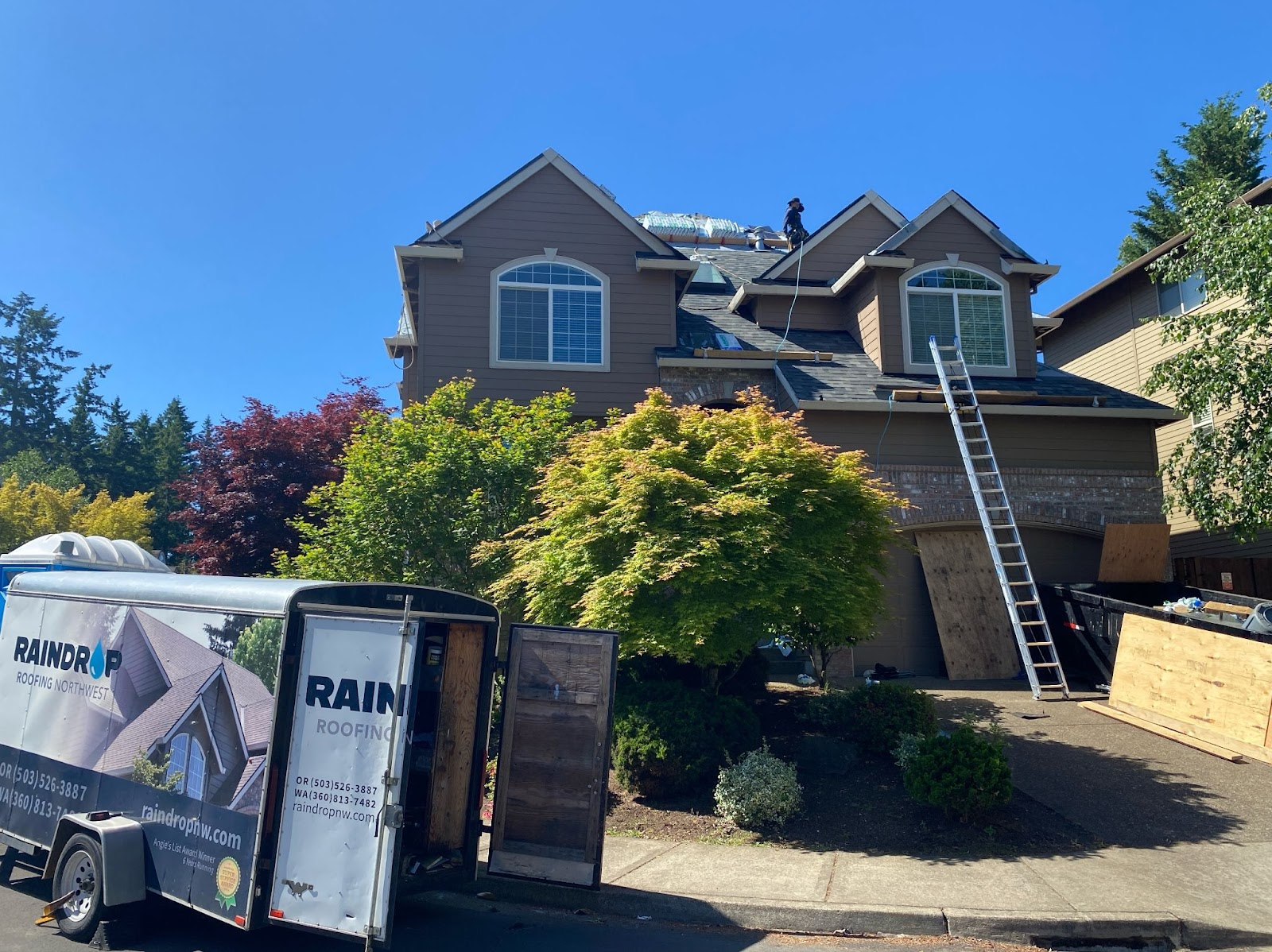
https://www.raindropnw.com/wp-content/uploads/2025/10/balconies-patios-and-flat-decks-damaged-in-aloha-or-image.jpg 720 1080 Torrey Yungeberg https://www.raindropnw.com/wp-content/uploads/2024/05/logo-raindrop-space-300x92.png Torrey Yungeberg2025-10-31 22:51:232025-10-31 22:51:35Deck Dilemmas Solved: Repair, Replace, or Maintain Your Aloha Outdoor Spaces

Don’t Get Shingled: How to Pick a Licensed Roofing Pro in West Hills OR

Residential Roofing

Pick a licensed asphalt shingle roofing contractor in West Hills OR. Get expert tips for a durable roof. Protect your home confidently.

Read more
https://www.raindropnw.com/wp-content/uploads/2025/11/asphalt-shingle-roofing-contractor-in-west-hills-or-image.jpg 810 1080 Torrey Yungeberg https://www.raindropnw.com/wp-content/uploads/2024/05/logo-raindrop-space-300x92.png Torrey Yungeberg2025-10-31 10:45:232025-11-06 18:11:02Don’t Get Shingled: How to Pick a Licensed Roofing Pro in West Hills OR

The Importance of Regular Inspections for Low-Slope Roofs

Low Slope Roofing, Roof Inspections, Roofing

Low-slope roofs, often referred to as flat roofs, are defined as having a pitch below 2:12. In other words, for every 12 inches of horizontal distance, the roof rises 2 inches vertically. While this design is most common in commercial buildings, it is also used in some residential construction. Because homeowners are less familiar with low-slope roofing, they may not realize the unique care these systems require. Regular inspections are one of the best ways to preserve performance, extend lifespan, and prevent costly damage.

Understanding Low-Slope Roofing Systems

Low-slope roofs differ significantly from steep-slope residential roofs. They cannot rely on gravity alone to shed water, which makes drainage systems, materials, and installation quality especially critical. Common materials used in low-slope roofing include:

  • Single-ply membranes like TPO, PVC, and EPDM

  • Modified bitumen roofing systems

  • Built-up roofing (BUR) made of layered asphalt and fabric

  • Coatings designed to protect and extend the roof’s life

Each of these systems has its own strengths, but all require ongoing care to perform well in the long run.

Why Low-Slope Roofs Need Extra Attention

Because low-slope roofs are nearly flat, they are vulnerable to standing water, leaks, and debris buildup. Even small punctures or clogged drains can quickly turn into larger issues if ignored. A building owner or homeowner might not see these problems from the ground, which is why professional inspections are essential.

The Role of Regular Inspections

Professional inspections for low-slope roofs should include:

  • Checking the membrane for punctures, cracks, or blisters

  • Inspecting flashings and seams for proper sealing

  • Clearing drains and scuppers to prevent water buildup

  • Looking for signs of ponding water or structural sagging

Catching these issues early helps prevent interior water damage and extends the life of the roof.

Maintenance Practices That Matter

Ongoing maintenance is just as important as inspections. Effective care includes:

  1. Removing debris like leaves, sticks, or trash that can block drainage.

  2. Resealing or repairing seams, joints, and penetrations as needed.

  3. Addressing ponding water promptly to prevent leaks or structural issues.

  4. Considering roof coatings to improve weather resistance and energy efficiency.

Benefits of Professional Low-Slope Roof Care

Consistent inspections and maintenance provide several advantages:

  • Extended roof lifespan by addressing issues before they spread

  • Reduced repair costs compared to emergency fixes after leaks occur

  • Improved property value by keeping the roof in top condition

  • Peace of mind knowing your roof is performing properly year-round

Partner with Low-Slope Roofing Experts

At Raindrop Roofing NW, we specialize in low-slope roofing inspections, maintenance, and repair in Beaverton, OR. Whether your roof is TPO, PVC, EPDM, or another system, our experienced team can help identify issues, provide tailored maintenance, and protect your property for the long term.

Contact Raindrop Roofing NW today at 503-526-3887 or fill out our online form to schedule your low-slope roof inspection. Let our experts ensure your roof remains watertight, durable, and dependable. We offer 3 year maintenance programs, as well as one-time services.

https://www.raindropnw.com/wp-content/uploads/2024/05/logo-raindrop-space-300x92.png 0 0 Torrey Yungeberg https://www.raindropnw.com/wp-content/uploads/2024/05/logo-raindrop-space-300x92.png Torrey Yungeberg2025-10-10 00:17:462025-10-10 00:18:22The Importance of Regular Inspections for Low-Slope Roofs

What Happens to Seeds and Debris Left in Your Gutters? Why Cleaning Gutters Is Important

Gutter Cleaning, Roof Maintenance, Roofing

As homeowners, we often think of gutters as just another part of the roofing system, occasionally remembering to check if they’re clear. Yet gutters play a critical role in protecting our homes from water damage. When seeds and debris accumulate in your gutters and aren’t promptly removed, they can create a host of problems, some of which may compromise the structural integrity of your home. Understanding what happens to seeds and debris left in your gutters, and why cleaning them is crucial can save you significant time, money, and stress in the long run.

The Consequence of Neglected Gutters

When gutters are neglected, debris such as leaves, twigs, and seeds builds up over time. This accumulation can form blockages, causing water to overflow. The overflowing water doesn’t simply disappear; it can seep through your roof, siding, and foundation, resulting in potential damage to each area. Additionally, the added weight of waterlogged debris can cause gutters to pull away from your home, leading to further damage and costly repairs.

Seeds Lead to Unwanted Growth

Seeds that land in gutters can germinate, resulting in plant growth within the gutter system itself. While this might seem harmless at first, plants can root deeply, dislodge gutter segments, and retain additional moisture. This increased moisture not only heightens the risk of water damage but can also accelerate wear and tear on your gutters, shortening their lifespan and necessitating earlier replacement.

Attracting Unwanted Pests

Debris-filled gutters can become a breeding ground for pests. Mosquitoes thrive in stagnant water, while rodents and birds may be drawn to gutters for shelter or nesting materials. These pests can pose health risks and may eventually find their way into your home, creating additional problems for homeowners.

The Importance of Regular Gutter Cleaning

Cleaning your gutters regularly at least twice a year, typically in late spring and early fall can prevent these issues. Regular maintenance ensures that water flows freely away from your home, protecting your roof, walls, foundation, and landscape from potential water damage. Clean gutters are also less likely to attract pests and will not support unwanted plant growth. This simple maintenance task plays a significant role in extending the lifespan of your gutters and safeguarding your home’s structural integrity.

Protect Your Home with Raindrop Roofing NW

Ensuring your gutters are free from seeds and debris is essential for the health of your home. At Raindrop Roofing NW, we understand the unique challenges faced by Beaverton, OR homeowners. Our professional gutter cleaning and maintenance services are designed to protect your home from the rainy Pacific Northwest weather, ensuring water flows efficiently away from your property without causing damage.

Schedule Your Gutter Cleaning Today

Don’t let neglected gutters put your home at risk. Contact Raindrop Roofing NW for expert gutter cleaning and maintenance. Our team is ready to ensure your gutters are in top condition, protecting your home year-round. Call us at 503-526-3887 or fill out our online form to schedule your service today.

https://www.raindropnw.com/wp-content/uploads/2025/10/gallery_raindrop-1-2_2_1757698839.jpg 342 512 Torrey Yungeberg https://www.raindropnw.com/wp-content/uploads/2024/05/logo-raindrop-space-300x92.png Torrey Yungeberg2025-10-03 13:00:012025-10-04 13:01:45What Happens to Seeds and Debris Left in Your Gutters? Why Cleaning Gutters Is Important

Why Metal Roofs Are Often Ideal for New Homes and Replacing Roofs on Older Homes

Residential Roofing, Roof Replacement, Roofing

When considering the best roofing options for either new construction or renovations on older homes, the benefits of metal roofing stand out for several compelling reasons. With exceptional durability, energy efficiency, and design versatility, metal roofs are a smart investment for homeowners looking to protect and enhance their property for the long term.

The Durability and Longevity of Metal Roofs

One of the most notable advantages of metal roofs is their incredible durability. Unlike traditional asphalt shingles, which typically require replacement every 20 years, metal roofs can last 50 years or more with minimal upkeep. They are engineered to endure extreme weather conditions, including strong winds, heavy rain, and hail. This level of resilience makes them particularly well-suited for areas prone to frequent storms. Additionally, metal roofs are both fire-resistant and pest-resistant, providing an added layer of protection for your home.

Energy Efficiency and Environmental Sustainability

Metal roofs contribute not just to durability but also to energy efficiency. Their reflective surfaces help reduce heat absorption during the summer months, keeping interior temperatures cooler and decreasing reliance on air conditioning. This results in noticeable energy savings over time. From an environmental standpoint, metal roofing is a sustainable option. Most metal roofing materials contain a significant amount of recycled content and are fully recyclable at the end of their lifespan, reducing landfill waste and supporting eco-conscious construction.

The Aesthetic Appeal of Metal Roofs

Modern metal roofing is far from industrial or utilitarian. Homeowners can now choose from a wide range of colors, finishes, and profiles that complement virtually any architectural style—from sleek contemporary homes to rustic farmhouses. Whether you’re constructing a new home or updating an older property, metal roofing offers design flexibility that enhances curb appeal.

Maintenance and Care for Metal Roofs

Despite their strength, metal roofs do require some maintenance to maximize their lifespan. Regular inspections can help identify any minor issues before they become larger problems. Occasional cleaning to remove leaves and debris, along with gutter maintenance, ensures water flows properly away from the roof. With just a little ongoing care, your metal roof will continue to perform and look great for decades.

Cost Considerations

While metal roofing often involves a higher upfront cost compared to traditional shingles, it pays off over time. The long life span, reduced maintenance, and energy efficiency of metal roofs can lead to significant long-term savings. For many homeowners, the investment is well worth it when considering the reduced need for roof repairs and replacements.

Ready to Explore Metal Roofing Options for Your Home?

Raindrop Roofing NW in Beaverton, OR is here to help. Our team of experts will guide you through the process of selecting and installing the ideal metal roof for your home. We understand the unique challenges of roofing in the Pacific Northwest and are committed to providing high-quality service and craftsmanship. Call us today at (503) 526-3887 or complete our online form to request an estimate. Let us help you protect and beautify your home with a durable, energy-efficient metal roof.

https://www.raindropnw.com/wp-content/uploads/2025/09/gallery_metal_1754428998-scaled.jpeg 1920 2560 Ryan Bowen https://www.raindropnw.com/wp-content/uploads/2024/05/logo-raindrop-space-300x92.png Ryan Bowen2025-09-26 15:19:532025-09-29 15:22:37Why Metal Roofs Are Often Ideal for New Homes and Replacing Roofs on Older Homes

Moss Can Harm the Shingles on a Roof

Roof Maintenance, Roofing, Roofing Services

Moss is more than just an aesthetic concern for homeowners. It poses a serious threat to the health and longevity of a roof. In areas where damp, shaded conditions are common, moss can easily take hold, especially on roofing surfaces that don’t receive much sunlight. Understanding how moss impacts your roof is key to preventing long-term damage and costly repairs.

The Detrimental Effects of Moss on Roofing

Moss can significantly shorten the lifespan of your roof. It thrives in moist environments and gradually forms a thick mat that traps moisture against the surface of your shingles or tiles. This prolonged exposure to moisture can:

  1. Rot wooden materials – including shingles and underlayment.

  2. Corrode metal roofing, weakening its protective layers.

  3. Dislodge tiles or shingles by undermining the adhesive or fasteners, making the roof more vulnerable to wind and rain.

Moisture Damage and Rot

The sponge-like texture of moss allows it to retain a large amount of water. Over time, this trapped moisture can seep into wood-based roofing components and cause them to rot. As the structure weakens, the roof may sag or become unstable, requiring extensive repairs or a complete replacement.

Uplift and Physical Damage

Moss spreads by anchoring itself into small gaps between shingles or tiles with root-like structures called rhizoids. As it grows, these rhizoids can lift the roofing material, creating entry points for water and increasing the risk of leaks. The weight of wet moss also adds stress to the roof, particularly in older or already compromised structures.

How Moss Finds Its Way Onto Your Roof

Moss spores are carried by wind, rain, or animals. Once they land on your roof, they only need three conditions to grow: shade, moisture, and a nutrient-rich surface. Roofs that face north or are shaded by nearby trees are especially vulnerable. Once established, moss can spread quickly if not addressed.

Preventative Measures to Take

Prevention is the best defense against moss-related roof damage. Consider the following steps:

  1. Trim overhanging tree branches to increase sunlight exposure and reduce moisture retention.

  2. Clean gutters regularly to ensure proper drainage and prevent water from pooling on your roof.

  3. Keep the roof clear of debris, such as leaves and twigs, that can retain moisture and foster moss growth.

Regular Maintenance and Cleaning

Routine roof inspections and cleaning are essential, even for roofs made of metal or tile. These materials are not immune to moss. Look for early signs of growth and address them immediately. A professional roof cleaning can remove moss without damaging the shingles or tiles, ensuring your roof stays strong and functional for years to come.

When to Seek Professional Help

If moss is already present, it’s important to act quickly. DIY removal can sometimes cause more harm than good, especially if abrasive tools or harsh chemicals are used. A qualified roofing contractor can safely remove moss using approved methods that preserve your roof’s integrity.

Protect Your Roof Against Moss with Raindrop Roofing NW

Don’t let moss take a toll on your roof. Based in Beaverton, OR, Raindrop Roofing NW offers expert roofing services designed to eliminate moss and prevent future growth. Whether you need a professional cleaning, preventative treatment, or a full roof inspection, our skilled team is here to help.

Call Raindrop Roofing NW today at (503) 526-3887 or fill out our online form to schedule your roof inspection. Let us help you protect your home and extend the life of your roof with reliable, professional care.

https://www.raindropnw.com/wp-content/uploads/2025/09/gallery_moss-on-roof_3_1754429001-scaled.jpg 1673 2560 Ryan Bowen https://www.raindropnw.com/wp-content/uploads/2024/05/logo-raindrop-space-300x92.png Ryan Bowen2025-09-23 08:45:232025-09-29 15:22:24Moss Can Harm the Shingles on a Roof

How Intense UV Rays Can Wreak Havoc on a Roof

Roof Maintenance, Roof Replacement

The strength and longevity of your roof, a critical component of your home’s protection, are significantly affected by its exposure to the sun’s ultraviolet (UV) rays. In areas with abundant sunshine throughout the year, understanding how intense UV radiation deteriorates roofing materials is essential. By shedding light on the science of UV damage and practical strategies for prevention, this guide helps homeowners take proactive steps to protect their investment.

The Science Behind UV Damage to Roofs

UV-related roof damage begins with a process called photodegradation. This chemical reaction breaks down the molecular bonds in roofing materials when exposed to ultraviolet radiation. Over time, photodegradation leads to visible and structural issues such as fading, cracking, and brittleness. These changes compromise the roof’s integrity and can eventually result in failure if left unaddressed.

The Vulnerability of Different Roofing Materials to UV Rays

  1. Asphalt Shingles: A Common Target
    Asphalt shingles are popular for their affordability and accessibility. However, they are particularly susceptible to UV damage. Prolonged exposure can cause granule loss, surface cracking, and reduced effectiveness in protecting your home from the elements.

  2. Metal Roofing: Not Immune Either
    While known for durability, metal roofs can also suffer from UV exposure. Issues like fading and chalking not only affect aesthetics but can also signal underlying problems, such as reduced weather resistance when maintenance is neglected.

Early Signs of UV Damage

Identifying UV damage early can help prevent minor issues from becoming major repairs. Be on the lookout for:

  • Fading or discoloration of roofing materials

  • Granules collecting in gutters (a sign of asphalt shingle deterioration)

  • Warping or blistering of coatings and membranes

Recognizing these warning signs can save you time, money, and potential damage to your home.

Mitigation Strategies to Protect Your Roof

Protecting your roof from UV damage involves several proactive steps:

  1. Routine Inspections
    Schedule regular professional inspections to detect early signs of UV damage and address them promptly.

  2. Use of UV-Resistant Materials
    Choose roofing products that are specifically designed to resist UV degradation, especially when repairing or replacing your roof.

  3. Reflective Roof Coatings
    Apply reflective coatings that deflect UV rays and reduce the surface temperature of your roof.

  4. Proper Ventilation
    Ensure your attic and roof systems are well-ventilated. This minimizes heat buildup, which can amplify the effects of UV exposure.

Investing in Roof Maintenance and Protective Measures

The key to extending your roof’s lifespan is ongoing maintenance and smart material choices. UV-resistant materials and reflective coatings not only help protect against solar damage but can also improve energy efficiency by keeping indoor temperatures lower during hot months. This makes your home more comfortable and reduces cooling costs.

Protect Your Investment with Raindrop Roofing NW

In Beaverton, OR, where intense UV exposure is a year-round reality, protecting your roof means protecting your entire home. At Raindrop Roofing NW, we specialize in durable, UV-resistant roofing solutions designed to withstand the elements and extend your roof’s lifespan. Don’t wait for damage to appear. Schedule a professional roof inspection today. Call Raindrop Roofing NW at (503) 526-3887 or fill out our online form to get started. Your roof deserves expert care that keeps it strong, efficient, and ready for every season.

https://www.raindropnw.com/wp-content/uploads/2025/09/gallery_uv-rays-on-metal-roof_1754428997.jpg 1414 2120 Ryan Bowen https://www.raindropnw.com/wp-content/uploads/2024/05/logo-raindrop-space-300x92.png Ryan Bowen2025-09-18 01:39:502025-09-29 15:23:14How Intense UV Rays Can Wreak Havoc on a Roof

How We Locate Roofing Leaks

Low Slope Roofing, Roof Leak Repair, Roofing

When you discover a leak in your roof, it’s not just a small inconvenience, it’s a sign that your home’s first line of defense is compromised. At Raindrop Roofing NW, our approach to detecting and repairing leaks is both thorough and precise, rooted in years of experience and a deep understanding of roofing systems, especially low slope roofs that are less common in residential areas.

Understanding the Complexity of Roof Leaks

A discolored patch on your ceiling is often the first visible sign of a leak. However, finding the source is rarely as simple as checking the area directly above the stain. Water can travel along rafters, insulation, or other structural components before it shows up inside, making professional leak detection essential.

The Significance of Low Slope Roofing

Low slope roofing, defined as having a pitch of less than 2:12, poses unique challenges. Because these roofs shed water more slowly than steeper ones, they are more prone to ponding and leaks if not properly built and maintained. Materials like modified bitumen, single-ply membranes, and specialized coatings are commonly used to provide durability and waterproofing for these systems.

At Raindrop Roofing NW, we are highly skilled in diagnosing and repairing leaks on low slope roofs, ensuring that homeowners receive effective and long-lasting solutions.

Techniques We Employ to Identify Leaks

In-Depth Visual Inspections
We start with detailed visual inspections both inside the attic and on the roof. This helps us identify common problem areas such as compromised flashing, clogged gutters, or punctures in roofing membranes. On low slope roofs, this step is critical since water runoff is slower, and even small vulnerabilities can lead to leaks.

Application of Controlled Water Tests
When leaks are hard to trace, we conduct controlled water tests. By carefully simulating rainfall on targeted areas, we can determine the exact location of water entry. This safe, systematic approach is far more effective than guesswork.

Emphasizing Preventative Care

The best way to combat roof leaks is through proactive maintenance. Routine inspections and timely repairs after storms or as your roof ages can prevent small problems from becoming costly water damage. Our team emphasizes prevention as much as repair, helping extend the life of your roofing system.

Ready to Protect Your Home?

If you suspect a leak or want to safeguard your home with preventative roof care, trust the experts at Raindrop Roofing NW. We proudly serve Beaverton, OR, and nearby communities with reliable solutions for both traditional and low slope roofing. Call us today at 503-526-3887 or fill out our online form to schedule a consultation. Let’s secure your roof and protect your home.

https://www.raindropnw.com/wp-content/uploads/2025/09/gallery_0faf762e-804a-4667-a07c-815e1d31e31e-2_1754058848-scaled.jpg 1441 2560 Ryan Bowen https://www.raindropnw.com/wp-content/uploads/2024/05/logo-raindrop-space-300x92.png Ryan Bowen2025-09-16 01:39:372025-09-16 01:40:52How We Locate Roofing Leaks

Why Annual Roof Maintenance Is Very Cost-Effective

Residential Roofing, Roof Maintenance, Roofing

Maintaining a roof may seem like a chore that can be delayed amidst the many responsibilities homeowners face. However, the importance of routine roof maintenance far outweighs the minor inconvenience it may pose. From protecting the structural integrity of your home to ensuring long-term savings, the benefits of conducting annual roof checks are substantial. Below are five reasons why maintaining your roof annually is a strategic, cost-effective decision for homeowners.

1. Reduce the Risk of Costly Repairs

One of the most compelling reasons to invest in annual roof maintenance is the significant cost savings it offers by helping prevent extensive and expensive repairs. Small issues such as minor leaks or cracked shingles can escalate into major problems if left unaddressed. Early detection and timely repairs help you avoid the high costs associated with structural damage or full roof replacements.

2. Extend the Lifespan of Your Roof

Regular maintenance is key to maximizing your roof’s lifespan. While most roofing systems are designed to last several decades, their longevity depends heavily on consistent care. Annual inspections and minor repairs help manage normal wear and tear, delaying the need for a costly roof replacement.

3. Prevent Water Damage and Health Hazards

Water damage is a common consequence of roofing issues and can threaten both the structure of your home and your family’s health. Annual roof maintenance includes leak detection and repair, which helps prevent water intrusion. This proactive approach reduces the risk of mold and mildew, both of which can lead to respiratory problems and costly remediation.

4. Keep Your Warranty in Good Standing

Many roofing warranties require routine maintenance as a condition for validity. Skipping annual inspections could void your coverage, leaving you unprotected if an issue arises. Keeping up with yearly maintenance ensures your warranty remains in force, giving you peace of mind and financial protection.

5. Boost Curb Appeal and Home Value

A clean, intact roof greatly enhances your home’s overall appearance and market value. Potential buyers often view a well-maintained roof as a sign that the home has been properly cared for. This can lead to quicker sales and better offers should you decide to put your home on the market.

Schedule Your Roof Maintenance Today

When it comes to protecting your investment, prevention is always better than cure. Delaying roof maintenance can lead to costly, avoidable problems. At Raindrop Roofing NW, we provide professional, affordable roof maintenance services tailored to meet the needs of homeowners in Beaverton, OR. Contact us today at (503) 526-3887 or fill out our online form to schedule your annual roof inspection and maintenance.

https://www.raindropnw.com/wp-content/uploads/2025/09/gallery_certainteed-presidential-shake-ar-autumn-blend-2_1757012563-1.jpg 1534 2048 Ryan Bowen https://www.raindropnw.com/wp-content/uploads/2024/05/logo-raindrop-space-300x92.png Ryan Bowen2025-09-12 02:17:402025-09-13 02:21:39Why Annual Roof Maintenance Is Very Cost-Effective

A Comprehensive Guide to Roof Shingle Installation

Roof Replacement, Roofing, Shingle Roofing

Roof shingles play a crucial role in protecting homes from the elements, enhancing curb appeal, and improving energy efficiency. Whether you’re tackling a DIY project or hiring professionals, understanding the shingle roof installation process is essential. This guide outlines the key steps and considerations for a successful roofing project.

Essential Steps for Shingle Roof Installation

1. Prepping for Shingle Installation

Proper preparation sets the stage for a smooth installation. Gather the necessary tools and materials, including a hammer or nail gun, utility knife, broom, chalk line, safety gear (harness and non-slip shoes), and shingles. Before installing anything, inspect the roof deck thoroughly. Replace any damaged or rotting wood, and ensure the surface is clean and dry to provide a stable foundation.

2. Installing the Roof Deck Protection Layer

A water-resistant underlayment, such as roofing felt, is the next critical step. This layer provides secondary protection against moisture infiltration. Begin at the bottom edge of the roof and roll the underlayment horizontally, overlapping each row by at least 4 inches. This creates a watertight seal that enhances your roof’s durability.

3. Proper Shingle Installation

Start by applying starter strips at the eaves to create an effective water-shedding edge. Then, lay the first row of shingles directly above the starter strip, working your way upward. Follow the manufacturer’s recommendations for nailing patterns to ensure each shingle is securely attached. Accurate alignment and nail placement are essential to maximize wind resistance and overall longevity.

4. Addressing Roof Penetrations and Valleys

Pay extra attention to vulnerable areas like chimneys, vents, and valleys. These are common points for leaks. Install metal flashing around these penetrations before laying shingles in those areas. Use roofing cement to seal the flashing and create a watertight barrier.

5. Applying Finishing Touches

Complete the installation by installing hip and ridge shingles at the roof’s peak. These should overlap properly to ensure effective water drainage. Once the shingles are in place, conduct a final inspection and remove any debris from the worksite. Make sure all materials are securely fastened and flashing is intact.

Cost Considerations

The overall cost of shingle roof installation varies based on the materials chosen, labor rates, and the complexity and size of the roof. Asphalt shingles are a popular and cost-effective choice due to their balance of durability, aesthetic appeal, and affordability. For the most accurate estimate, consult with a roofing contractor who can assess your specific situation.

FAQs on Shingle Installation

Homeowners often ask:

  • How long does installation take?
    Project duration depends on roof size, weather, and crew experience.

  • What are the different types of shingles?
    Options include asphalt, wood, metal, and composite, each with its own advantages.

  • How can I extend my roof’s lifespan?
    Regular maintenance, prompt repairs, and proper ventilation all contribute to longevity.

  • What should I budget for a new roof?
    Costs vary, but getting quotes from local professionals ensures you plan accurately.

Get Started with Professional Assistance

At Raindrop Roofing NW, we specialize in high-quality shingle roof installations designed to meet your unique needs. If you’re considering a new shingle roof in Beaverton, OR, give us a call at (503) 526-3887 or fill out our online form. Our experienced team is ready to guide you through every step, ensuring a durable and attractive roofing solution that lasts.

https://www.raindropnw.com/wp-content/uploads/2025/09/gallery_raindrop-2_1753978621-scaled.jpeg 2560 1836 Ryan Bowen https://www.raindropnw.com/wp-content/uploads/2024/05/logo-raindrop-space-300x92.png Ryan Bowen2025-09-10 13:08:152025-09-13 02:21:09A Comprehensive Guide to Roof Shingle Installation
Page 6 of 9«‹45678›»
Search Search
  • Modern Single EntryJuly 15, 2015 - 3:48 pm
  • Classic Single EntryJuly 15, 2015 - 3:48 pm
  • Classic Single Entry #2July 15, 2015 - 3:46 pm
  • MacBook PRO & SSDJuly 15, 2015 - 3:41 pm

Categories

  • Chimneys
  • Gutter Cleaning
  • Gutter Maintenance
  • Gutters
  • Low Slope Roofing
  • News
  • Personal
  • Residential Roofing
  • Roof Inspections
  • Roof Leak Repair
  • Roof Maintenance
  • Roof Replacement
  • Roofing
  • Roofing Services
  • Shingle Roofing

CLICK FOR A FREE ESTIMATE

CLICK NOW

Phone: (503)526-3887
Email:
info@raindropnw.com

Mon–Fri: 9:00am – 5:00pm
8305 SW Cirrus Dr.
Beaverton, OR 97008

Raindrop Roofing NW LLC BBB Business Review

 
Previous Previous Previous Next Next Next

©2026 Copyright - RAINDROP ROOFING NW | PORTLAND, OR
  • Link to X
  • Link to Instagram
  • Link to Youtube
  • Link to Facebook
  • Link to WhatsApp
Scroll to top Scroll to top Scroll to top